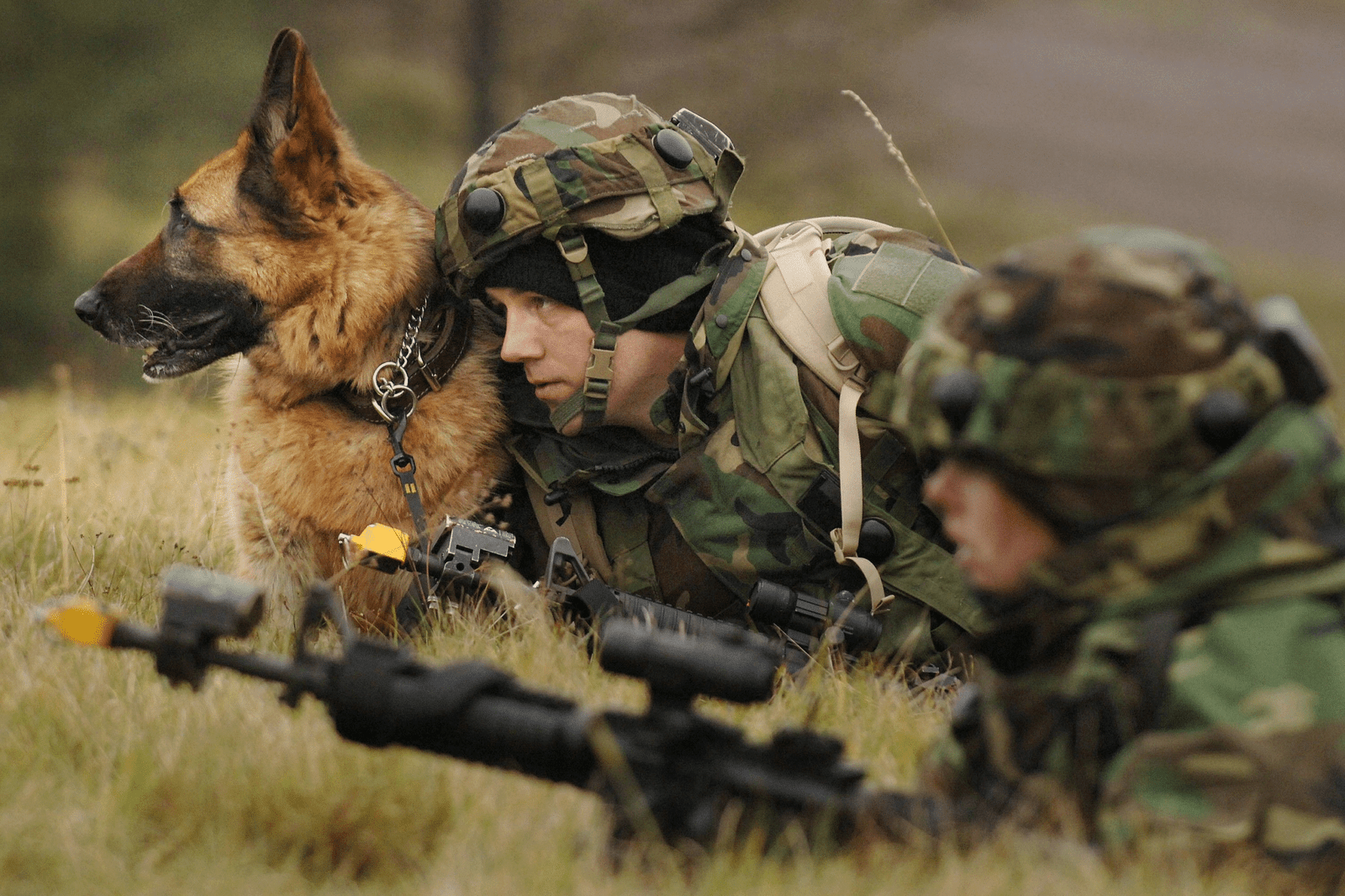

From ancient battlefields to contemporary airports, dogs have remained humans’ steadfast partners in protection and defense. Their roles in military and security operations could never be more crucial. These animals are no longer regarded merely as detection and patrol tools; they’re also appreciated for their comfort, companionship, and emotional support they provide to those whom they serve.
Selecting and training a dog as a service animal is not an easy task. The procedure is highly discriminating, with every animal selected depending on temperament, endurance, and smarts. Sporting breeds such as Labrador Retrievers and German Shorthaired Pointers are often the first choice for agencies due to their sharp noses and athleticism.

German Shepherds and Belgian Malinois remain popular with law enforcement due to their drive and focus. Dogs that fail to meet the strict requirements for service aren’t wasted—they’re usually available for adoption, where they begin new lives as pets rather than work animals.

The training is just as rigorous. Dogs begin with fundamental obedience and later move on to specialized work like explosive or drug detection. They need to be trained as well to withstand high-stress environments like airports, congested ports, and mass transit terminals. In therapy and community positions, training requirements guarantee the dogs can deliver consistent comfort and emotional support. Former handlers typically remark that the mere presence of a dog is enough to boost morale immediately, particularly in settings where stress is prevalent.

The work these animals do is as diverse as the individuals they assist. Detection animals frequently work on the front lines, sniffing for danger before individuals even see them. Patrol dogs help officers track suspects, protect sensitive areas, and offer a visible security presence.

Beyond the tactical use, dogs are being more widely invited to schools, campuses, and first responder facilities as therapy and community support animals. Their calming presence can reassure people, act as friends, and emblems of stability.

The rules for using support and service dogs are complex but necessary. Under the Americans with Disabilities Act, service animals are, by definition, trained dogs that perform a particular task for individuals with disabilities—regardless of whether or not these disabilities have a physical, psychiatric, or sensory cause.

Emotional support animals, on the other hand, are comforting but are not always trained to perform particular tasks. Other bills, such as housing laws, broaden these definitions so that individuals who need animal assistance can have them reside with them. Institutions and schools tend to add more requirements, such as health history and authorization procedures, to balance the requirements of society and individuals’ rights.

Finally, all working dogs eventually reach the stage where it is time to retire or return to civilian life. Organizations exist so that these dogs can be given to loving families when they retire. Adoption is a careful and careful process, and each animal is placed with the most suitable family.

Adopters must be prepared to provide consistent care, veterinary attention, and the patience needed for those dogs who will take some time to adapt to a more relaxed lifestyle. While it may take weeks or months for the transition, the reward is an enduring connection to an animal who has spent a lifetime in service.

Their influence reaches far beyond security. The dogs enrich the lives of those they work with, whether by diverting harm, standing watch with their handler, or comforting those who need it most. Their devotion, sensitivity, and intelligence make them one of the most unique working partners humans have ever known in defense and public safety environments. As our admiration for their capabilities expands, so does the obligation to protect them and honor them—not merely during their working lives, but long into the future.