New York: 22-02-2026] When to think about a full body nutrition, then in that case only few major nutrients are considered as the most essential including Omega-3 fatty acids for improved wellness. These are best for our heart and brain health functioning, these essential fats plays an important role smoothly functioning our entire entire body organs and processes.
If you’ve been considering adding Omega 3 Plant based food or simply a fish oil supplements in your daily routine by optimize your diet, then following is the most important information you need to know about Omega-3s.
What Are Omega-3 Fatty Acids?
Omega-3s are a family of polyunsaturated fats that are essential, as our body cannot produce it on its own. And we must get them from food or supplement sources.
There are three main types you should know:
- ALA (Alpha-linolenic acid): It is found mostly in plant oils like flaxseed, chia seeds, and walnuts.
- EPA (Eicosapentaenoic acid): Found in marine life, including Fish etc. which are known for reducing inflammation.
- DHA (Docosahexaenoic acid): Also Found in marine life, a key component of your brain and retina structure.
Top Health Benefits of Omega-3s
The research supporting to the Omega-3s benefit has shown the major positive results. Following are the primary ways they Omega 3 support your well-being:
- Heart Health
Omega-3s are famous for their cardiovascular benefits. They help lower triglycerides, reduce blood pressure, and prevent the buildup of blockages in the arteries.
- Brain Function and Mental Health
Your brain is about 60% fat, and much of that is DHA. High intake of Omega 3 is linked to better brain functioning, a reduced risk of Alzheimer’s, and help to reduce symptoms of anxiety and depression like situations.
- Eye Health
DHA is a major component of the eyes retinal structure. Getting enough Omega-3 nutrition rich food helps to reduce risk of macular degeneration, which is one of the world’s leading causes of permanent eye damage.
- Fighting Inflammation
Chronic inflammation is the main cause of major modern diseases. Omega-3s can help to reduce the production of molecules and substances those are linked to inflammation, and provides relief for conditions including rheumatoid arthritis.
Getting enough Omega-3 on a plant-based diet is also entirely possible, but it requires a bit more strategy than simply eating fish.
While plants are rich in ALA (the basic Omega-3), your body must convert it into EPA and DHA (the active forms of fats found in our brain and heart). Because this conversion is somewhat inefficient, focusing on rich omega 3 plant sources is very important.
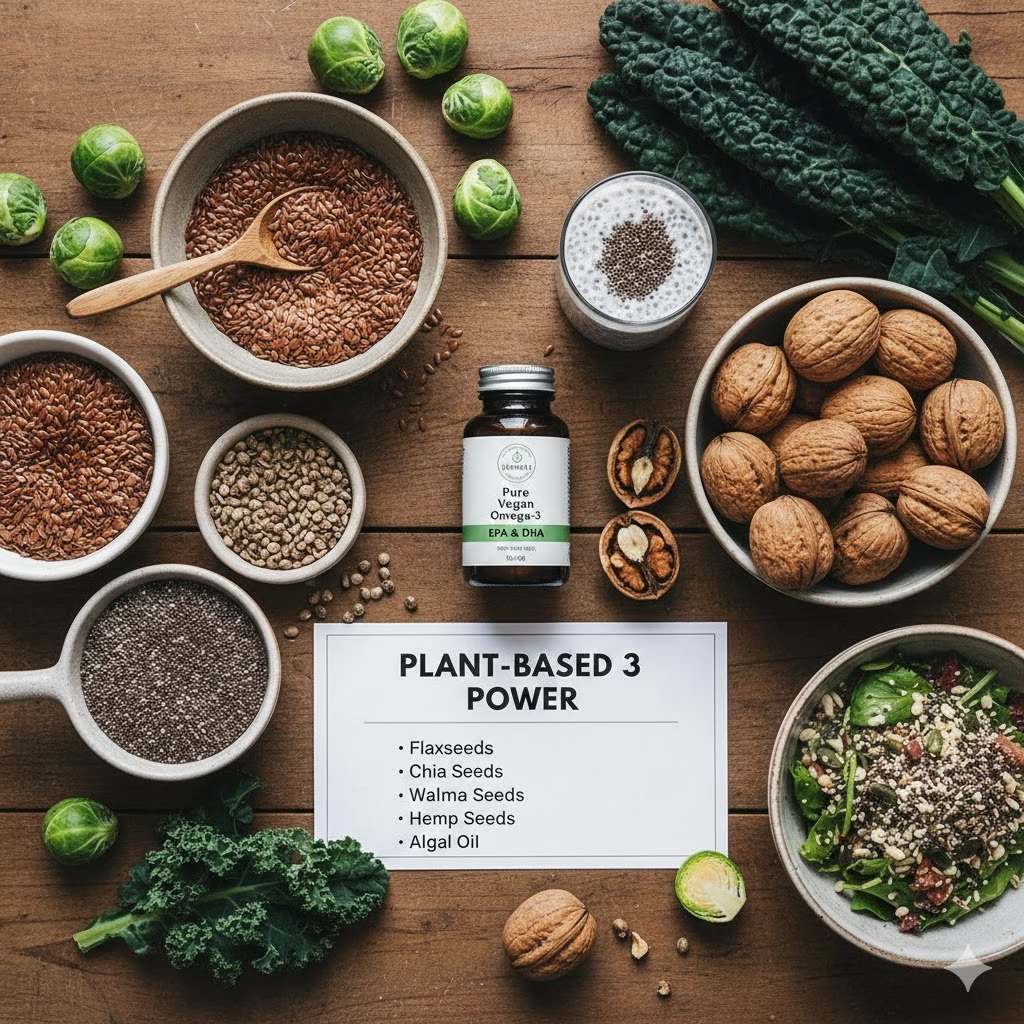
Top Plant-Based Omega-3 Sources
- Flaxseeds (The ALA Powerhouse)
Flaxseeds are the most concentrated plant source of ALA.
Omega-3 Content: 2,350 mg per tablespoon.
Guideline: Always eat them by properly chewing or in power form. As, the whole flaxseeds often pass through intact from our digestive system upon eating raw, and eating them without chewing can’t help to absorb the healthy fats.
- Chia Seeds
These small but popularly healthy seeds are a best nutritional boost. Unlike flax, they don’t need to be ground to be absorbed well in our digestive system.
Omega-3 Content: 5,000 mg per ounce (approx. 2 tablespoons).
Best Use: Add them in food preparations including smoothies, oatmeal, or make a chia pudding by soaking them in plant milk overnight.
- Walnuts
Walnuts are one of the few nuts with a significant Omega-3 contains.
Omega-3 Content: 2,570 mg per 1/4 cup.
Why they are best: They provide a satisfying crunchy texture to food, along with its antioxidants contains helps to protect the fragile Omega-3 oils from going rancid.
- Hemp Seeds (Hemp Hearts)
Hemp seeds offer a great balance of Omega-3 and Omega-6, plus they are a complete plant based protein.
Omega-3 Content: 1,000 mg per tablespoon.
Best Use: Their mild, nutty flavor makes them perfect for sprinkling over salads or avocado toast.
- Algal Oil (The Direct Source)
Most people think fish contains Omega-3, but they actually get it when fish eats algae.
Why it’s special: This is the only plant based source that provides direct EPA and DHA, bypassing the need for your body to convert ALA.
Usage: Usually it is taken as a supplement, and fish oil supplements is the vegan equivalent of nutritional element.
Plant-Based Omega-3 Cheat Sheet
Food Item: Flaxseed Oil, Typical Serving: 1 Tbsp, ALA Amount: 7.2 g
Food Item: Chia Seeds, Typical Serving: 2 Tbsp, ALA Amount: 5.1 g
Food Item: Walnuts, Typical Serving: 1/4 Cup, ALA Amount: 2.6 g
Food Item: Hemp Seeds, Typical Serving: 3 Tbsp, ALA Amount: 2.6 g
Food Item: Brussels Sprouts, Typical Serving: 1/2 Cup (cooked), ALA Amount: 0.13 g
3 Tips to Maximize Plant-Based Omega-3s
Lower your Omega-6 intake: Common vegetable oils (sunflower, corn, soybean) are high in Omega-6. Because Omega-3 and Omega-6 compete for the same enzymes, eating too much Omega-6 can slow down your body’s ability to convert plant-based ALA into active EPA/DHA.
Store seeds in the fridge: Omega-3 fats are very sensitive to heat and light. therefore Keep your flax, hemp, and chia seeds in a cool, dark place (like the refrigerator) to keep the food items fresh and with lots of omega 3
Consider an Algal Based Supplement: If you don’t eat seeds daily, then an algae-based DHA/EPA supplement is a highly effective to ensure your brain and heart are getting the specific fats which they need for better body functioning.
Fish Oil Supplements: Are They Necessary?
While eating fatty fish (like salmon, mackerel, or sardines) twice a week is best for getting healthy fats including omega 3, but many people cant follow the healthy diet requirement. Then the fish oil supplements can help them well.
Why Choose Fish Oil?
Concentrated Dose: They provide a direct, potent source of EPA and DHA.
Convenience: Easier for those who dislike the taste of seafood.
Purity: High-quality supplements are molecularly distilled to remove heavy metals like mercury.
Always look for supplements that list the specific amounts of EPA and DHA on their label, rather than just a simple fish oil.
Food Sources vs. Supplements
Source Type: Fatty Fish, Examples: Salmon, Sardines, Anchovies, Best For : Getting EPA/DHA + Vitamin D & Protein
Source Type: Plant-Based, Examples: Flaxseeds, Chia seeds, Walnuts, Best For: Getting ALA (Fiber + Antioxidants)
Source Type: Omega 3 Supplements, Examples: Fish oil supplements, Algal oil, Best For: Consistent, daily prescribed doses by health expert
How Much Omega 3 Do You Need?
Many health experts recommend a minimum of 250–500 mg of combined EPA and DHA per day for healthy adults can given best results. However, if you have specific health issues including high triglycerides, then your doctor may suggest a higher dose.
Potential Side Effects
Generally, Omega-3s are very safe. The most common side effect is a fishy aftertaste (often solved by taking burpless capsules or freezing them). If you are on blood thinners, always consult your physician before starting any kind of diet or supplement.
Finally, Omega-3s are important for a very longer, healthy life. Whether you get them from a grilled piece of salmon or Seeds or high-quality fish oil supplements, ensuring you meet your daily quota is one of the best thing you can do for your health betterment.