
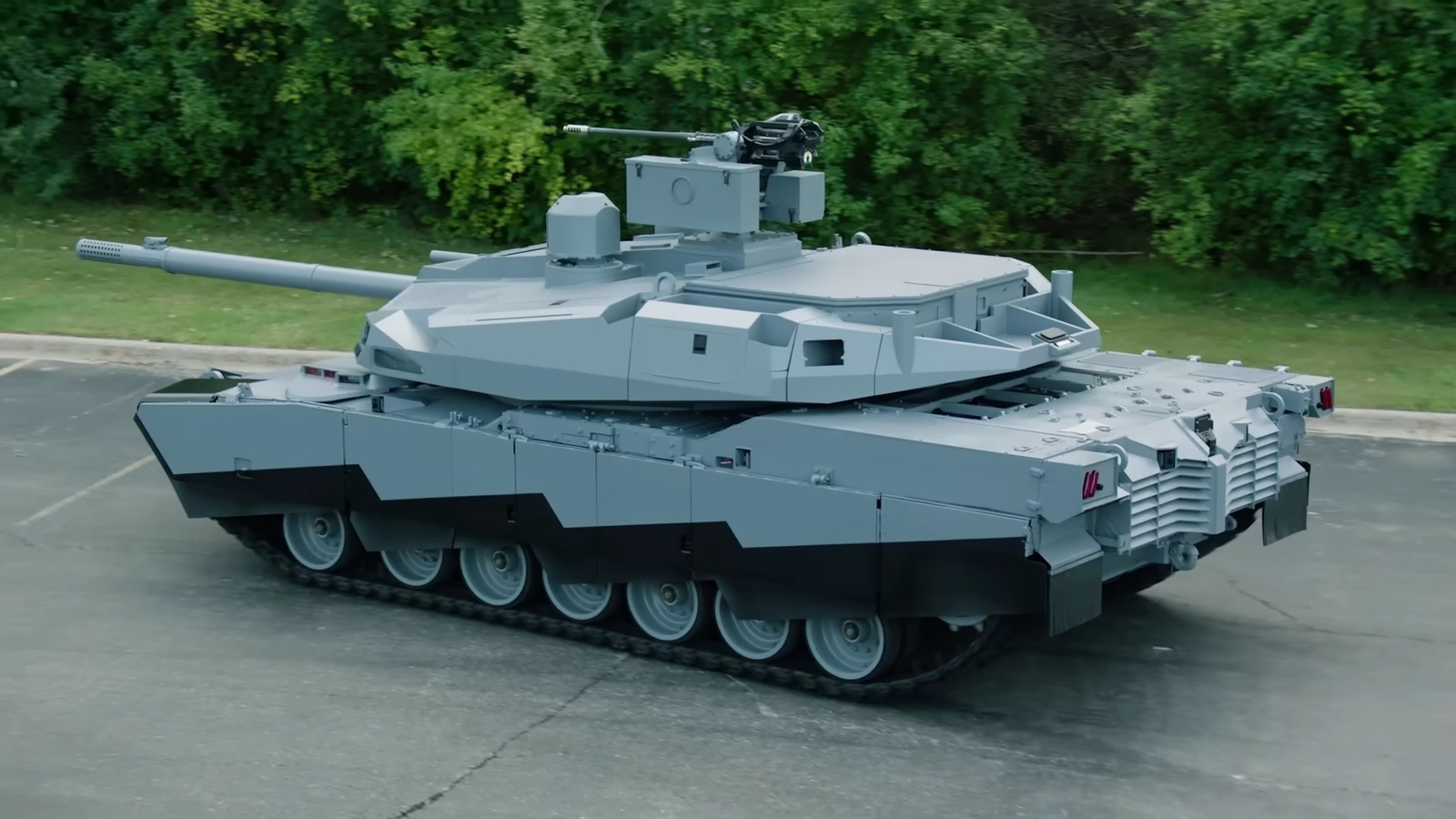

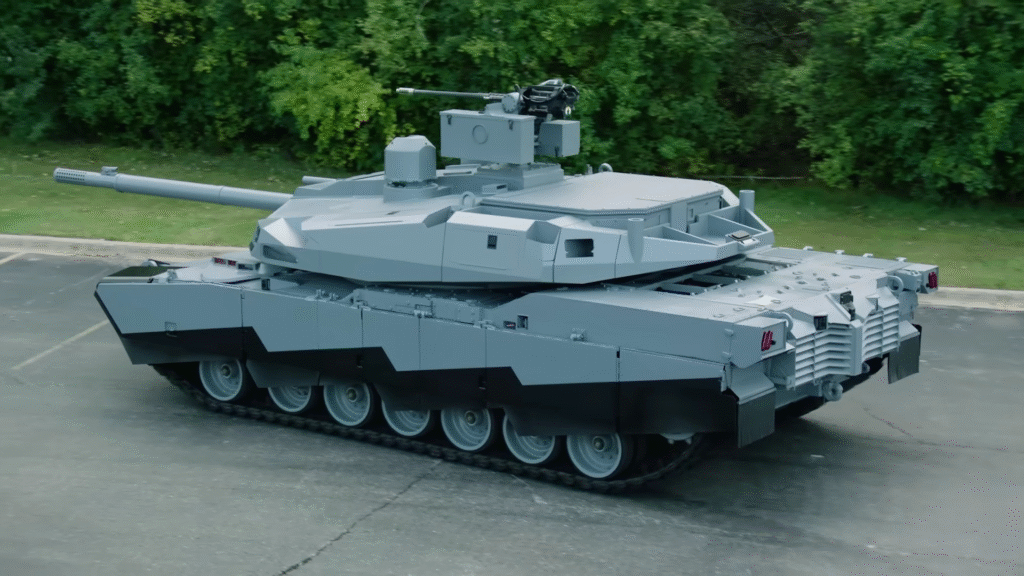
The Abrams has been America’s ground force muscle for over four decades—a heavy-hitting tank designed to overwhelm the battlefield with brute firepower and sophisticated technology. But the nature of the battlefield is changing. Wars are no longer fought in terms of the thickest armor or biggest gun. Rather, tiny, low-cost drones are redefining the battlefield, and even the powerful Abrams is beginning to feel the squeeze.

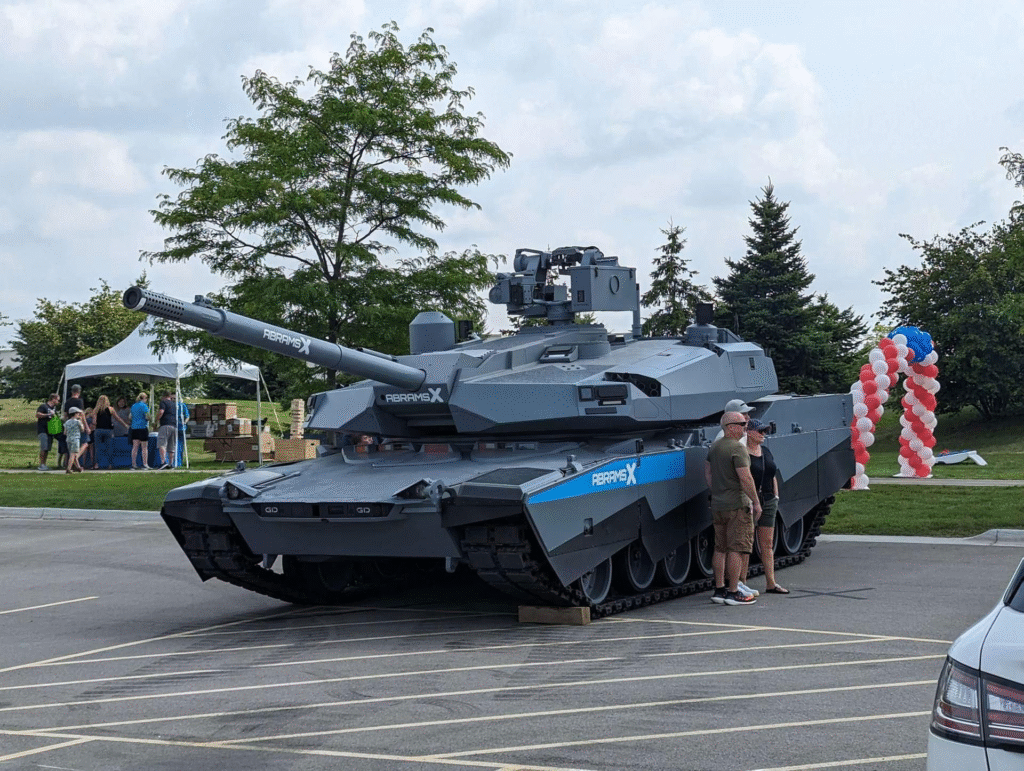
Footage from the conflict in Ukraine has unsettled military strategists worldwide. Million-dollar tanks are being destroyed by drones costing pennies on the dollar, which quite frequently are making top-down kills with near-perfect precision. The actual question for any tank today is no longer how much ammunition it packs, but whether or not it can last in a world that evolves more rapidly than the device itself.
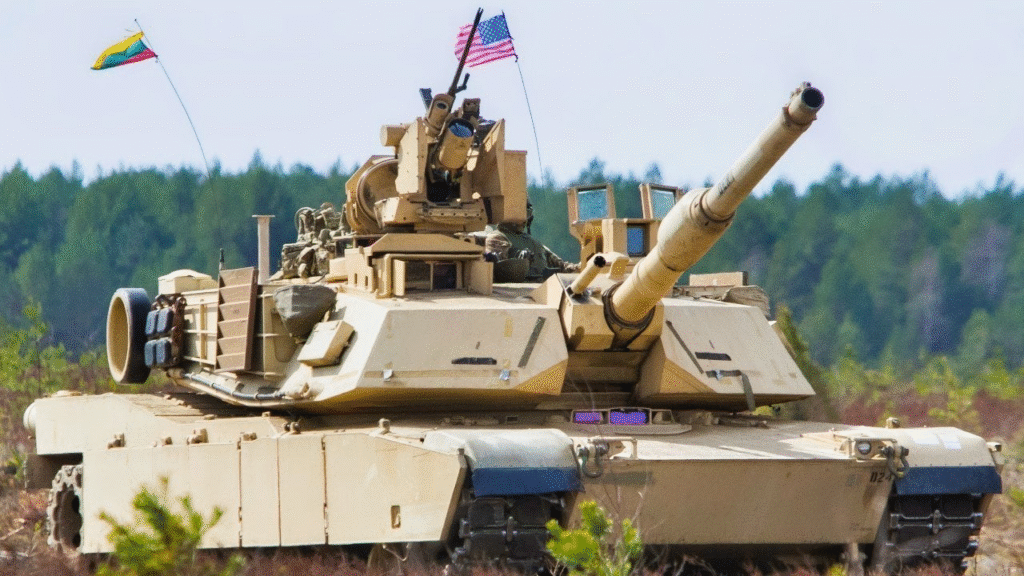
Brig. Gen. Geoffrey Norman, commander of the Army’s effort to develop next-generation combat vehicles, has been candid about the problem. Drones are becoming a genuine threat to anything on the ground. American planners have been working closely with Ukrainian troops, learning some tough lessons on the front lines. Traditional horrors such as tank battles and anti-tank missiles are no longer the concerns they once were, eclipsed by humming air hunters led by cameras and computers, costing less than the fuel it takes to turn an Abrams engine over.

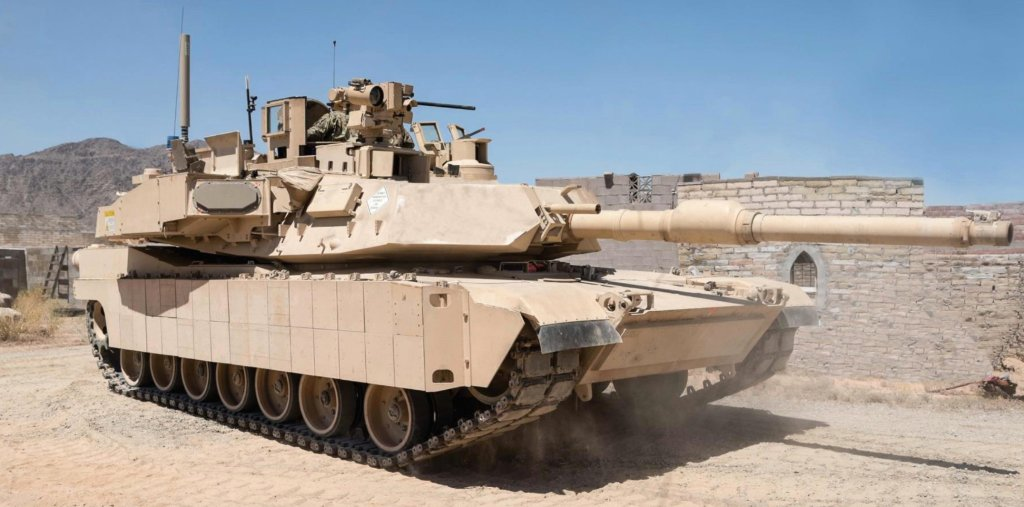
This reality forced a reset. In late 2023, the Army scrapped plans for the M1A2 SEPv4 upgrade. Instead of bolting more technology onto a platform that was already straining under its weight, leaders decided it was time for something new. The result is the M1E3—a fresh approach meant to rethink what a tank should look like in the years ahead.

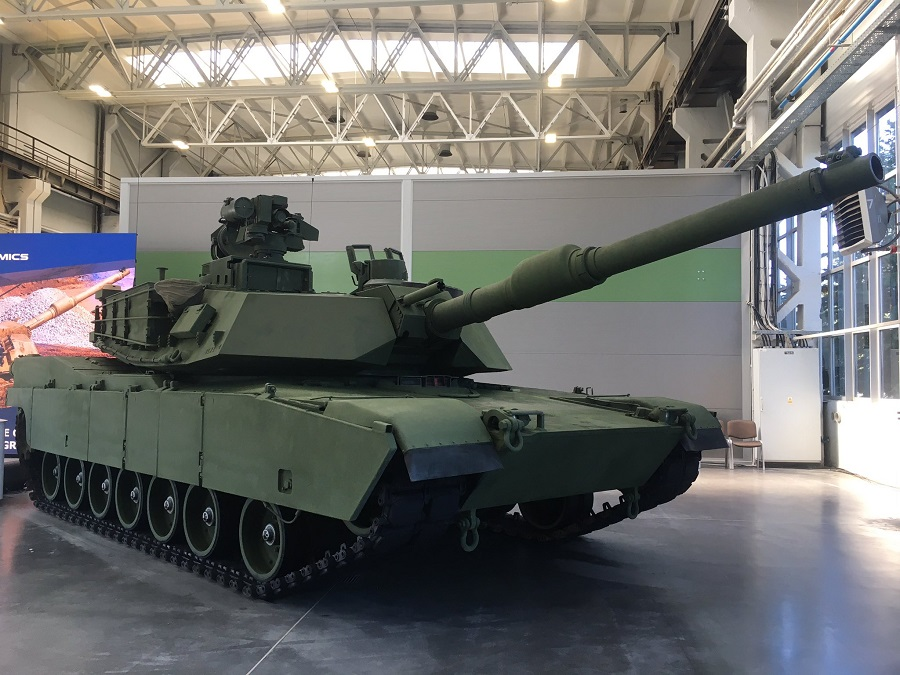
Major General Glenn Dean has put it simply: the Abrams has reached its breaking point. Adding more systems makes it heavier, slower, and harder to maintain. On today’s fast-moving and budget-conscious battlefield, that approach won’t cut it anymore. What’s needed is a design that starts with survivability in mind, not one that treats armor as an endless patchwork.
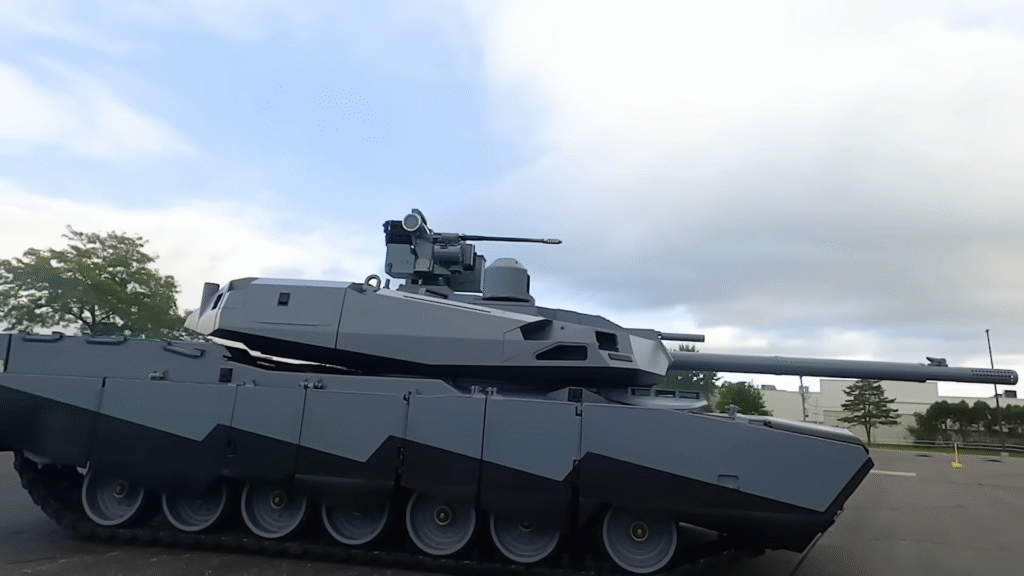
The first big difference with the M1E3 is weight. The Abrams has inched over 70 tons, but the new target is to get it below 60. That’s a radical change, with the promise of more maneuverability, simpler transport, and fewer burdens on logistics. To make it happen, the Army is weighing radical measures such as cutting the crew to three, using an autoloader, or even developing an unmanned turret. Advances in armor technology are enabling weight to be trimmed while still maintaining robust protection.

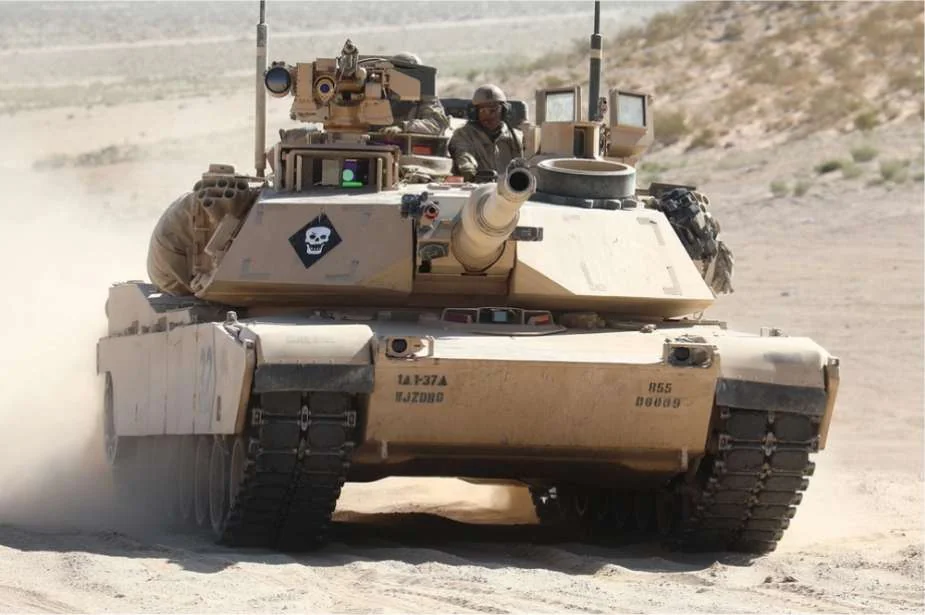
Mobility is also an area of emphasis. The M1E3 is being constructed on a hybrid-electric drive. Aside from conserving fuel, this provides the tank with the capability of traveling without noise and even standing still without radiating to enemy thermal imaging cameras. In a battlefield bristling with drones and sensors, that sort of stealth could spell the difference between survival and a charred hulk.

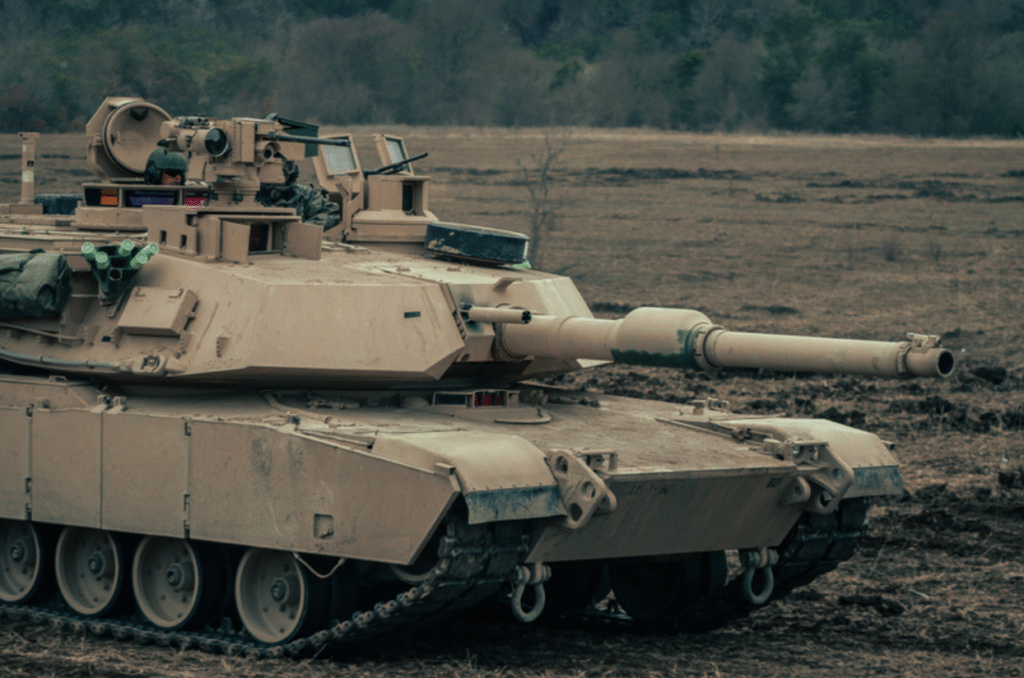
Then there’s artificial intelligence. No longer a buzzword, AI will assist crews in processing data coming in, recognizing threats, and integrating smoothly into the greater digital battlefield. With multiple threats showing up at the same time and mere seconds to respond, decision-support systems driven by AI might be the difference that keeps crews alive.
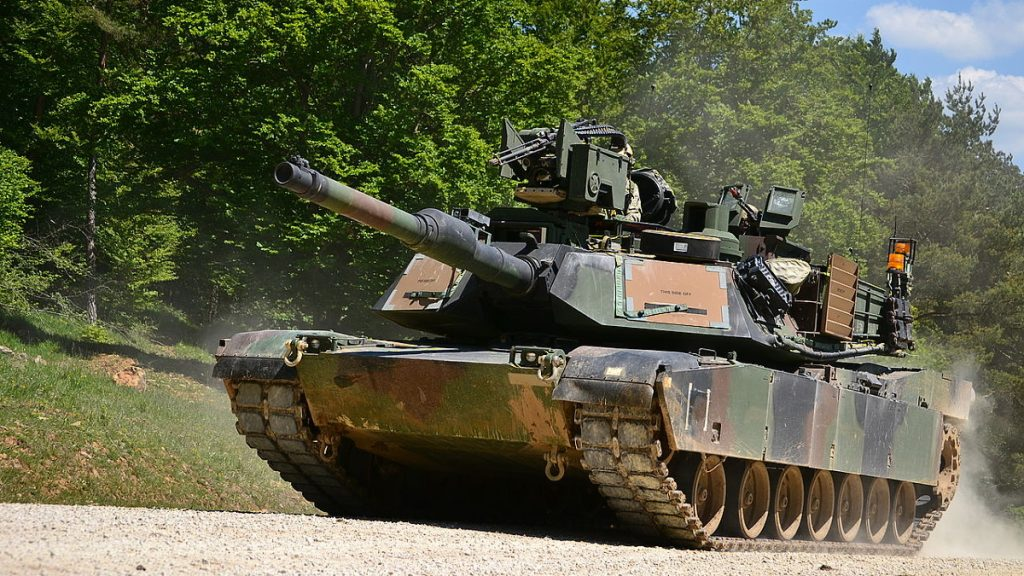
Protection remains important, and the M1E3 is intended to counter the most immediate threats. Modular armor will enable upgrades as new materials become available, and active protection systems will try to swat aside oncoming drones and missiles before they reach their target. These aren’t theoretical additions—they’re specific solutions to vulnerabilities already exposed in action.

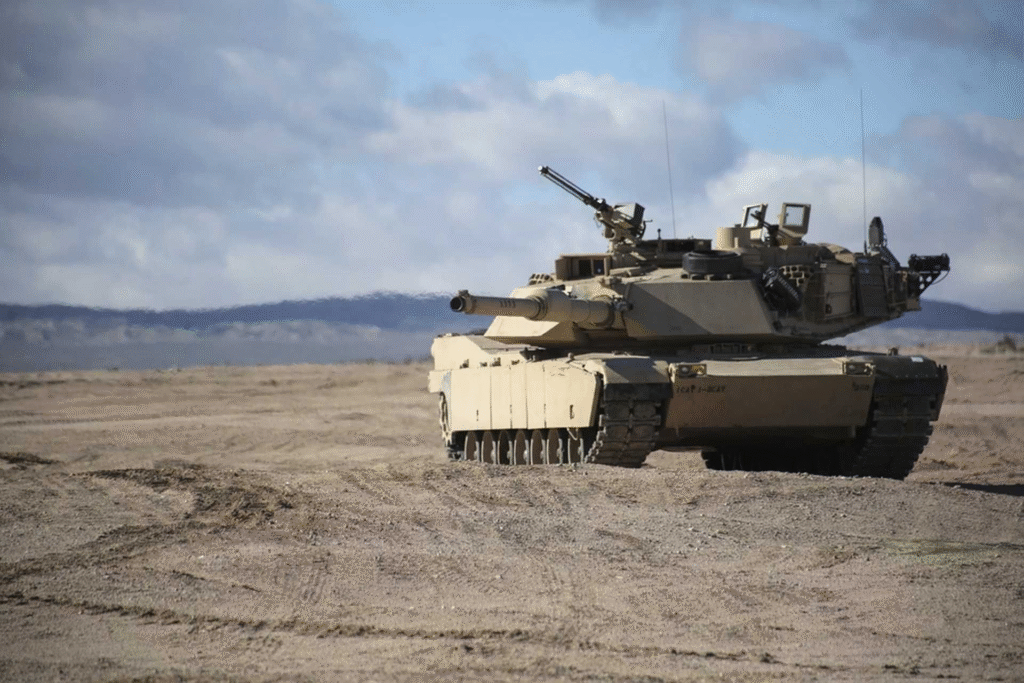
The most dramatic alteration may not even be the tank itself but how it’s being constructed. Military programs are notorious for taking decades, but here, leaders are demanding quickness. When Army Chief of Staff General Randy George learned that fielding the new Abrams could take over five years, he asked the team to halve that. Now the Army is moving more closely in tandem with industry, urging flexibility and rewarding quick fixes. The officials characterize the process as “Lego-like,” combining proven technologies in more intelligent methods rather than reinventing the wheel.
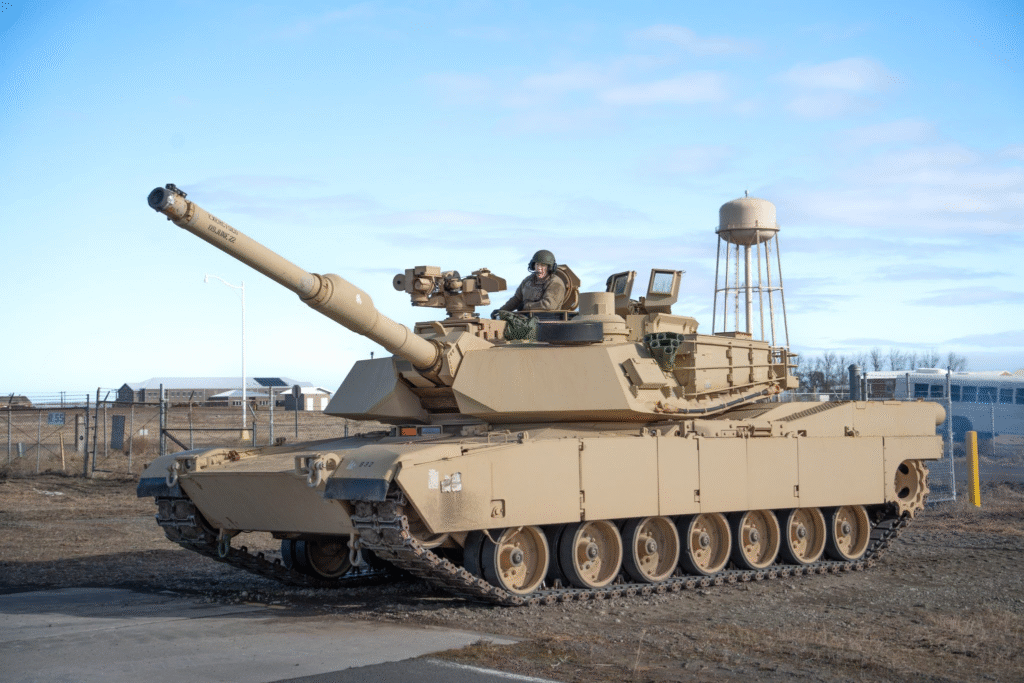
That makes the M1E3 more than simply a new tank—it’s an experiment in how the Army will design weapons going forward. One of the designers of the project, Dr. Alex Miller, even describes it as a “pathfinder” for defense innovation. If the model succeeds, it may establish the tone for how the Pentagon approaches modernization going forward. Naturally, there are problems. Next-generation systems have to be tough enough to withstand war, and a modular format has to remain genuinely upgradable without making maintenance hell. And all this while technology is developing at a speed that doesn’t allow for hesitation.

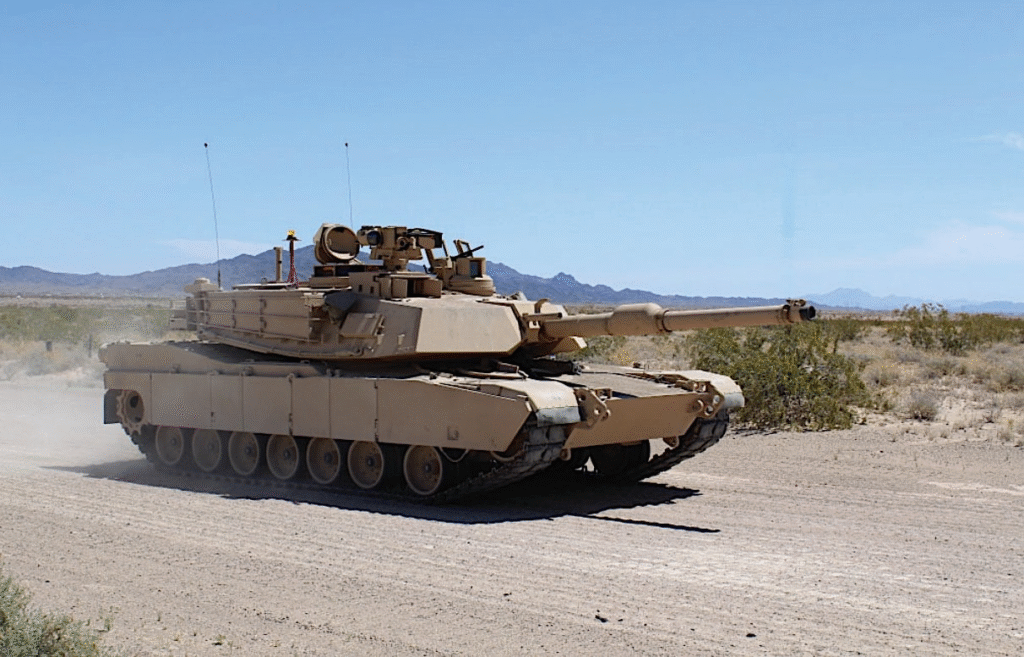
But the Army is not unaware. A recent Army Science Board warning was blunt: unless armored forces become modernized, success in close combat—the fights that decide battles—will be lost. That is why the M1E3 matters. It’s not another tank, but a message that the Army is changing to fight the modern war. The Abrams name can persist, but the vehicle it bears is being transformed into something different—lighter, more intelligent, and designed to fight the wars of today and tomorrow. Whether the Army can extricate itself from bureaucracy and keep up with threats to come is uncertain. But this is sure: the battlefield is evolving quickly. With the M1E3, America is placing its bet on a tank built not only for survival in the age of drones, but for whatever comes next.