
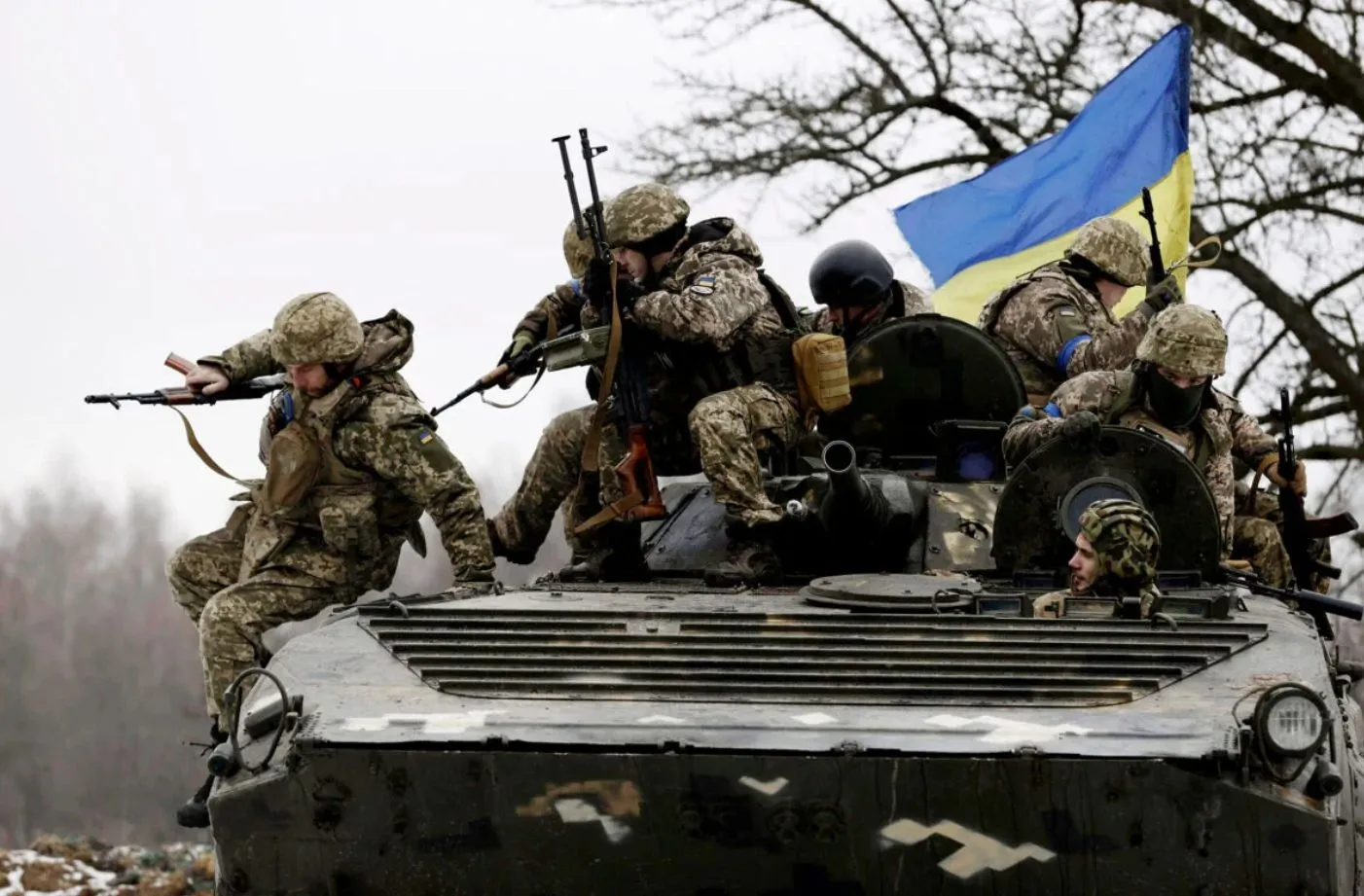

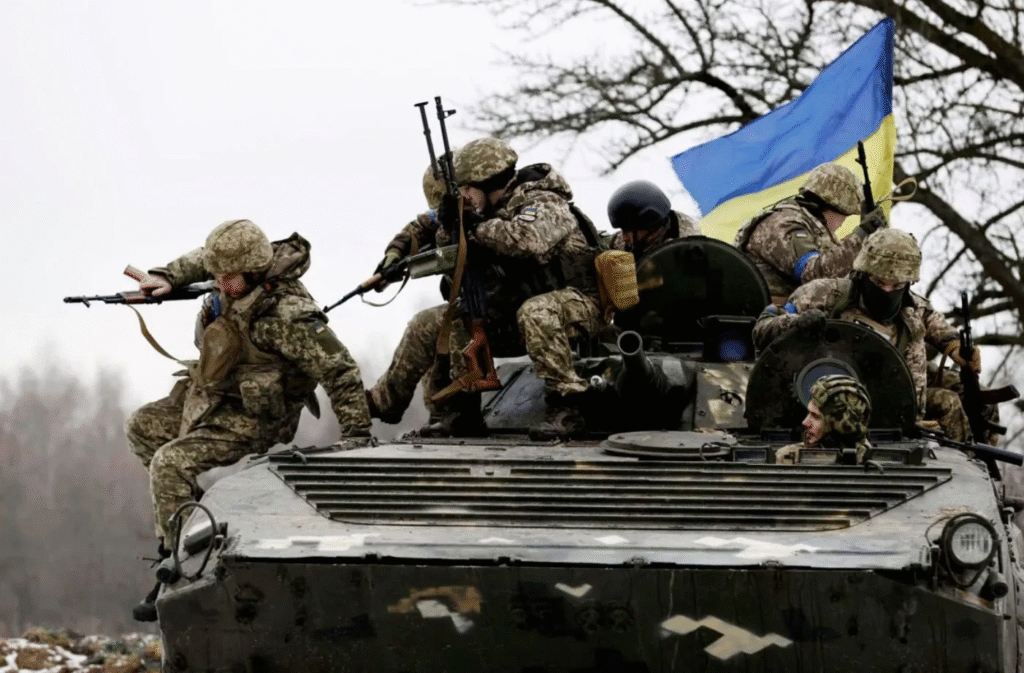
The Ukraine war has reached a perilous new stage, characterized by intensified bombardments, the introduction of more advanced weaponry, and a diplomatic landscape shaken with Donald Trump back in the White House. The battlefield is rapidly shifting, and the waves are being felt far from the horizon of Eastern Europe.

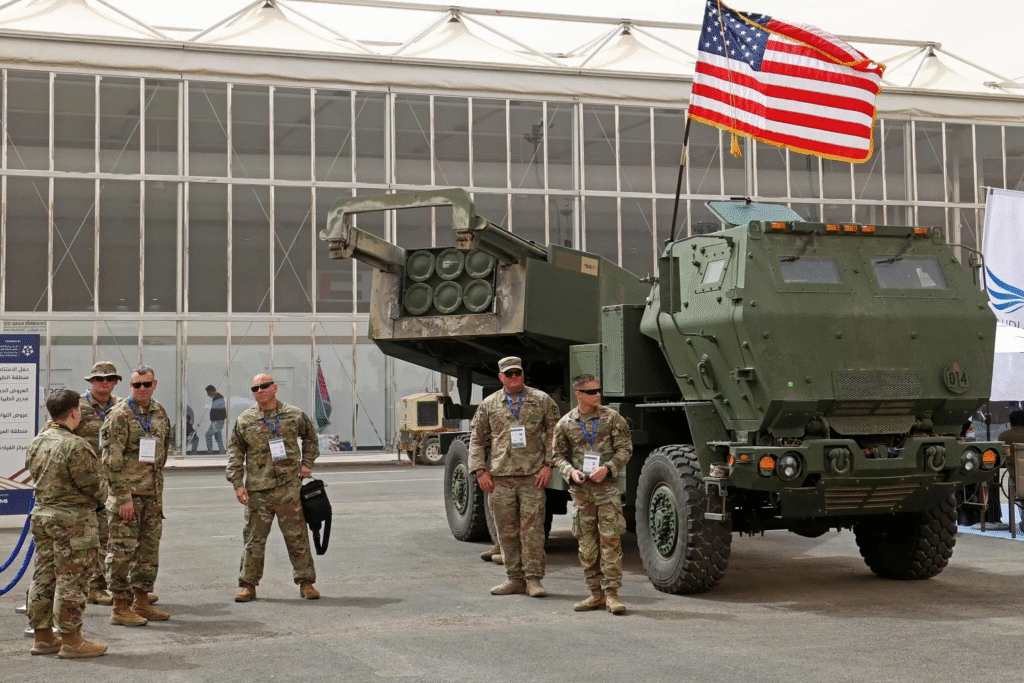
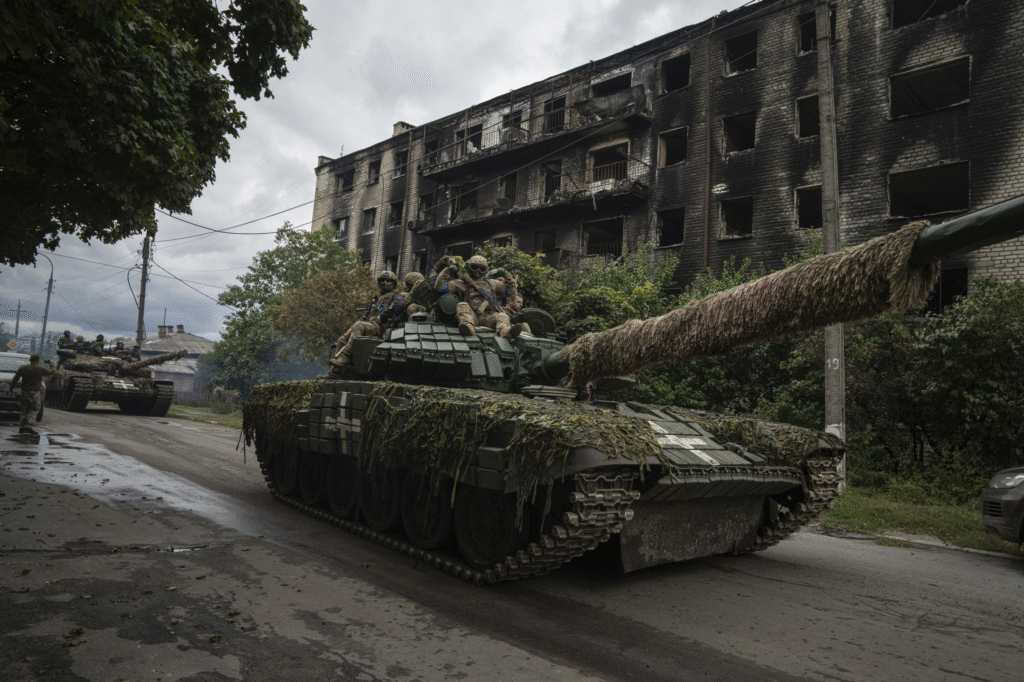
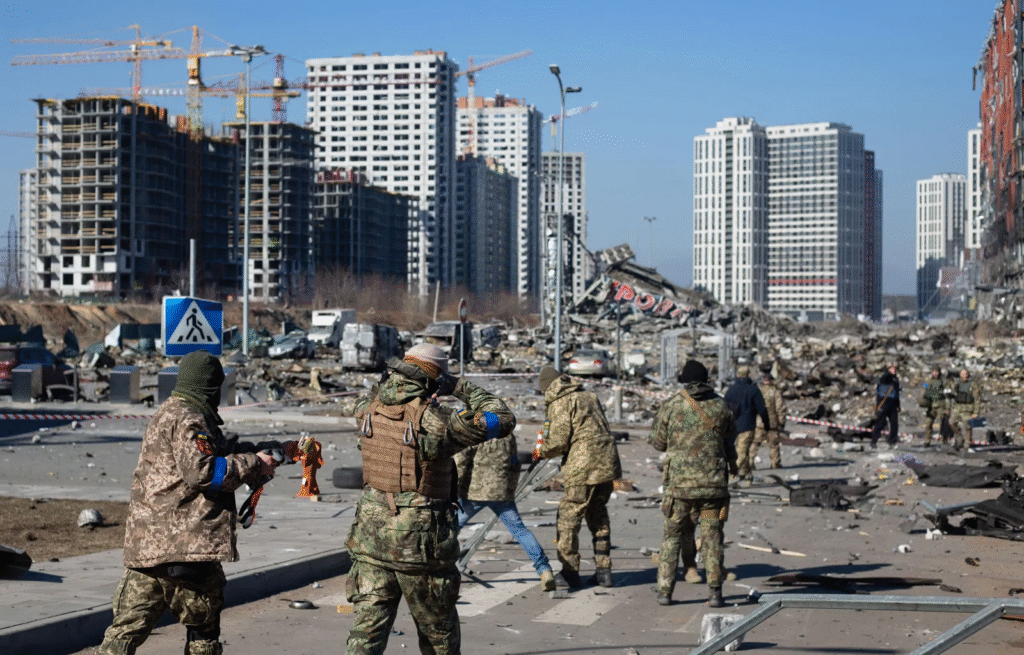
Both Russia and Ukraine have increasingly used long-range missiles and drones with deadly effects on civilians and infrastructure since late 2024. Kyiv, Kharkiv, Dnipro, and Lviv have all been targeted with wave after wave of Russian bombing. Houses, hospitals, schools, and power stations have been left in rubble, and there has been a dreadful human cost. UN monitors said that over 180 civilians were reported dead and over 850 wounded in August alone, one of the most lethal months since the large-scale invasion started. Millions are still displaced, fighting to stay alive with essential services devastated.


The war is now expanding into Russian territory. Russian border areas such as Belgorod, Kursk, and Bryansk have been suffering constant shelling from Ukrainian drones and missiles. Moscow blames Kyiv for deliberately firing at civilian infrastructure, as massive evacuations have raised fears of further broadening the conflict.


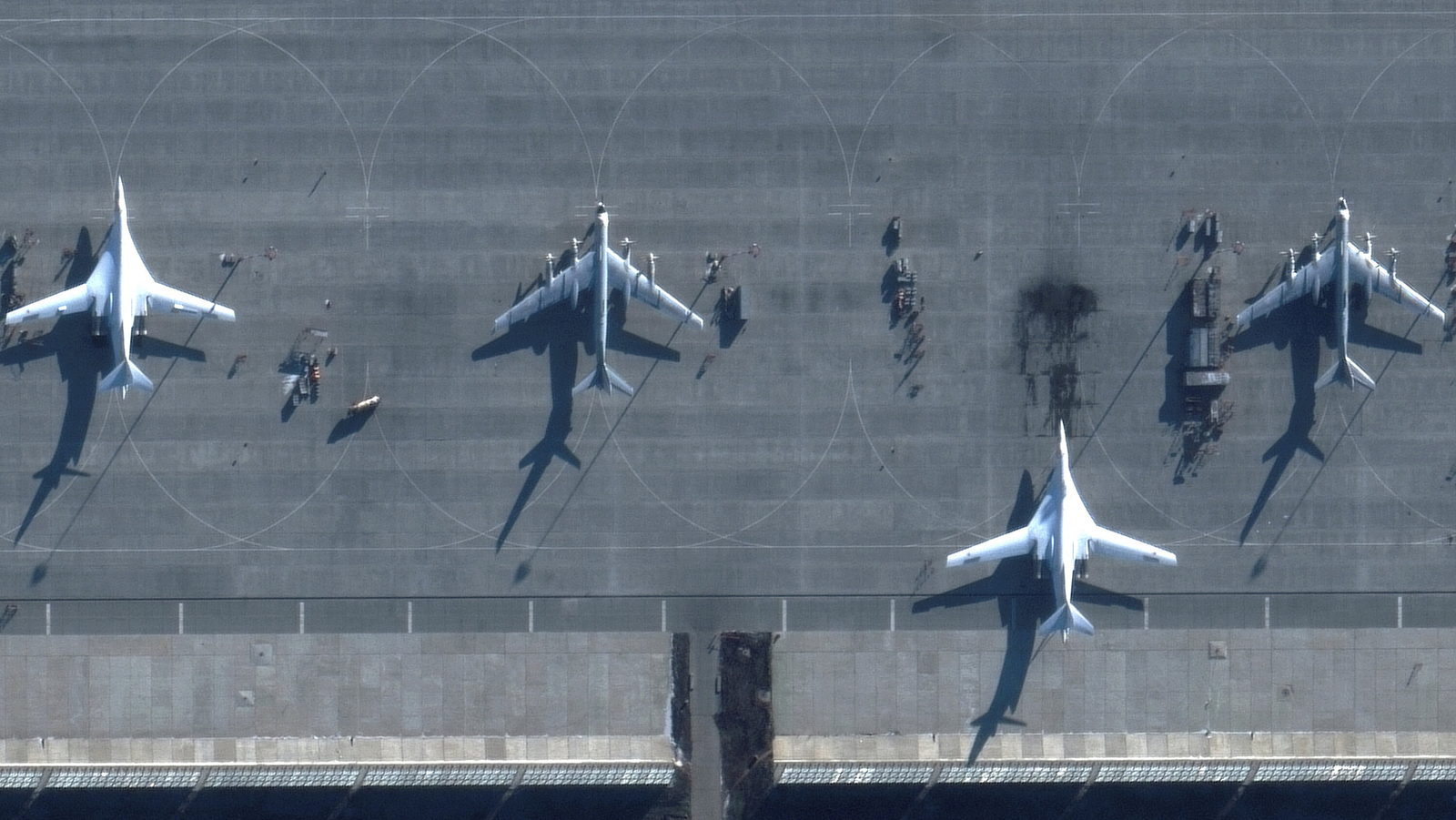
To counter this, President Vladimir Putin has introduced a new generation of intermediate-range missiles that he defines as practically impossible to intercept, and further reduces the threshold for Russia to use nuclear weapons. According to the new doctrine, Moscow can respond with nuclear arms not only to a nuclear attack, but also to a conventional attack perceived as threatening Russia’s sovereignty—or that of its ally Belarus.

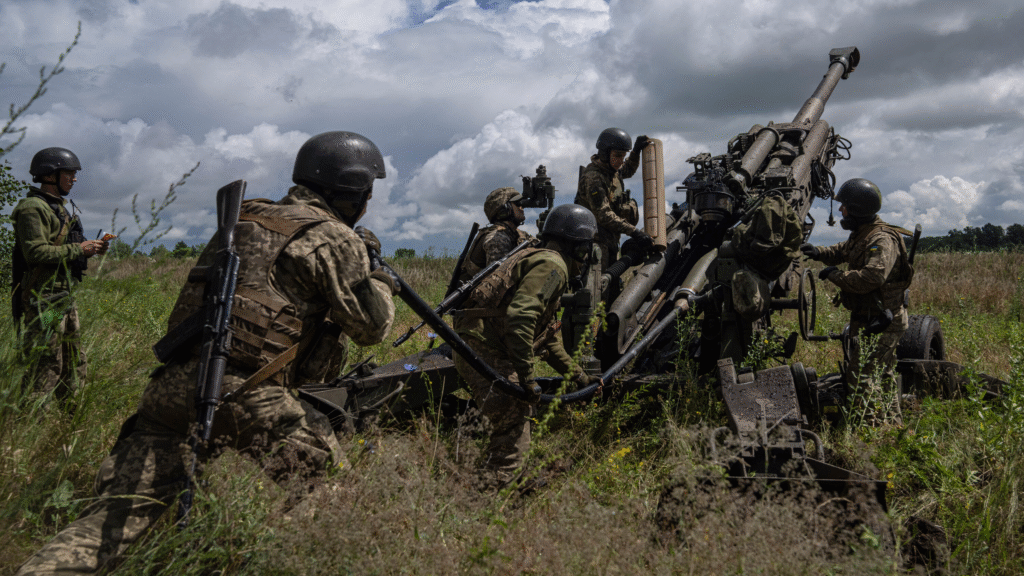
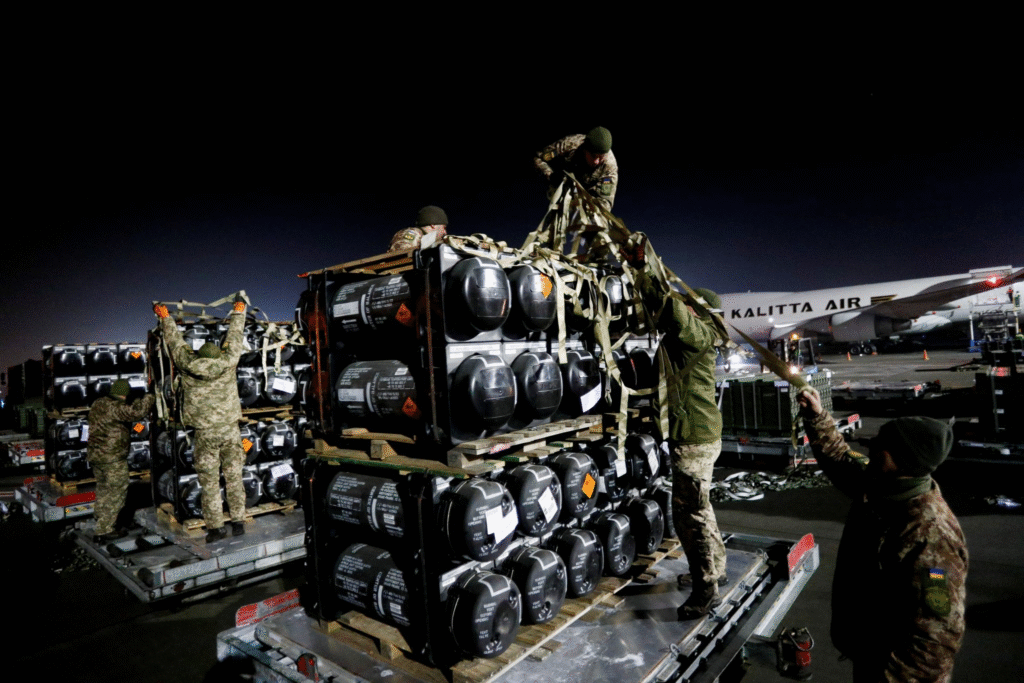
Washington’s role has been a divisive force. In his final days in office, President Joe Biden approved permission for Ukraine to fire American long-range missiles at targets within Russia, which his critics characterized as wildly escalatory. His aides asserted justification after Russia mobilized North Korean fighters onto the battlefield. To Trump supporters, though, it appeared like a conscious bid to wage the war militarily before he became president.

Trump’s second ascent to power only sparked further doubt. During the campaign and since becoming president, he has repeatedly pledged to end the war “within 24 hours,” but still without laying out a particular plan. He has also challenged the level of US military aid to Ukraine and threatened to use it as a bargaining chip in peace negotiations.
Talks with Putin and Zelenskyy have focused on a quick resolution, but Trump has become increasingly angry at Moscow’s refusal to offer concessions. Last week, he gave Putin two weeks to demonstrate a serious interest in peace or else face a “different response” should procrastination continue.
Talks are still at an impasse. Russia insists that Ukraine give up its plans to join NATO and vacate occupied land—terms Kyiv sees as unconditional surrender. President Volodymyr Zelenskyy has responded with a “victory plan” requiring increased Western military assistance and commitment-style security assurances, although persuading allies to support him sufficiently has been a battle uphill. European officials have vowed to go on helping, but admit they do not have the funds required to fully replace shrinking US aid in the event of a worst-case scenario.
While the economic cost rises, the human cost continues to increase. Over 30,000 civilians have been wounded or killed since the war broke out in 2022, and over 14 million need humanitarian aid according to UN statistics. Whole families do not have access to electricity, heat, or sanitation reliably, as Russian bombings disable the energy network. Torture, rape, and arbitrary detention in occupied territories exemplify the brutality of the war and the necessity of accountability.

For the rest of the world, though, the war is a scary proposition of how to assist Ukraine in defending itself without inviting another big war. The UN Security Council continues to be divided, with nations calling for an immediate ceasefire and others declaring that only a fair resolution that will restore sovereignty to Ukraine can bring peace. The G20 has demanded “constructive efforts” towards peace, but the future is stormy.

The war in Ukraine is an experiment in will and political and global security. With weapons of advanced technology on the line, nuclear red lines being rewritten, and US policy in transition, the risks have never been higher. The outcome in the next weeks and months may well determine the balance of power in Europe for decades to come. Until then, uncertainty is the reigning reality—and the agony goes on.