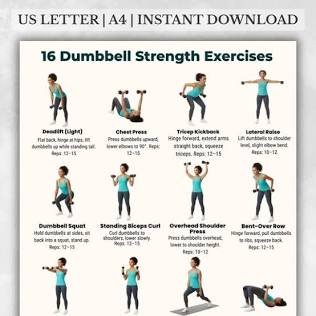
Starting a strength training program is one of the most effective ways to boost your metabolism, build functional muscle, protect your joints, and improve your overall health. Whether your goal is of fat loss, muscle gain, or simply moving better in daily life, mastering the basics ensures consistent, long-term success without burnout or injury.
5 Health Benefits of Strength Training
Before diving into the exercises, understanding why strength training works helps to keep your motivation higher:
- Increases Resting Metabolic Rate: Muscle tissue burns more calories while resting than fat tissue, supporting sustainable body composition management.
- Strengthens Bone Density: Resistance exercise stresses bones in a healthy way, triggering osteoblasts to build stronger bone structure.
- Improves Joint Stability: Strengthening the muscles around key joints such as knees, hips, shoulders etc. reduces chronic pain and risk of injury.
- Enhances Insulin Sensitivity: Physical contraction of muscle tissue helps your body to clear glucose from the blood vains more efficiently.
- Boosts Mental Clarity & Mood: Resistance training triggers the release of endorphins and reduces stress hormones such as cortisol.
The 5 Foundational Body Movement Patterns
To build a better balanced body, every beginner strength training routine should revolve around five primary body movement patterns rather than isolated muscle groups:
Squat (Quad Dominant): Sit back into the hips while keeping chest high such as Goblet Squat, Bodyweight Squat etc.
Hinge (Posterior Chain): Bend at the waist with a neutral spine to work glutes and hamstrings such as with Romanian Deadlift, Glute Bridge etc.
Push (Chest & Shoulders): Press weight away from your body vertically or horizontally such as Push-Up, Dumbbell Shoulder Press etc.
Pull (Back & Biceps): Pull weight toward your body including Dumbbell Single-Arm Row, Lat Pulldown etc.
Carry/Core (Stability): Resist rotation or flexion through your body midsection such as Plank Hold, Farmer’s Carry.
3-Day Full-Body Workout Routine for Beginners
Perform this routine of 3 days per week on non-consecutive days such as on Monday, Wednesday, Friday to allow adequate energy recovery time between sessions.
Exercise: Goblet Squat (or Bodyweight), Primary Muscles: Quads, Glutes, Sets: 3, Reps: 8 to 10, Rest Period: 60 sec
Exercise: Dumbbell Single-Arm Row, Primary Muscles: Upper Back, Lats, Sets: 3, Reps: 10 per side, Rest Period: 60 sec
Exercise: Incline or Standard Push-Up, Primary Muscles: Chest, Shoulders, Triceps, Sets: 3, Reps: 8 to 12, Rest Period: 60 sec
Exercise: Dumbbell Romanian Deadlift, Primary Muscles: Hamstrings, Glutes, Sets: 3, Reps: 10 to 12, Rest Period: 60 sec
Exercise: Plank Hold, Primary Muscles: Core, Abdominals, Sets: 3, Reps: 30 to 45 sec, Rest Period: 45 sec
How to Apply Progressive Overload Increasing with Safely
Your body adapts to stress. To keep making progress, you must go with routine progressive overload, gradually increasing the demand placed on your muscles over the period of time.
As a beginner, you can achieve progressive overload in three main ways:
Increase Resistance: Add 2.5 to 5 lbs once you complete all sets with ease.
Increase Volume: Move from 8 repetitions per set up to 12 repetitions.
Improve Control: Slow down the descent ie. eccentric phase of each body movement to increase time under tension.
Mos Important Frequently Asked Questions (FAQ) related to Strength Training
How many days a week should a beginner strength train?
Beginners can achieve better results by doing regular strength training for 2 to 3 days per week. This frequency provides enough stimulus to trigger muscle adaptation while allowing 48 hours of recovery between sessions.
Can you lose weight with strength training only?
Yes, Strength training helps to retain healthy muscle mass while operating in a caloric deficit, ensuring that the weight lost comes primarily from body fat rather than muscle tissue.
Should I do cardio or strength training first?
If your primary health goal is of building strength or better muscle tone, do strength training first while your energy levels are high. If your goal is endurance, perform cardio first.
strength training for beginners, full body strength workout, beginner strength training routine, strength training at home, how to start strength training

Prashant is a Blogger at Gymbag4u.com, He is a Social Media Journalist, Financial Professional & Fitness Enthusiast associated with Gymbag4u.com since 2018,