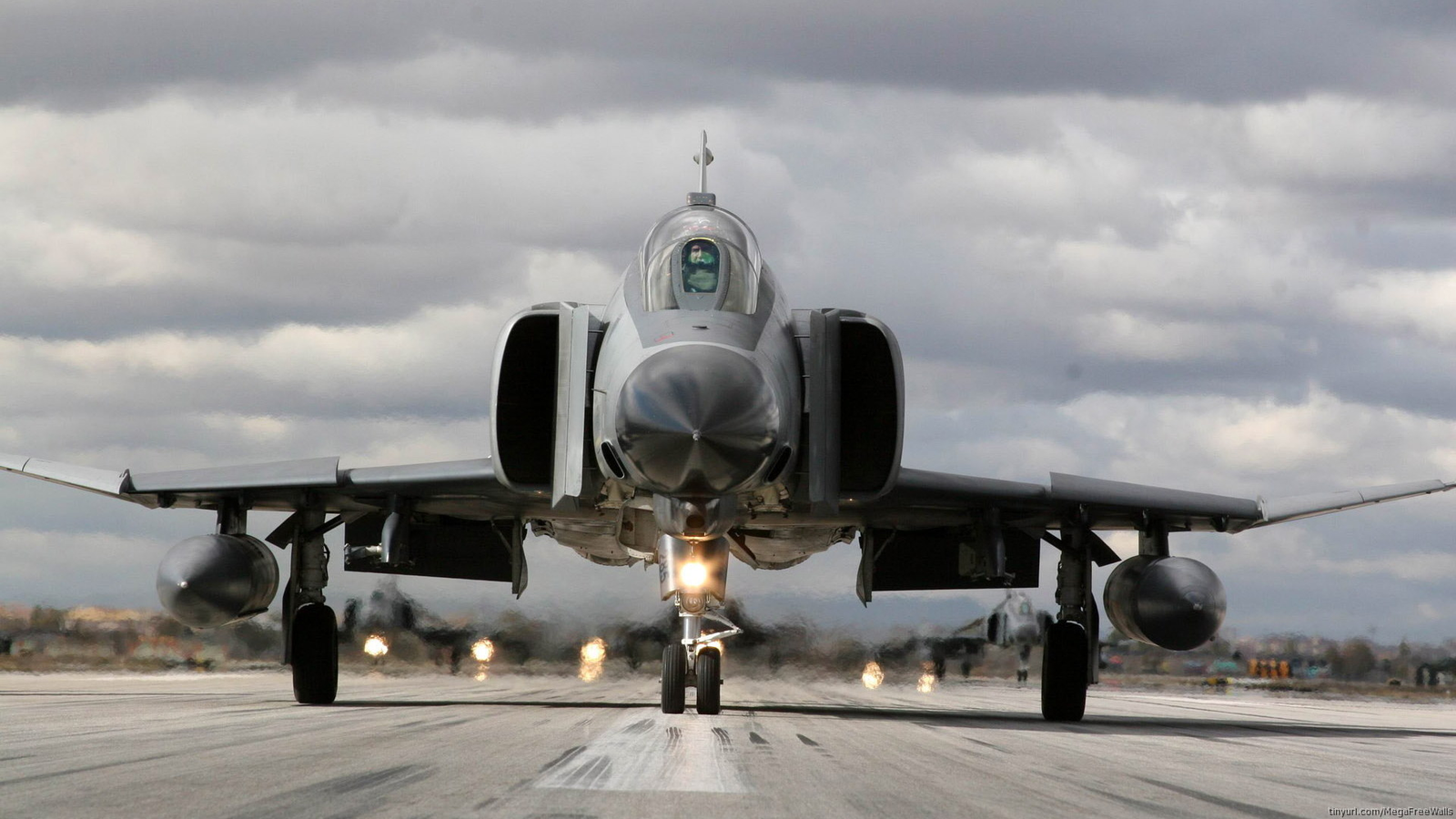
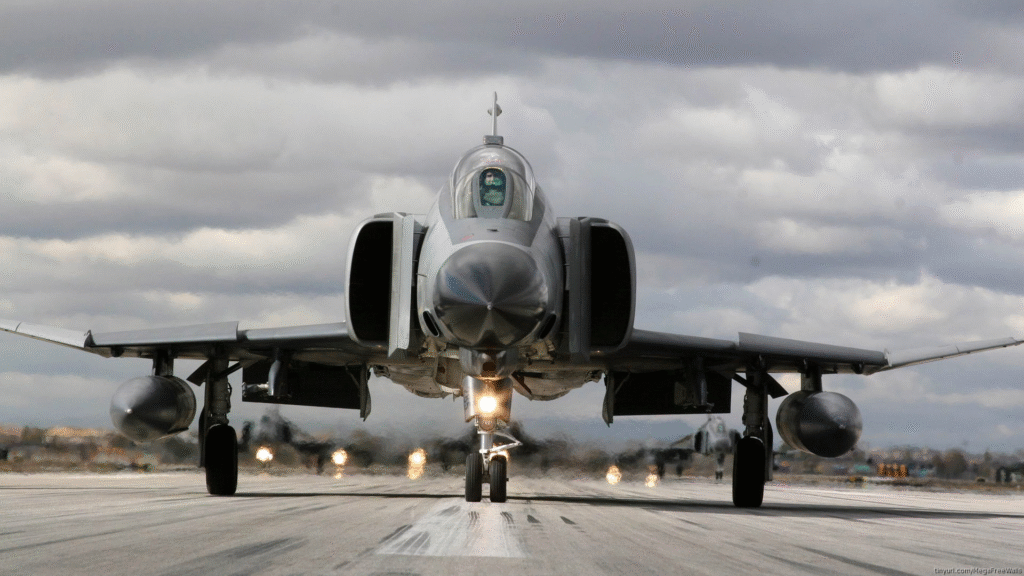
The F-4 Phantom II is more than just a Cold War fighter—it’s a legend that left its mark on aviation history. With its twin engines, two-seat layout, and unmistakable silhouette, the Phantom became a familiar sight on carrier decks and airbases from the early 1960s through the closing years of the 20th century. It wasn’t merely a product of its era; it was an emblem of flexibility, raw power, and the ever-present competition to be one step ahead of the air threats.
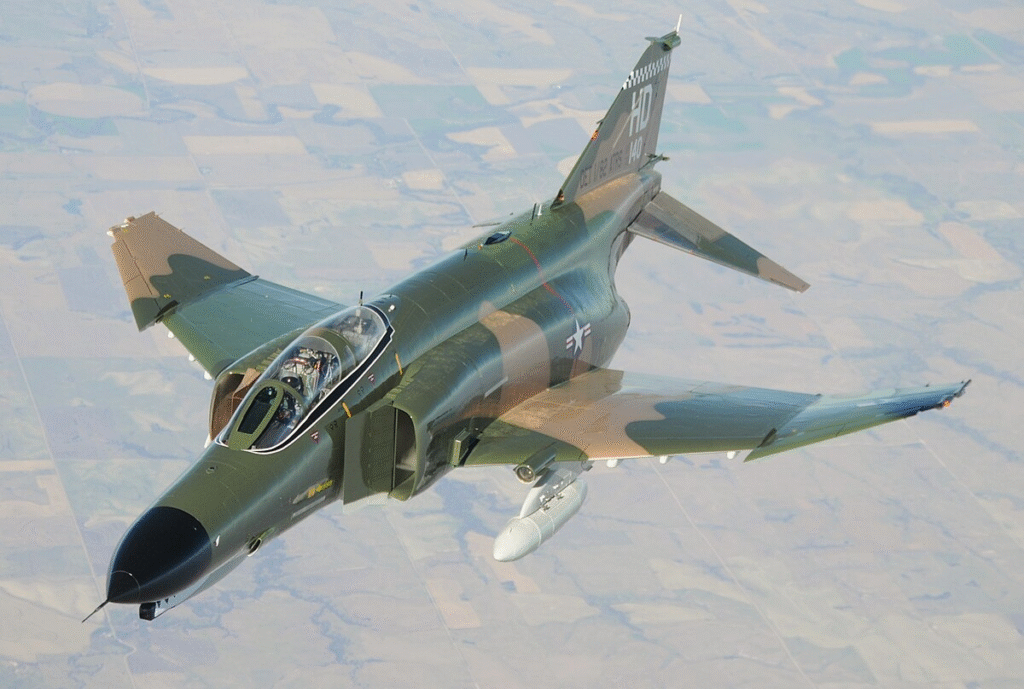
When McDonnell Aircraft originally set about creating the Phantom, it was to be an interceptor fleet defense for the U.S. Navy. But what they created was much more versatile. Propelled by two thunderous General Electric J79 engines, it was able to shoot past Mach 2.2, making it among the fastest jets of its time. Its long nose, swept tailplanes, and upswept wingtips weren’t merely cosmetic features—they provided it with stability and control during high-speed flight.
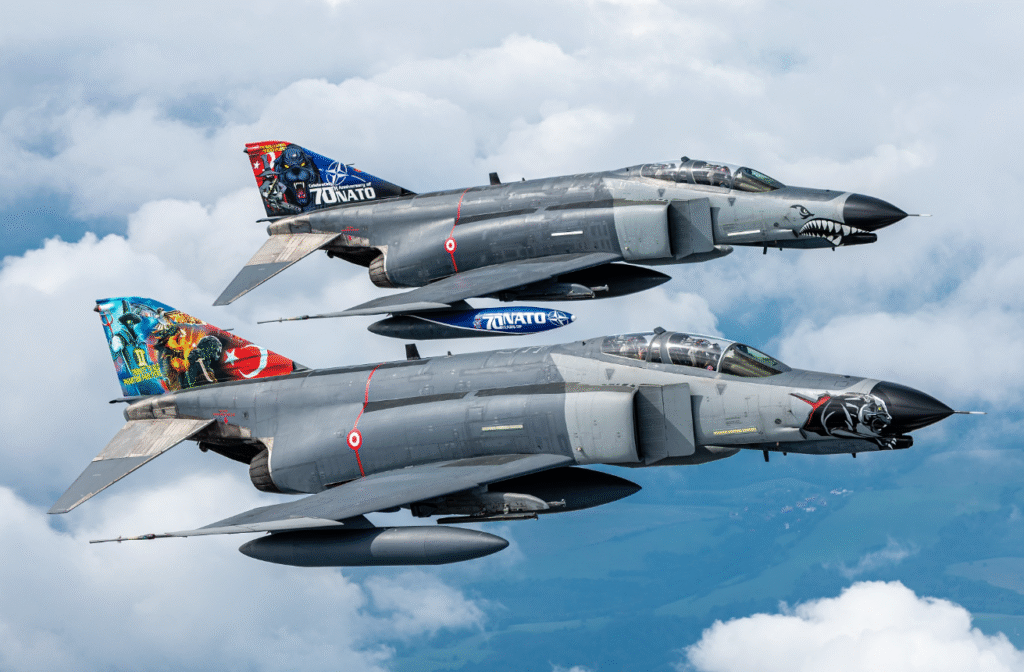
Beauty was not necessarily its forté—gaining nicknames such as “double-ugly”—but for those who operated it, the Phantom’s strength and dependability were handsome in their way.
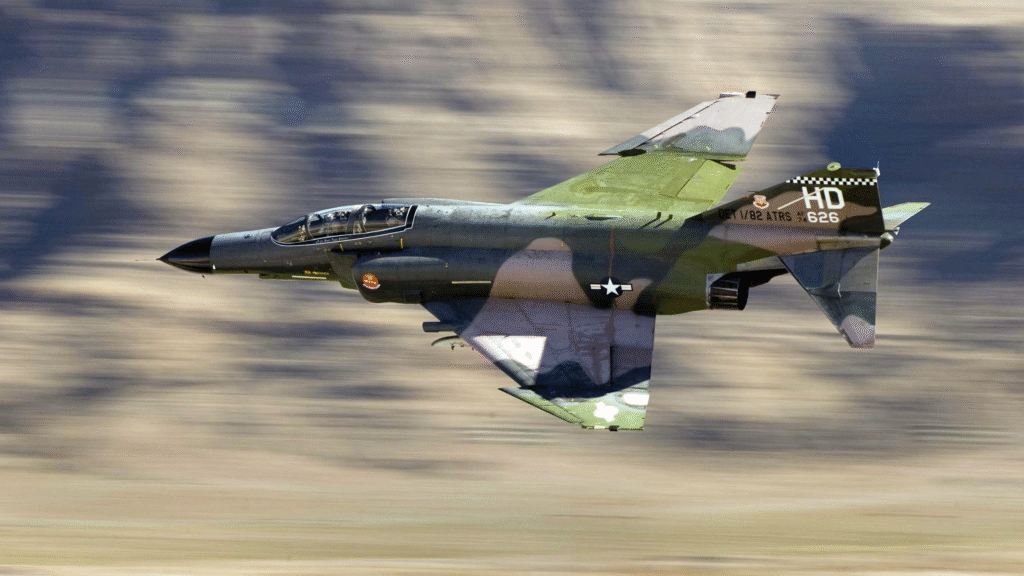
The aircraft rapidly gained acceptance in all branches of the U.S. military and many allied air forces. In Vietnam, it was an actual workhorse, performing a diverse range of missions during an ever-evolving combat situation. Early versions did not have an internal gun, depending solely on missiles—a decision that proved to be a disadvantage against smaller, agile foes in close combat.
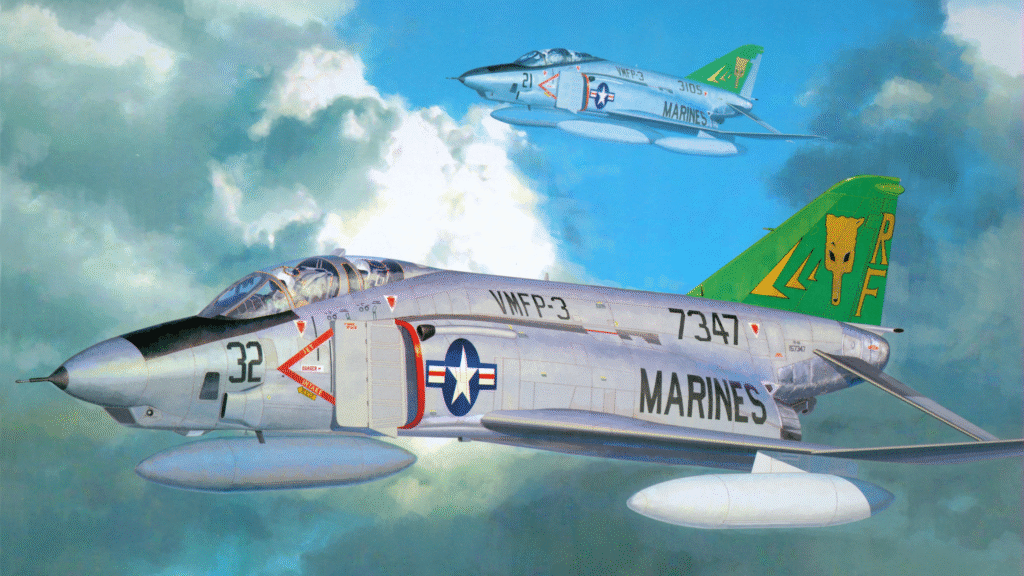
Missile technology at the time was still far from ideal, particularly in the moist, uncontrolled environment of Southeast Asia. Pilots, as time went on, learned to work to the Phantom’s advantages—its speed, rate of climb, and heavy armament load. The subsequent F-4E model remedied one of its largest weaknesses by incorporating an internal gun, significantly enhancing its close-range performance.
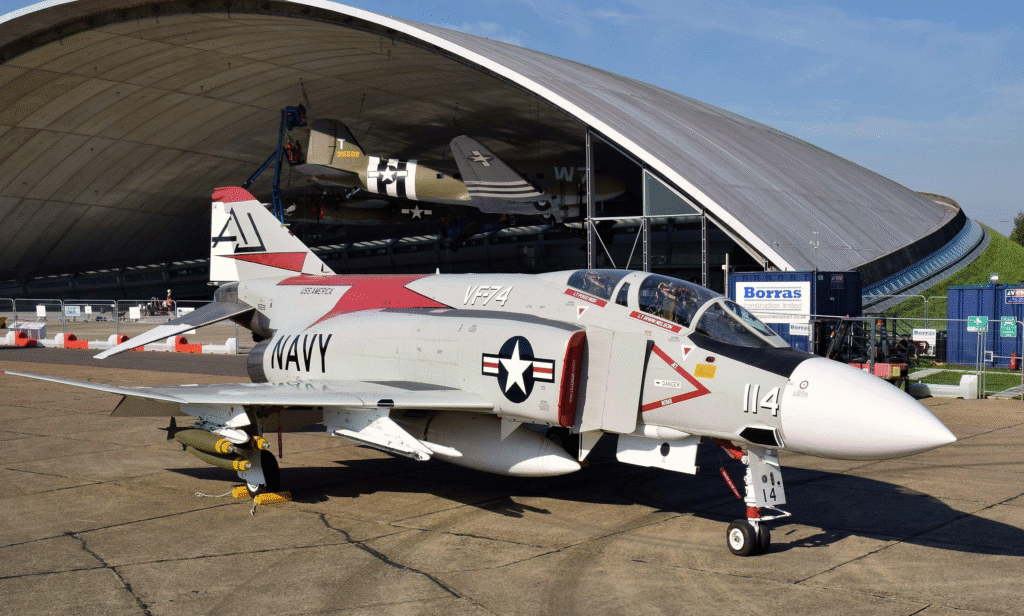
Vietnam also taught a tough lesson in weapon versatility. Beyond-visual-range missile shots were unusual because of tight visual ID procedures and limitations of onboard radar. Crews discovered that the performance of radar-guided AIM-7 Sparrow missiles depended as much on tedious maintenance work as on flying ability.
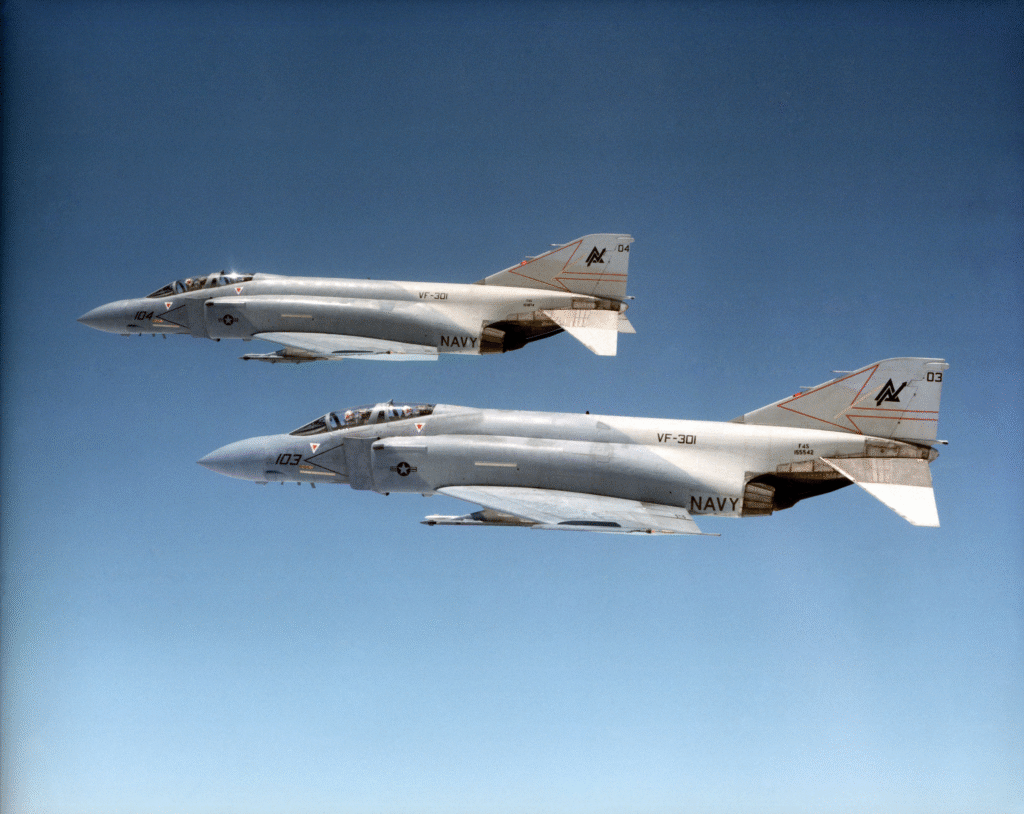
With jungle weather, close engagement ranges, and high-speed targets, many pilots reverted to a combination of missiles and guns to do the trick.
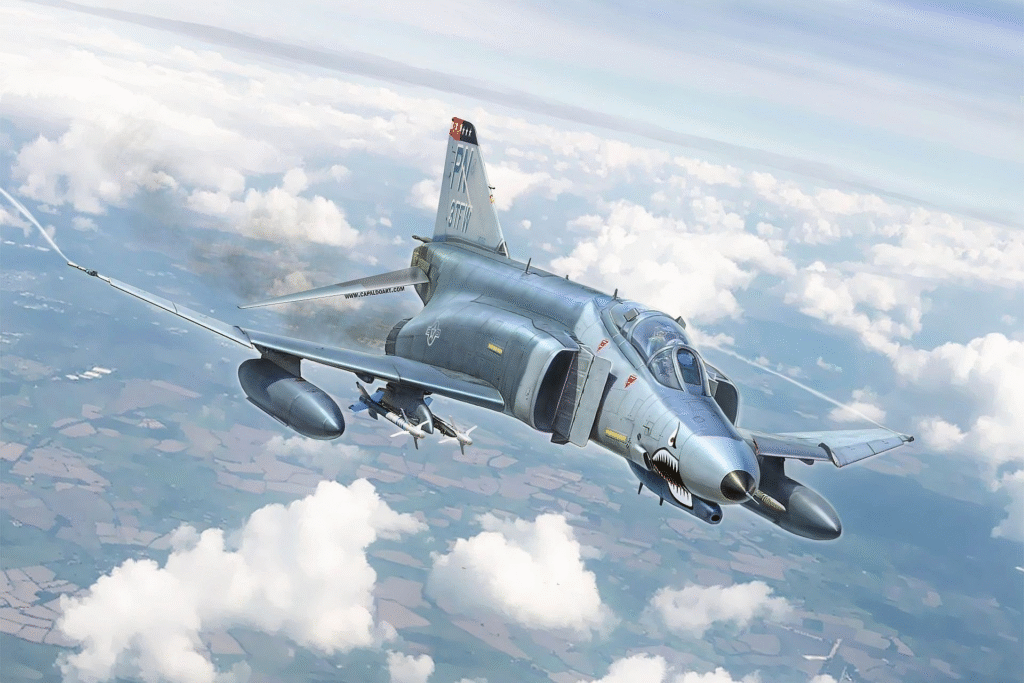
One of the Phantom’s most dramatic changes was through the F-4G Wild Weasel program. Assigned the high-risk mission of destroying enemy air defenses, these Phantoms were equipped with anti-radar missiles and sophisticated electronic warfare equipment.
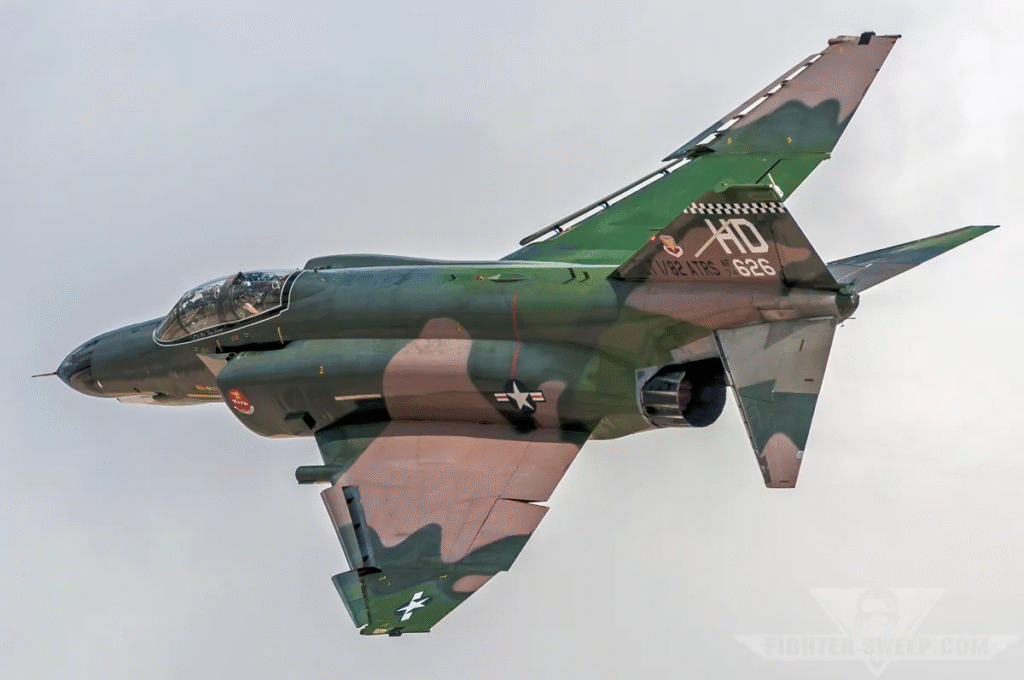
They honed the skill of tracking down surface-to-air missile installations, paving the way for strike planes. From the later years of Vietnam to the desert skies over Iraq in Operation Desert Storm, Wild Weasel crews established a reputation for skill, bravery, and doing the job against some of the worst threats of modern air combat.
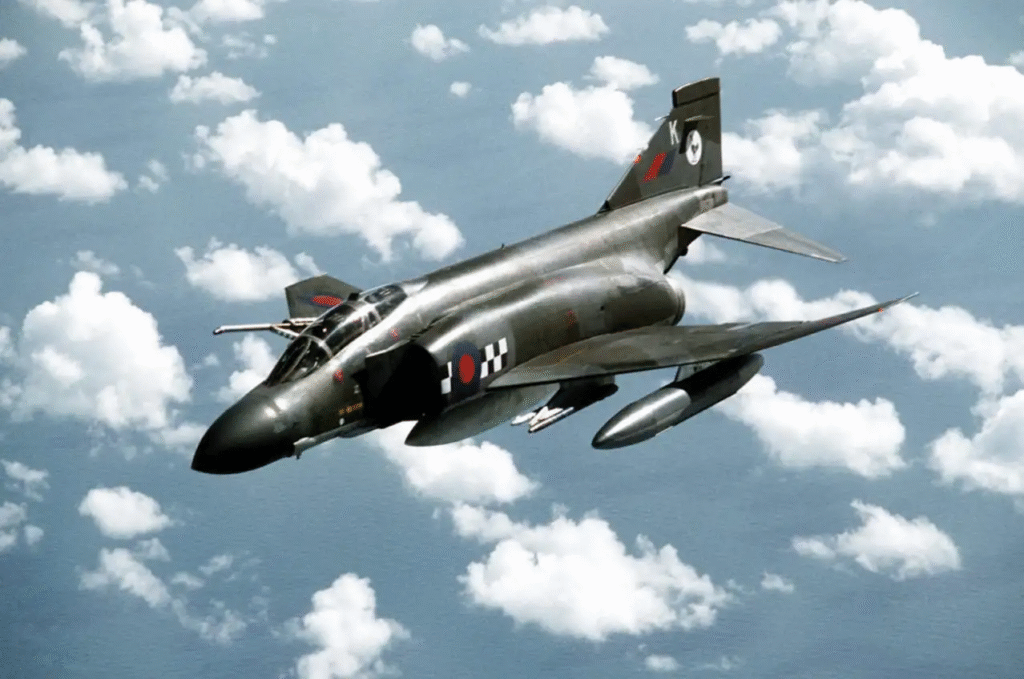
Even after it retreated from front-line duty, the F-4 continued to make its mark. It broke speed and altitude records, had an impact on the design of subsequent jets such as the F-14 Tomcat and F-15 Eagle, and flew on in training and test configurations. In its later years, it even served as a target drone—testament to the strength and versatility of the airframe until the very end.
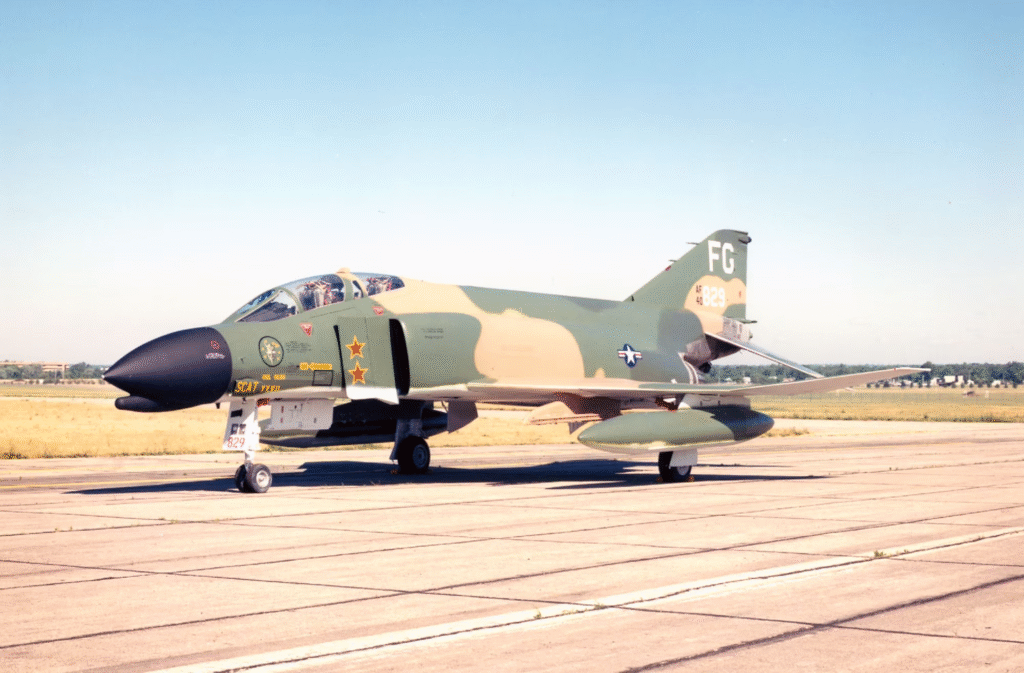
The Phantom’s history is one of relentless change, influenced by battle experience, advances in technology, and the intimate cooperation between man and machine. Its thunder can no longer be heard across the skies, but its legacy can still be felt in every contemporary fighter that takes to the skies today. In large part, the Phantom flew not so much into history as it assisted in writing it.