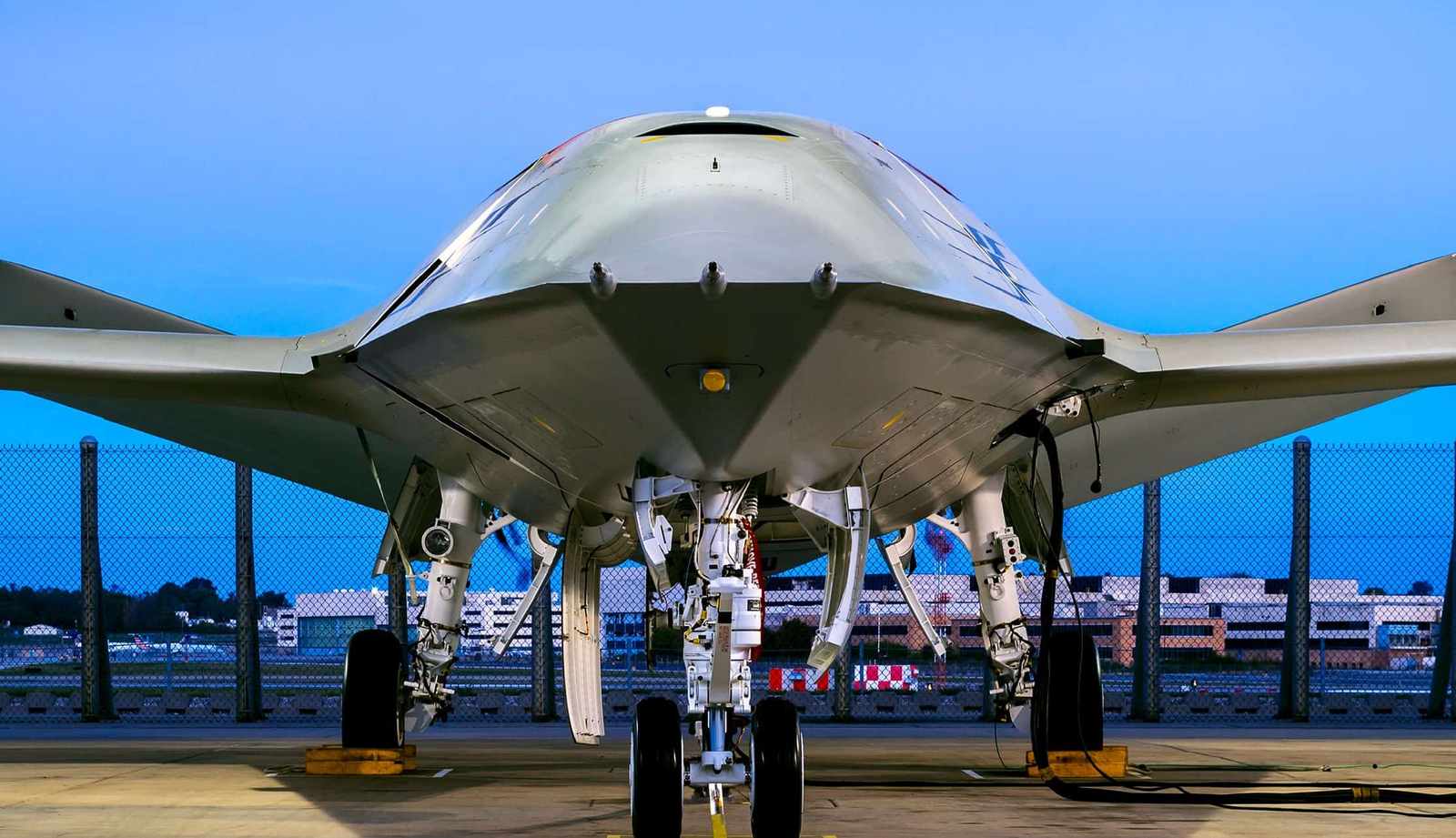

Naval aviation is undergoing one of its most significant changes in decades, and at the center of this transformation stands the MQ-25 Stingray, the U.S. Navy’s first carrier-based unmanned aerial refueling drone. Aircraft carriers have been the embodiment of American power projection for decades. Still, they have so far depended solely on manned aircraft to carry out crucial support missions, such as in-flight refueling. The MQ-25 defies that math, ushering in a new age where unmanned systems don’t augment—they redefine the way carrier air operations are conducted.

The Stingray drew the public eye in June 2021, when a test aircraft built by Boeing successfully refueled a Navy F/A-18 Super Hornet during flight. The test, which took place across Illinois, was not merely a technological achievement—it was an unequivocal demonstration of how unmanned aircraft are able to integrate with manned vehicles.

The Super Hornet trailed by a mere 20 feet behind the MQ-25, keeping formation through dry and wet contacts while being refueled. This was more than proof of concept; it was physical evidence that the drone was able to perform safely and reliably in real-world conditions.

Though the MQ-25’s fundamental mission is to extend the range of aircraft based on carriers, its influence extends much farther than just logistics. Rear Adm. John Meier, Commander Naval Air Force Atlantic, referred to it as “revolutionary” for its impact on the Air Wing of the Future. By assuming the fueling mission formerly performed by F/A-18s, the Navy can reallocate those planes to strike and combat missions, increasing firepower, enhancing operating reach, and enhancing overall effectiveness without having to add pilots or planes.

A careful buildup was needed to introduce an unmanned plane onto a busy carrier deck. Engineers first tested the MQ-25 at Chambers Field in Norfolk, flying it down lines drawn on mock carrier decks with remote controls. Those drills translated into live demonstrations aboard the USS George H.W. Bush, demonstrating that the drone can fly safely and effectively in the closely orchestrated setting of a carrier deck.

The MQ-25 is so much more than a single aircraft; it is the beginning of the Navy’s vision of a networked, hybrid force integrating manned and unmanned platforms. It is the manifestation of the emerging concept of manned-unmanned teaming, wherein human pilots and autonomous systems act as an integrated unit.

Defense analyst Heather Penney of the Mitchell Institute indicates that future triumph won’t be dependent on sophisticated machines—it will be based on systems where operators and drones know and support one another. Programs such as the Two View Autonomy Framework are working to bridge the divide between operators and engineers as autonomy becomes a key component of naval aviation.

Since Boeing secured the development contract in 2018, the MQ-25 program has advanced rapidly. In addition to refueling an F/A-18, the aircraft has proven to service an F-35C and an E-2D Advanced Hawkeye, highlighting the versatility of the aircraft across several platforms. The Navy is determined to place the MQ-25 into operational status as soon as possible, particularly with potential adversaries working on systems that can seek to counter U.S. carrier supremacy in high-threat areas.

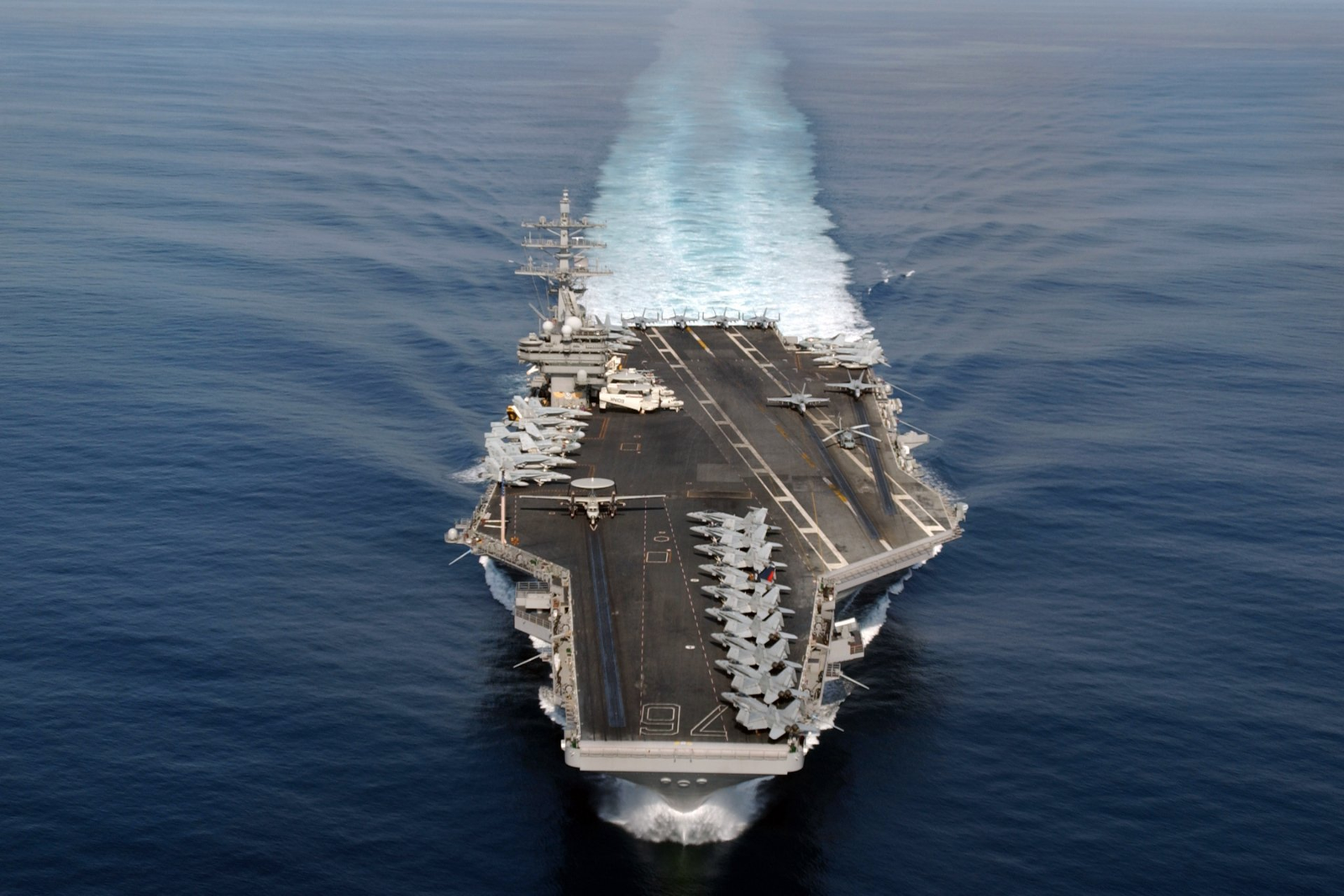
Using MQ-25 unmanned aircraft on Ford- and Nimitz-class carriers will revolutionize the way the Navy extends airpower. By flying strike aircraft out to refuel in mid-air, aircraft can strike targets farther away from the fleet without flying into enemy defenses.

Perhaps more importantly, the Stingray paves the way for future unmanned systems—ranging from surveillance drones to autonomous strike aircraft and loyal wingmen—to increase the Navy’s reach.

Each lesson learned from the MQ-25, whether technical, tactical, or procedural, moves us closer to reimagining naval aviation for the challenges of the future. In a world where speed, accuracy, and stealth matter most, unmanned platforms such as the MQ-25 are no longer second bananas—they are becoming lead actors on the mission.