
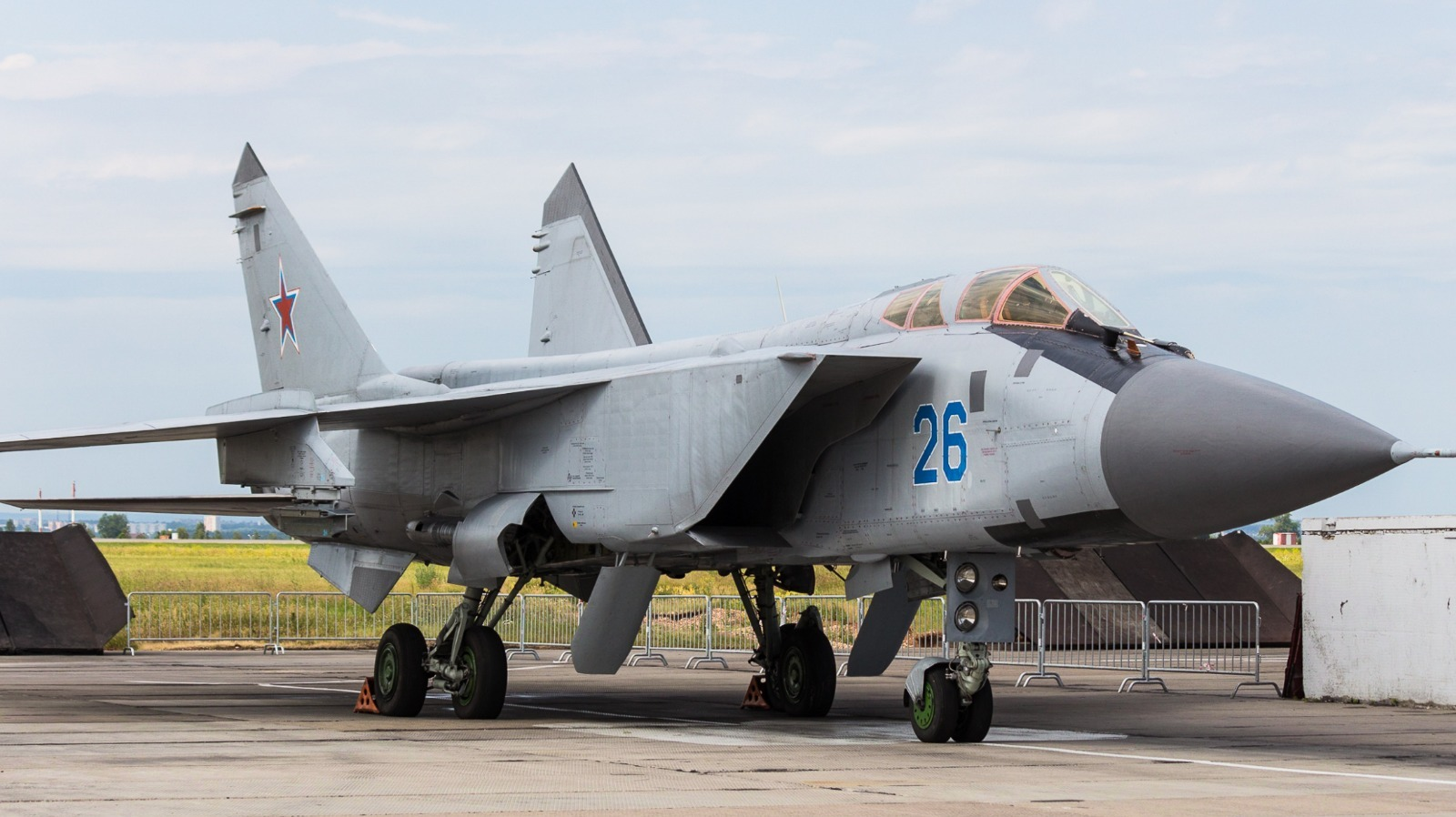

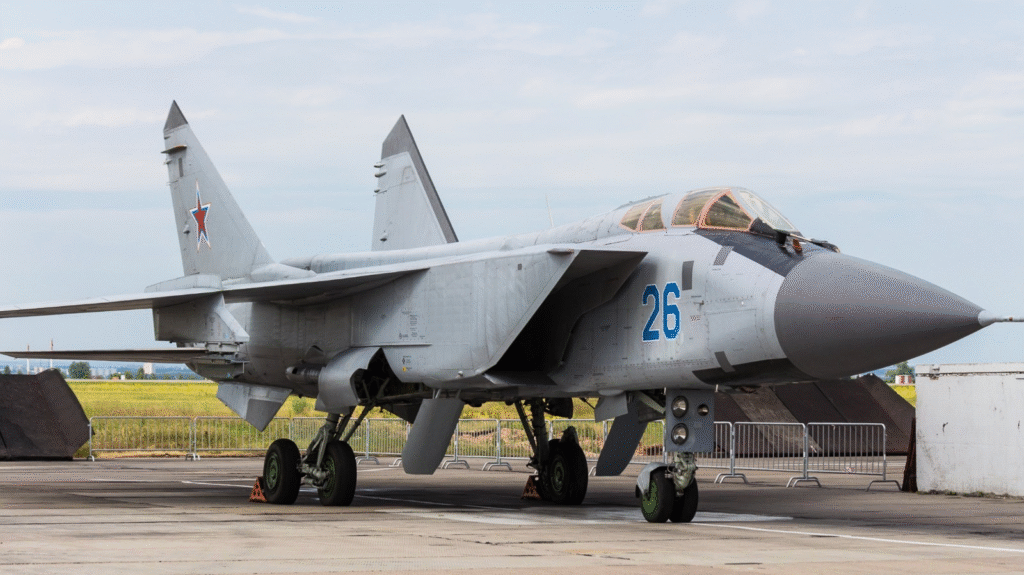
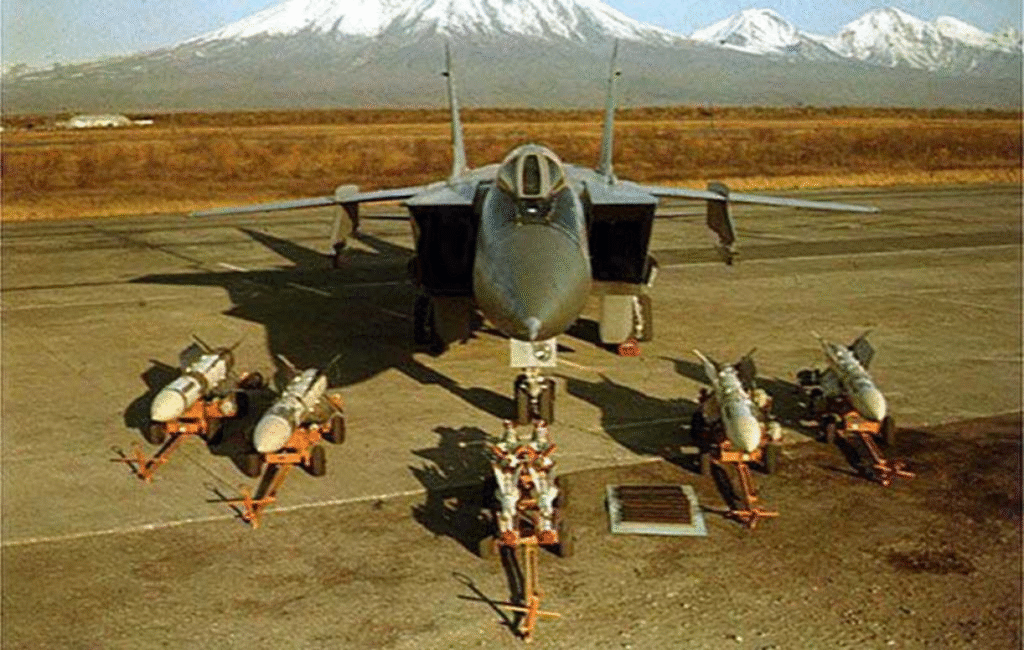
Picture an aircraft so quick it could graze the boundary of space, blast satellites out of the sky, and even fire lasers in mid-air. That’s the kind of tale usually heard about Russia’s enigmatic MiG-41. Formally known as the PAK DP, it has been characterized as the successor to the legendary MiG-31 Foxhound, but everything said about it thus far sounds more science fiction than reality. Despite all the hype, however, there is virtually no evidence that the MiG-41 is anything other than a paper concept with big dreams.

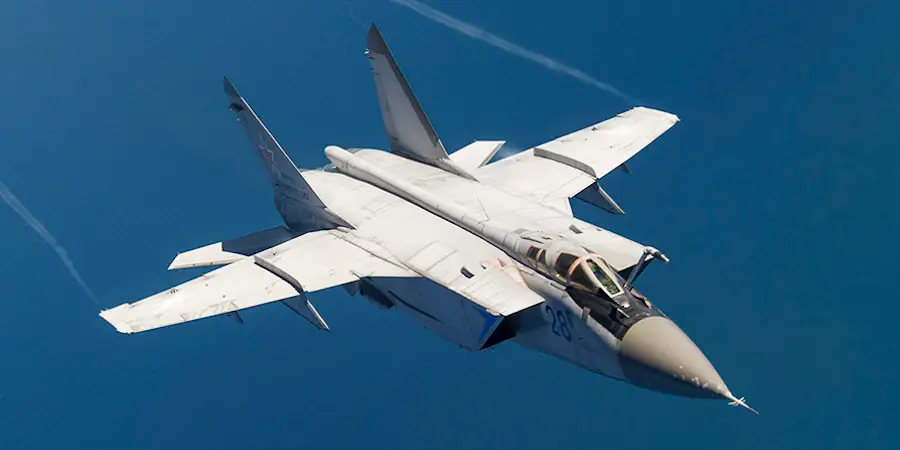
Even from the beginning, rumors circulated that the MiG-41 would be a sixth-generation fighter that could travel at Mach 4 or even Mach 5 speeds, flying at near-space elevations and equipped with cutting-edge weapons such as lasers and anti-satellite missiles.

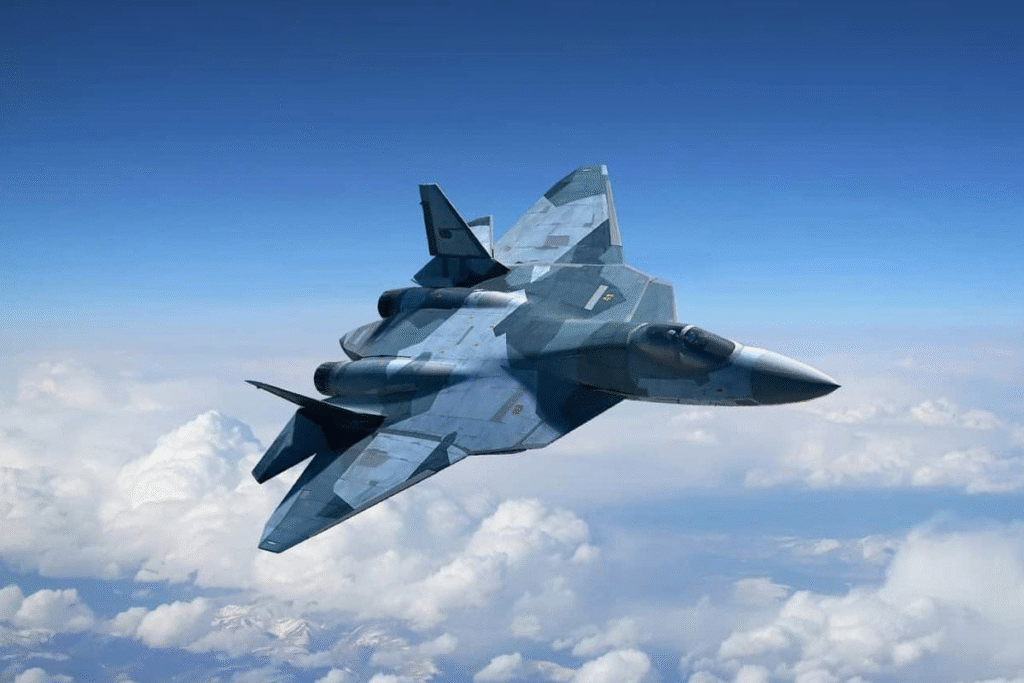
Even some fans speculated about unmanned configurations or remotely controlling groups of drones. With such a list of attributes, the plane was painted as a jump so far ahead that even America’s superior fighters, the F-22 and F-35, would be in the obsolete column overnight.

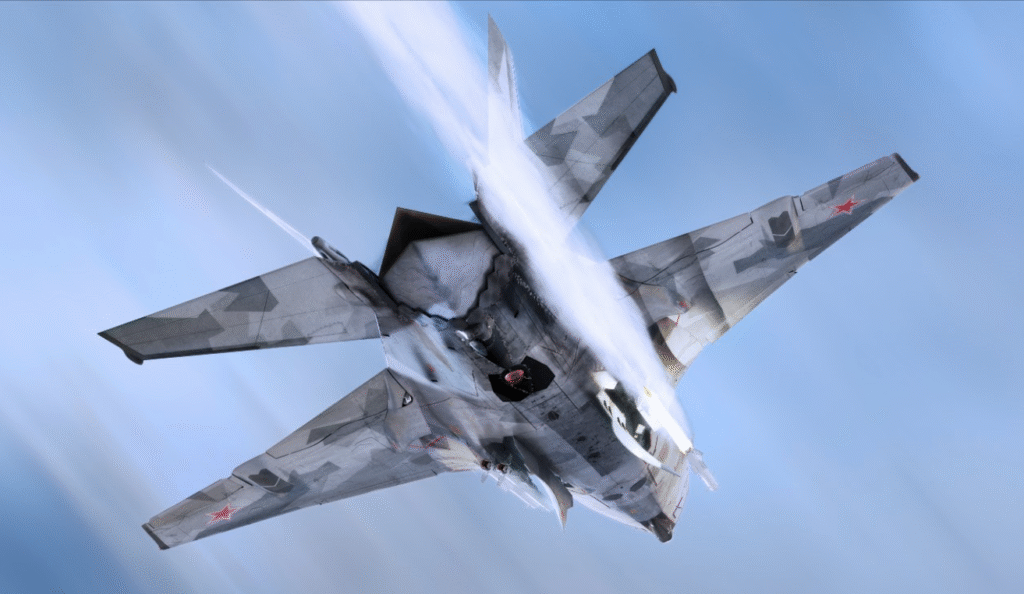
The myth was facilitated by experienced Soviet test pilot Anatoliy Kvochur, who at one stage had said that Russia’s next interceptor must achieve Mach 4 to justify replacing the MiG-31. This was enough to prompt Russian media to convert rumour into sensational headlines, and before long, the MiG-41 was referred to as if it were already in development. It eventually created an aura surrounding the project, diffusing the line between what might be possible and what certainly was.

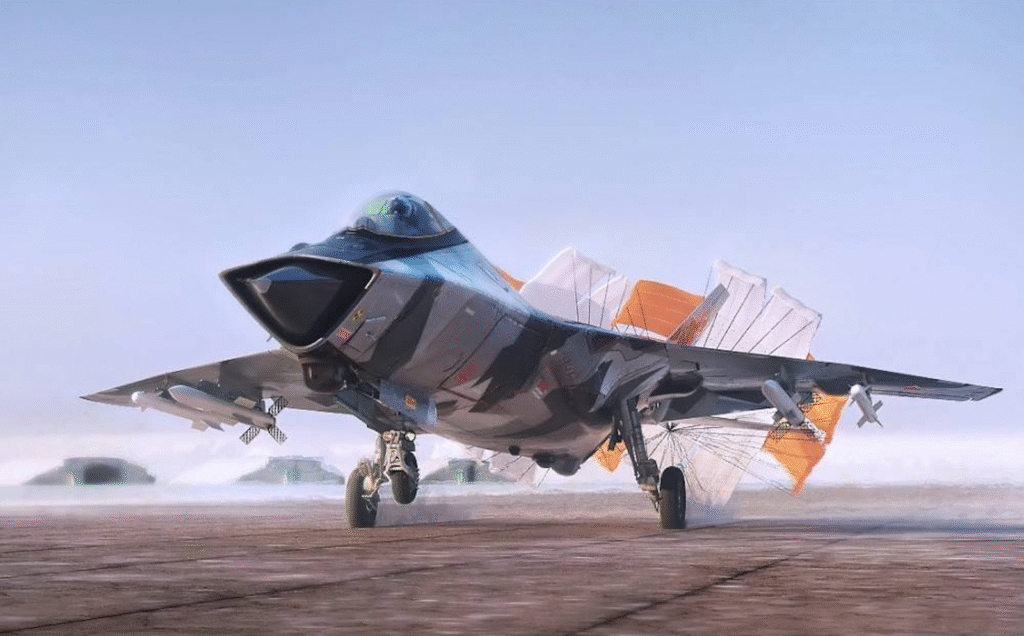
But the reality is less flashy. There have never been any prototypes released, no blueprints unveiled, and no test flights announced. What the world has witnessed are largely computer images and sensational concept art, some suspiciously seeming to be reused in designs taken from earlier Soviet developments. It is a gigantic task to construct an aircraft that can really fly at Mach 5, a task far larger than glamorous drawings.

History provides a good analogy. The SR-71 Blackbird, still record-breaking in terms of speed, only really made it up to Mach 3 and then only thanks to the use of sophisticated materials such as titanium, specialized fuel, and a maintenance cycle so aggressive that the jet leaked fuel until it warmed up in the air. Making a plane even faster means overcoming gigantic engineering and heat issues—no one has yet overcome them on a working scale.

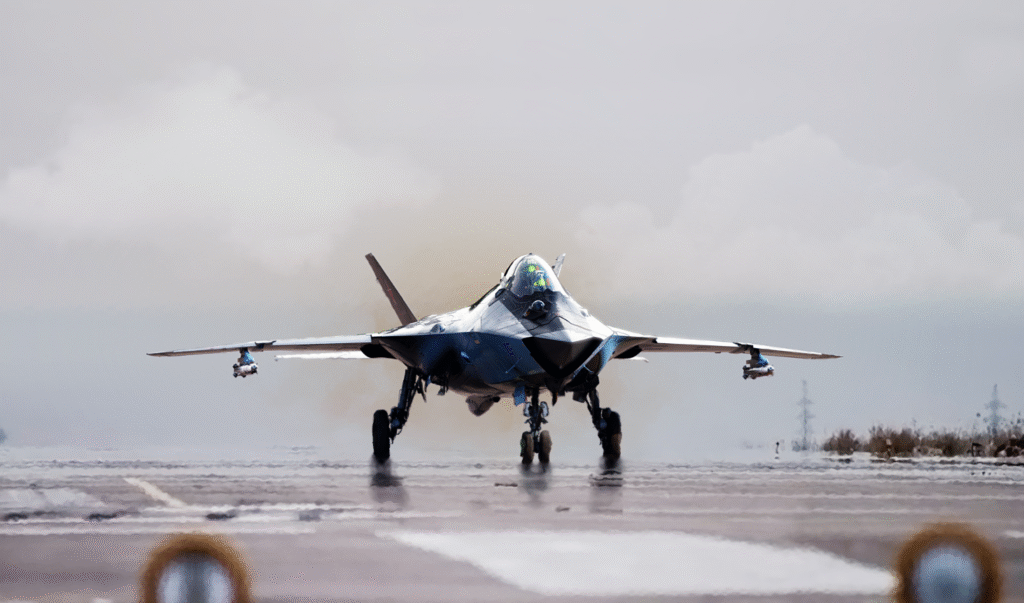
There is also the question of stealth. True stealth demands something more than a streamlined shape. It demands radar-absorbing material, internal weapons bays, and sophisticated shaping that conceals hard edges. Russia’s sole operational stealth fighter, the Su-57, has been plagued by delays, engine issues, and low-key production runs. Even top Western military officials who’ve seen it have panned its construction quality. If one stealth plane is proving to be problematic for Russia, a jump to a futuristic Mach 5 stealth plane appears far-fetched.
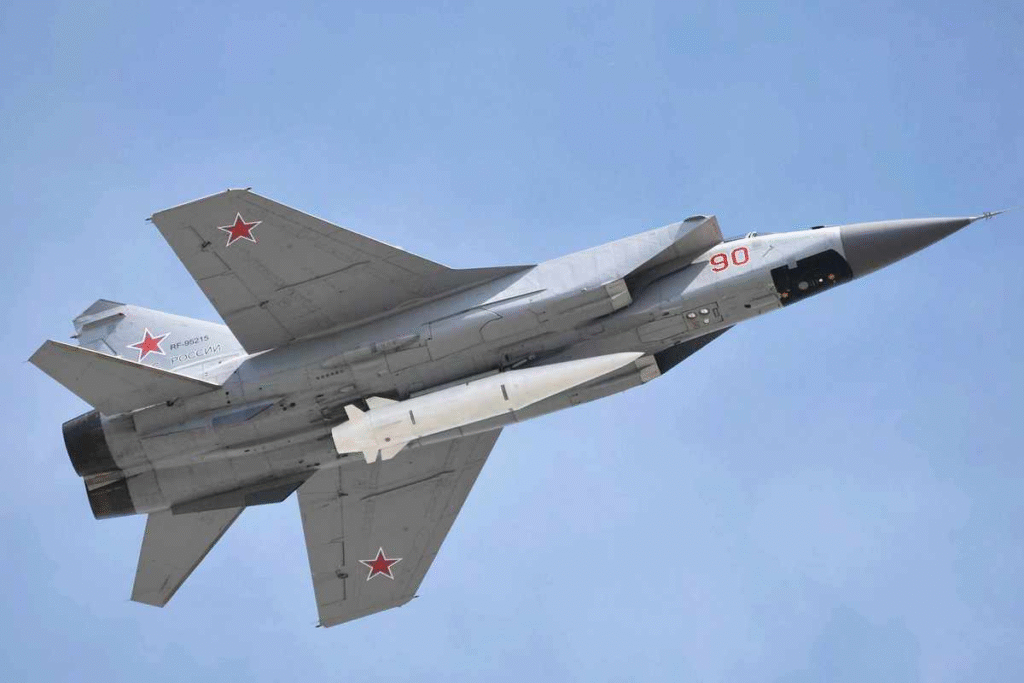
Compounding the doubt is Russia’s battered defense sector. The resources are already stretched thin with modernizing legacy aircraft, creating the Su-75, and coping with the steady expense of war, all under sanctions that deny access to cutting-edge technologies. The MiG-41’s alleged engine, a Saturn AL-51 derivative, has never been introduced as production-ready. As with the airplane itself, it exists more as a promise than a project.

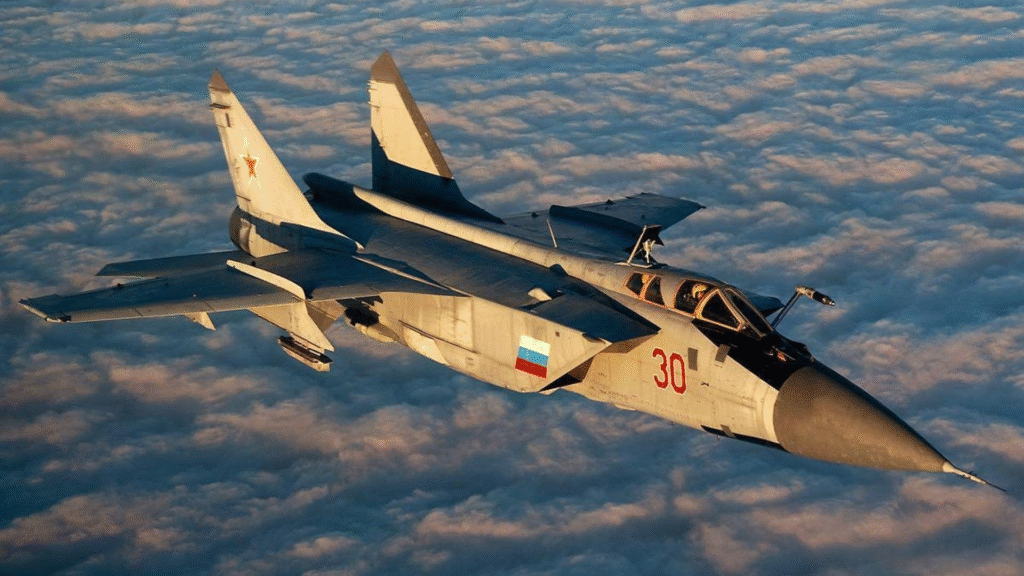
So why does the MiG-41 continue to show up in headlines? Largely, it’s an image. Declaring a game-changing aircraft—whether it exists or not—is an inexpensive method to project power and ingenuity. It gets attention, indicates ambition, and incites national pride. As defense analysts frequently note, the MiG-41 is as much an instrument of propaganda as it is a conceptual aircraft.

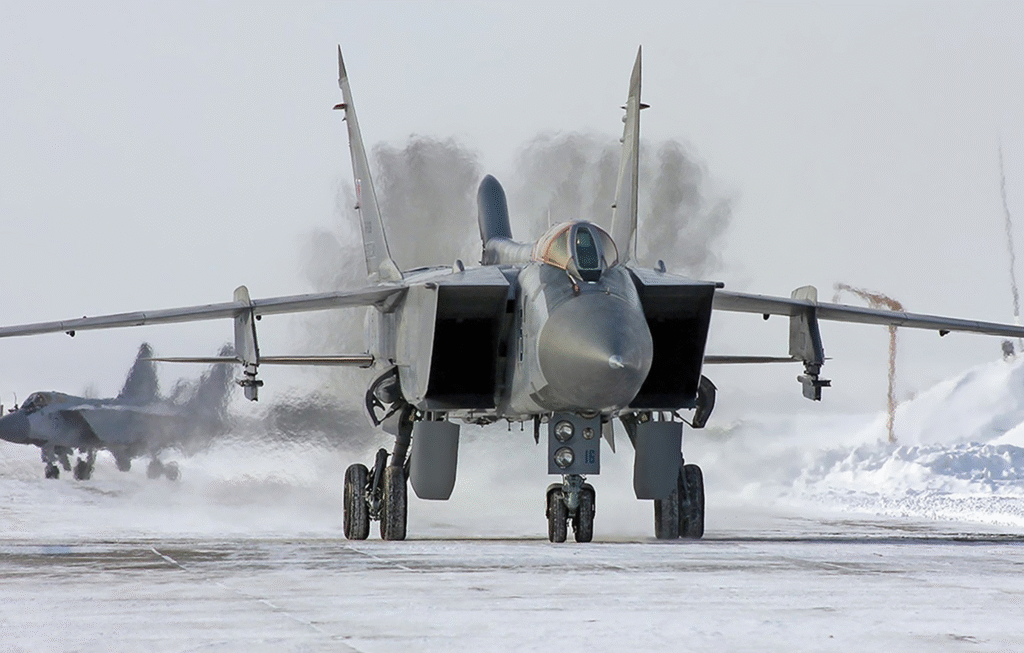
The consensus of analysts is straightforward: if ever a MiG-41 does come into existence, it will by all likelihood fail to live up to the sensational claims surrounding it. The possibility of a space-skimming laser-armed Mach 5 interceptor rolling out shortly is slim to none.
What the MiG-4y signifies is not the next generation of air warfare, but a telling illustration of how dreams, ego, and politics are capable of running faster than reality. Whether it ever moves beyond artwork and headlines is a question that remains unanswered.