
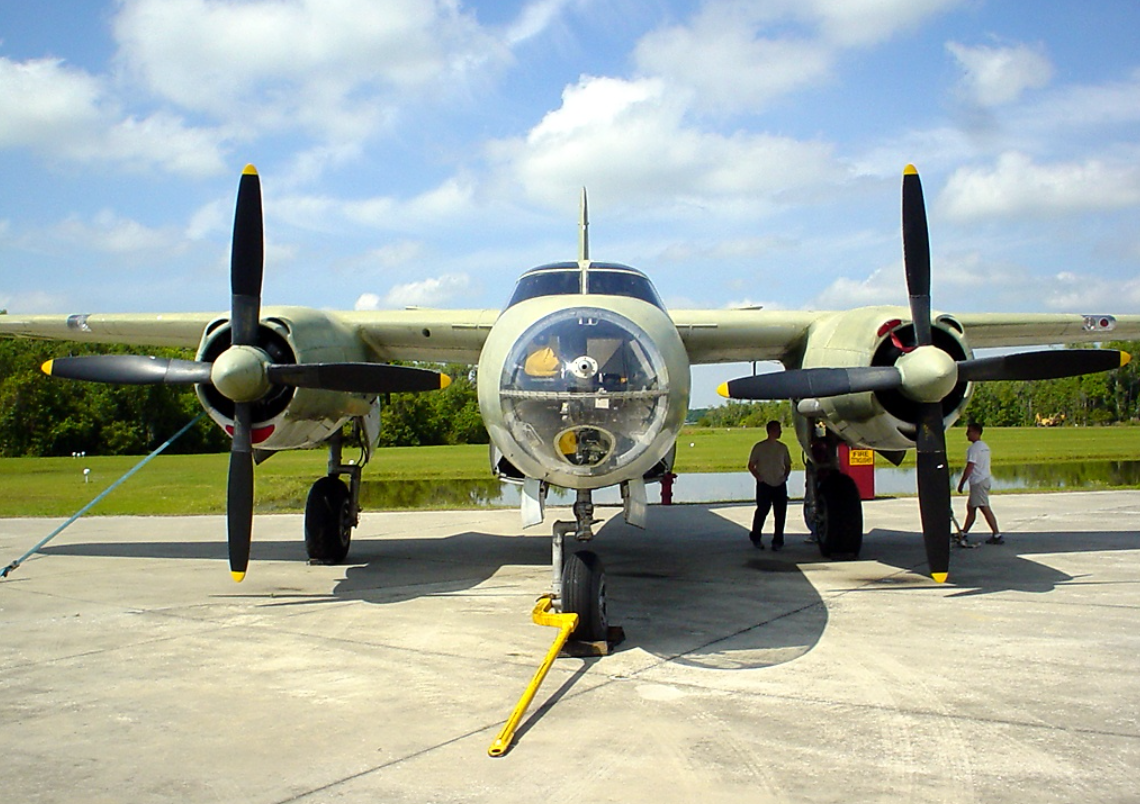

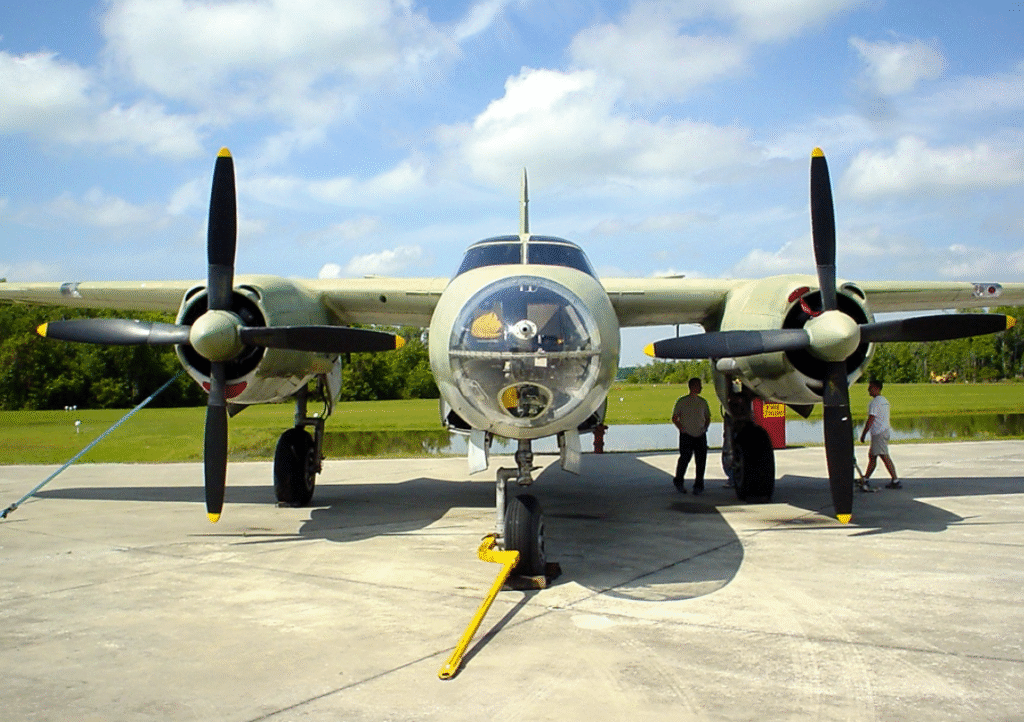
The Martin B-26 Marauder was a story of great change and endurance. At the time of its debut, the plane was considered hazardous and received several unpleasant nicknames as well as causing astonishment among the U.S. Army Air Forces. Nevertheless, by the end of World War II, it had evolved to be one of the most reliable and highly regarded medium bombers of the U.S. military. It is a story that reminds us that innovators, the persistent and adaptable, can flip their first failures into great accomplishments.

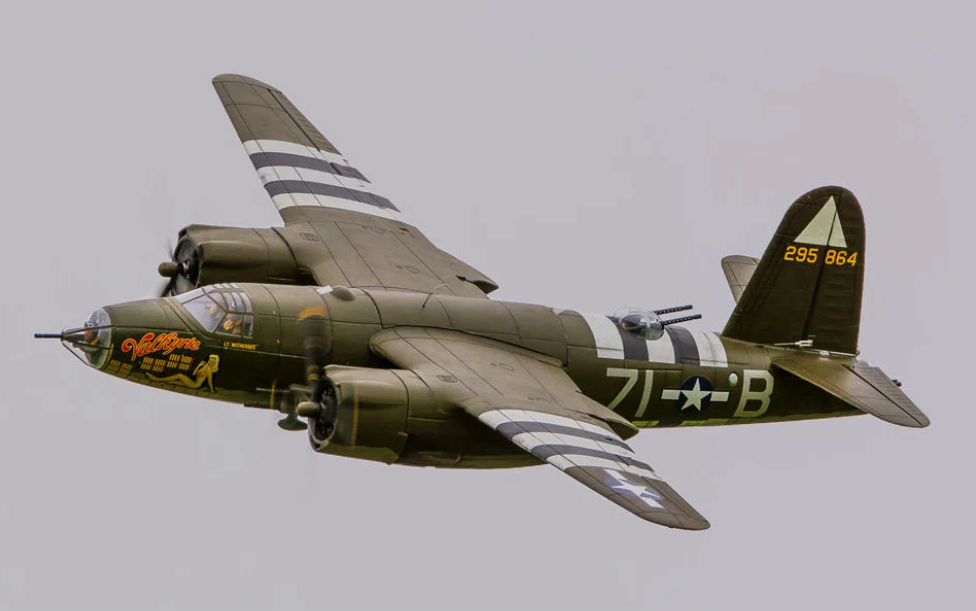
The B-26 was the result of a 1939 competition in which the Army Air Forces requested a fast, heavily armed medium bomber. The Glenn L. Martin Company came up with a design that, above all else, concentrated on the plane’s fast speed and smooth aerodynamics.

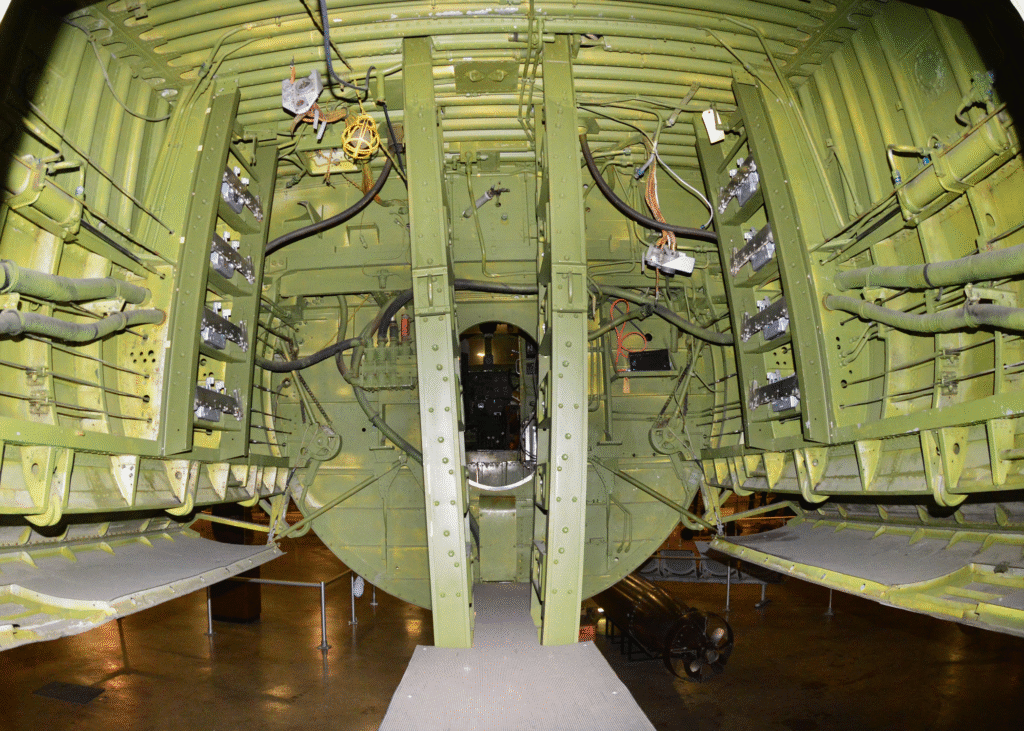
The aircraft was a small, all-metal monoplane with a high wing, a torpedo-shaped short fuselage, and tricycle landing gear. In a decision that was almost never seen at that time, Martin bypassed the traditional route of extensive prototyping and testing and went directly into production in early 1941.

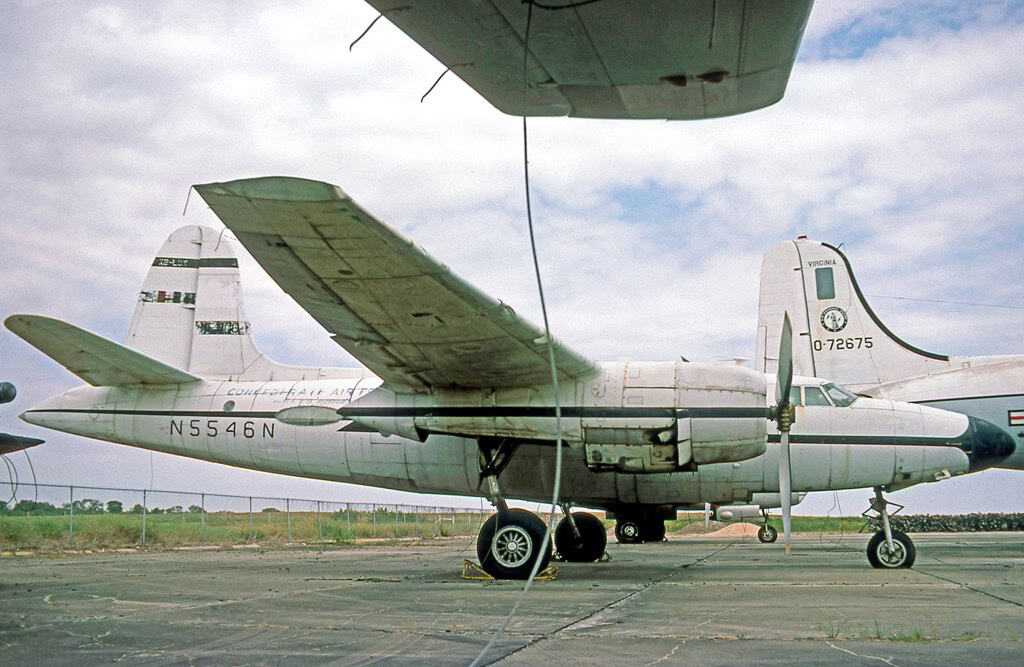
On the sheet of specifications, the Marauder was a beauty. Each of its two Pratt & Whitney R-2800 engines was capable of producing 2,000 horsepower, allowing it to get to a top speed of about 315 mph. It was capable of internally carrying 4,000 pounds of bombs, installing .50-caliber machine guns from 6 to 12 in number, and flying for more than 1,000 miles with a single tank of fuel. It also set a precedent in defense technology, becoming the first American bomber to be equipped with a powered rear turret.
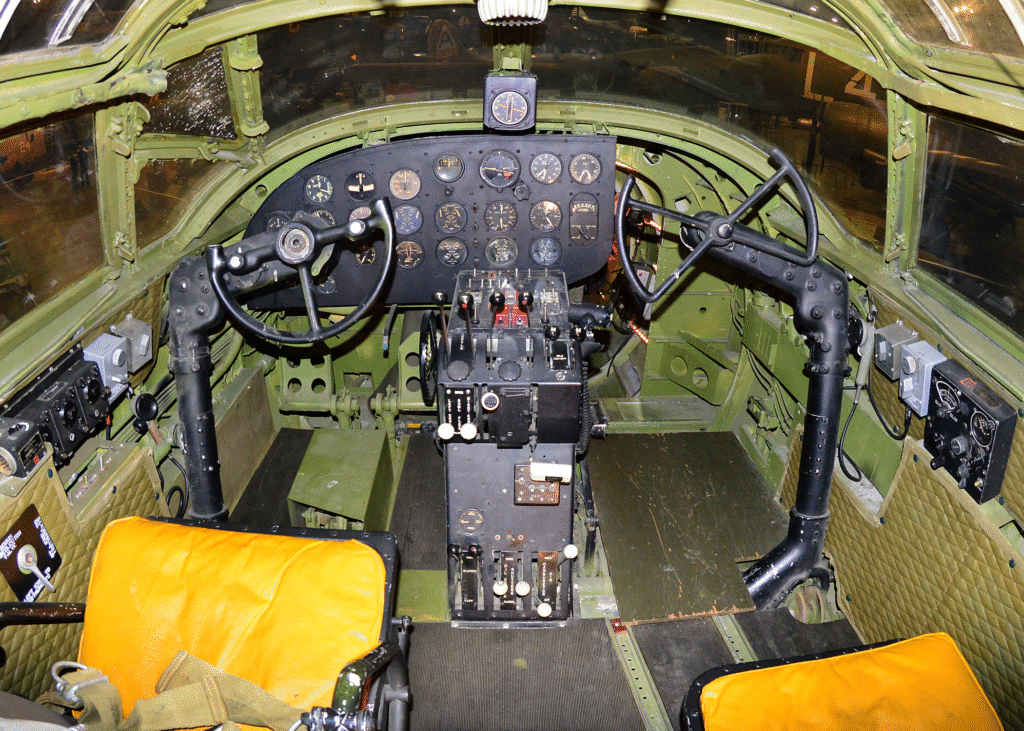
However, that speed came with a big challenge. Due to the relatively smaller wings, takeoff and landing were difficult, and the airplanes involved often had to be done at speeds of 130 to 150 mph (which is faster than what most pilots were used to). The early part of this story is riddled with mechanical problems and accidents that occurred in large numbers.

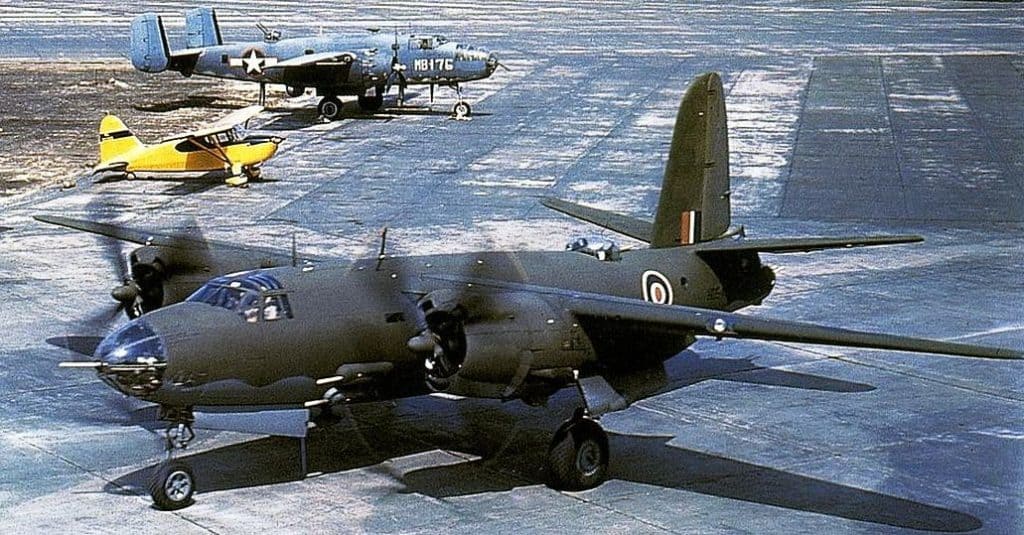
A darker side to the phrase “One a day in Tampa Bay” was that it was used to describe the daily tragedies that were happening at MacDill Field in Florida. Pilots gave the names “Widowmaker” and “Flying Coffin” to the aircraft, and morale took a huge hit as the crews began a scramble to be transferred to safer places.

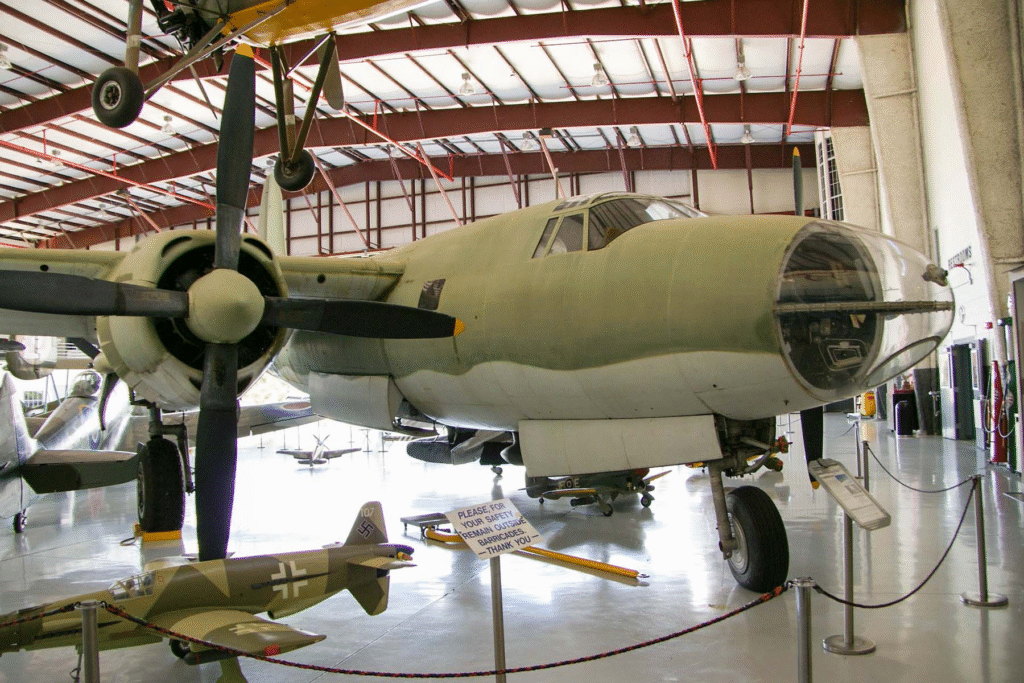
The change started when the Army Air Corps summoned Colonel Jimmy Doolittle. After Doolittle had tested the plane’s performance and even shown that the Marauder could be flown safely on a single engine if it was handled correctly, Martin was really forced to go behind the scenes and change the engineering power breaks with a longer wing span, a stronger vertical stabilizer, and reinforced nose gear. Moreover, the training programs were revamped, mainly focusing on speed control and the right technique while flying.

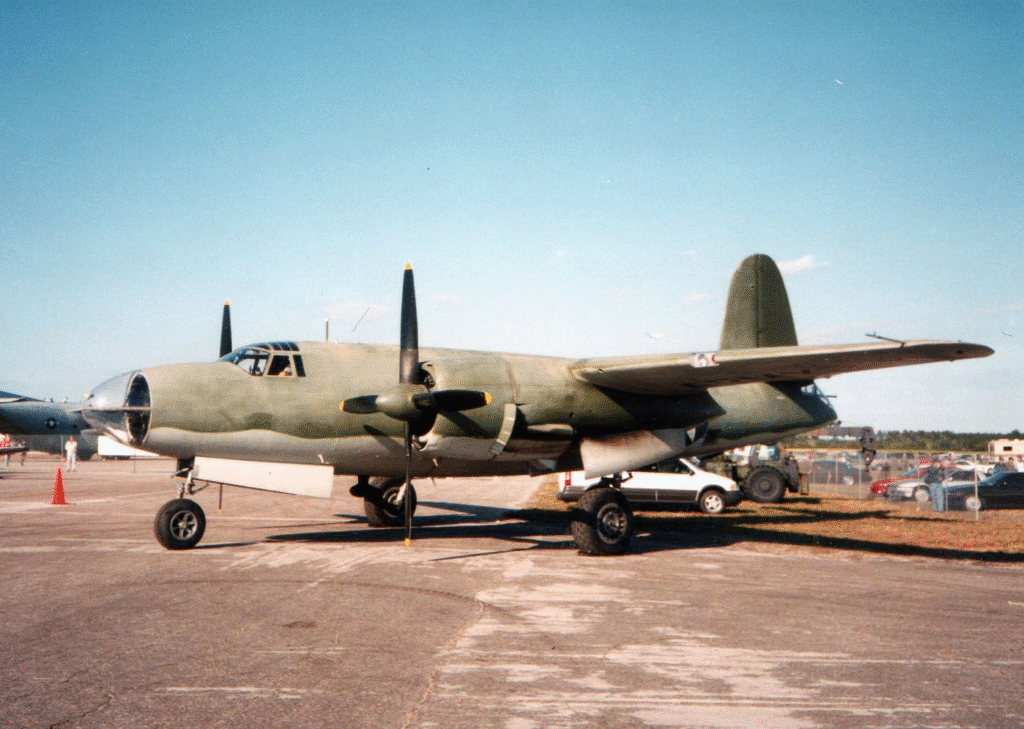
Slowly but surely, the Marauder was outgrowing its reputation of being a death trap. With the lowest rate of loss of any American bomber, the Marauder was allowed to participate fully in the European Theater. It was able to prove itself on the grounds of all the major fronts. The B-26 was deeply involved in medium-altitude, short-range bombing missions in the New Guinea jungles, the Mediterranean, and Europe, with the fighters escorting them heavily.

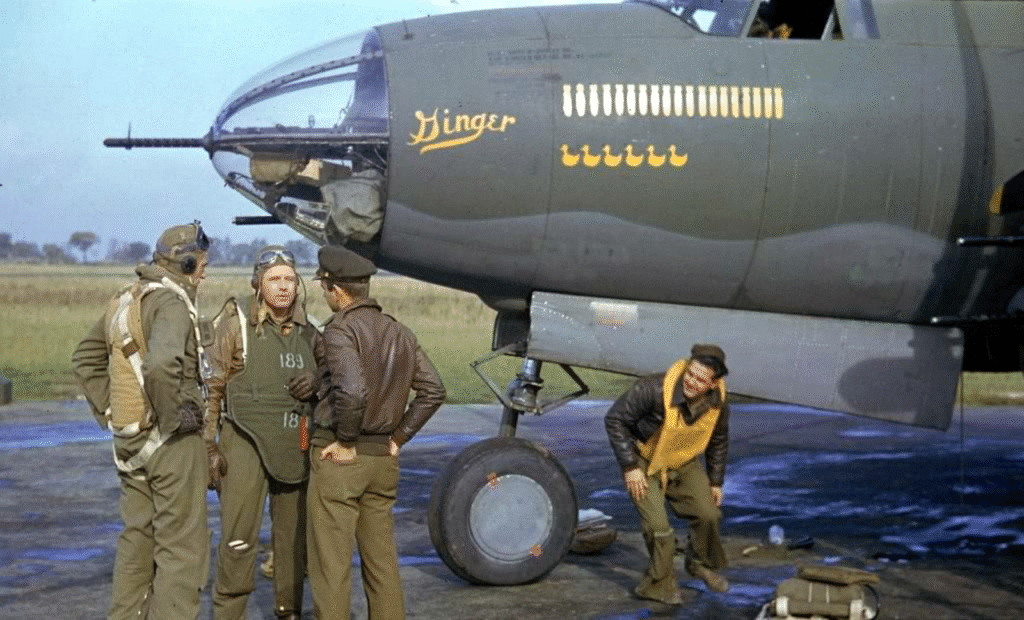
The Marauder was instrumental in the execution of several important operations. It was by isolating and targeting with precision the different types of bridges, supply routes, and railways that the Italian campaign, the preparations for D-Day, and the Battle of the Bulge were made possible. Indeed, crews took their accuracy as a point of pride, and sometimes they were able to bomb military targets without destroying the historical landmarks of cities such as the cultural treasures of Florence.

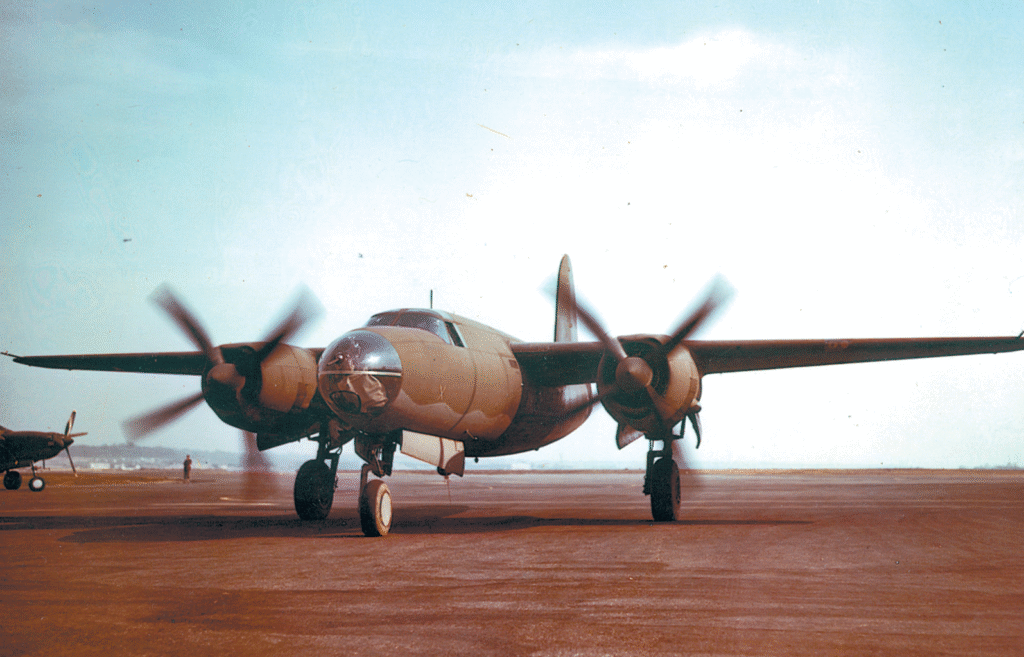
The final count of the B-26s built was over 5,200, and they had conducted in total more than 110,000 sorties. Besides that, the US and its allies, including the Royal Air Force, Free French, and South African Air Force, used them. The majority of them were decommissioned shortly after the war, and only a few preserved in museums remain.

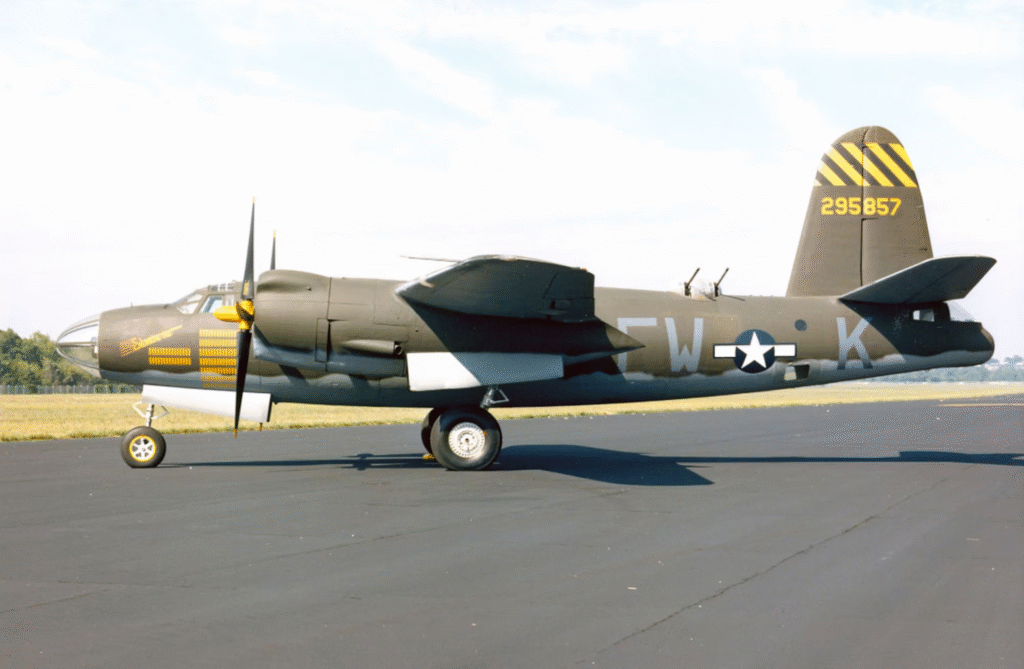
The B-26 is the name that comes to mind when one thinks of resilience, clever design, and skillful piloting. At first, it was a tale of warning about the hazards of pushing innovation quickly without enough preparation, but in the end, it transformed to show that even a plane that started badly can be magnificent if kept up with and adapted. Through Marauder’s development in aviation history, from “widowmaker” to a reliable workhorse, remains one of the most incredible.