
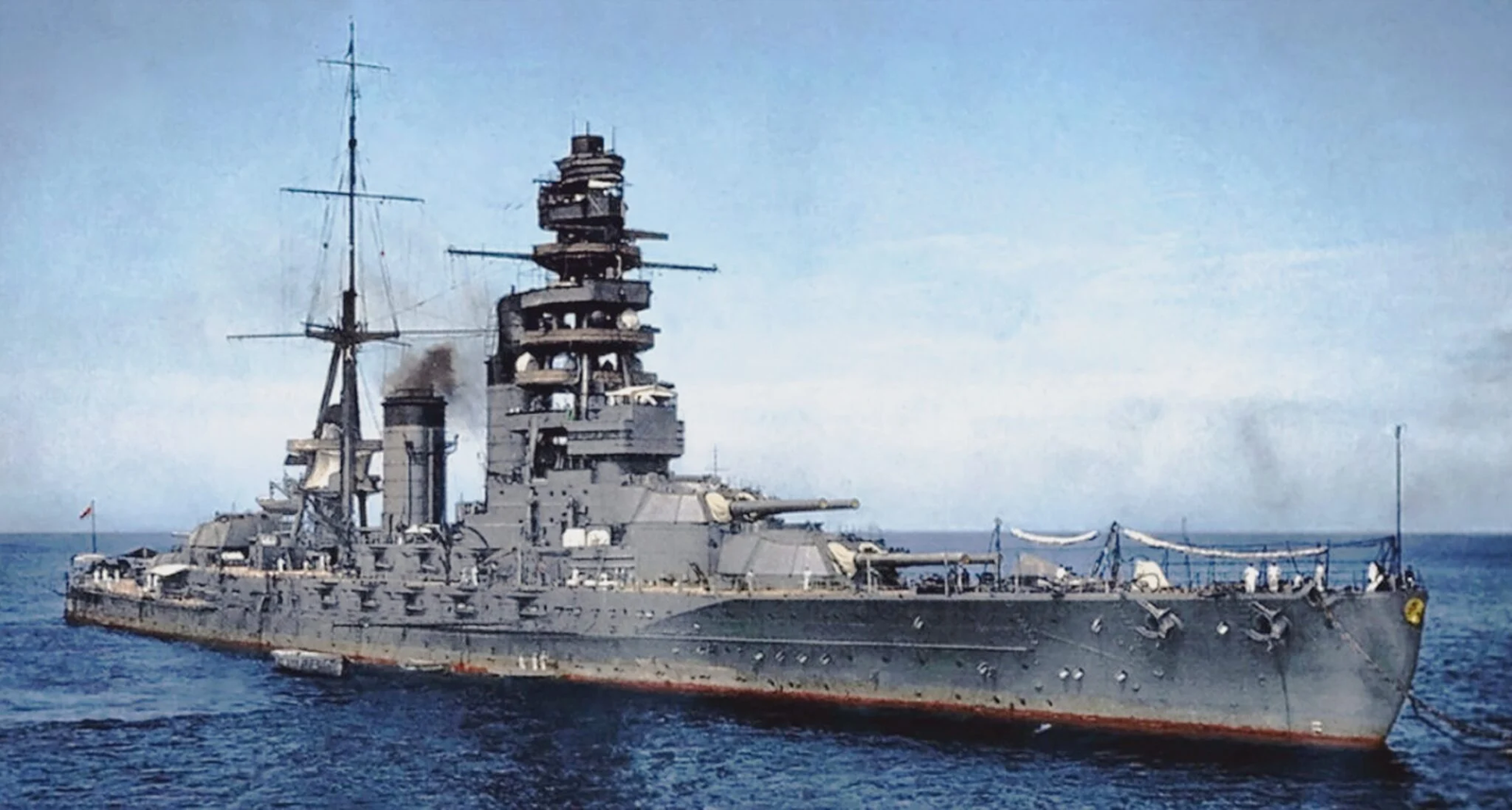

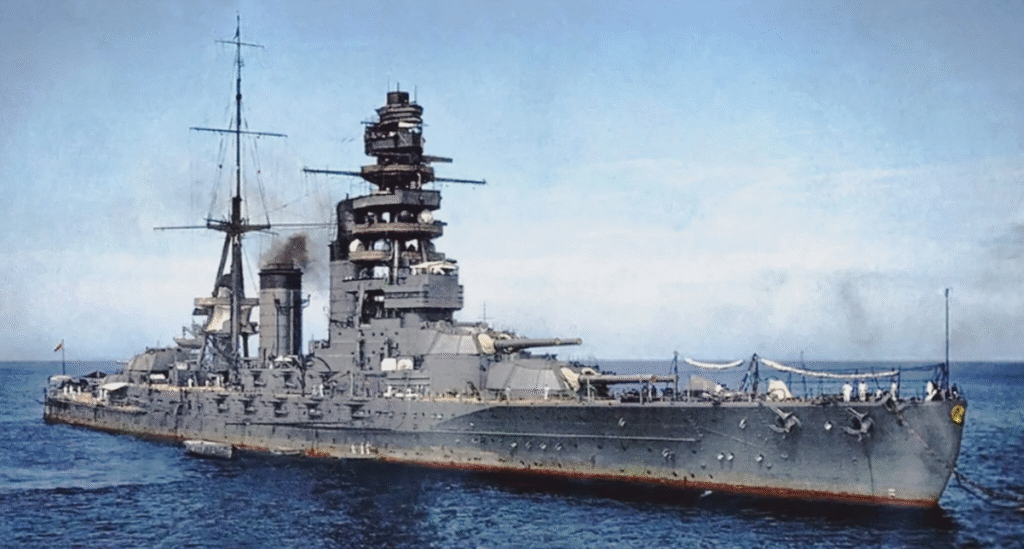
Some tales of the past don’t fade away. Instead, they linger in the air as unresolved questions, freighted with tragedy and mystery. The tale of the battleship Mutsu is such a tale—half pride, half calamity, and still shrouded in mystery after more than 80 years.

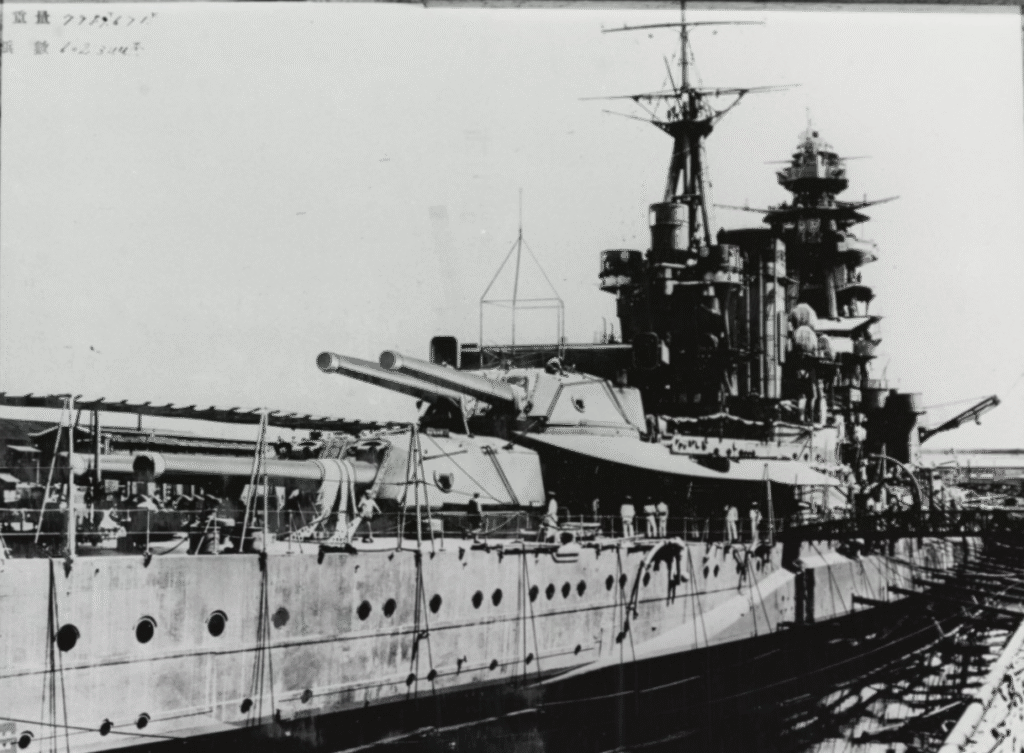
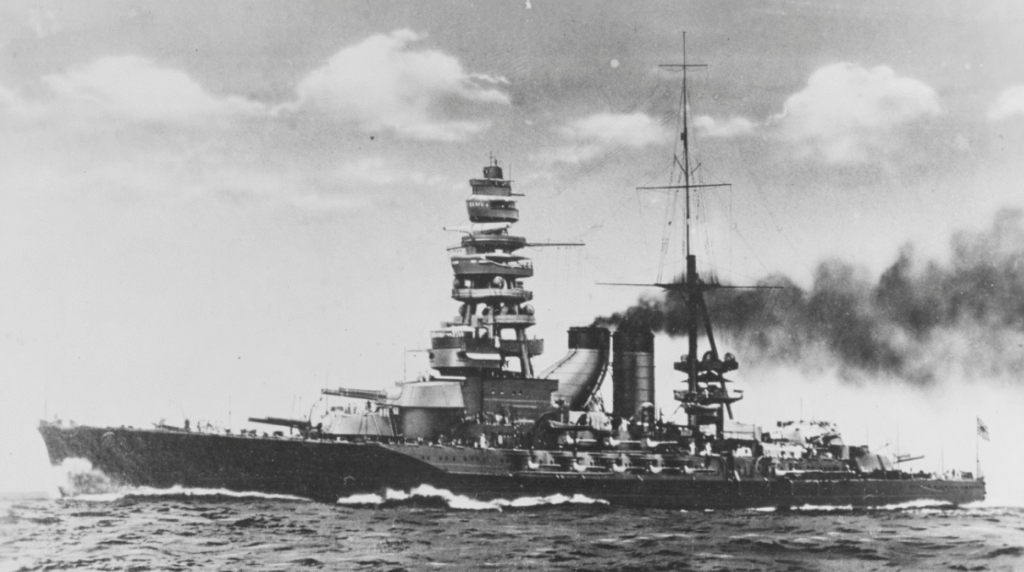
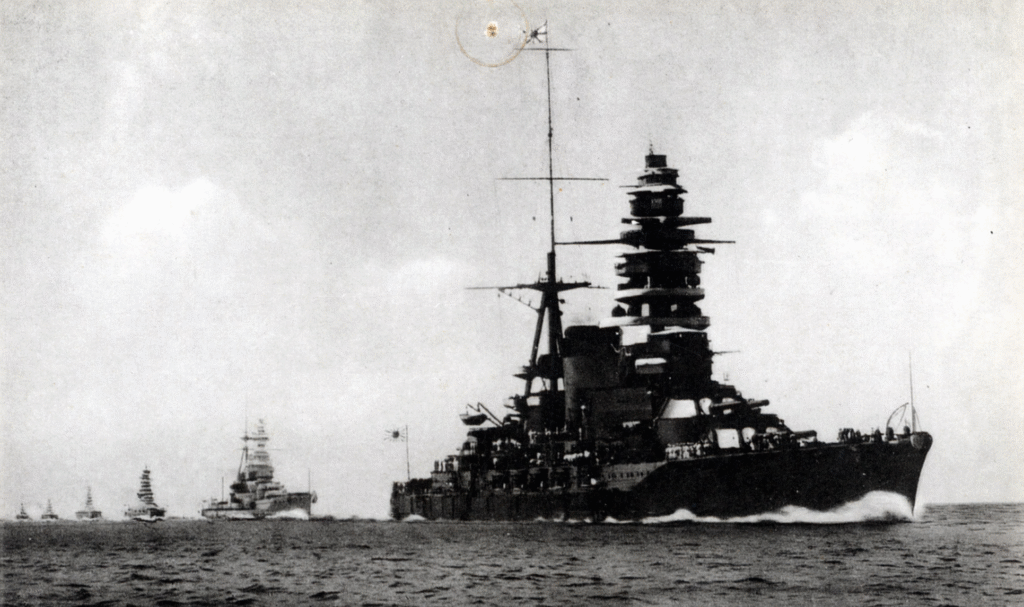
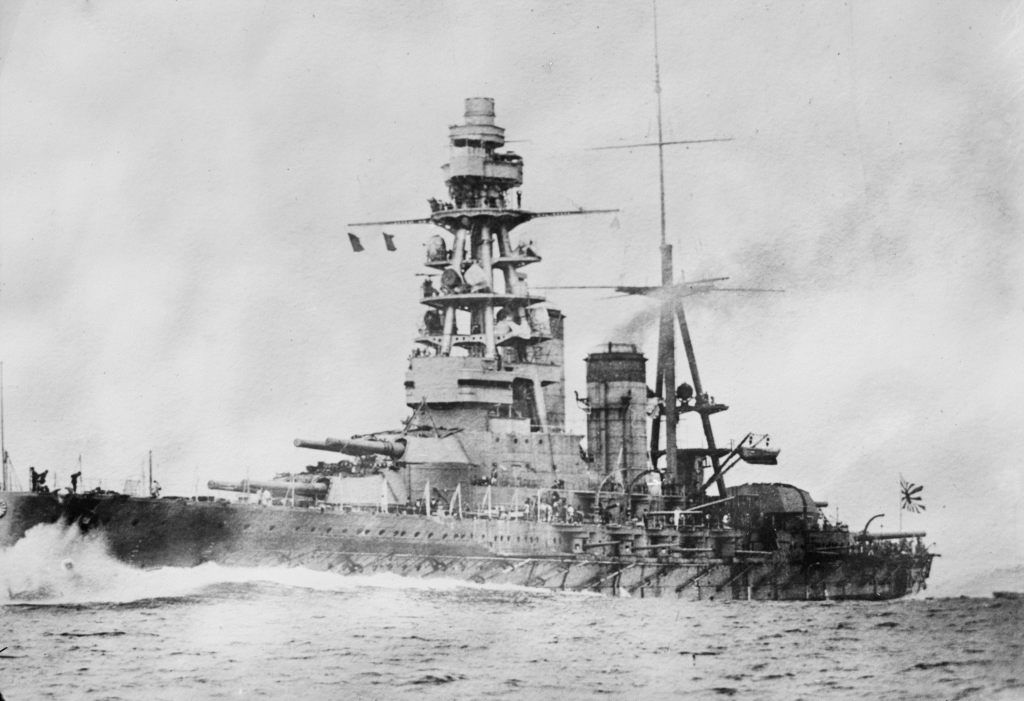
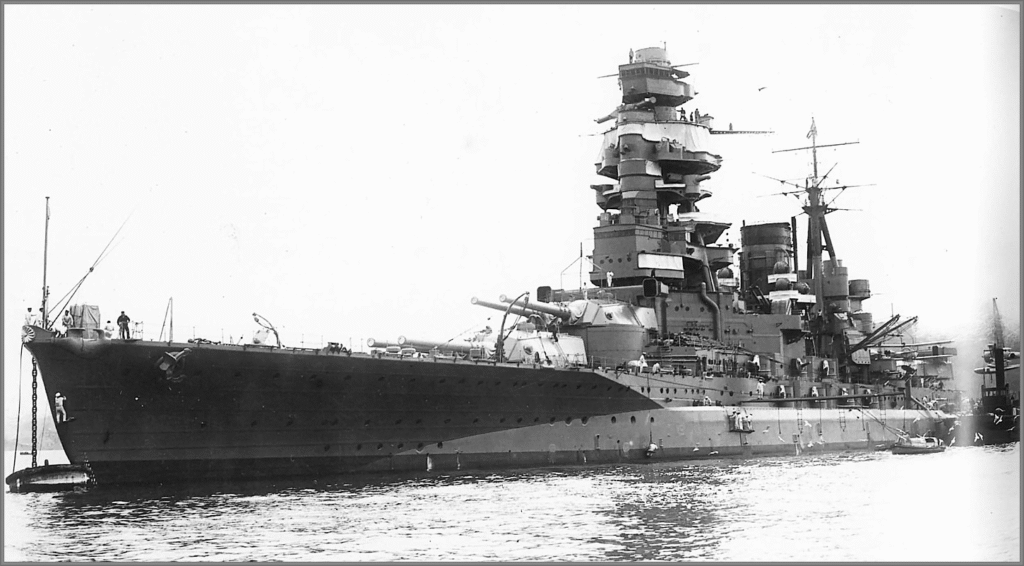
Mutsu wasn’t merely another vessel in the Imperial Japanese Navy. She was a statement of purpose. She was one of only two Nagato-class battleships built since the war and one of the most formidable warships in the world when she set sail. Eight 16-inch guns, thick armor plating, and decent speed for her size meant she was designed to keep pace with the strongest navies in the world.

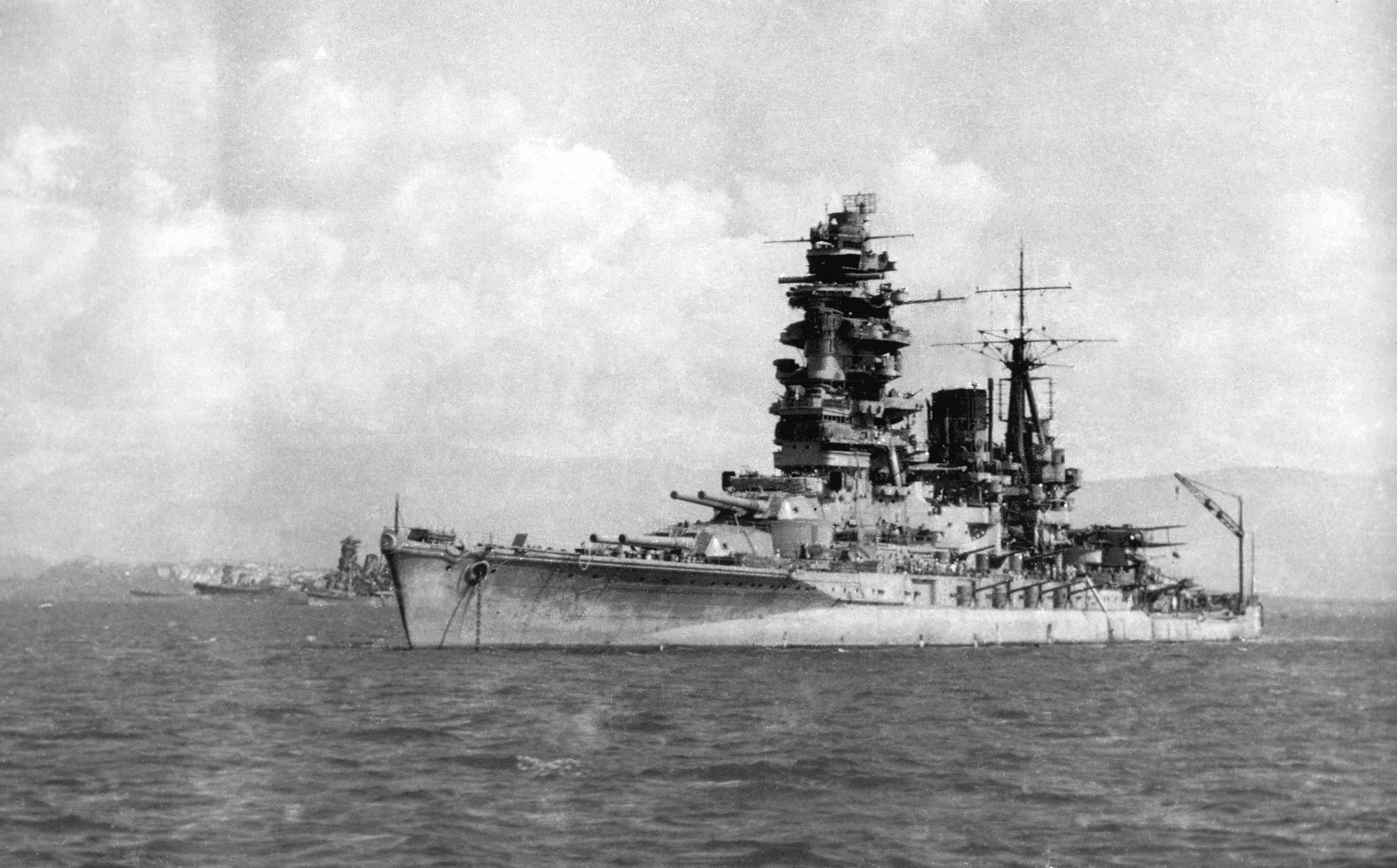
Her launch in 1920 was a cause for national celebration. Even Crown Prince Hirohito himself attended the commissioning, underscoring her importance not just to the fleet, but to Japan’s emerging sense of national pride overseas.

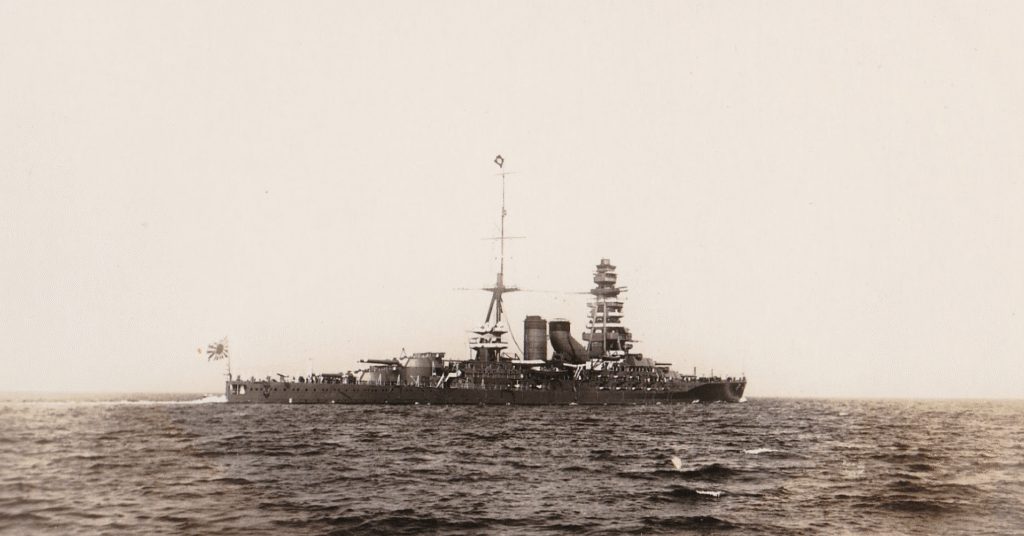
But despite all her size and strength, Mutsu had a strangely muted career. She spent years in training exercises, fleet maneuvers, and even on humanitarian deployments—carrying relief supplies after the Great Kantō earthquake. Her sole combat experience came in 1942, when she fired warning shots at an American reconnaissance plane during the Battle of the Eastern Solomons. She was used more as a symbol of power than as an active tool of war.

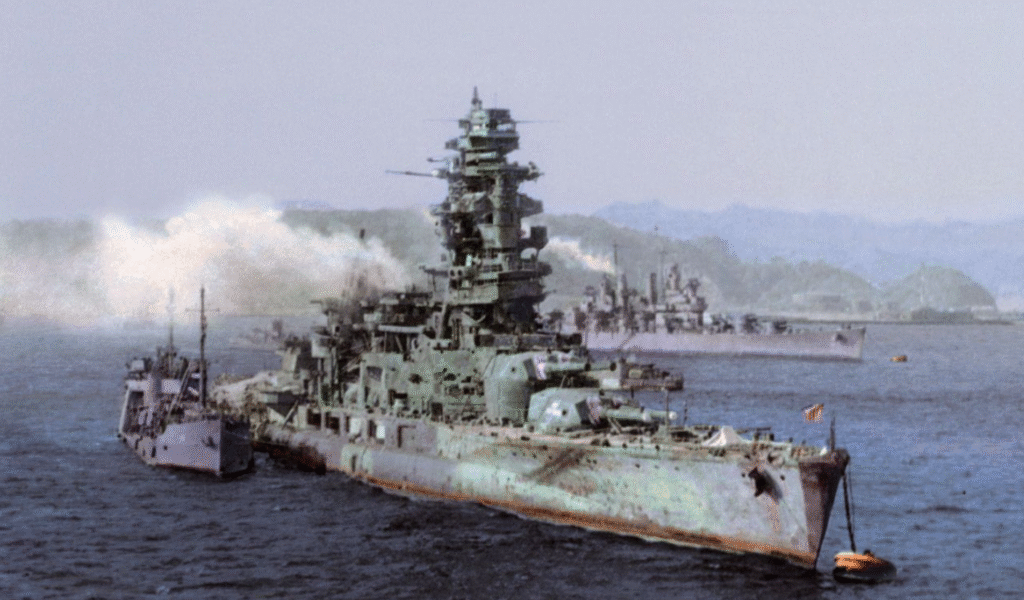
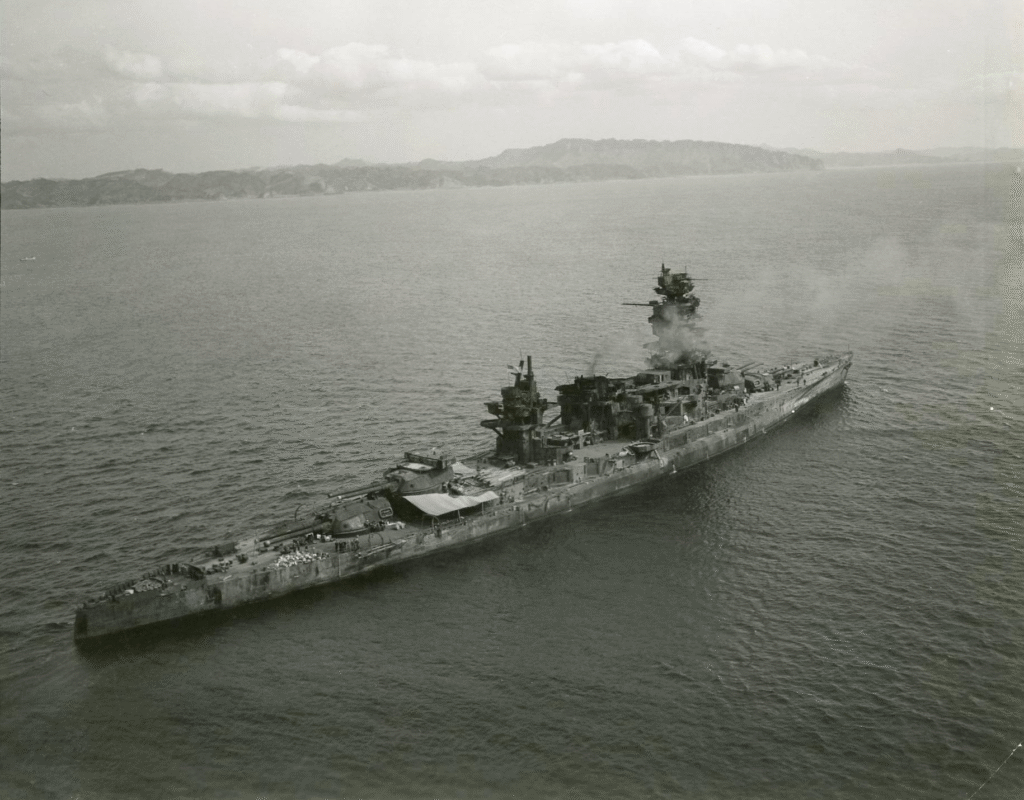
Then on 8th June, 1943, everything went awry. When docked at Hashirajima with more than a hundred cadets and instructors on board for training, a huge and ferocious explosion tore through her No. 3 turret magazine. The blast was so huge that it bisected the ship. The bow sank in seconds. The aft bobbed around for a few hours before it also vanished into the water. Of the close to 1,500 aboard, only 353 were rescued.

The horror was vast—but even stranger came what followed. At first, everyone believed the ship had been bombed. Japan was at war, and hostile action seemed the most probable explanation. But there was never a discovered attack. The truth was more complicated—and more covert. The government closed ranks on the news immediately. Families received minimal or no information, survivors were redeployed to other units, and the incident was concealed from the public. Even the widow of Captain Teruhiko Miyoshi wasn’t informed about his death for months.

Theories piled up rapidly. Ammunition was suspected by some. The Type 3 incendiary shells carried were already being questioned, and it was possible they’d spontaneously combusted. Testimonies from survivors, which included unusual-colored smoke, both supported and obscured that theory. There was talk of sabotage, based on one sailor who was to have been court-martialed the very same day. No real evidence was ever found, however.

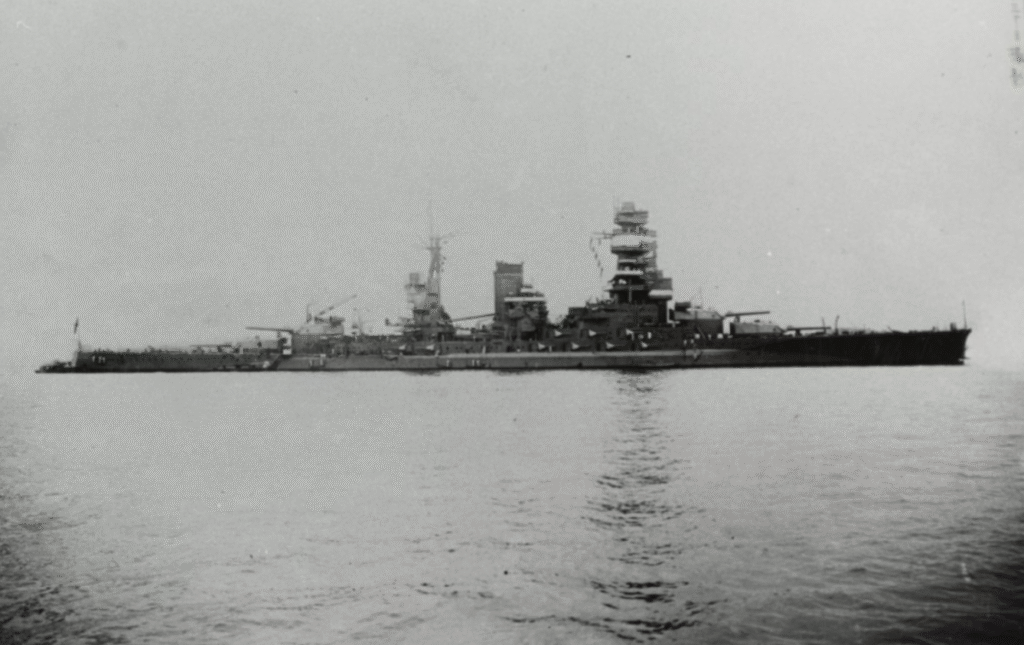
A simpler explanation—old machinery, faulty wiring, or flammable materials most likely. But in wartime Japan, it would be unthinkable to admit that one of the navy’s most prized ships had destroyed itself by neglect or breakdown. Safer, perhaps, to let the cause remain mysterious.

The silence that followed only added to the terror. Salvage divers were not told which ship they were salvaging. Survivors were dispersed throughout different units so that they could not talk. Quiet mass cremations were performed with little notice to families. Silence was part of the story, and that silence has continued to reverberate since.

Sections of the Mutsu were finally recovered, and a memorial stands today to honor the lost. But what happened that morning in June has never been resolved. Buggy ammunition? Sabotage? A horrific blunder to conceal, save face? Nobody knows for certain.

What we’re left with is a reminder: even the largest, strongest warships—and the nations that build them—are never immune to disaster. Mutsu’s story is one of ambition, loss, and unanswered questions. A riddle from the deep, still waiting for closure.