

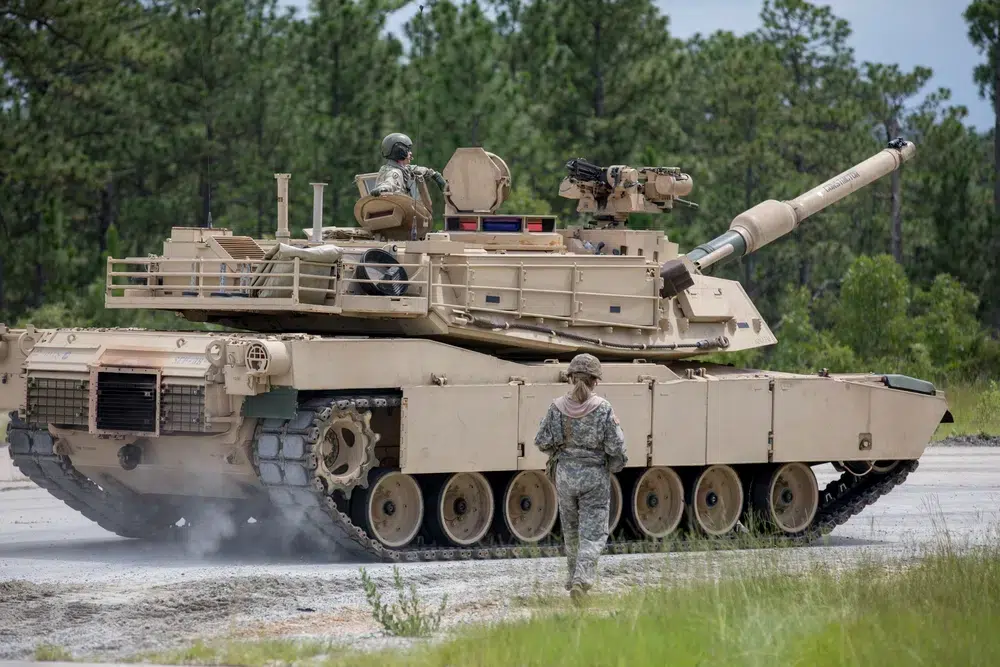
The U.S. Army is making a dramatic departure from its decades-long practice of making incremental improvements to the Abrams tank. Rather than adding increments to the M1A2, leaders are betting on a revolutionary new redesign: the M1E3 Abrams, an all-new rebuild designed to dominate the battlefield through the 2040s.

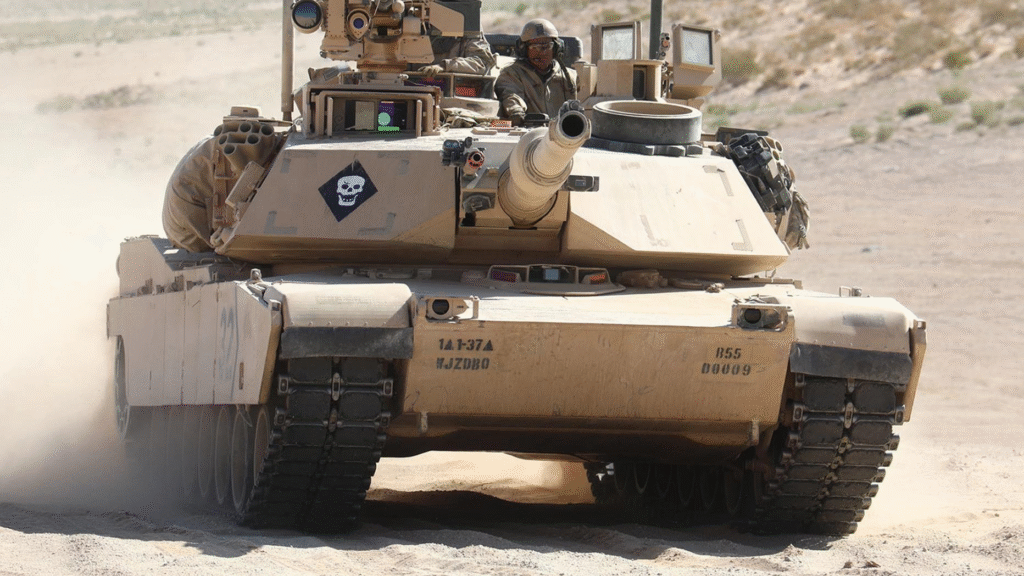
This choice effectively puts the M1A2 SEPv4 chapter to rest, incorporating its most useful upgrades into a platform that will be lighter, more flexible, and better attuned to the exigencies of contemporary warfare.

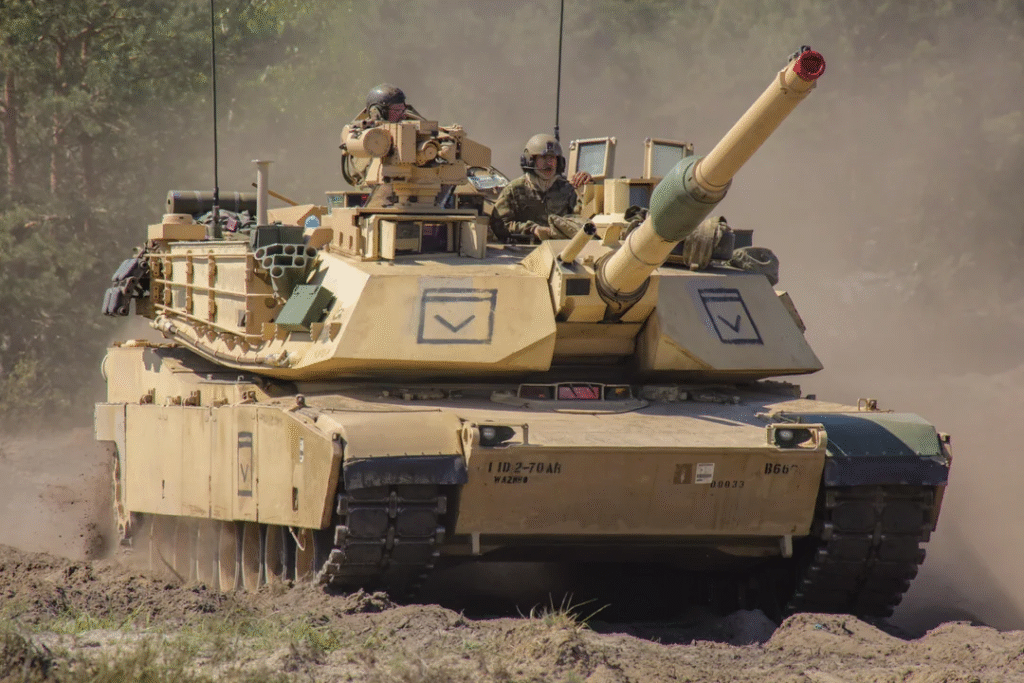
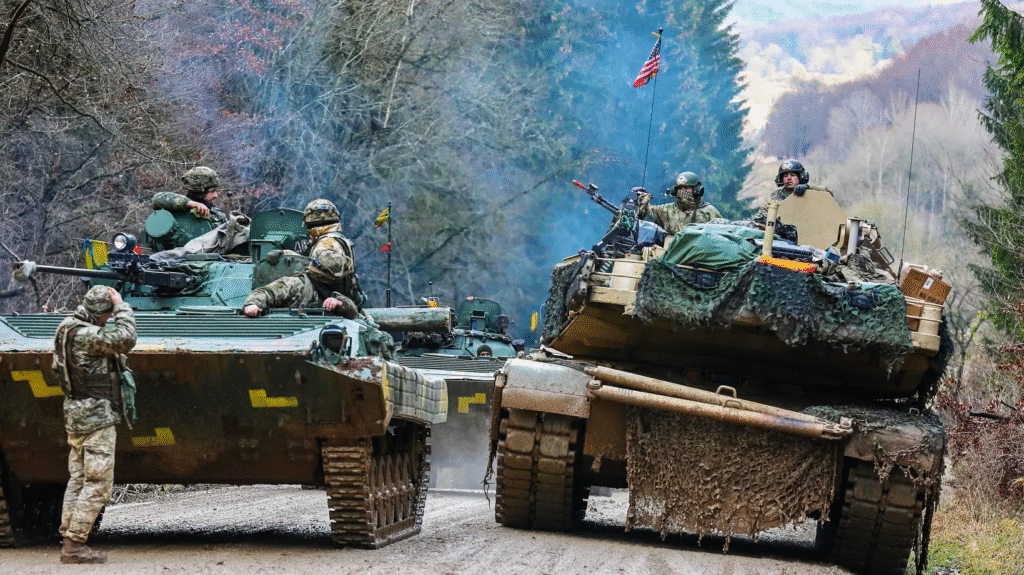
Most of this transition is a product of the bitter lessons being learned in Ukraine. The conflict there has revealed just how vulnerable even the best armor can be to clouds of drones and precision-guided munitions.
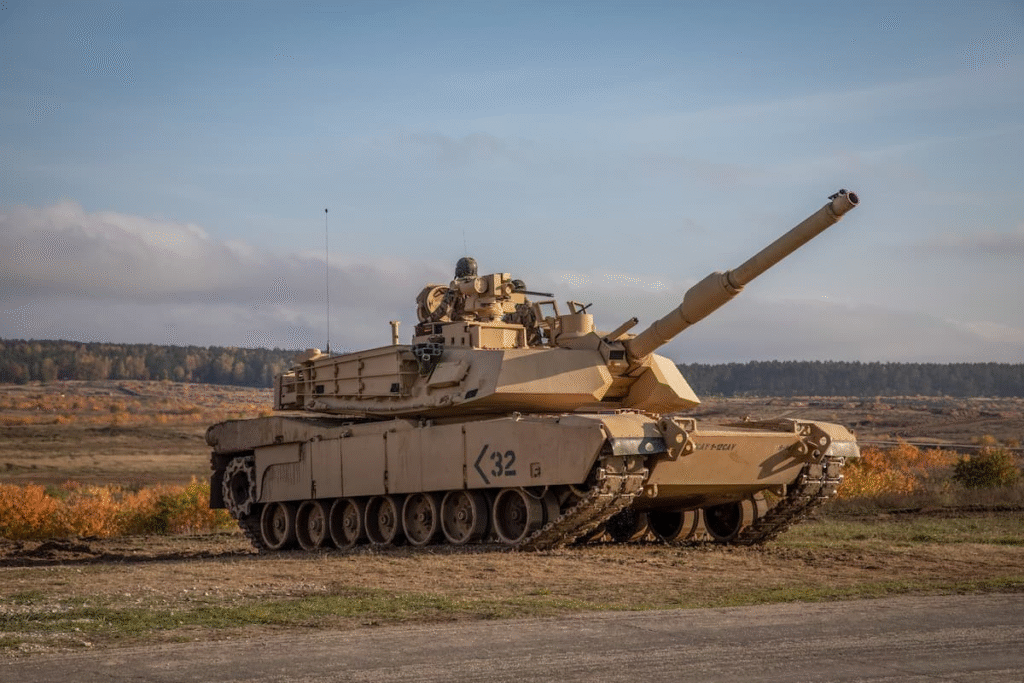
In the words of Brig. Gen. Geoffrey Norman, U.S. troops on the ground have seen for themselves from Ukrainian tank commanders how the battlefield is changing. The lesson to be learned is simple: brute force and heavy armor no longer mean survival. It now requires agility, flexibility, and high-tech defenses to be equally critical.
Maj. Gen. Glenn Dean has described how years of adding new systems had made the Abrams so heavy that its mobility was at risk. The M1E3 aims to reverse that issue. Central to the redesign is a hybrid-electric powerplant, with the potential to see up to 50 percent better gas mileage while reducing the tank’s logistical footprint. Aside from efficiency, this makes the vehicle less detectable, faster in battle, and better able to remain in the fight without resupplying continuously.

Overhaul does not begin and end with mobility. Engineers are designing the new Abrams from day one with state-of-the-art systems. An unmanned turret with an autoloader is planned to reduce crews to three, freeing up internal space for sophisticated electronics. Artificial intelligence will enable crews to recognize and prioritize threats more quickly, and an open-systems architecture will allow new sensors and weapons to be inserted as technology improves.
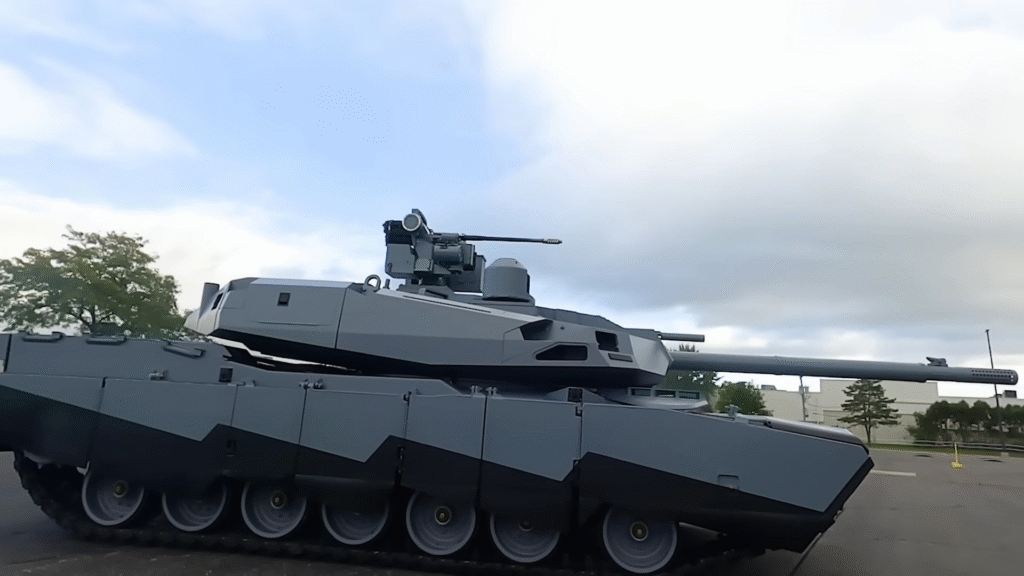
Survivability is also being reconsidered. Rather than using bolt-on protections such as the Israeli Trophy system, the M1E3 will have protection included in its frame right out of the box. Those built-in systems are quicker and lighter, making the tank more likely to survive against drones, top-attack weapons, and next-generation anti-tank missiles—the same group of threats that have been causing so much destruction in Ukraine. Better armor, decreased thermal signatures, and hard-kill and soft-kill techniques all aim to shift the survival odds back in favor of the crew.
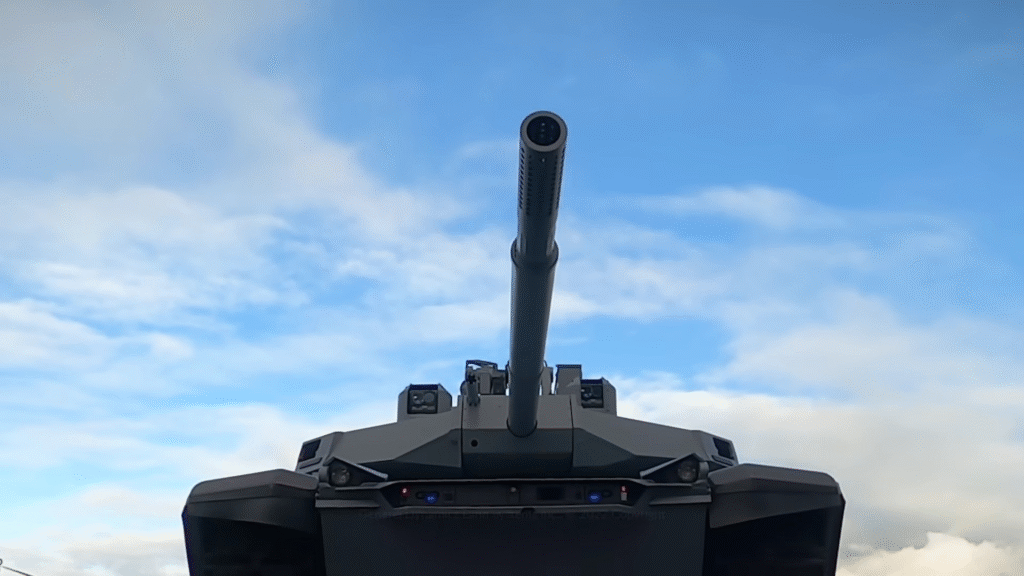
But the M1E3 is not just a technological endeavor; it represents a change in the Army’s overall philosophy regarding armored warfare. In the first place, the tank is being built with modularity in mind, so that it can respond rapidly to new technology rather than be burdened by it. Production of the present M1A2 SEPv3 will remain at a reduced pace to maintain today’s forces, but provide time for the new platform to mature.

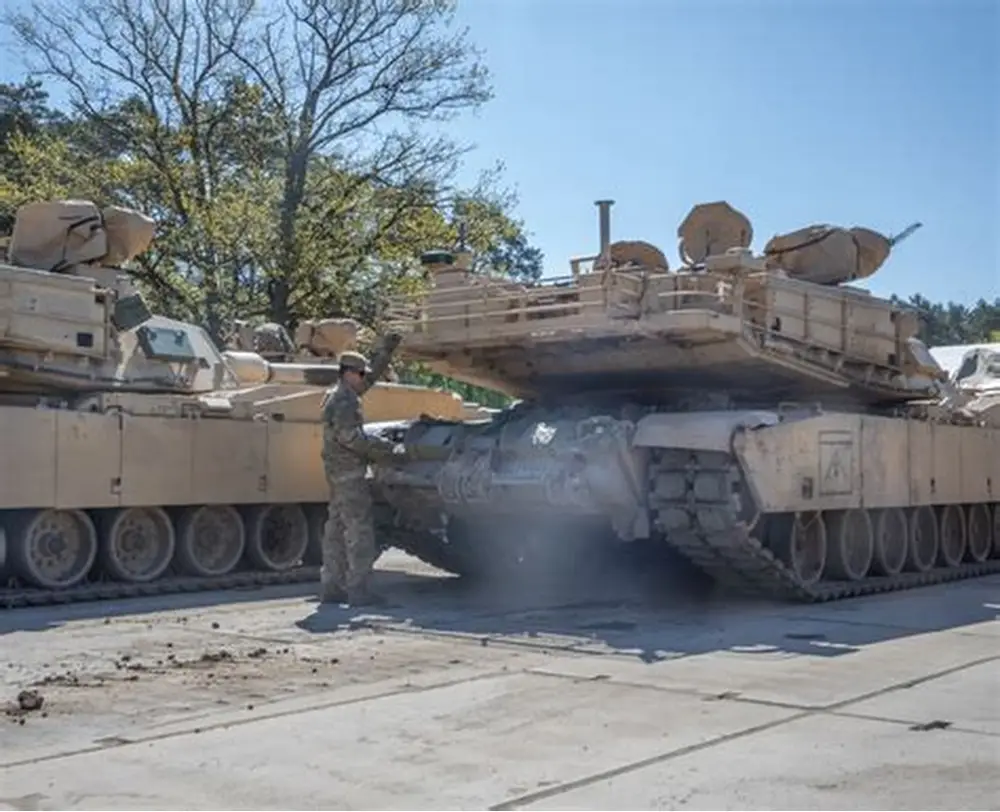
The schedule is ambitious. The Army hopes to have the first M1E3s on the battlefield in the early 2030s, with a number of demonstrator vehicles already under construction under a $150 million contract with General Dynamics Land Systems.

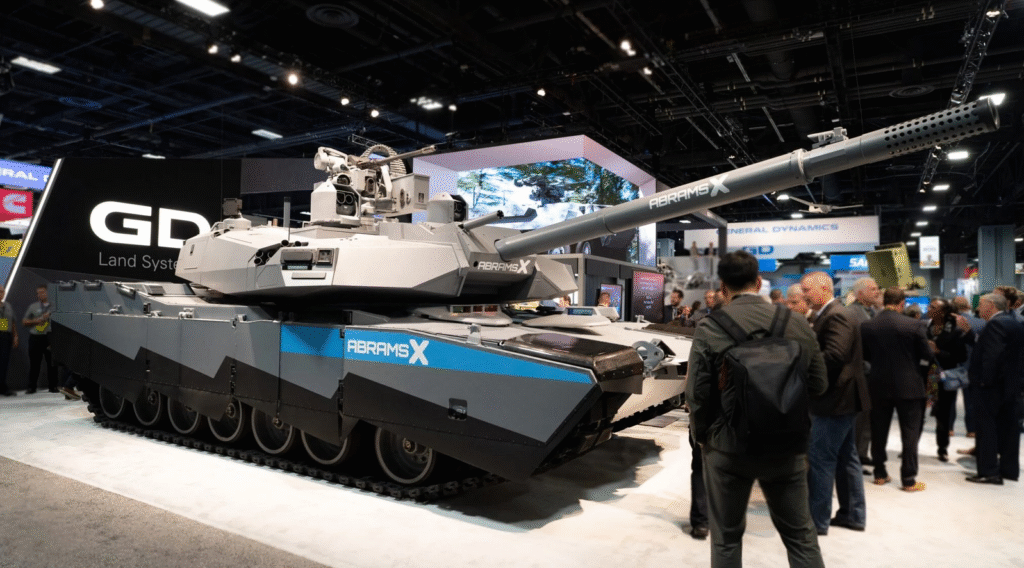
If it works, the synergistic union of hybrid propulsion, artificial intelligence-based systems, modularly defended armor, and unmanned capabilities could make the M1E3 the world’s most advanced battle tank for decades to come.
Even so, it’s a risk. The Army Science Board has cautioned that not meeting the requirement for future armor could jeopardize close-combat missions in the future. Top brass remain sure, however, that this jump is worth it. In the meantime, they continue to monitor Ukraine’s experimentations on the battlefield intently, insistent that when American tanks do move into the wars of the future, they will still be the top dogs of the armored world.