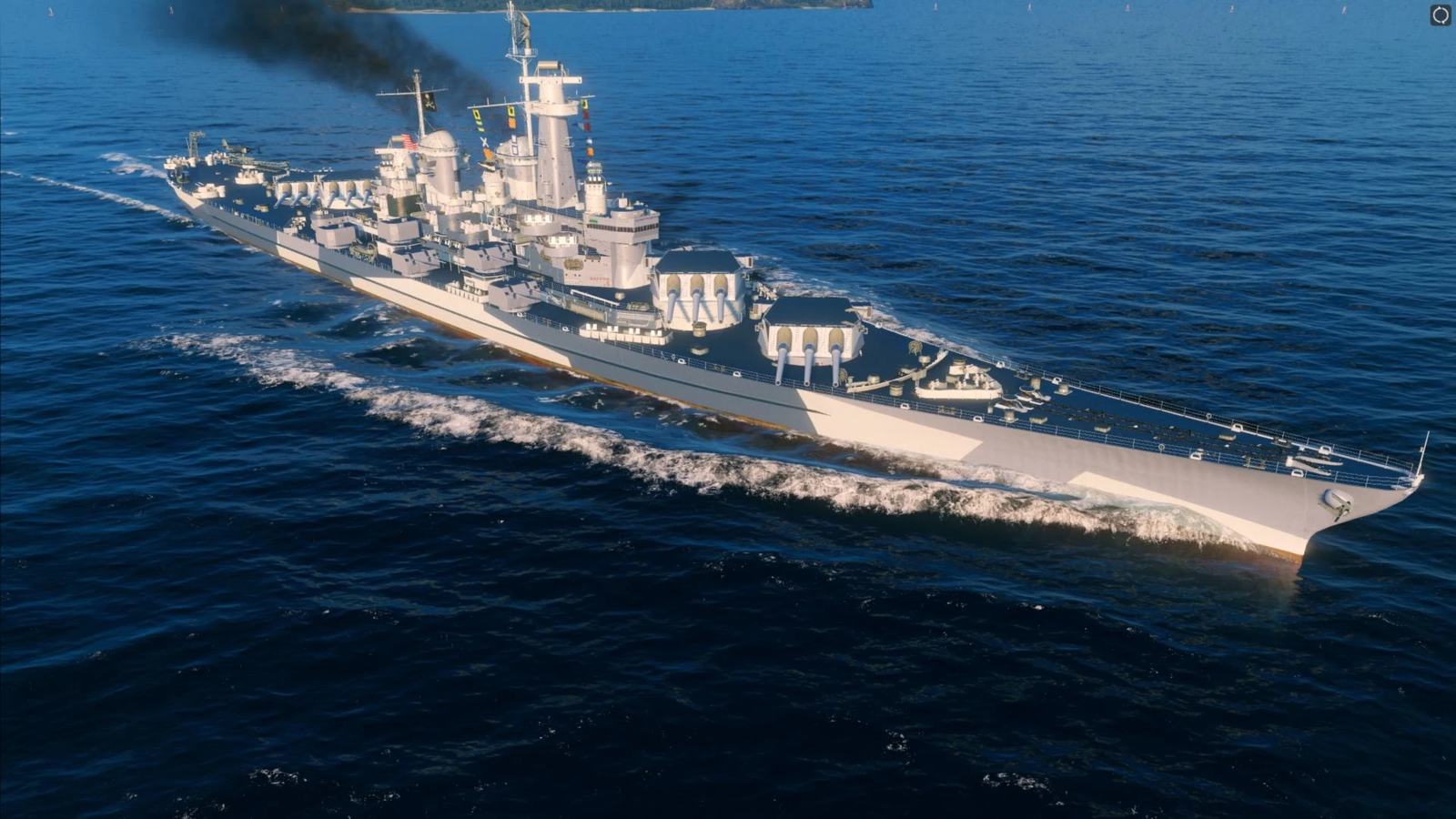
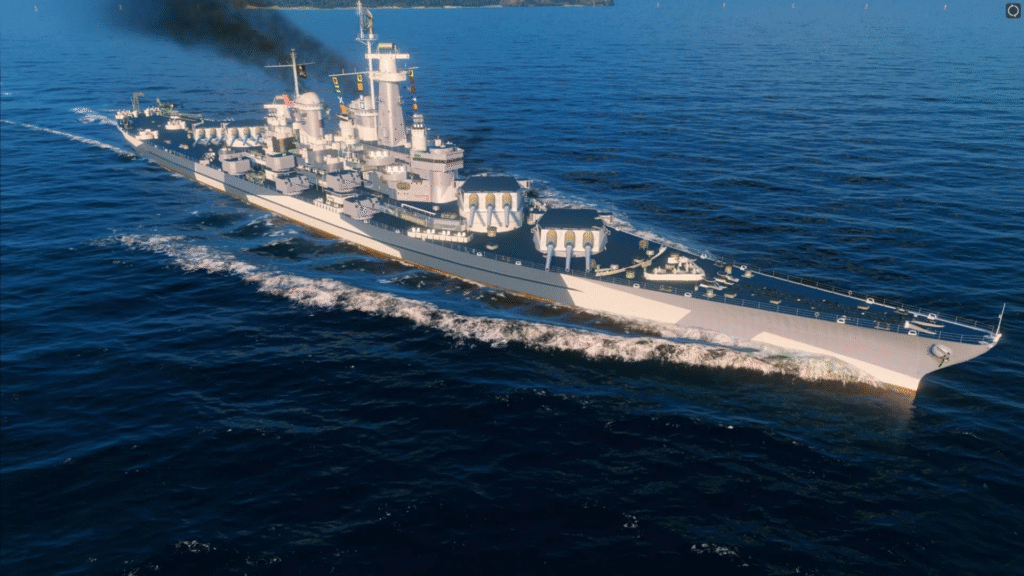
The Montana-class battleships were the final grand vision of an age when naval dominance was measured in terms of thick armor belts and the roar of great naval guns. They were meant to be the pinnacle of American battleshipbuilding, surpassing even the giant Iowa class with heavier armor and more firepower. But for all their planning, they remained on paper, set aside by the evolving nature of war.
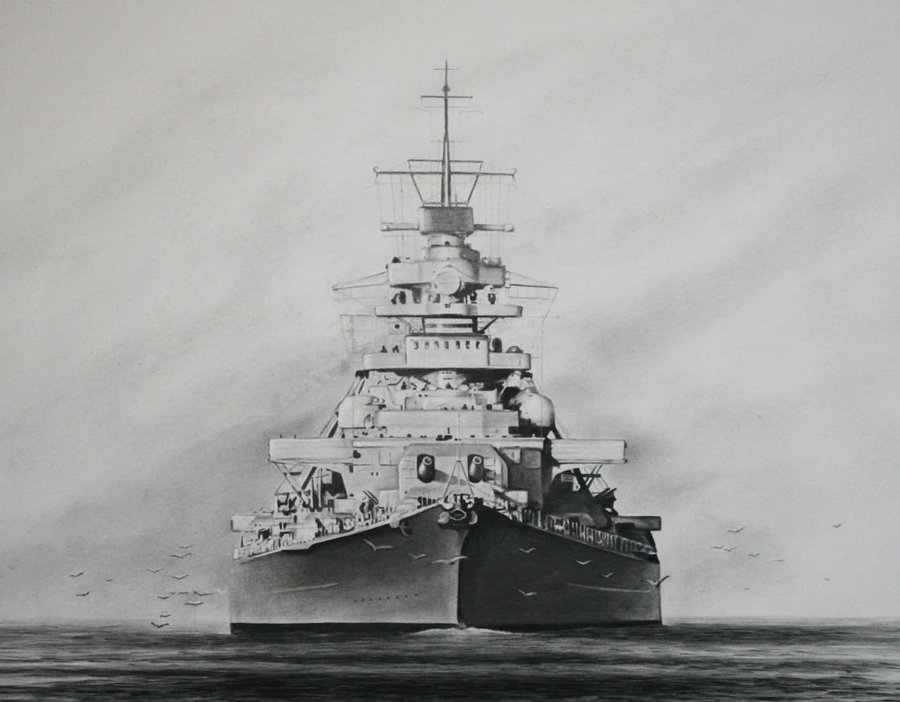
For decades, international agreements had controlled the type of battleships navies worldwide could construct, restricting displacement, armor, and firepower. The Montana class was a conscious departure from those constraints.
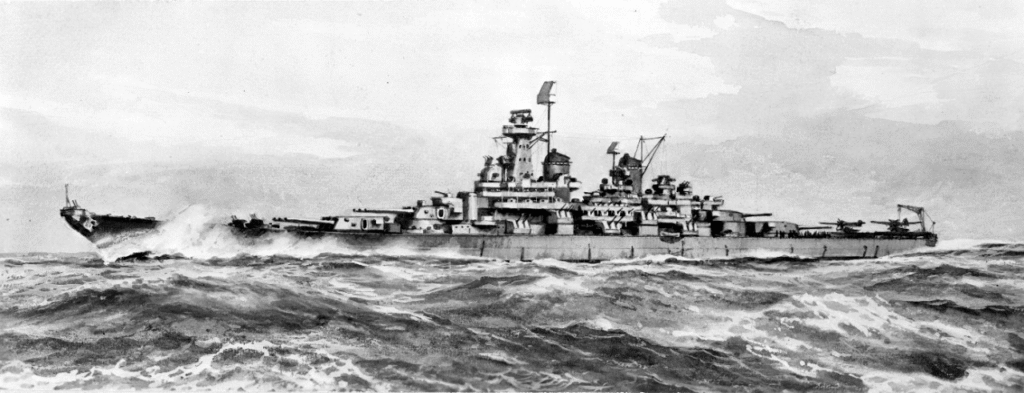
At a beam of 121 feet, they were so broad that they could not be shipped through the current Panama Canal locks, leading to proposals for larger locks to handle them. They were unapologetically designed ships, constructed to represent overwhelming power.
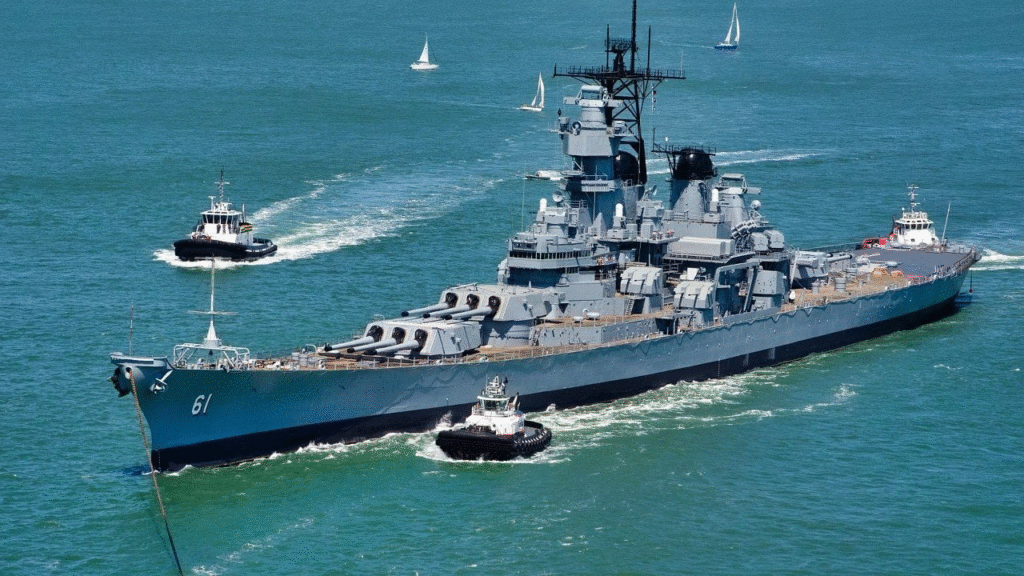
The process of their building started even before America joined World War II, with Congress sanctioning two ships in 1939. They were designed according to the Navy’s most conservative philosophy: favor protection and firepower over everything else, even if it meant losing the speed that defined the Iowa class. The Montanas were slower, but they were conceptualized as floating fortresses that could withstand damage but still deliver shredding broadsides.
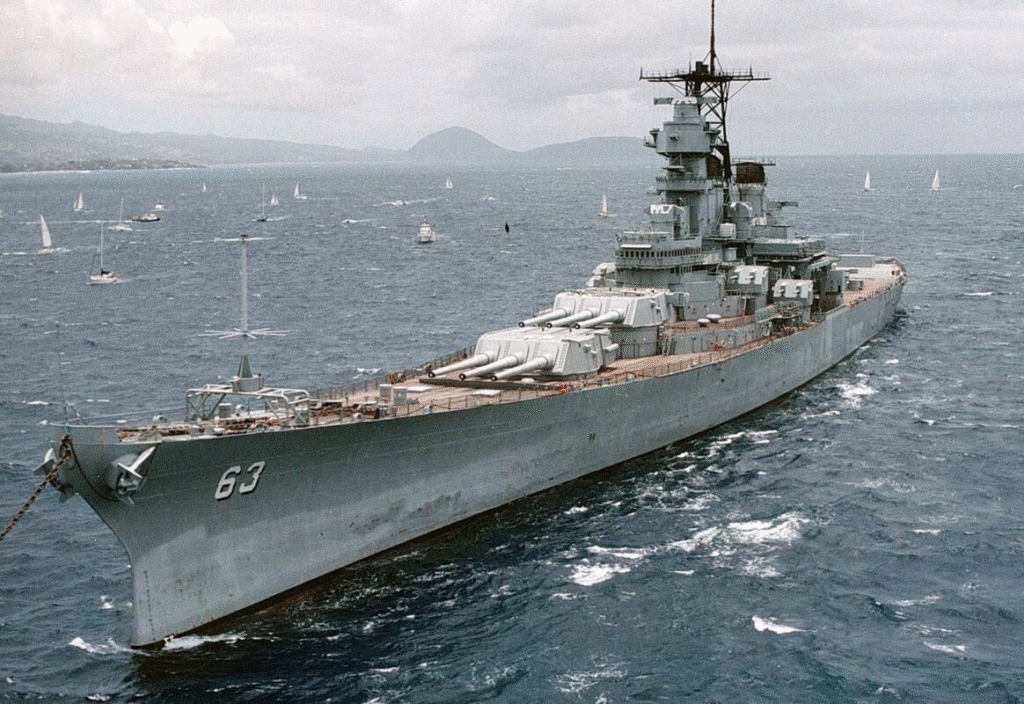
If they had been finished, the Montana battleships would have mounted the thickest armor ever installed on an American battleship. Their armor was intended to absorb the mighty 2,700-pound Mark 8 “superheavy” shells, the most deadly armor-piercing rounds of the time.
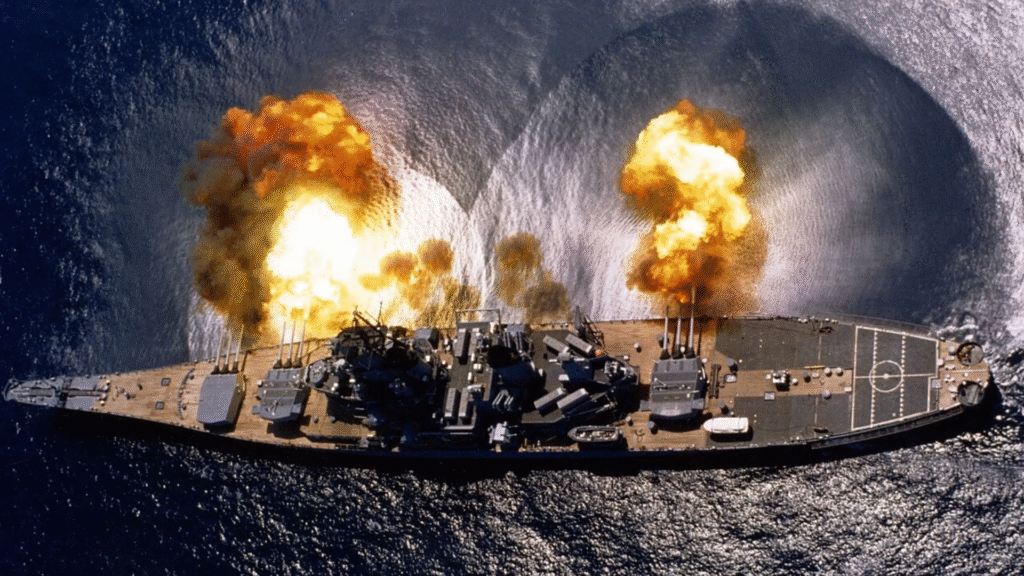
Their main armor belt was 16.1 inches thick, sloping at nineteen degrees to deflect incoming fire, with a lower belt also covering against those shells that plunged below the surface. They were layered in steel to a degree unmatched in U.S. naval history.
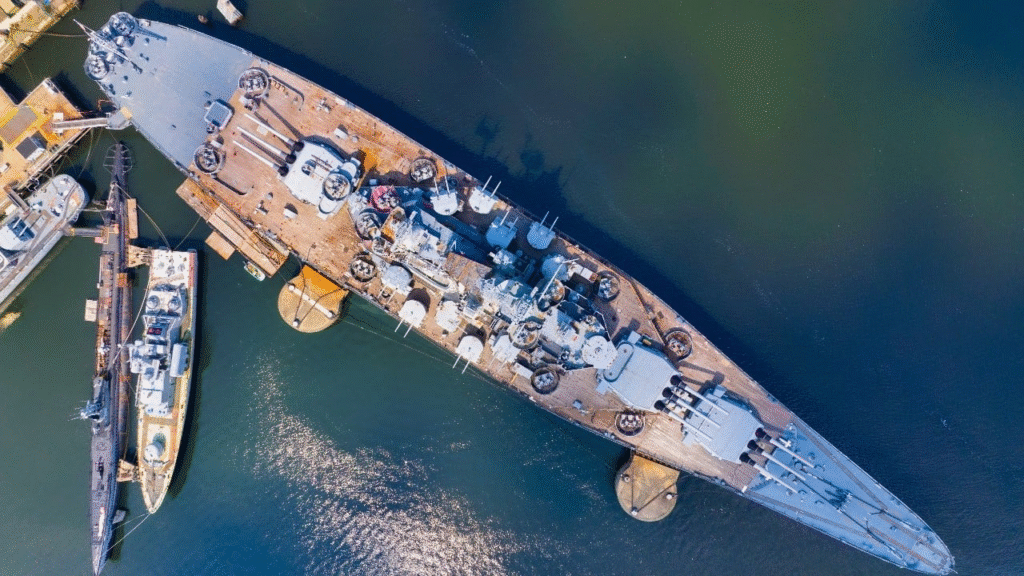
Their deck armor was also impressive. The use of three layers—a 2.25-inch weather deck, a 7.05-inch main armor deck, and a one-inch splinter deck—was designed to ward off plunging fire as well as aerial bombs. Their turrets, also, were testaments to defensive design, featuring faces as thick as 22.5 inches, even thicker than the Iowas, and barbettes ranging from 18 to over 21 inches. None of the American battleship designs had them beat for simple bracing strength.
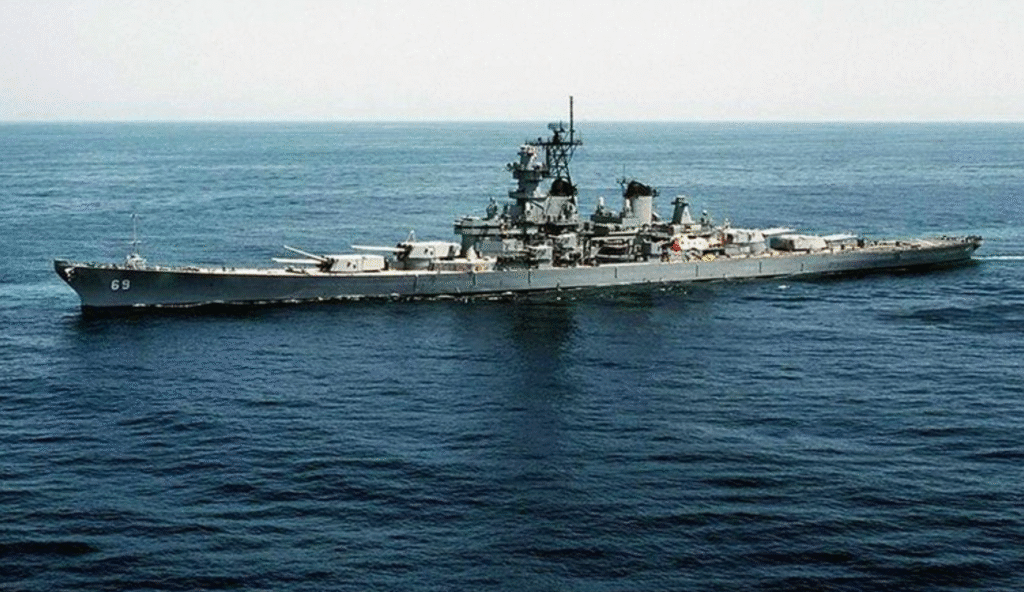
Below the waterline, they packed some of the most advanced defenses ever designed. A four-layer system of torpedo protection, alternating between liquid- and air-filled spaces, was constructed to absorb and disperse the shock of torpedoes or mines.
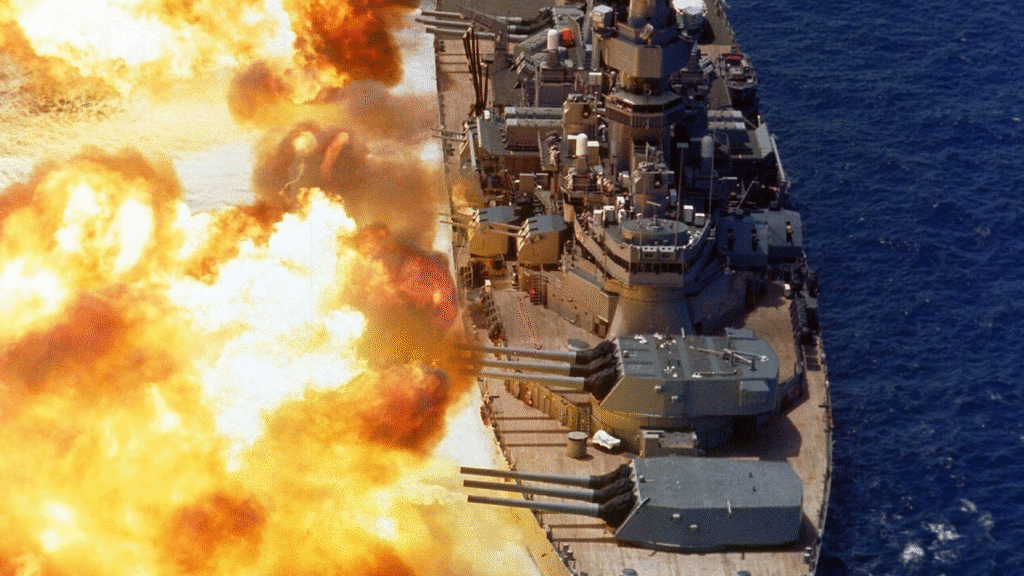
This depth and sophistication were an expression of the central concept behind the Montana class: a ship that could absorb tremendous punishment, stay afloat, and continue to fight.
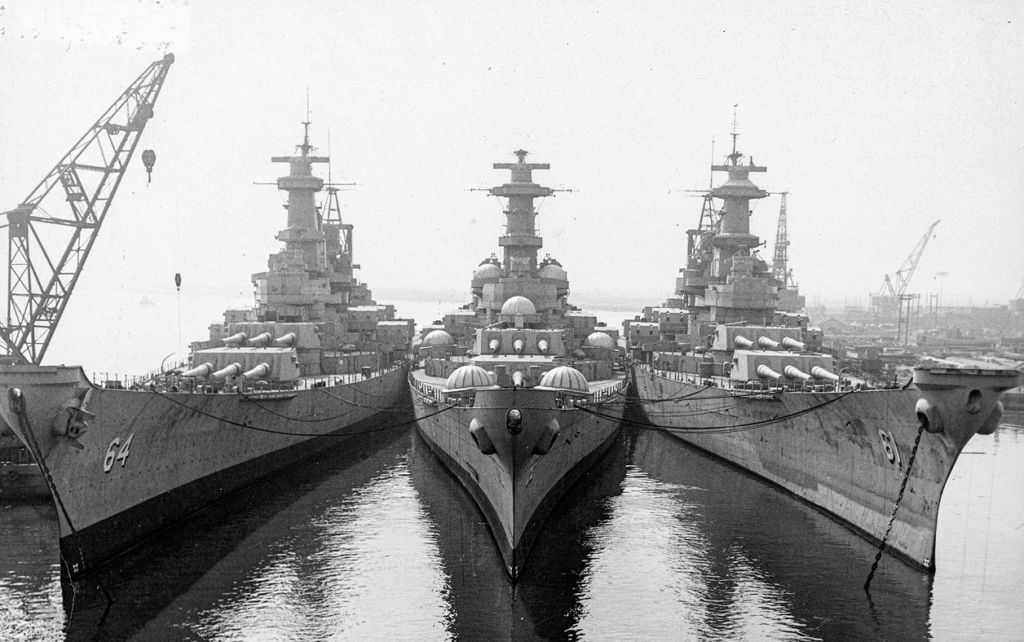
Ultimately, the Montana class was a dream that never came true. With World War II, production turned to aircraft carriers and more fleet-speed battleships, which better served the new naval warfare.
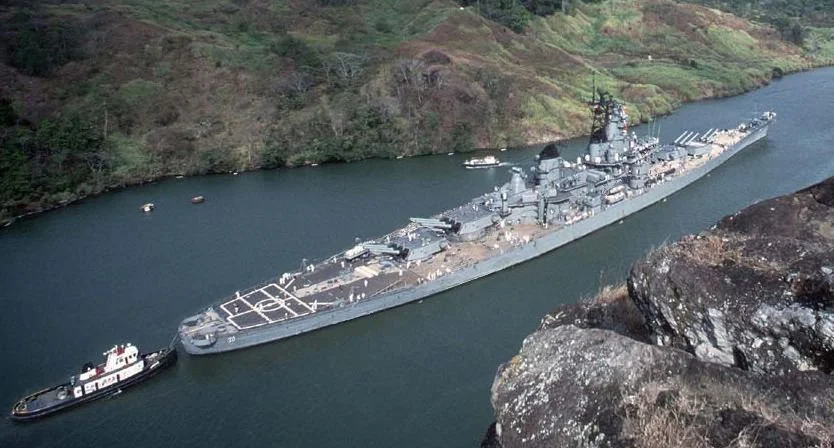
The Montanas, despite their potential, remained only blueprints—representations of a battleship era already started to pass. They are remembered not for what they fought, but for what they were supposed to fight, a legend of steel leviathans that never set sail.

Dr. Monica Reyes is a Clinical Health Psychologist & Mindfulness Educator
She has done her Ph.D. in Clinical Psychology, University of Michigan
She is also a licensed psychologist with over 15 years in behavioral health, Dr. Monica Reyes specializes in integrating mental wellness with everyday lifestyle practices. Associated with Gymbag4u.com since its initial days.