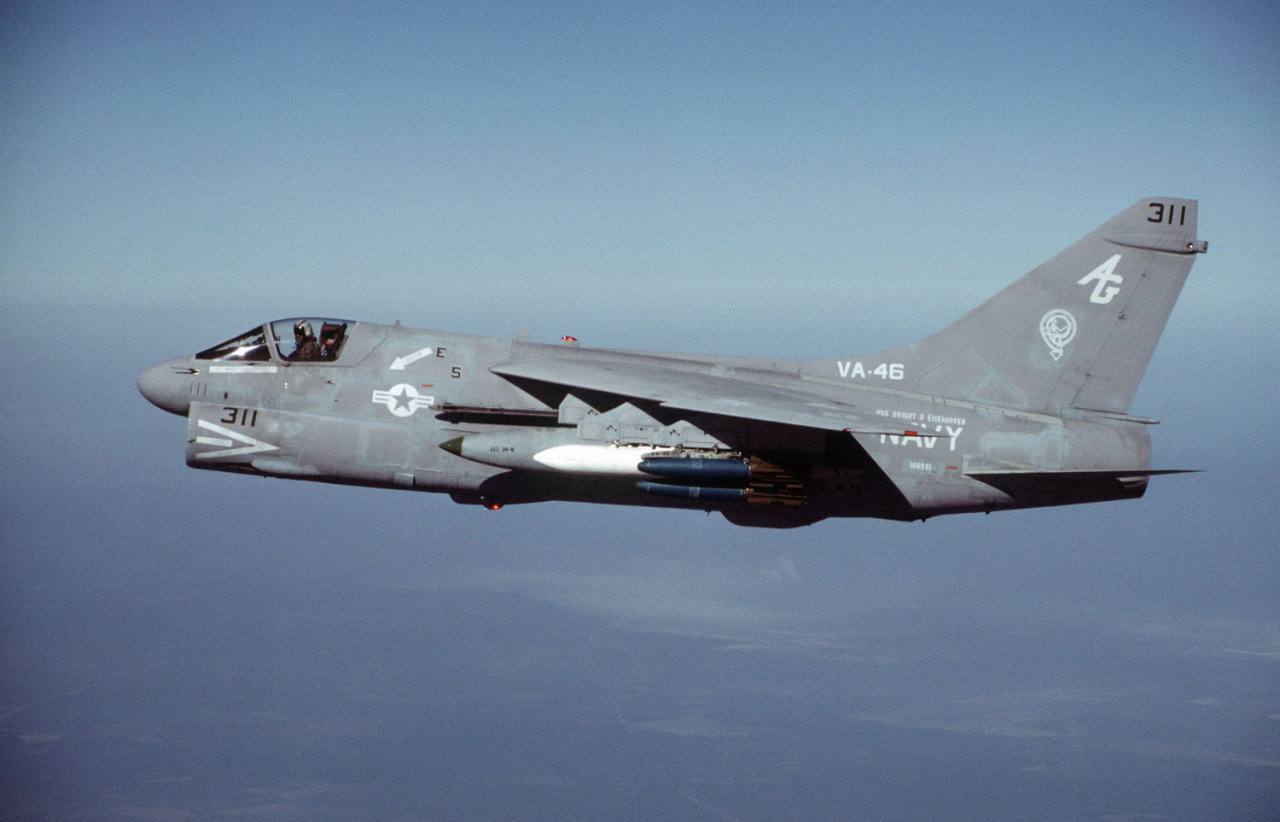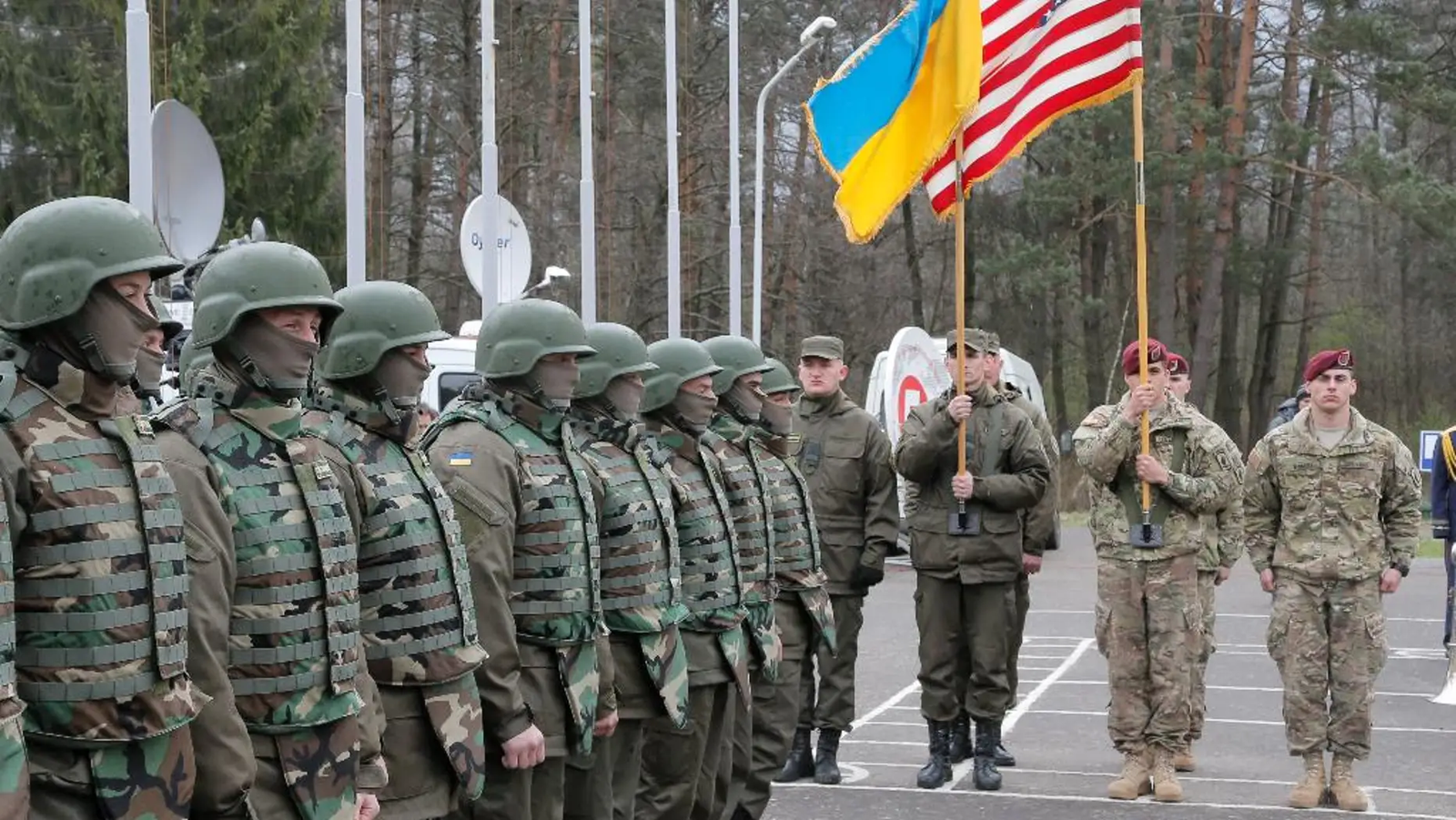

If you believed the most recent season of your go-to drama television series had twists and turns, the drama surrounding U.S. aid to Ukraine has been even more dramatic. It has all the makings of a high-stakes drama: mighty defense firms, influential think tanks, polarized politics, and a biddable cast of global leaders dictating the fate of a grinding conflict. Let’s break down how this aid package evolved into one of the hottest debates in Washington and internationally.

The most recent turn came when the Trump administration chose to suspend important arms deliveries to Ukraine, such as Patriot missile interceptors and guided artillery rounds. The stated rationale was that U.S. inventories were low, but for Ukraine, it was an immediate blow.

As Russian troops unleashed wave after wave of drones and missiles, Ukrainian commanders said suspending deliveries would deprive defenses around Kyiv of needed strength and give courage to Moscow. Ukrainian opposition legislators took a further step, insisting that such interruptions of assistance would only contribute to more civilian casualties.

What’s behind the slowdown? Much of the explanation is to be found in America’s military-industrial complex. For decades, defense giants Lockheed Martin, Boeing, Raytheon, and General Dynamics have controlled arms sales worldwide, generating billions annually. These companies hire scores of lobbyists, some of whom are retired defense officials, to make sure that weapons deals continue to be a top priority in Washington. Combined, these four companies alone are responsible for at least half of recent U.S. arms sales overseas, according to some estimates.

And then there are the think tanks—the policy shops that set much of the national security agenda. They get a lot of money from defense contractors or the Pentagon in many cases, sometimes even over a million dollars annually.

That tends to drive their work. When you hear experts demanding additional tanks, missiles, or aircraft for Ukraine, pay attention to who is paying for their work. Groups that avoid defense dollars, including human rights groups, spend less time on weapons transfers and more time recording war crimes or calling for accountability. The contrast is dramatic.

Overseeing it is another area of contention. The Government Accountability Office has pointed to loopholes in the tracking and delivery of U.S. aid. Billions of dollars of equipment have been overvalued, and the Pentagon and State Department each lack a uniform system for tracking what does make it to the battlefield. The absence of transparency raises genuine worries about inefficiency, waste, and whether highly sensitive weapons could end up in the hands of the wrong people.

At the same time, public opinion is far from unanimous. Polls indicate a big majority of Americans would rather reduce foreign aid and channel resources into domestic priorities such as healthcare and education. Others contend that it’s essential to keep up Ukraine support for U.S. credibility around the world. This is playing out in Congress, where aid packages still pass but with growing opposition from lawmakers who are more isolationist in their views.

Diplomacy has also been no less complex. Recent efforts within the United Nations underlined cracks among allies, as U.S.-circulated proposals encountered opposition from European allies. The reluctance underscored more profound disagreements about how the war would end, and whether Ukraine’s long-term security would primarily come to depend on NATO or European responsibility.

Others worry that the grand bargain that could be forged by Washington and Moscow to define Ukraine’s destiny would leave Kyiv only partially at the negotiating table, repeating painful moments from the past.

Ultimately, American military support for Ukraine isn’t so much about shipping arms abroad. It’s an experiment to see how defense companies, lawmakers, and global alliances behave under stress. It’s also a tale of power—who controls the conversation, who makes money, and who bears the cost when the aid spigot dries up. Like any good long-term soap opera, the next scene is not yet written, but the consequences couldn’t be greater.