
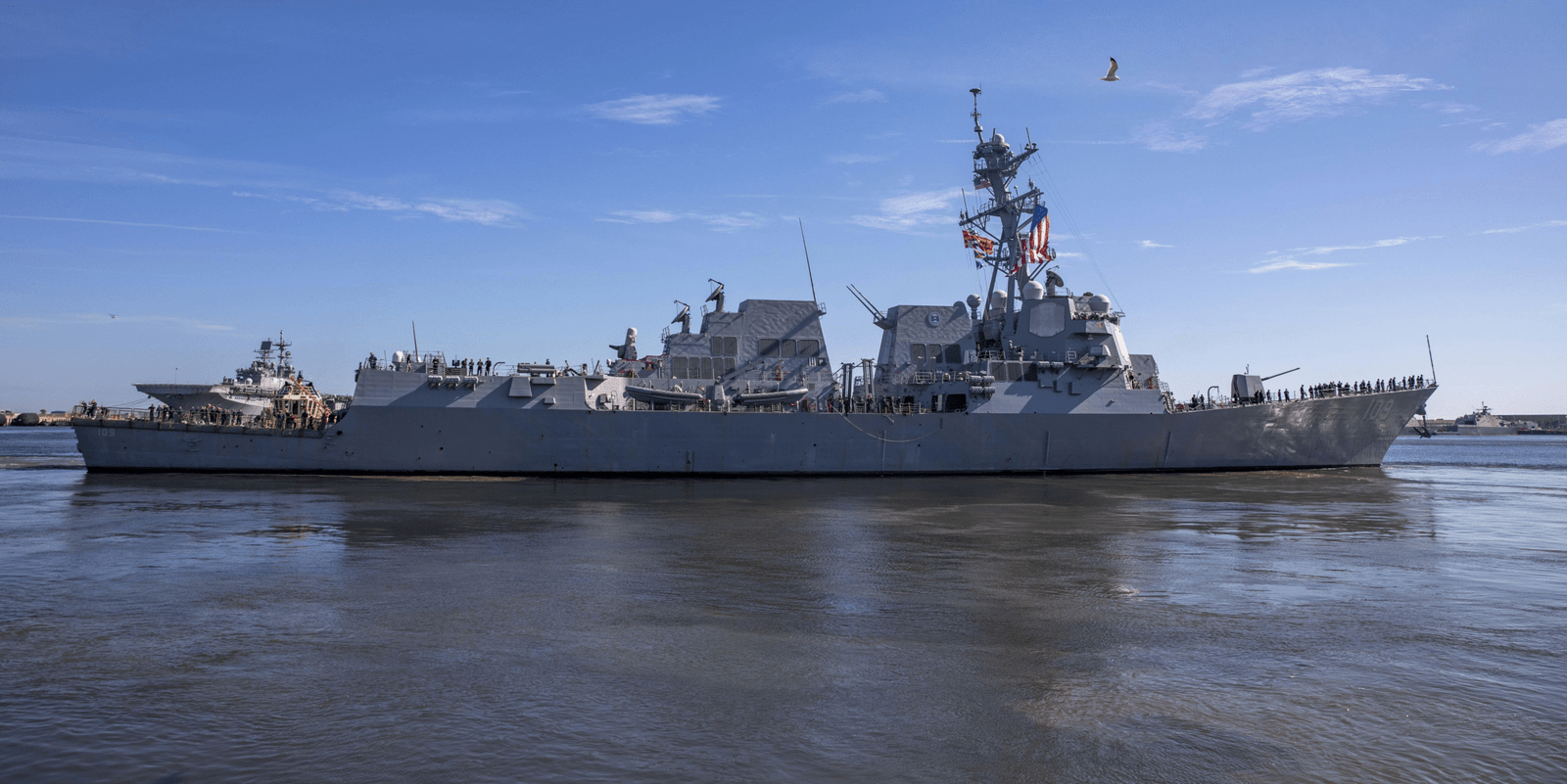

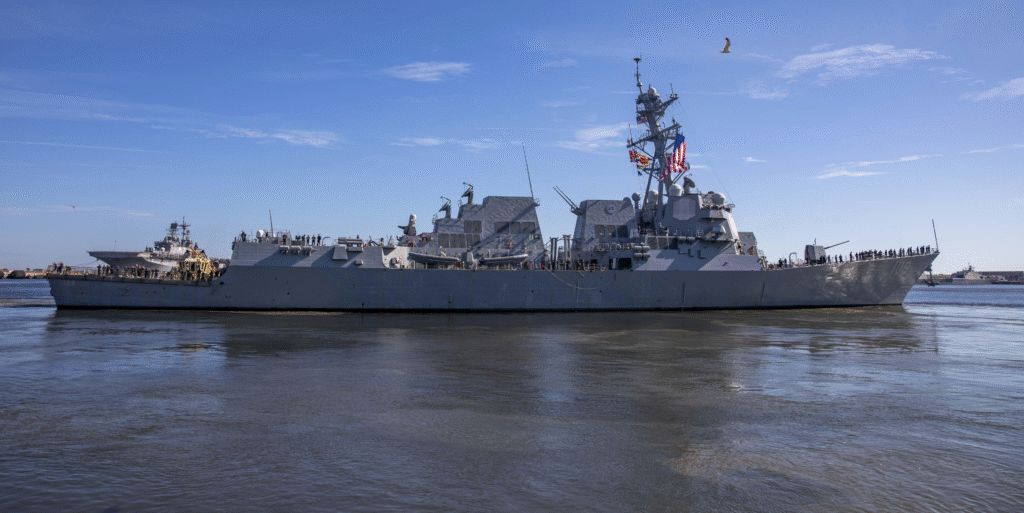
The Caribbean is once again the backdrop for a heightened military confrontation. The United States has sent one of its most powerful naval strike groups off the coast of Venezuela, with a biting and defiant response from the Maduro regime. Officially, the mission is defined as part of Washington’s war on drug trafficking, but its nature and size have fueled suspicions of a larger agenda—regime pressure, strategic signaling, and echoes of Cold War competition with a twist.

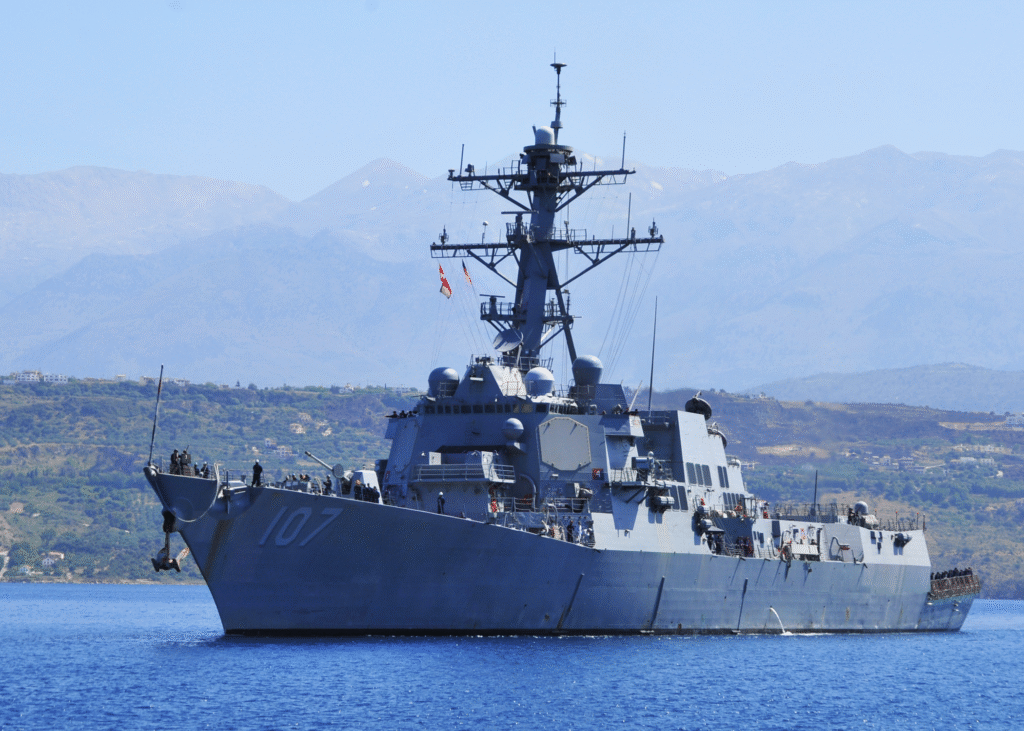
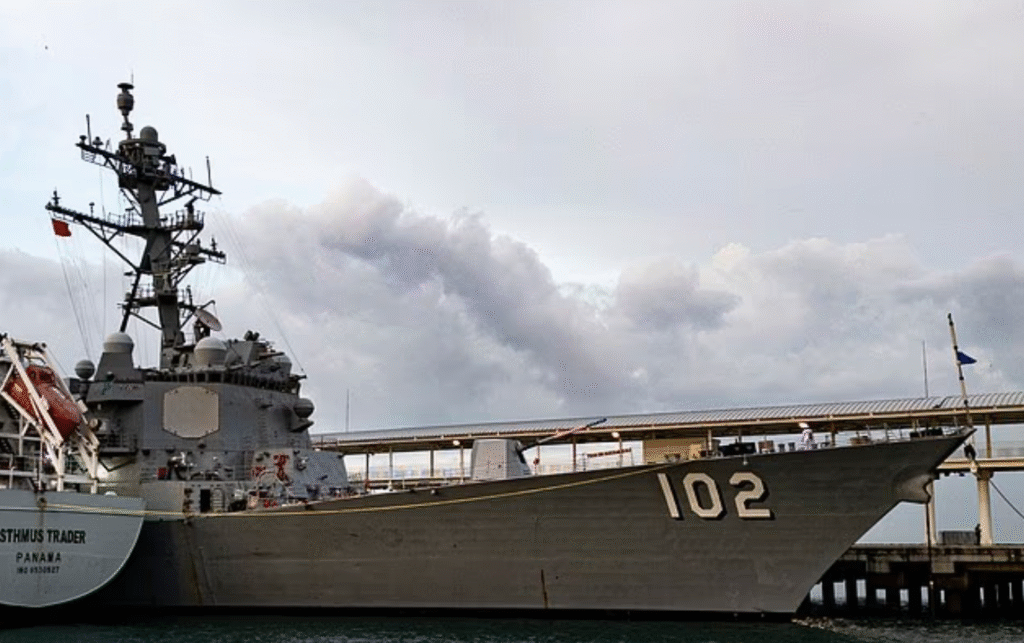
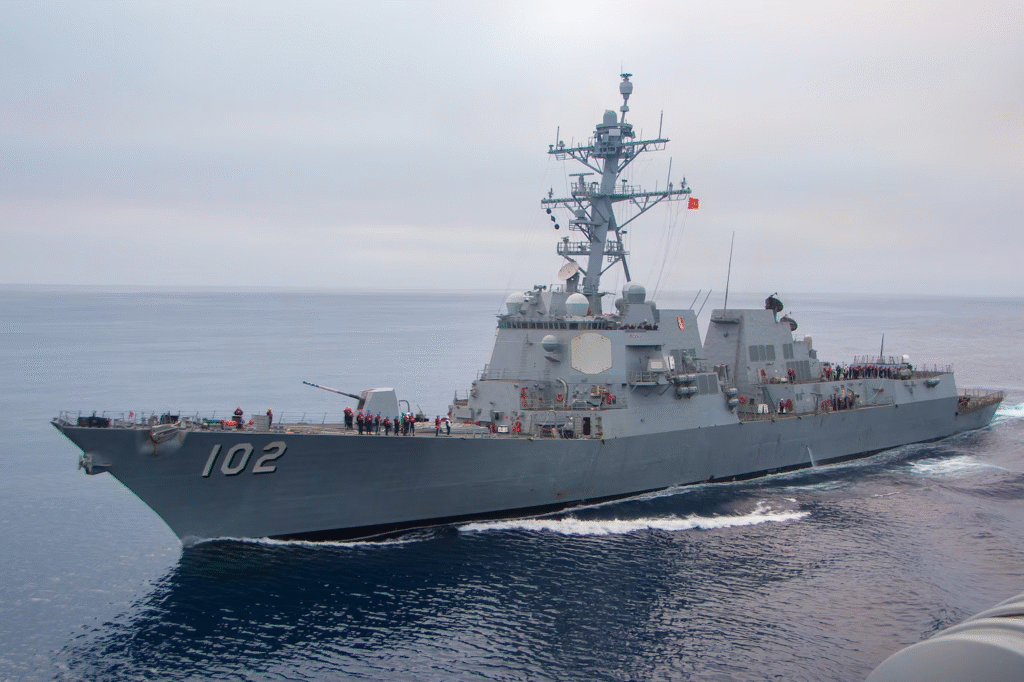
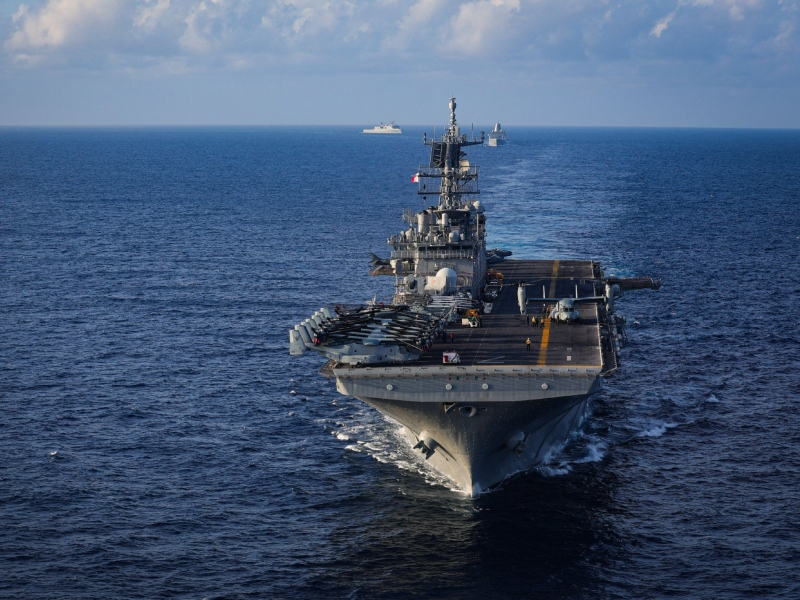
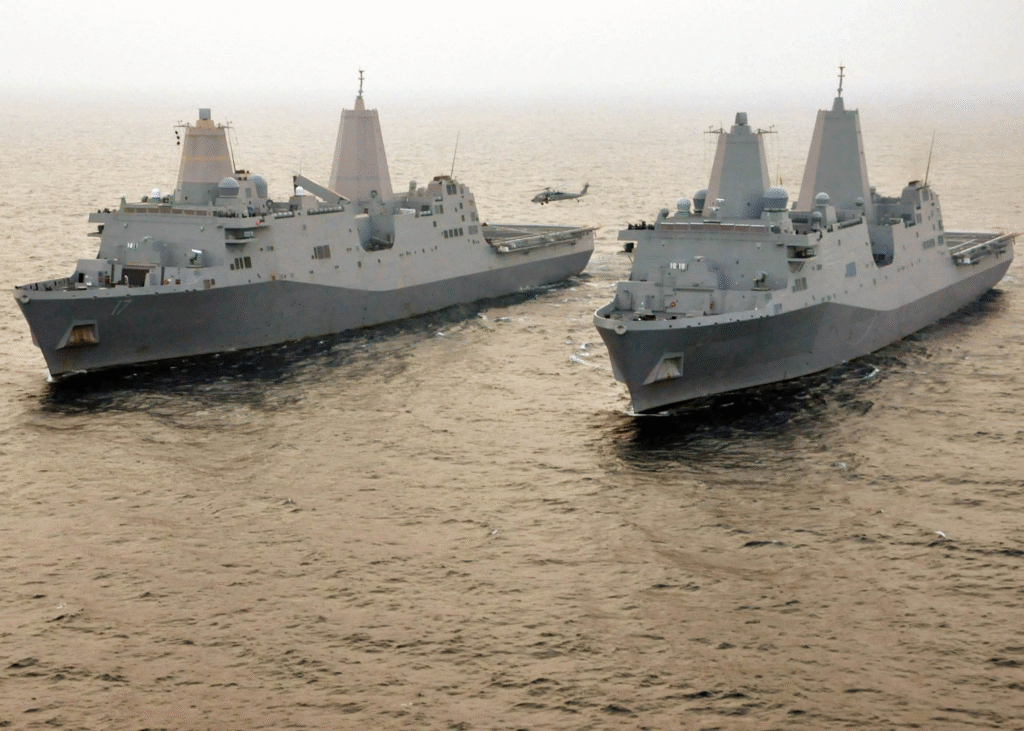
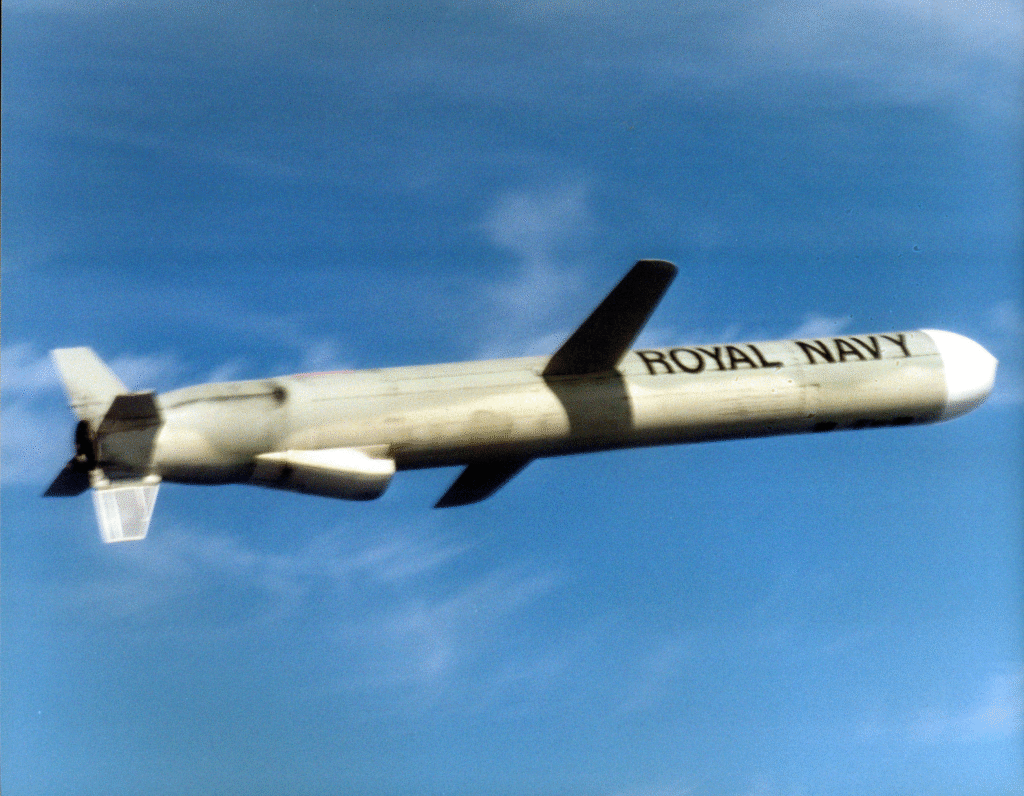
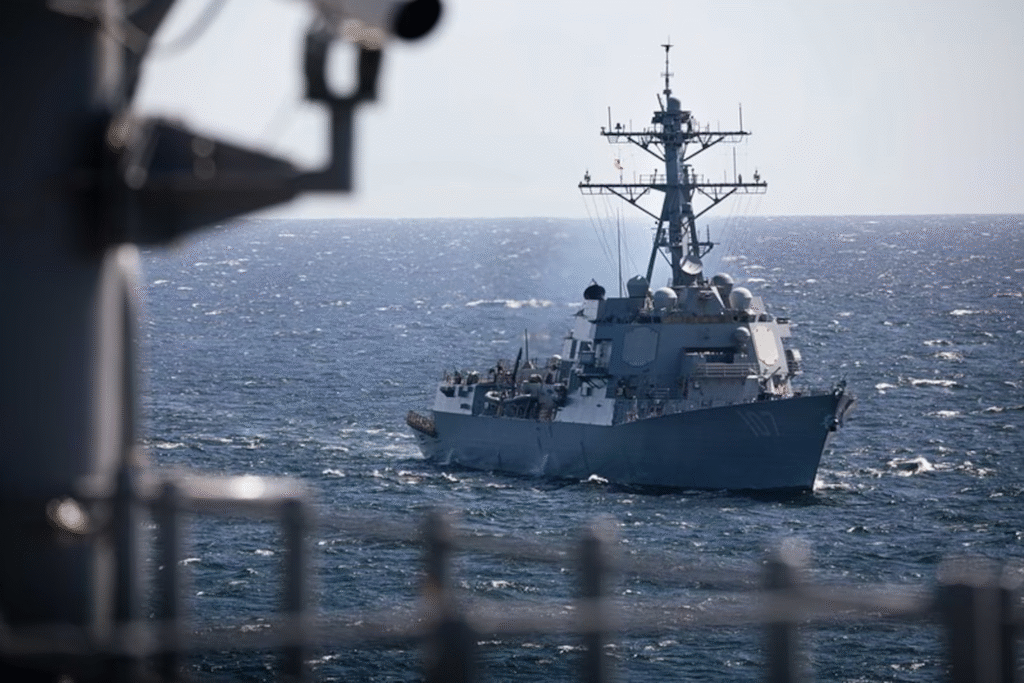
Three Arleigh Burke–class Aegis destroyers—USS Gravely, USS Jason Dunham, and USS Sampson—are at the center of the U.S. task force. They all have over 90 vertical launch cells that can shoot Tomahawk cruise missiles, advanced anti-air interceptors, and anti-submarine missiles. They are prepared destroyers with state-of-the-art radar and electronic warfare capabilities to control more than one medium at a time. Backing them is an amphibious ready group anchored on the USS Iwo Jima, USS San Antonio, and USS Fort Lauderdale. Combined, they provide up to 4,500 troops, including an augmented Marine Expeditionary Unit of about 2,200 Marines, with helicopters, short-takeoff aircraft, and armored vehicles available for quick operations from raids to larger-scale amphibious invasions.

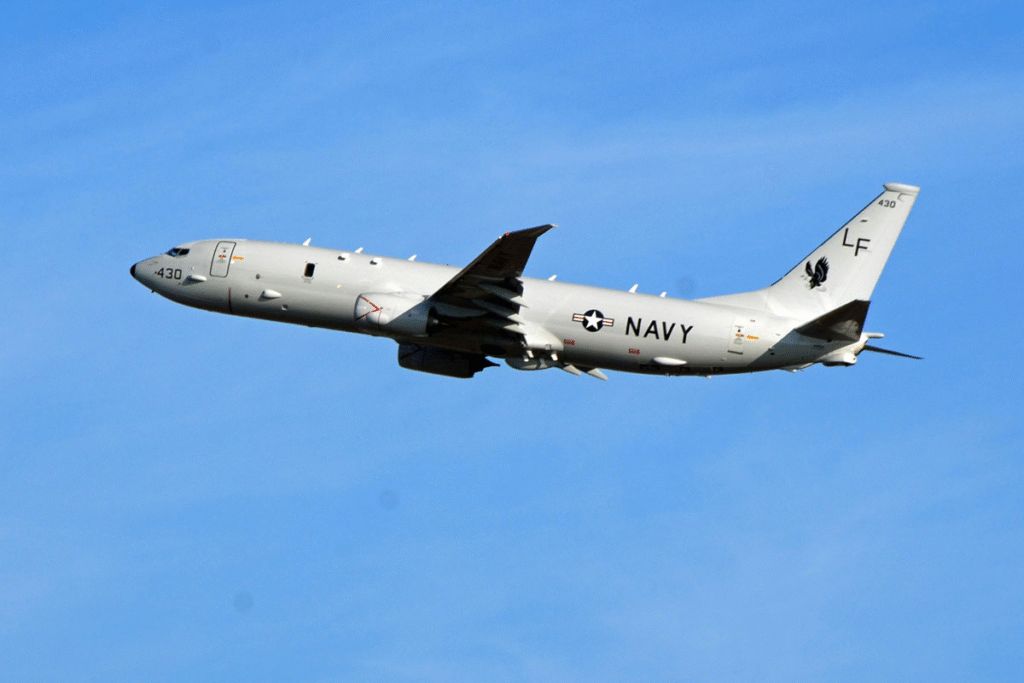
Under the surface is at least one nuclear-powered fast-attack submarine that is thought to be cruising off Venezuela’s international waters. Supported by P-8A Poseidon maritime surveillance aircraft, this aspect increases the reach of the task force in the Caribbean, providing clandestine intelligence gathering and the capacity to hit targets on short notice. Combined, the combination of surface warships, Marines, submarines, and spy planes conveys much more than a typical counter-narcotics operation—it is a demonstration of visible American power projection in the region.

Washington has put the deployment in terms of combating drug cartels, specifically Venezuela’s Tren de Aragua and Mexico’s Sinaloa Cartel, which U.S. officials blame for America’s fentanyl epidemic. Huge sea seizures in recent times have been used as justification, and by applying the label of foreign terrorist organizations to these groups, the U.S. has opened the door for increased military use. Officially, the mission is about intercepting smuggling boats, patrolling trafficking routes, and possibly hitting cartel-linked facilities.

Nevertheless, the timing indicates more ambitious motives. The deployment was after Maduro’s disputed re-election in mid-2025 and amid Washington doubling the reward for his capture, charging him with operating a narco-terrorist network called the Cartel de los Soles. Sanctions against Venezuela’s oil sector continue, and the naval deployment resembles a move in a “maximum pressure” policy aimed at eroding Maduro’s legitimacy and ratcheting up pressure on his regime.

Caracas has reacted with typical brashness. Defense Minister Vladimir Padrino declared the deployment of naval units and drone patrols along the Caribbean seafront. The government put its armed forces on high alert, prohibited drone flights over most of the country, and sent 15,000 troops to the Colombian frontier to suppress criminal gangs. Maduro also mobilized the Bolivarian National Militia, with millions of members, referring to them as the strength of Venezuela’s territorial defense. He vowed that rifles and missiles would be handed out to militias to fight back against what he called an “imperial invasion force.
Maduro’s speech has been militant. He has cast the U.S. task force as a colonial menace deployed by a dying empire, mobilizing his base into industrial and rural militias and highlighting sovereignty, resistance, and Bolivarian patriotism. The militia, created by Hugo Chávez in 2007 and now officially a component of Venezuela’s military, is key to his mass mobilization strategy with regular units.

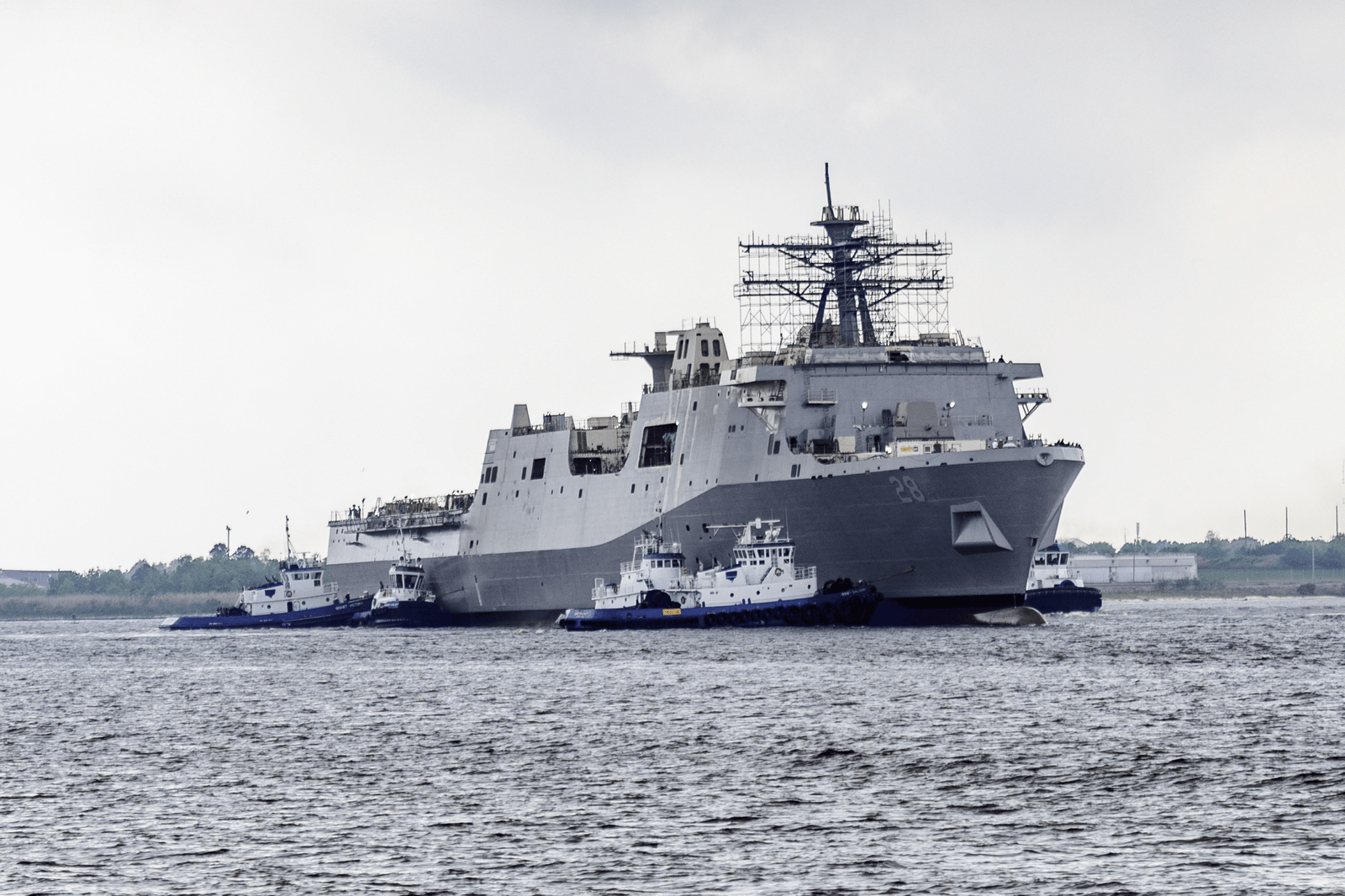
The strategic interest goes beyond Venezuela itself. Washington regards the Caribbean as a historic red line in its sphere of influence. Sailing destroyers, amphibious ships, Marines, and submarines just off the Venezuelan coast is both a warning to Maduro and a message to other powers with interests in Caracas. To the U.S., the area is too close and too important to neglect.

Responses across the hemisphere have varied. Some governments discreetly back Washington’s position, perceiving the crackdown against cartels as unavoidable, while others have attacked the move as an overreach. Mexico, for instance, has cautioned that U.S. military action threatens to destabilize Latin America. Colombia has expressed nervousness, apprehensive of being drawn into a broader confrontation. Caribbean states, bound to Venezuela by commerce and energy supply, are concerned that the crisis threatens to upset essential economic lifelines.
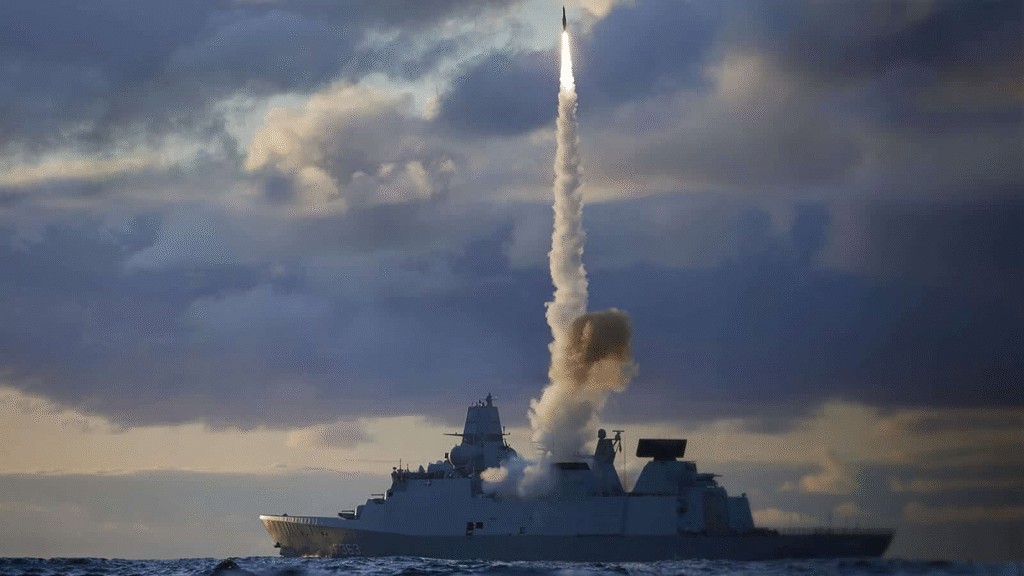
The danger of escalation is genuine. With thousands of Marines, cruise missile–equipped destroyers, and a nuclear submarine nearby afloat Venezuelan troops afloat, the threat of miscalculation hangs over the scenario. Any direct attack on Caracas would be extremely risky: international outcry, potential disintegration of Venezuelan state institutions, and the prospect of a humanitarian and refugee disaster spreading to the neighboring states. Friends of Maduro might also intervene with new arms or advisors, generating flashpoints elsewhere in the Caribbean.

For the moment, the U.S. presence is a blunt warning. It is a demonstration of power directed against drug traffickers, Maduro’s government, and foreign sponsors observing from the sidelines. The Caribbean, that historic arena of world rivalries, is once again playing host to great-power competition—where drugs, sovereignty, and geopolitics meet, and where one miscalculation might turn a strained standoff into a regional crisis.