
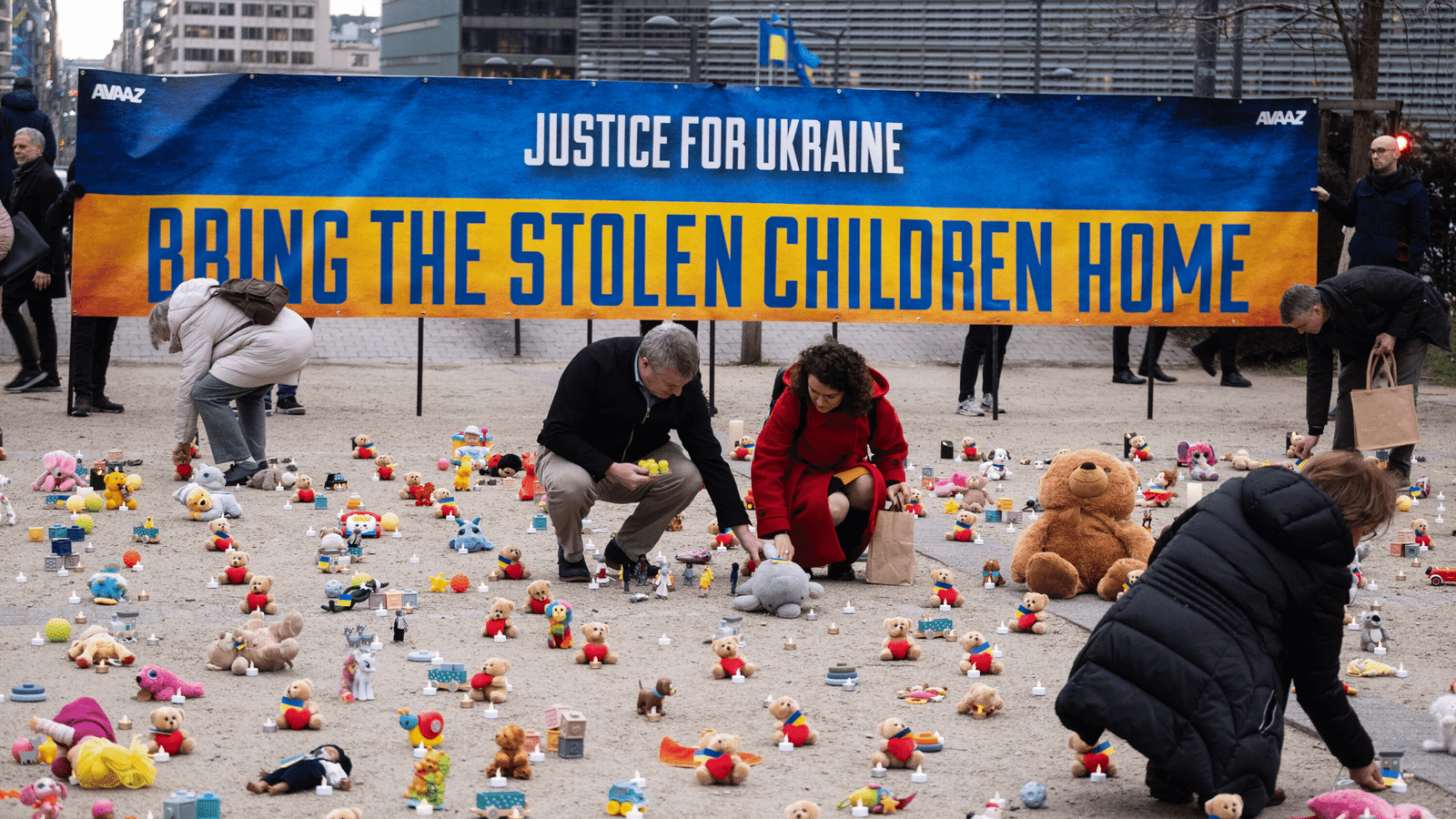


We usually envision the price of war to be collapsing buildings or sick economies. But the saddest pain is more often quiet, personal: the lives of children whose worlds are shattered, identities erased, and futures reordered by forces far beyond their control. In Ukraine, this catastrophe is unfolding on a massive scale, as thousands of children have been abducted, deported, and inducted into militarized programs since the start of Russia’s occupation.


The numbers are staggering. It is confirmed by the reports of Ukrainian officials that at least 19,500 children have been taken to Russia since the beginning of 2022, while the total figure could be several times larger. These are not just displaced kids—these are targeted with an orchestrated effort to eliminate their Ukrainian identity.


Some are banned from speaking their own language, are coerced into accepting Russian citizenship, and are shipped off to so-called “summer camps” or “rehabilitation centers” where indoctrination and military training are the secret agenda.


Personal anecdotes put a human face on these statistics. Take Katya, a teenager from Kherson, who was lured under the pretense of a seaside vacation only to find herself in a Russian military camp. The days were spent in drills, compulsory singing of the Russian anthems, and punishment for speaking Ukrainian. These children were told that they were being prepared for war, to fight against their own nation one day. Any opposition was met with imprisonment, separation, and relentless psychological pressure.

The machinery of these kidnappings is horribly effective. Russian officials kidnap orphans and children with living parents, often in the guise of humanitarian evacuation. Children are resettled upon deportation in temporary accommodation, foster families, or technical schools.


Ukrainian passports are replaced with Russian ones, effectively cutting off ties to their native land. Non-governmental agencies have managed to rescue some of the children, but surmounting border controls, enforced citizenship, and obstruction on the part of the bureaucracy make reunion a battle.

The psychological impact on such children is extreme. Long-term separation from their families, indoctrination, and erosion of cultural identity leave deep scars, resulting in trauma, confusion, and continuing emotional problems. Experts say the ability to maintain one’s own identity is essential to all other human rights. Without it, recovery is a long and precarious one. Mental health treatment is needed, but Ukraine’s child welfare system is already greatly overburdened by the war.

International law is crystal clear: transferring and militarizing children by force is a war crime. The International Criminal Court has already issued warrants for arrest for senior Russian officials on charges of being criminally responsible for the forced deportation of Ukrainian children. Political games and denial, nonetheless, still define the actions taken by those responsible, presenting them as protective in nature.

Humanitarian agencies, both child welfare and others, are working to register cases, reunify families, and provide basic care. Services have been taken to teams all over Ukraine and the surrounding regions with food, medication, and tracing services for missing children. Access to Russian-controlled areas remains very limited, and repatriation is a slow, complex, and often dangerous process.

This crisis is not unique to Ukraine. Globally, children bear the heaviest price of armed conflict. In a single year, the United Nations recorded nearly 33,000 serious violations against children in conflict zones, such as deaths, injuries, abductions, and forced recruitment into the military. The long-term damage runs deep, and the world has an imperative to protect vulnerable children wherever war finds their lives.


Finally, the fate of such children is a test of our shared humanity. As Ban Ki-Moon, former UN Secretary-General, once observed, “It should be a matter of shame to every State represented here today that innocent children continue to pay such a terrible price in the multiple conflicts being waged across our world.” The world looks on. What we do will not only decide the future of Ukraine but the future of all children caught in the devastation of war.