
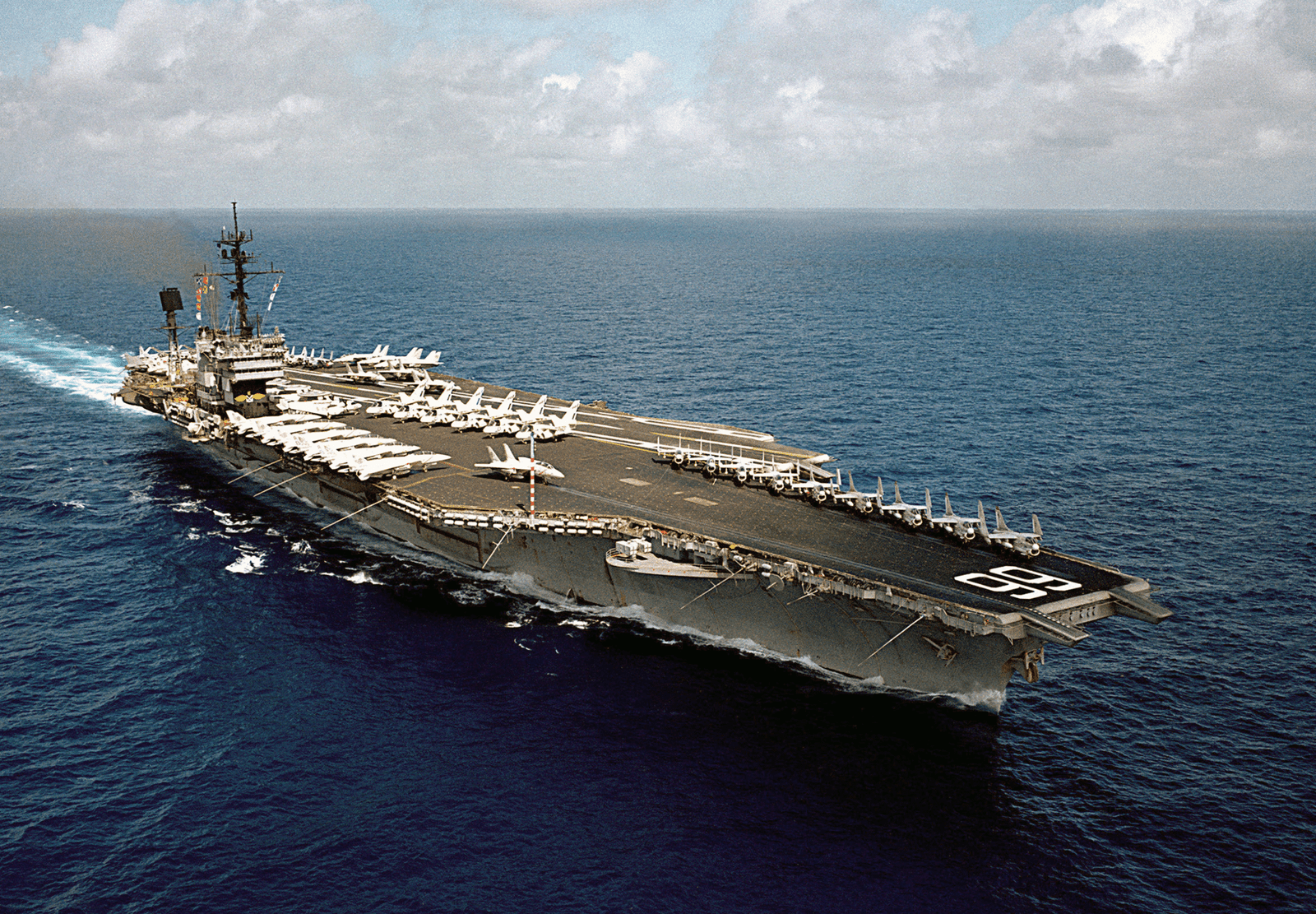

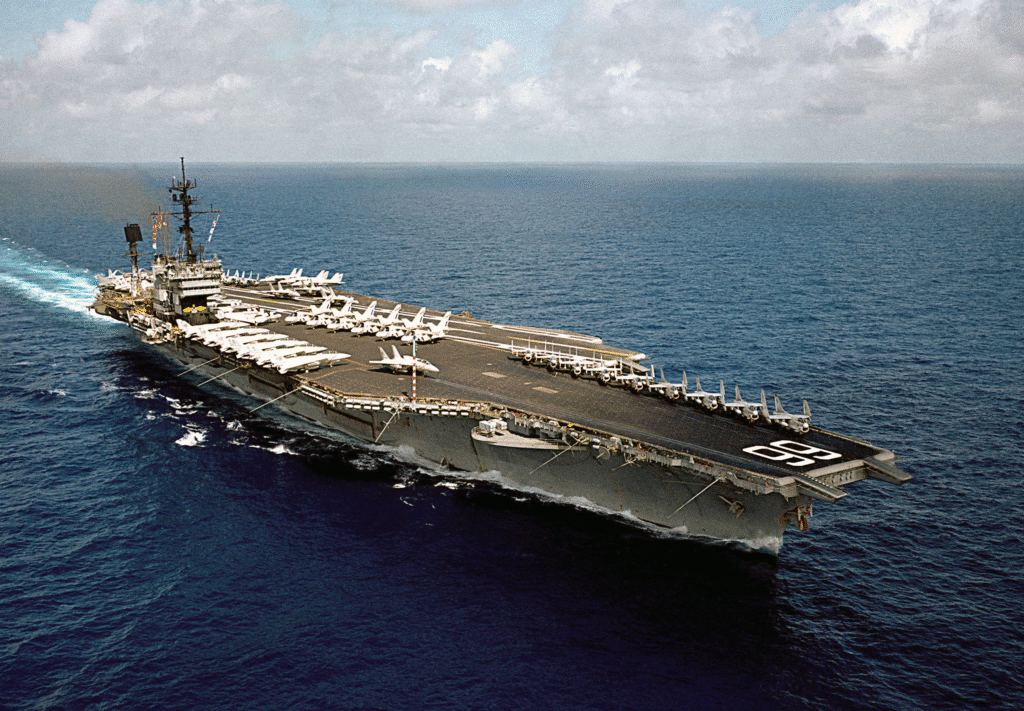
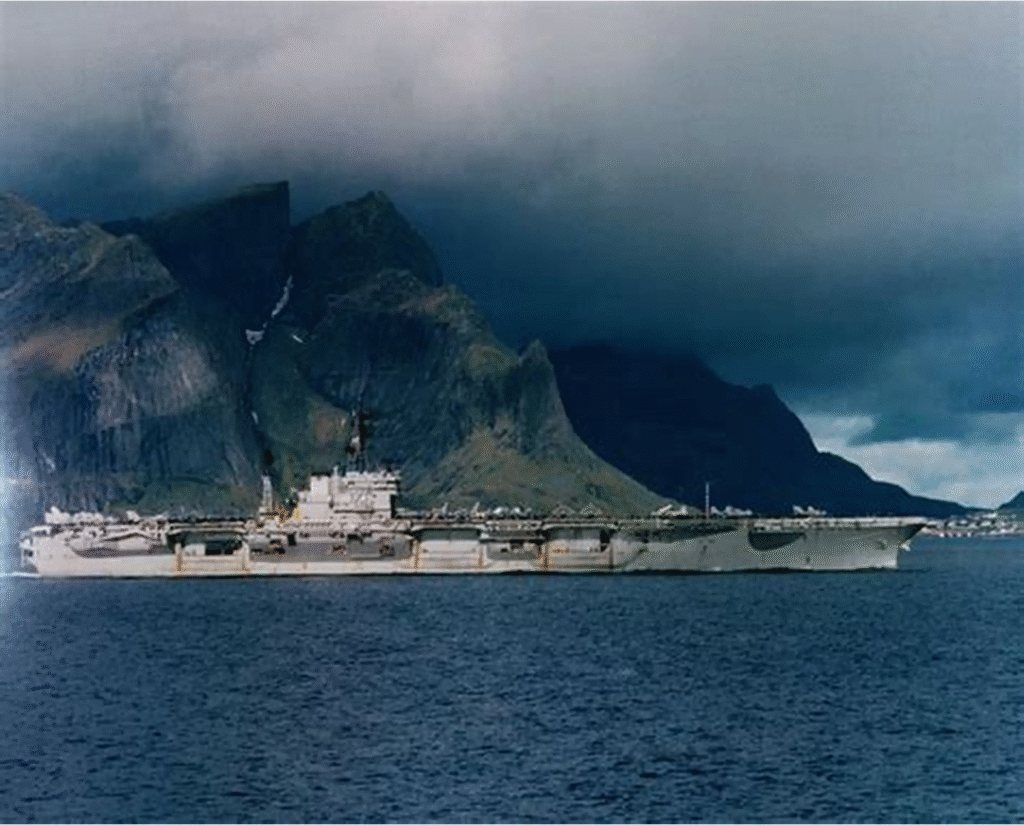
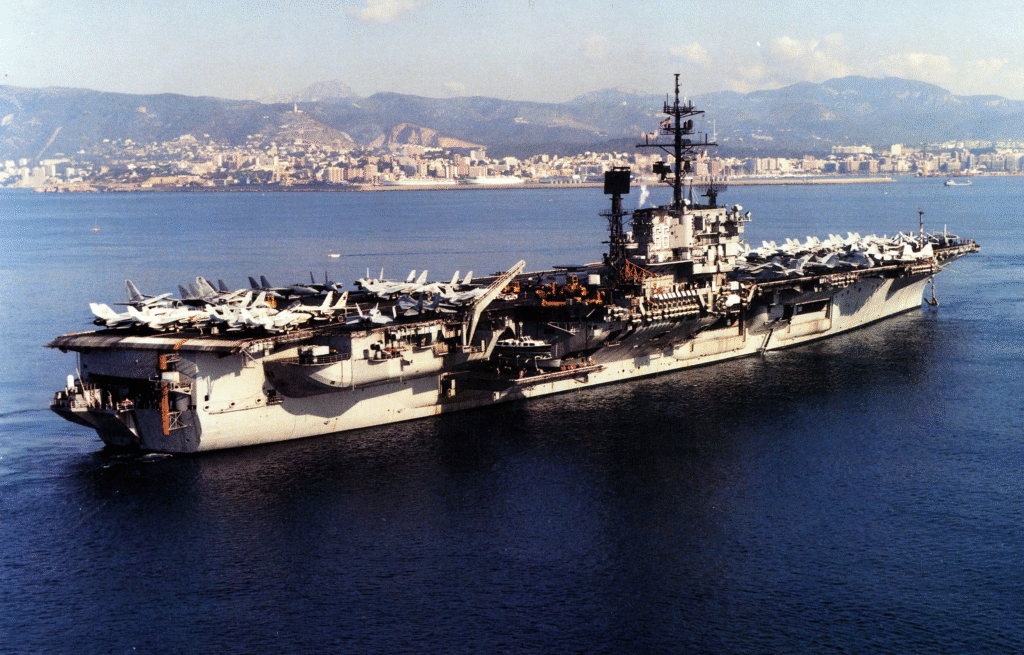
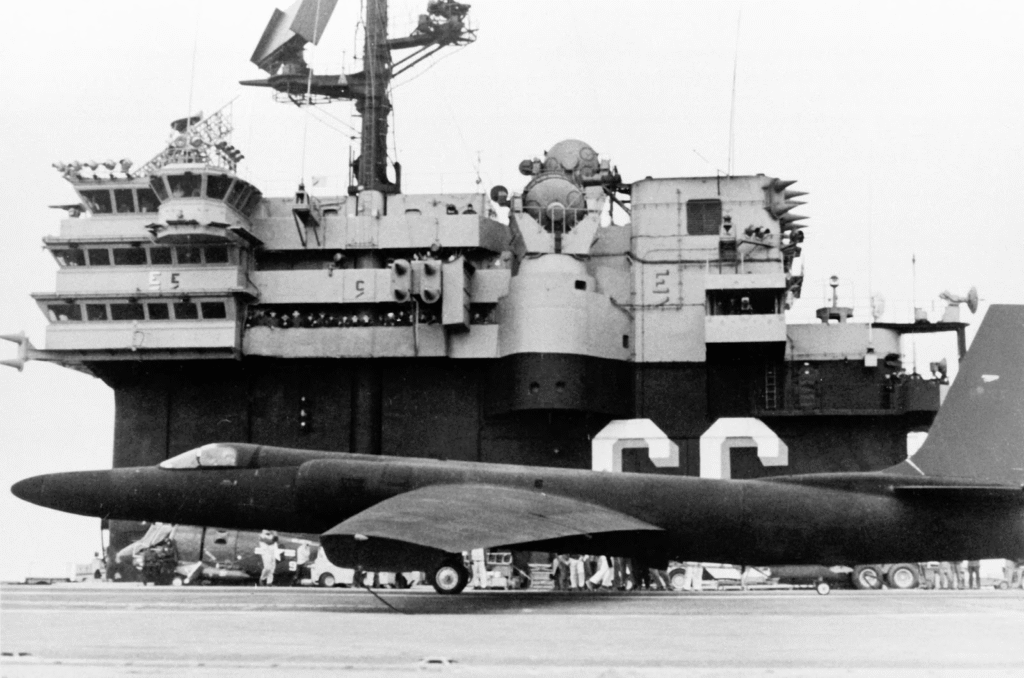
The history of the USS America (CV-66) is as much a tale of a ship’s last hours as it is about the lessons she left. Commissioned in 1965, America was born out of the Cold War ambitions. Designed initially as a nuclear-powered Enterprise-class carrier, shifting budgets and changing priorities eventually put her in the Kitty Hawk-class.

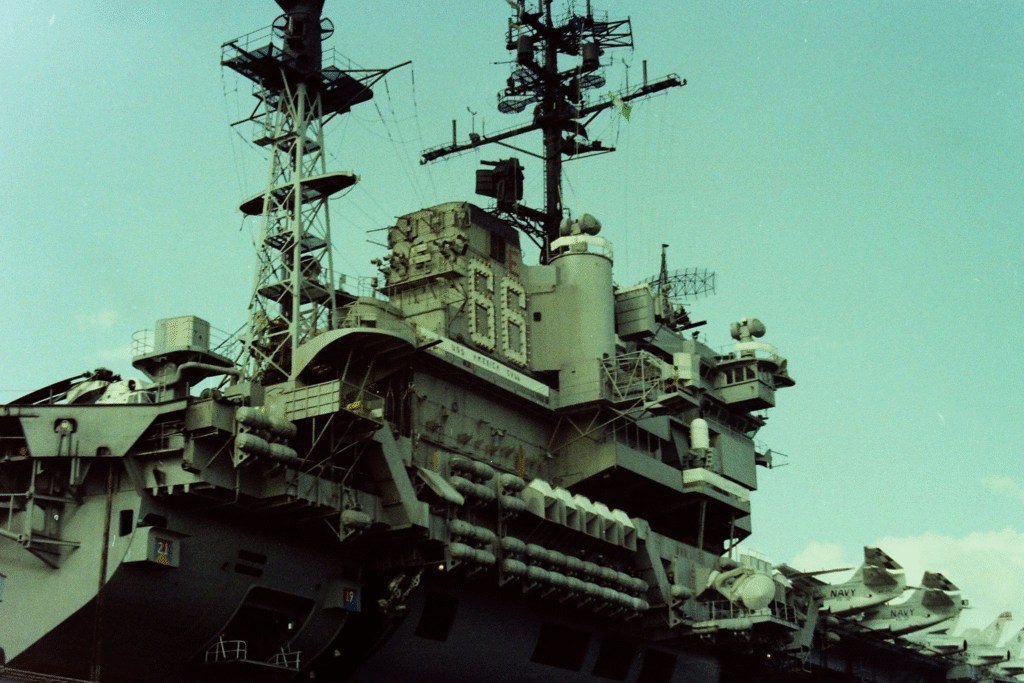
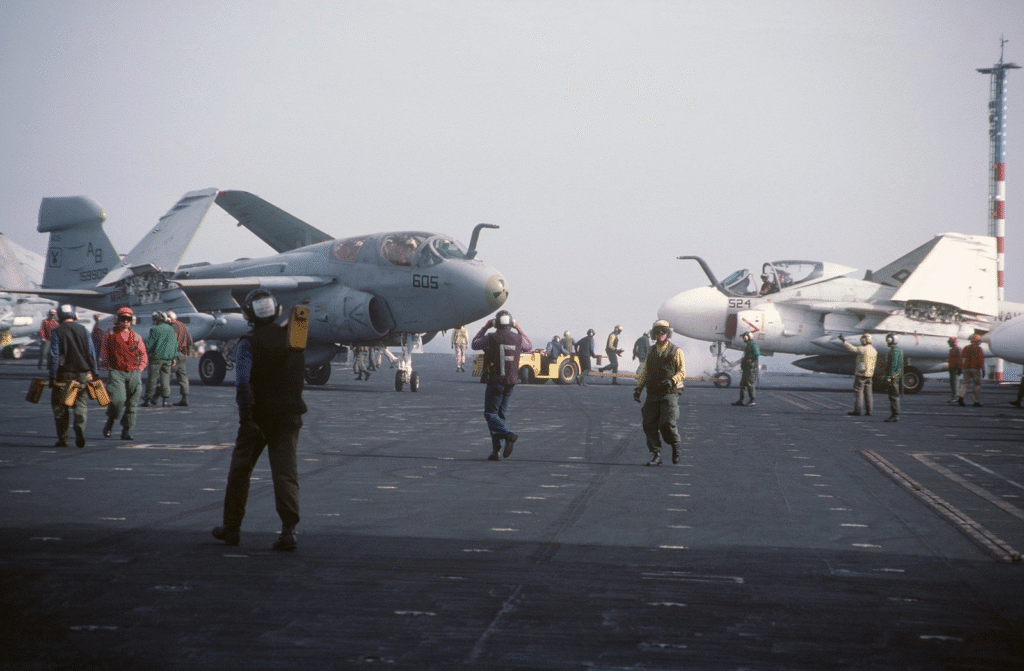
For thirty-three years, she roamed the world as a floating airbase—from the heights above Vietnam to missions in the Persian Gulf—earning eight battle stars and a reputation few carriers could aspire to. Over 13,000 combat sorties were flown from her decks, and amazingly, not one plane was lost to enemy action.

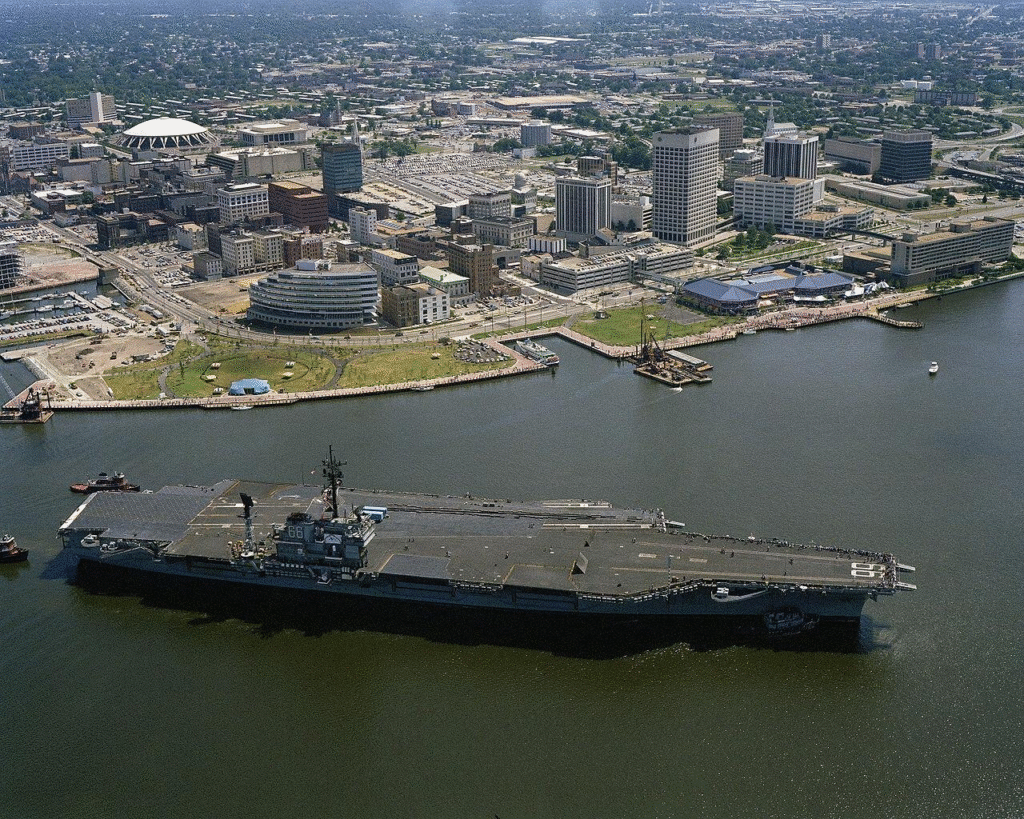
Her retirement in 1996 sparked hopes that she would be saved as a museum. The Navy had a different plan. In 2005, America was chosen for one of the most daring experiments in naval history: a SinkEx, or live-fire test, designed to discover just how much a modern supercarrier could endure. As Vice Chief of Naval Operations, Admiral John Nathman put it, “America will make one final and vital contribution… her sacrifice will help build the carriers of tomorrow.”

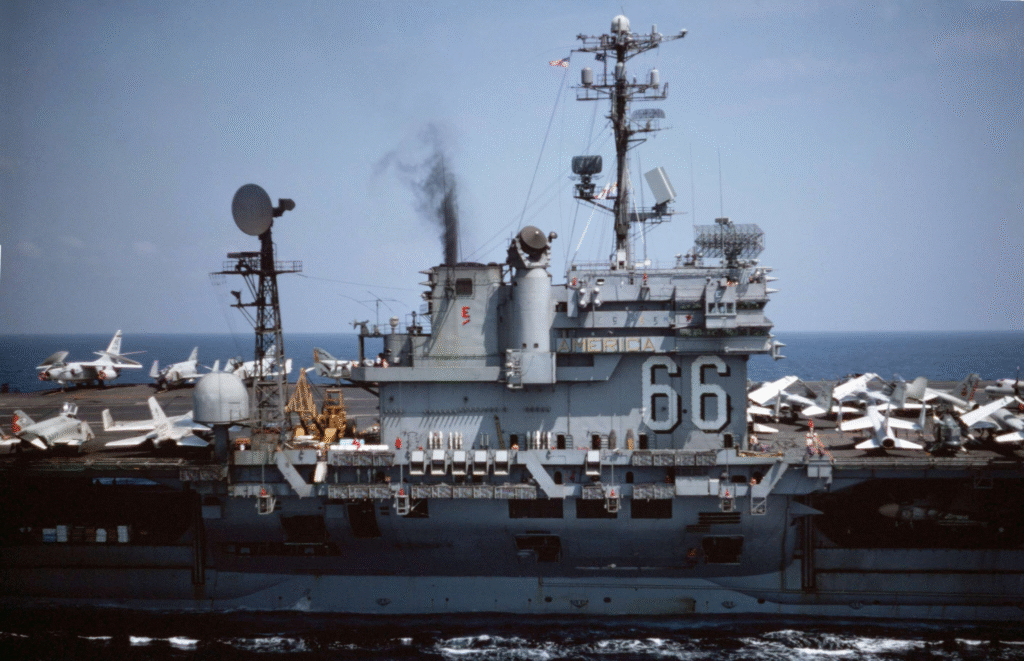
The test was remarkable. America was taken far out into the Atlantic, unfueled and unarmed, and struck deliberately with the kinds of weapons she would encounter in actual battle. Bombs, torpedoes, and missiles hammered her for weeks. She wasn’t supposed to be sunk quickly, but to see how her hull, inner workings, and general structure would hold up to prolonged punishment. The outcome amazed even the Navy designers.

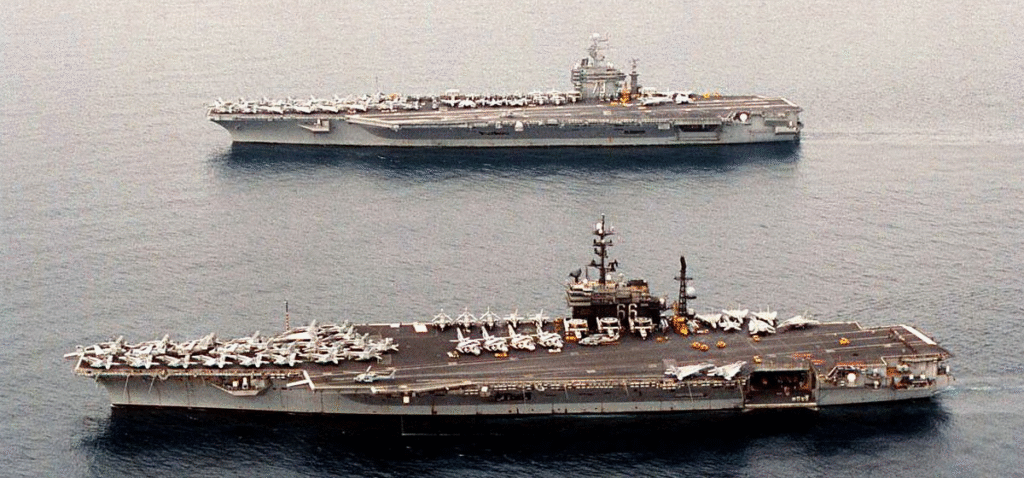
America weathered punches that might have broken near to any other vessel. Her staggered-hull construction, alternating between steel plate and space, distributed the impact energy of incoming blows over and over again. Added to her massive dimensions and weight, the vessel was nearly impossible to cripple. Later, engineers calculated that she had taken damage beyond what even the heaviest-armored World War II battleships could survive.

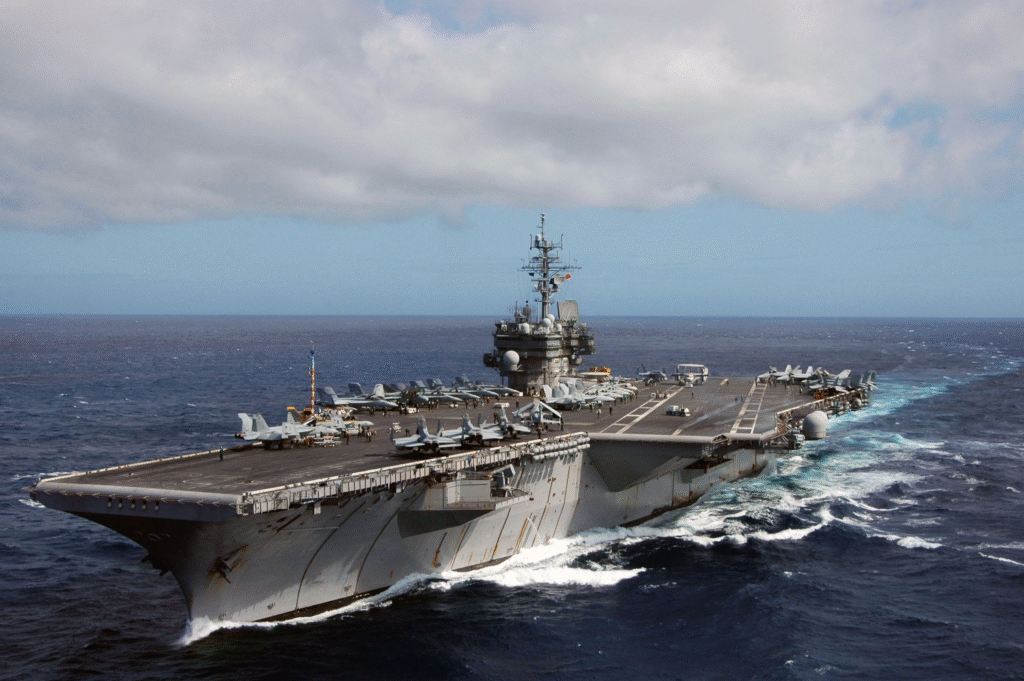
Even the mightiest ship has its limits, however. Weeks of incessant pounding still kept America afloat. It wasn’t until Navy boarding teams loaded explosives within her hull that she ultimately sank, falling nearly 17,000 feet to the ocean floor. She is the only American modern carrier to be sunk deliberately in such a test, and much of the data collected is still classified.

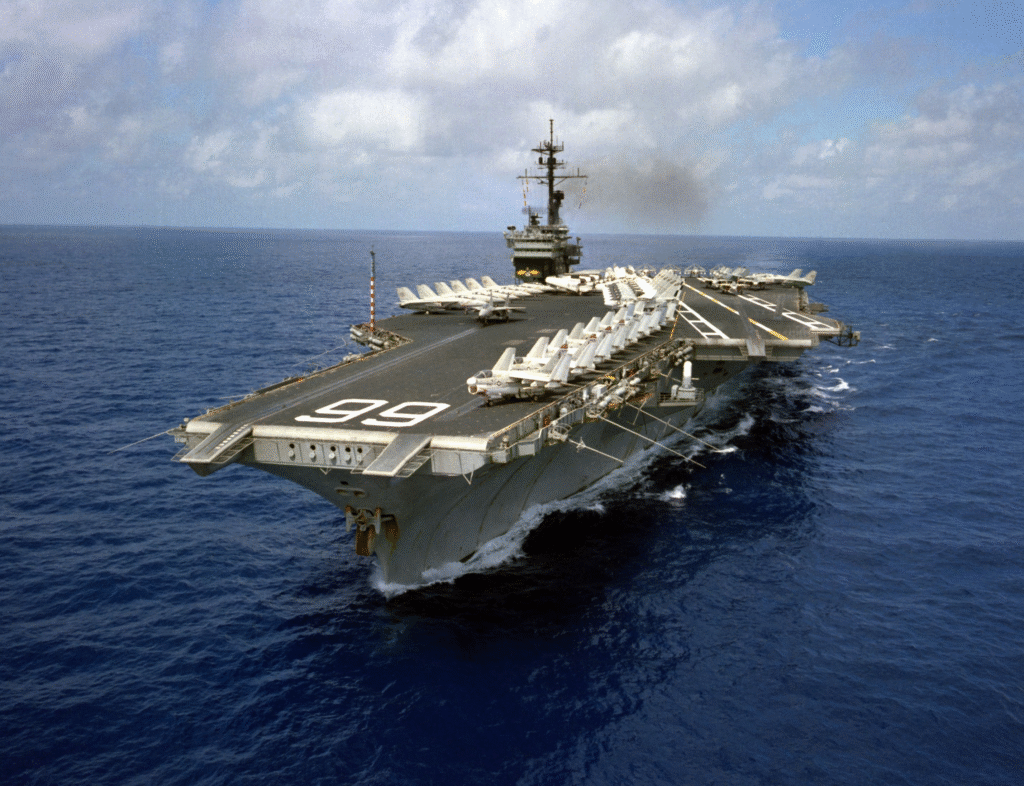
The test revealed both strengths and weaknesses. It reaffirmed the strength of carriers to endure punishment, but reminded the Navy that no ship is indestructible. What was learned in America had a direct impact on the Ford-class carriers, which also subsequently had their own aggressive shock testing, surviving huge underwater blasts while still keeping operational capability.

We built these carriers to hold their own in the worst,” said Captain Brian Metcalf, recalling the synergy of engineering ingenuity, computer modeling, and hands-on testing that went into building them.

But survivability is not solely steel. The America test also reinforced the value of layered defenses, quick damage control, and coordination throughout the Carrier Strike Group. A carrier fights as part of a team; destroyers, cruisers, submarines, and aircraft join together. Sophisticated radar, electronic warfare technologies, interceptors, and even directed-energy weapons now give a carrier’s protective umbrella a vast reach beyond the ship itself.

The sinking of USS America was a turning point. It demonstrated that supercarriers, as big and exposed as they are, are much more difficult to kill than people think. Meanwhile, it reemphasized a basic truth: even the strongest ship can be beaten with patience and relentless pressure.

As one Navy veteran put it, survival in the water is not a constant condition but an ongoing challenge—a challenge requiring creativity, ceaseless adjustment, and cooperation. America’s last mission, while unique from her decades of service, provided lessons that will influence carrier design and naval strategy for centuries to come.