

Let’s be realistic—standing in the way of a charging grizzly or brown bear is one of the most terrifying life-and-death moments a human will ever experience. There have been decades of debate about what type of gun one should carry for protection against bears, but real-life stories, cold, hard statistics, and experienced opinions have painted a better picture of what works in reality when it couldn’t get more serious.

Much to the surprise of all, handguns have been extremely successful in the majority of bear attacks. Analysis of data compiled from over 170 documented cases of handgun defense against bears has a mean 98 percent success rate when the shooter alone employed the handgun. Of the 146 incidents, there were only three that failed to halt the attack. It’s not a controlled trial, but it does say that, used correctly, a handgun really can be a viable final line of defense.

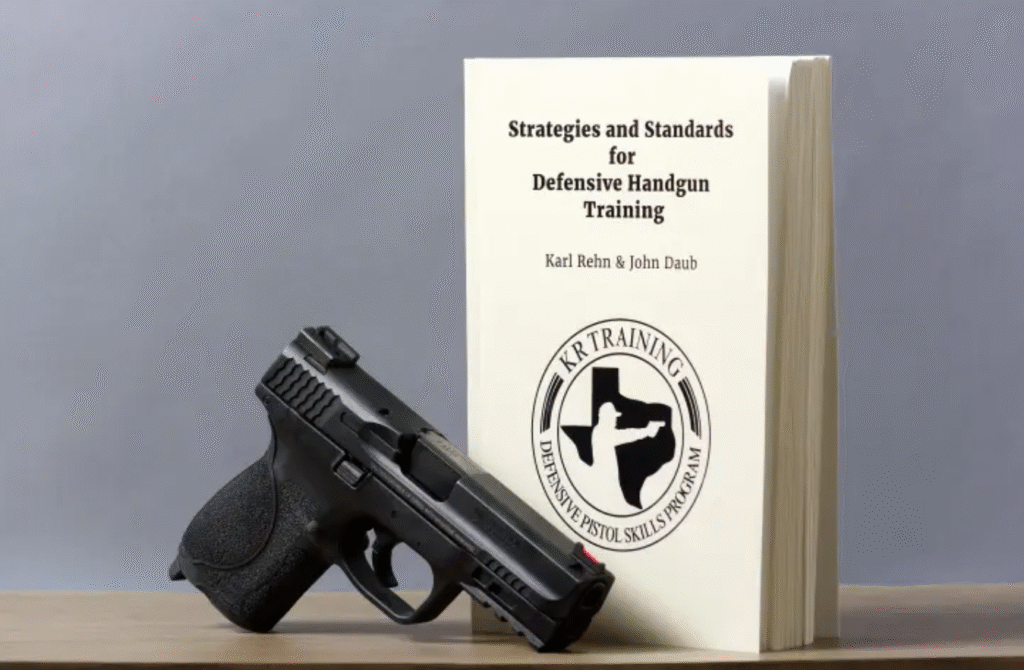
Statistics are only half the story, though. Close-quarter combat is a free-for-all of bullets and terror, and survival depends as much on training and readiness. Take Sam Kezar, who made it through a grizzly mauling in Wyoming after discharging seven rounds from his 10mm Glock in under two seconds. He credits saving his life to hours of tough practice, muscle memory, and having his gun easily at hand in a chest rig. “I also discovered the value of purposeful training. When I had to do it, it became second nature. I’m sure that probably saved my life,” he said.

The rest of the survivors repeat the same thing: be prepared. Tyler Wilschetz, one of the survivors of a Montana grizzly attack, added that one must have multiple plans for defense. Carrying a high-capacity handgun and bear spray and knowing how to use them gives an individual a Plan A, B, and C when seconds matter. Seconds can kill in the case of a bear attack.
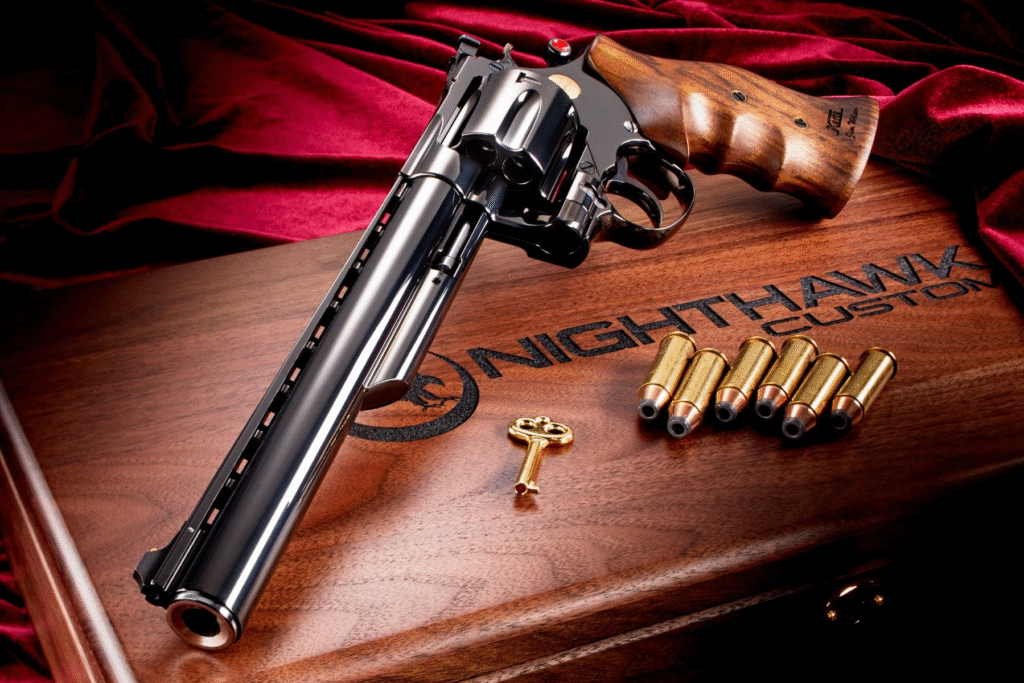
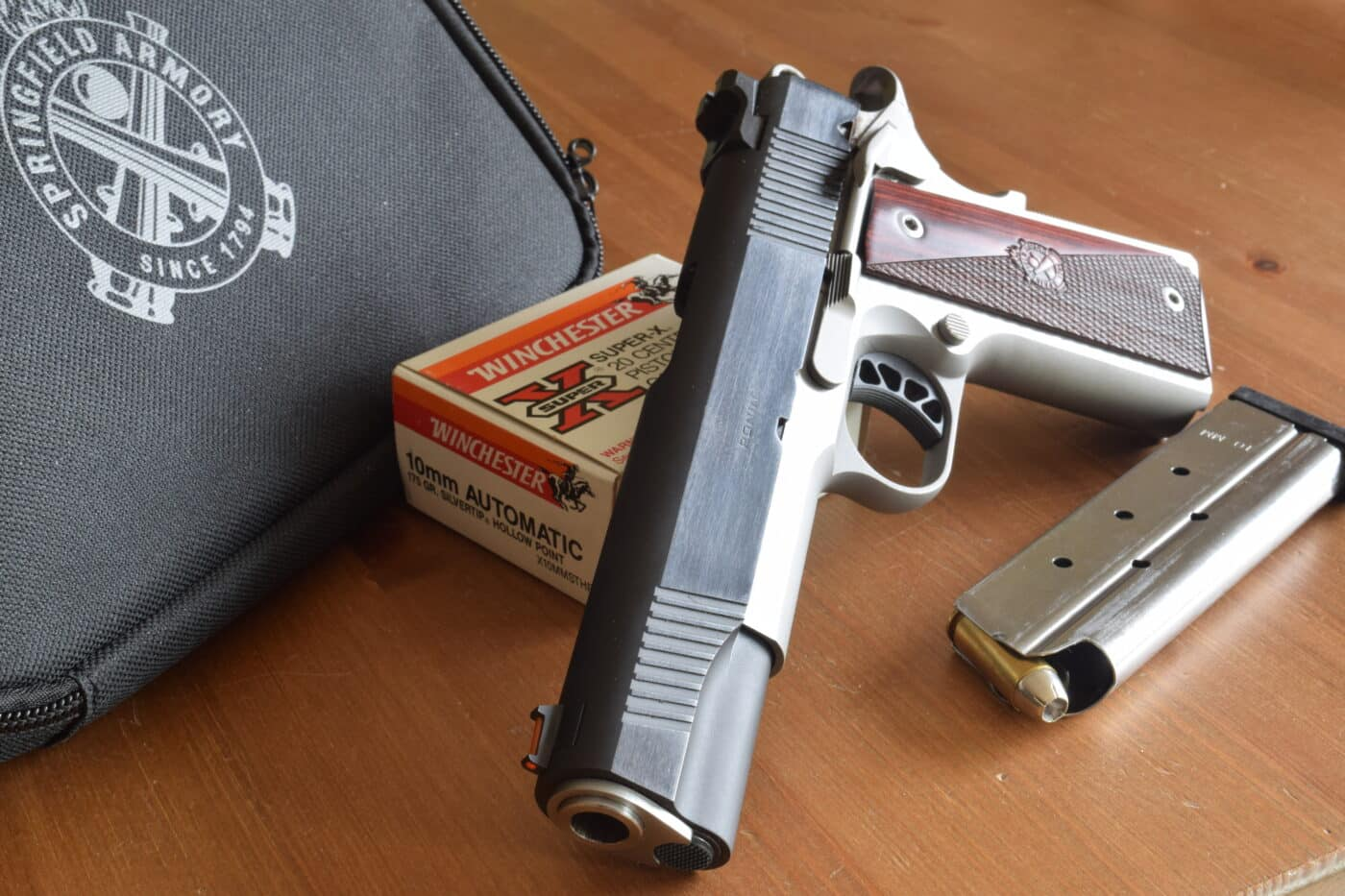
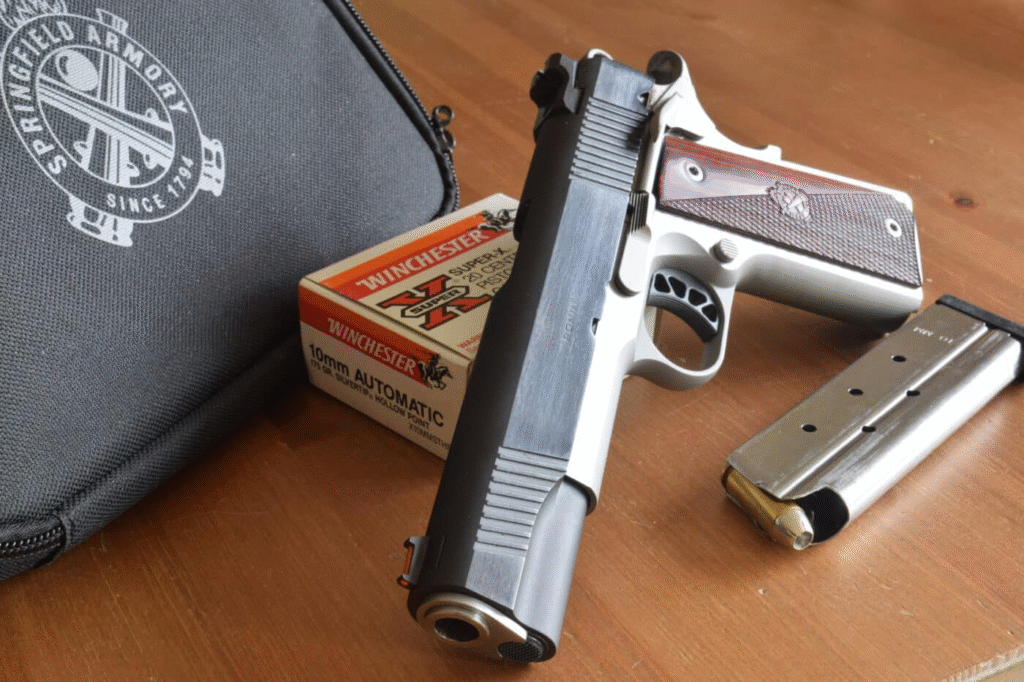
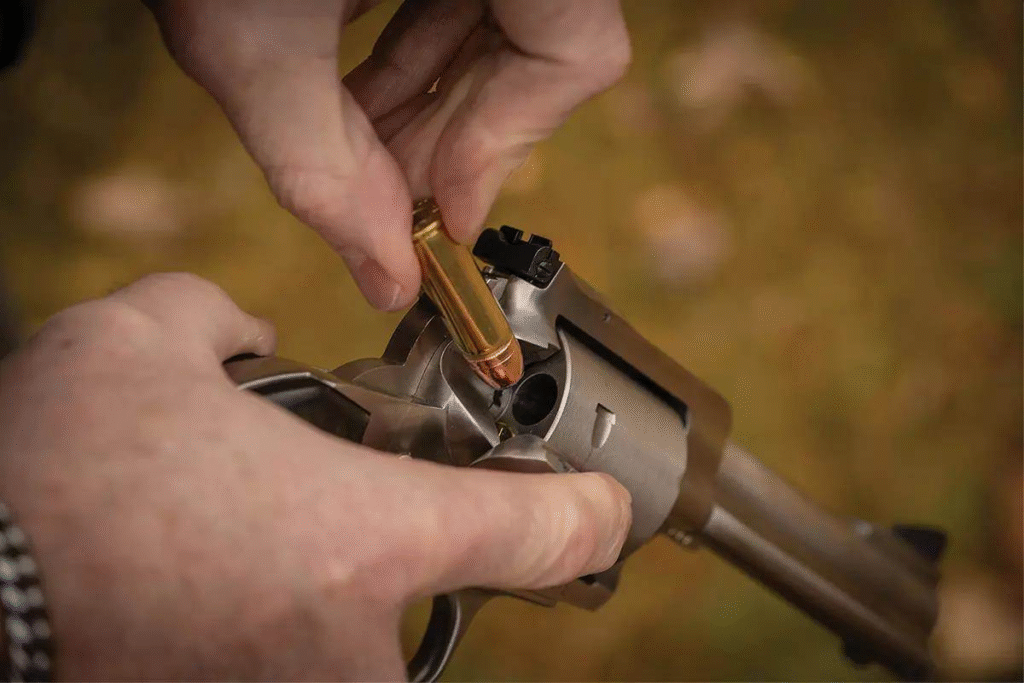
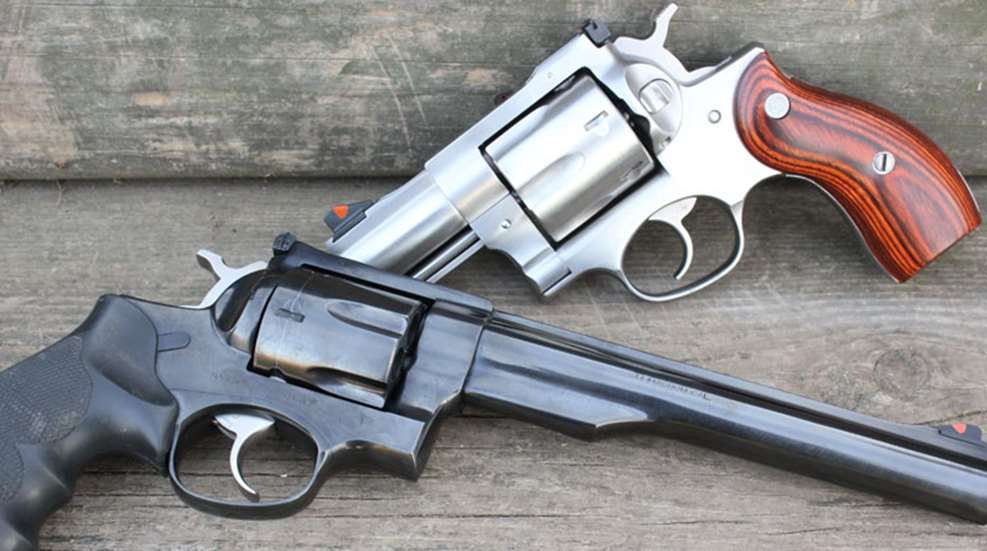
What does it take to make a pistol effective in a bear situation? Caliber, cartridge, and capacity, and most importantly, the ability to shoot competently under extreme stress. The large-caliber wheelguns like .44 Magnum, .454 Casull, and .500 S&W Magnum have been trusted for decades because of their stopping power. Alongside, semi-automatic handguns in 10mm have become more popular. They provide greater capacity, quicker follow-up shots, and manageable recoil—the key benefits in high-adrenaline environments. Some veteran guides will even say that a well-placed 9mm will certainly kill a charging bear, but they advise not using anything smaller than a .44 Magnum or 10mm for real protection.
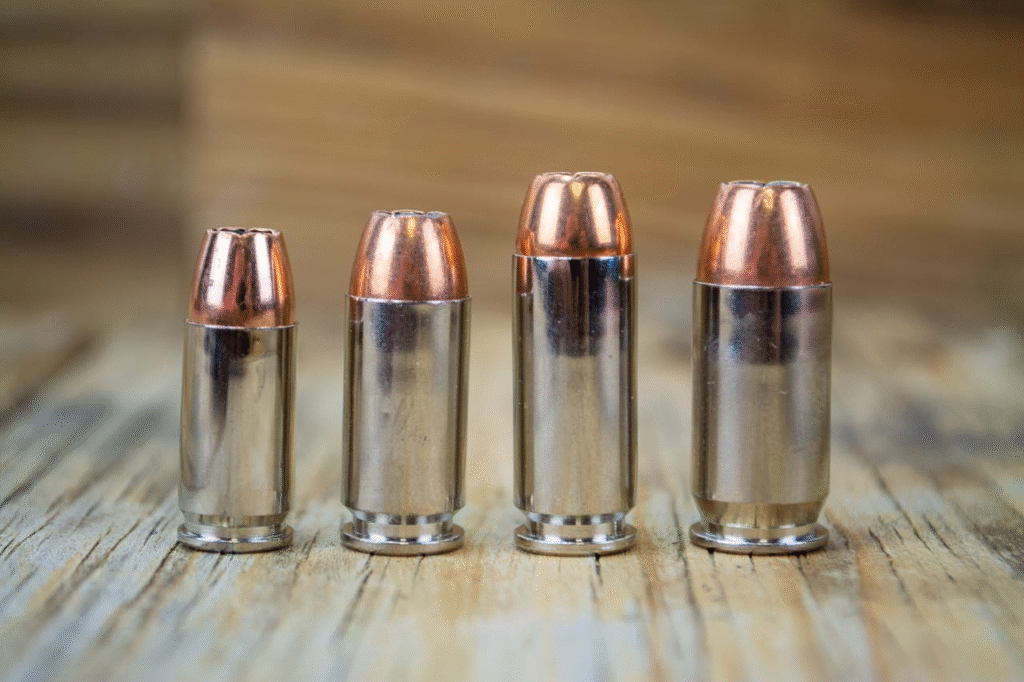
Ammunition selection is important. Deep penetration-optimized hardcast bullets are preferable to hollow points or standard personal defense rounds. Penetration is key—bears are massive, heavy-muscled animals, and nothing but rounds that hit vital spots or the spine will reliably bring an attack to an end. Veteran hunters will sometimes employ specially designed loads in 10mm or .44 Magnum that are optimized for deep penetration.
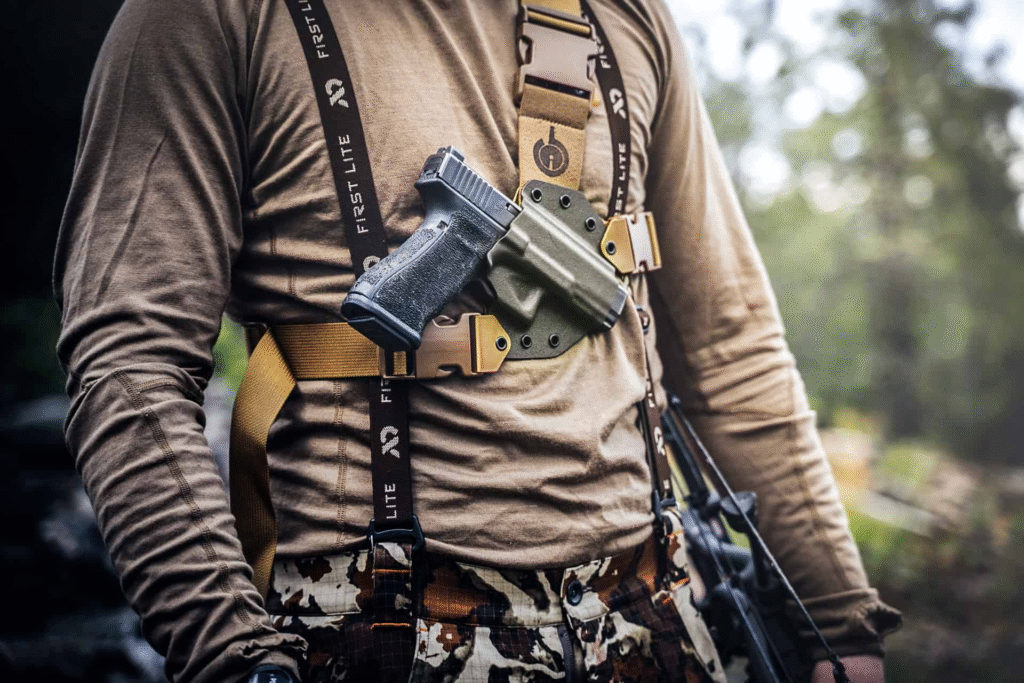
Accessibility is just as crucial as firepower. Shoulder rigs, chest rigs, and speed draws are a lifesaver. A handgun is worthless if it’s out of reach. Survivors always emphasize that having a gun in a place where instant use can be achieved is no less crucial than caliber or ammunition selection. Practice isn’t a choice—it’s a necessity. A bear attack isn’t a quiet day on the range. Adrenaline surges in, fear takes over, and decisions must be made in split seconds. Survivors credit intense practice—sketching, shooting, and reloading in stressful, realistic situations—to preparing them for the shock of the moment.
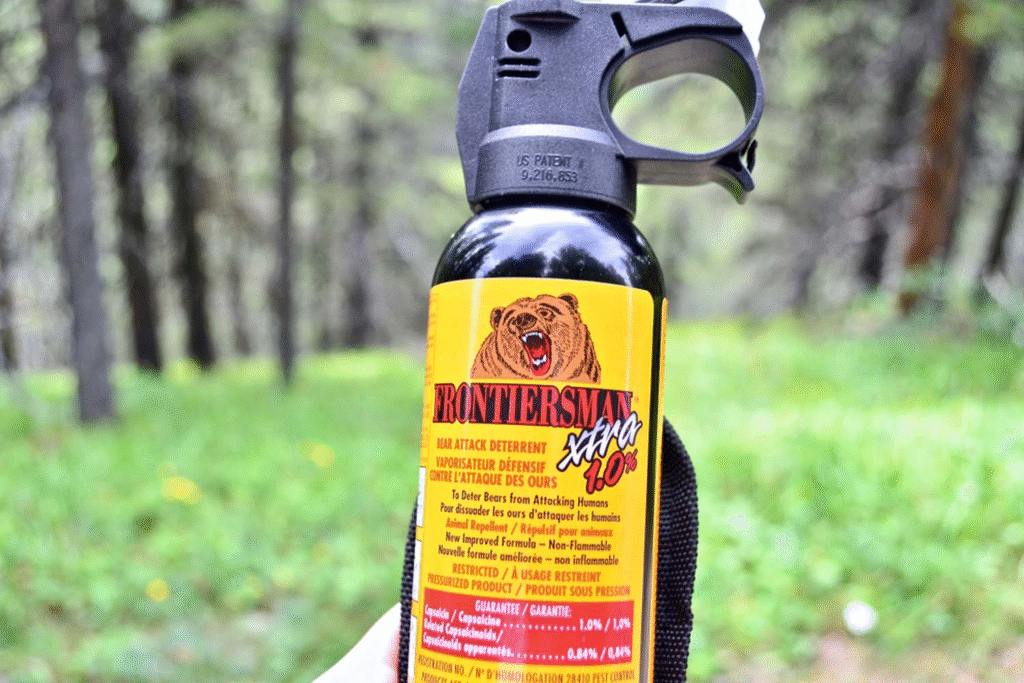
Bear spray is also used. Field work confirms it is extremely effective, particularly in non-lethal confrontations. A gun and bear spray are recommended by many experts, and using the spray first if at all feasible. However, it has its weaknesses: wind, cold, and inclement weather render it useless, and its effectiveness is only at close range—generally 25 to 30 feet. In other instances, with irate or predatory bears, a firearm might be the sole means of protection.

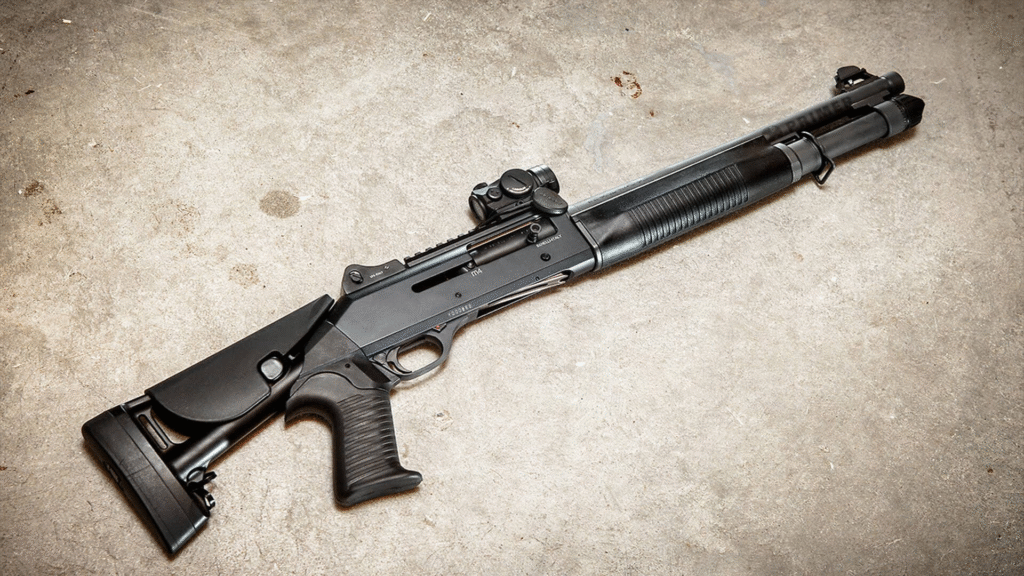
Rifles and shotguns remain the best option, with more accuracy and stopping power. They are too heavy and bulky for most backcountry excursions. For long hikes, fishing, or hunting, the best combination of defense and convenience is handguns.

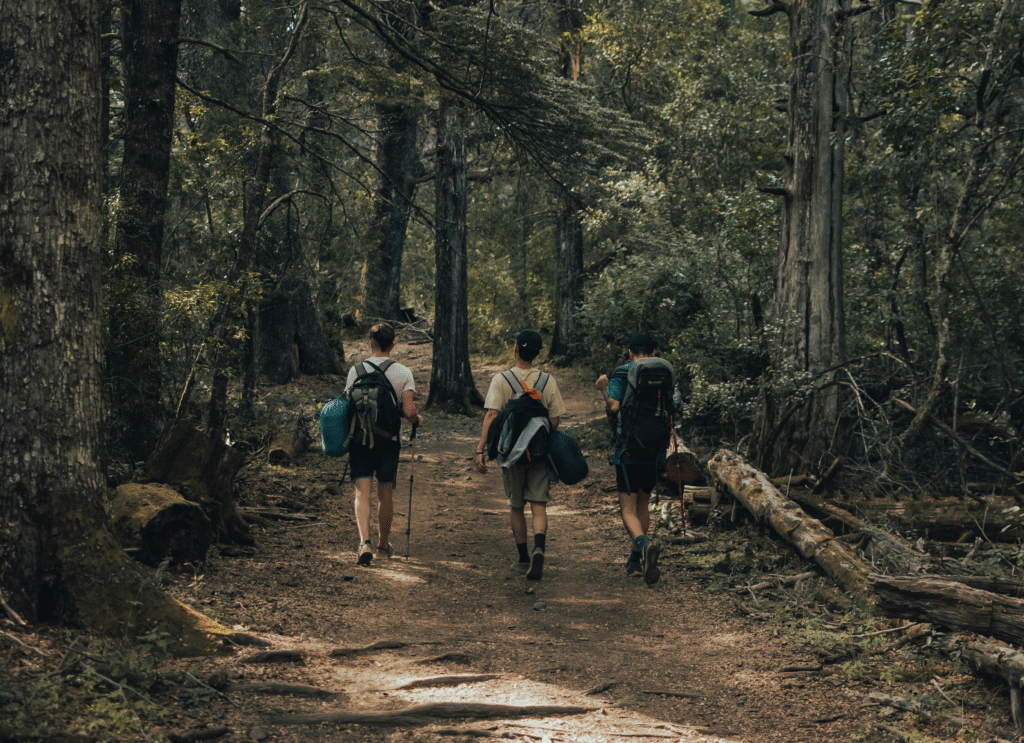
Mental resilience and situational awareness are just as important. Survivors also credit good judgment, quick decision-making, and awareness of bear behavior as survival strategies. Noising up, entering in groups, and keeping food clean all work to avoid encounters before conflicts. As bear populations continue to grow and more and more people move through wild terrain, good planning is more important than ever. Understanding what works and knowing what doesn’t work is essential for anyone moving through bear country.

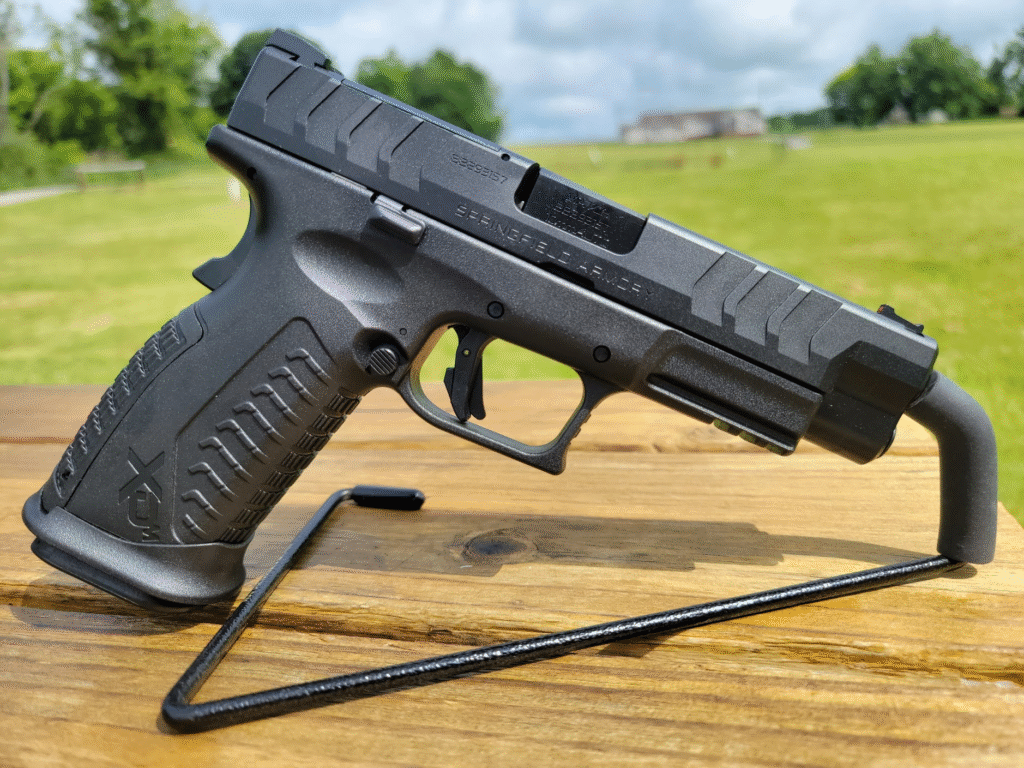
Ultimately, the finest weapon is one you can use instantly, effectively, and with no reluctance. Whatever a .44 Magnum, 10mm semi-automatic, or bear spray, life is reduced to preparation, training, and regard for the ferocity of the wild. Paraphrasing one experienced Alaskan guide, “Avoiding a confrontation with an aggressive bear is your best defense. Sometimes, though, it does happen, and you need to be prepared.”