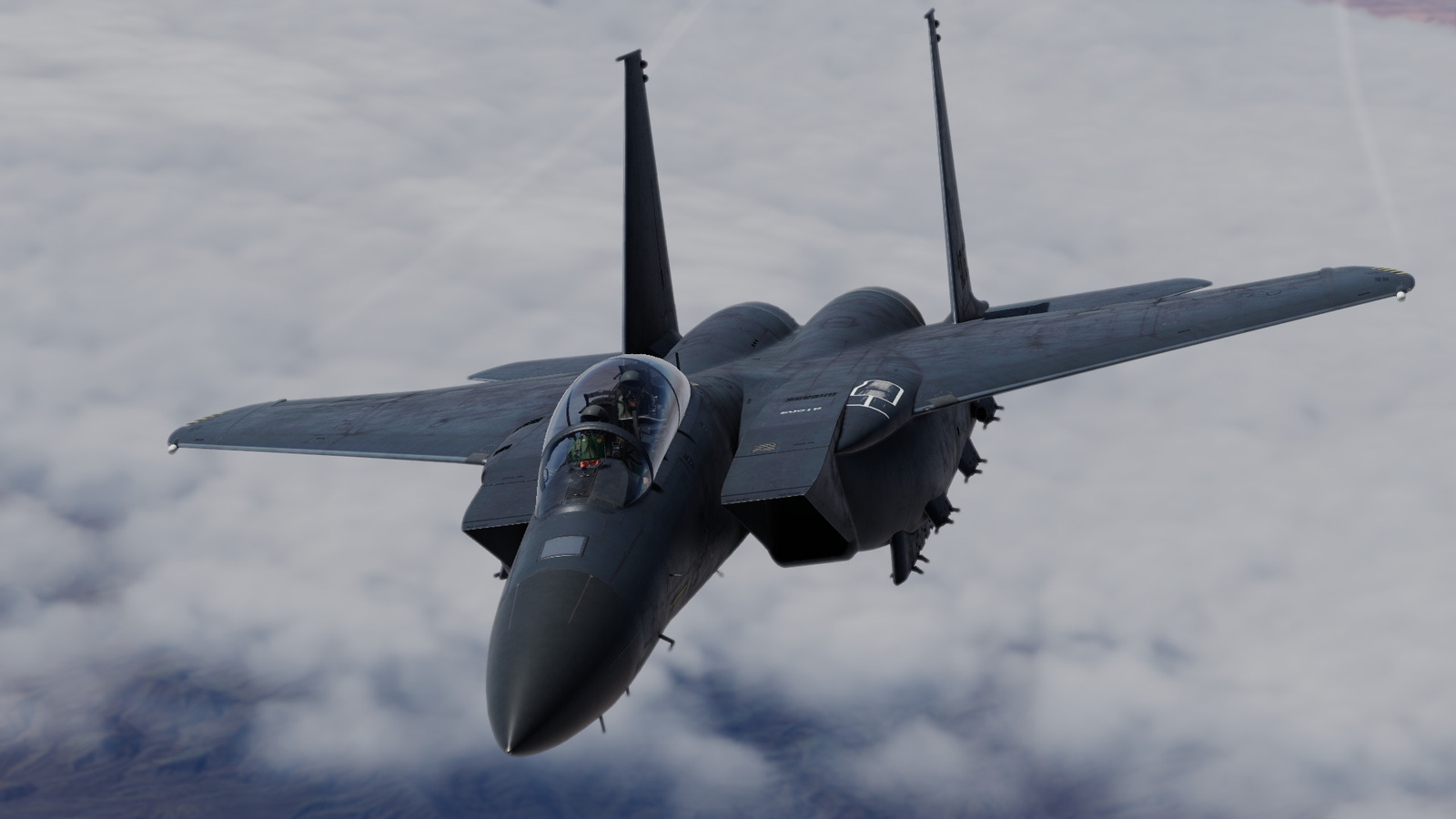
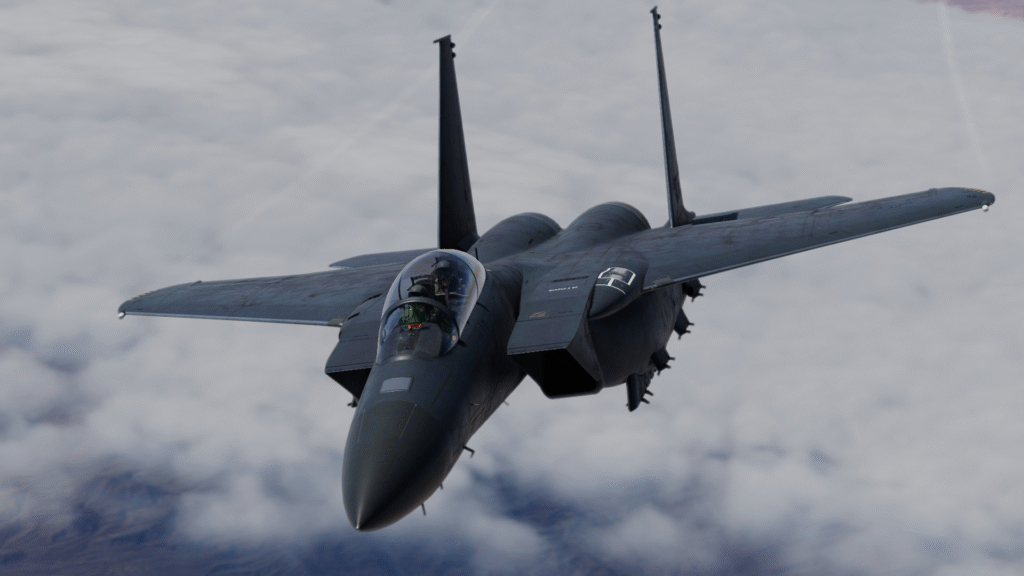
While the game of controlling the skies and outmaneuvering rival powers is a never-ending saga, the United States Air Force is certainly not going to sit on its laurels. Enter the F-15EX Eagle II—a fighter that combines decades of proven design with the electronic intelligence to fulfill today’s fast-evolving combat missions. Not just another off-the-production-line aircraft, it is a strategic gamble to anticipate new threats and preserve American air supremacy well into the next century.
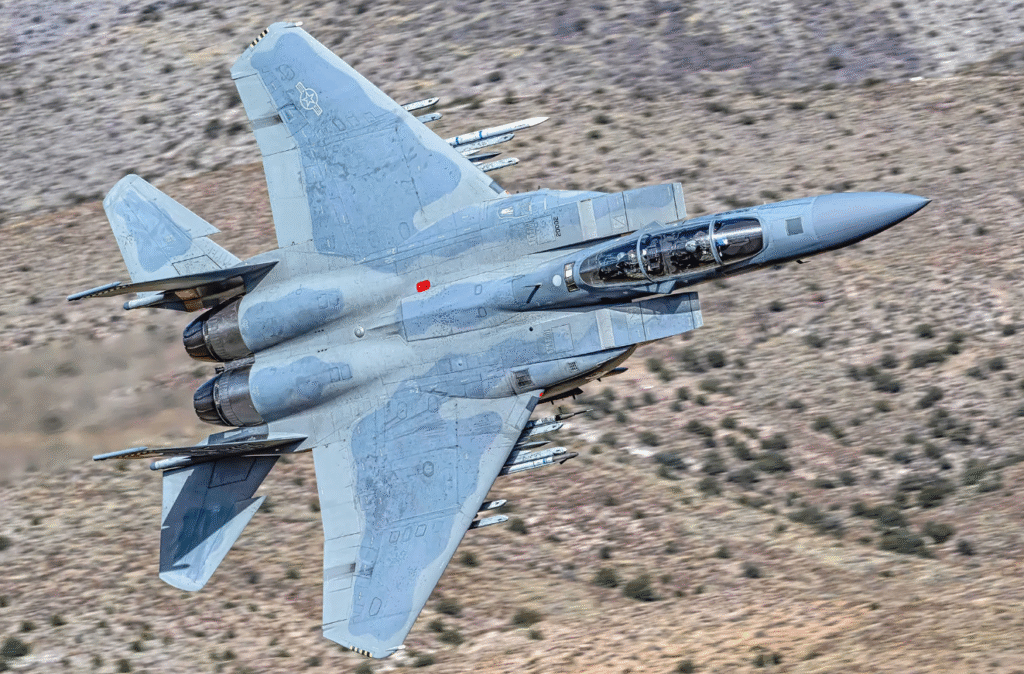
It began with an issue: the Air Force’s decades-old F-15C and F-15D fleet was nearing the end of its useful existence. Replacing them entirely with fifth-generation stealth fighters like the F-35 wasn’t possible due to cost and manufacturing constraints. Boeing offered a credible solution—extend a legend.
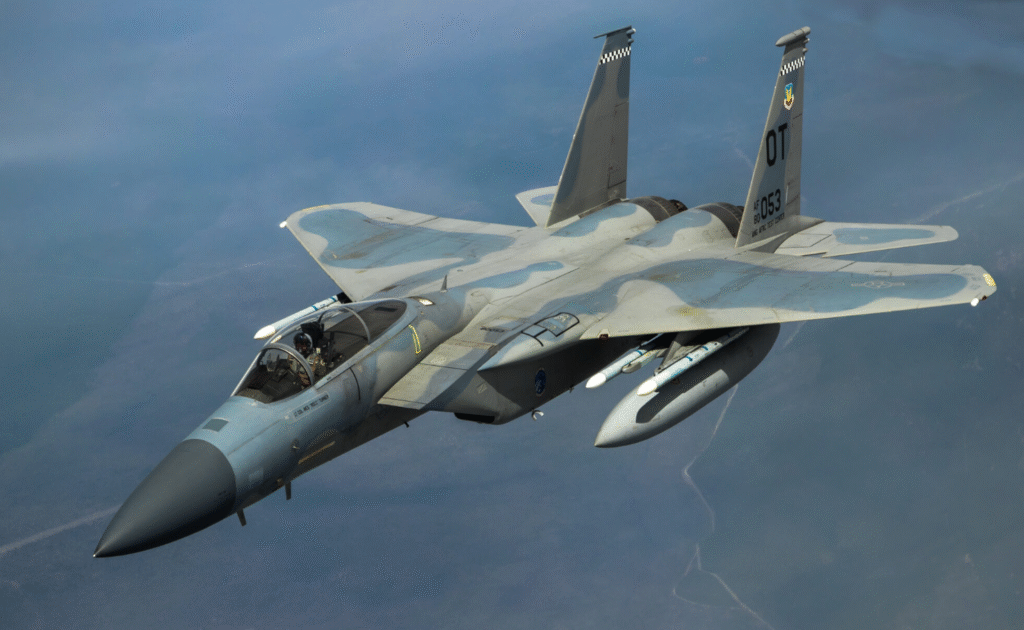
By starting with an advanced airframe from the F-15 and then tailoring it with cutting-edge systems, the outcome was a fighter designed for today’s networked, high-tech battlespace. The Eagle II has digital fly-by-wire flight controls, a glass cockpit, and an open mission systems architecture that allows upgrades to be a matter of installing an app update on a phone.
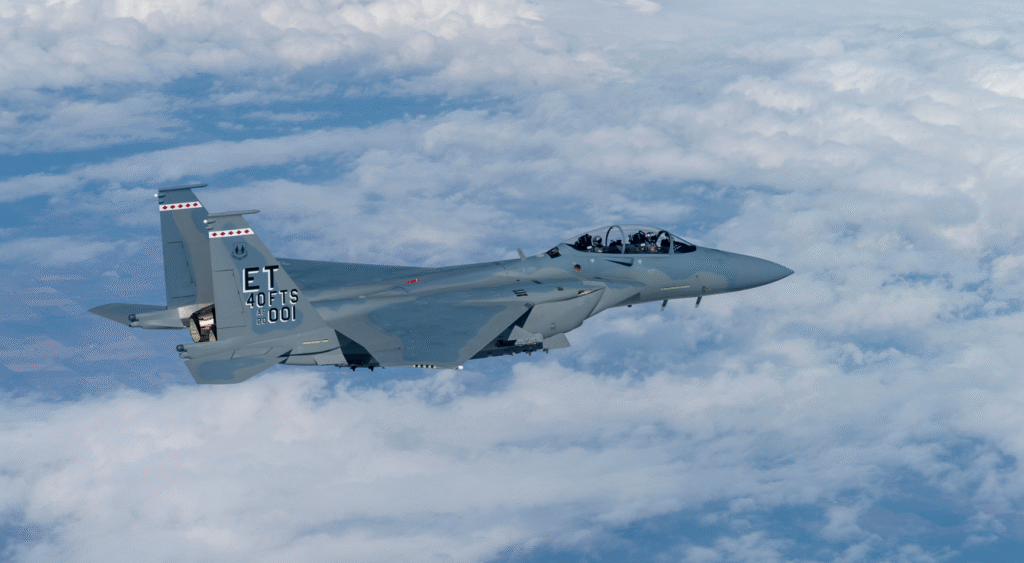
The F-15EX had its first real proving ground at Northern Edge 21, a big Alaska exercise. There, it flew alongside F-35s, B-52 bombers, and MQ-9 drones. Not only did the new Eagle perform well under contested circumstances, but it also supported the performance of teammates, thanks to cutting-edge electronic warfare aids and real-time data transfer.
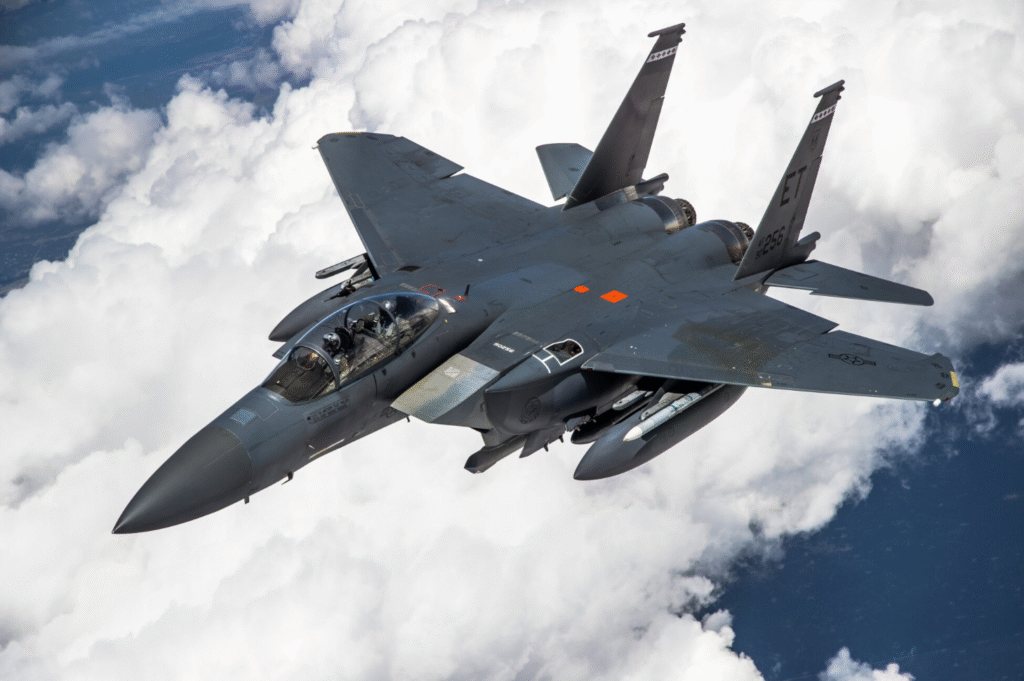
Much of that success is the Eagle Passive Active Warning Survivability System, or EPAWSS. This electronic warfare suite provides the F-15EX with the capability to detect and defend against threats in enemy airspace.
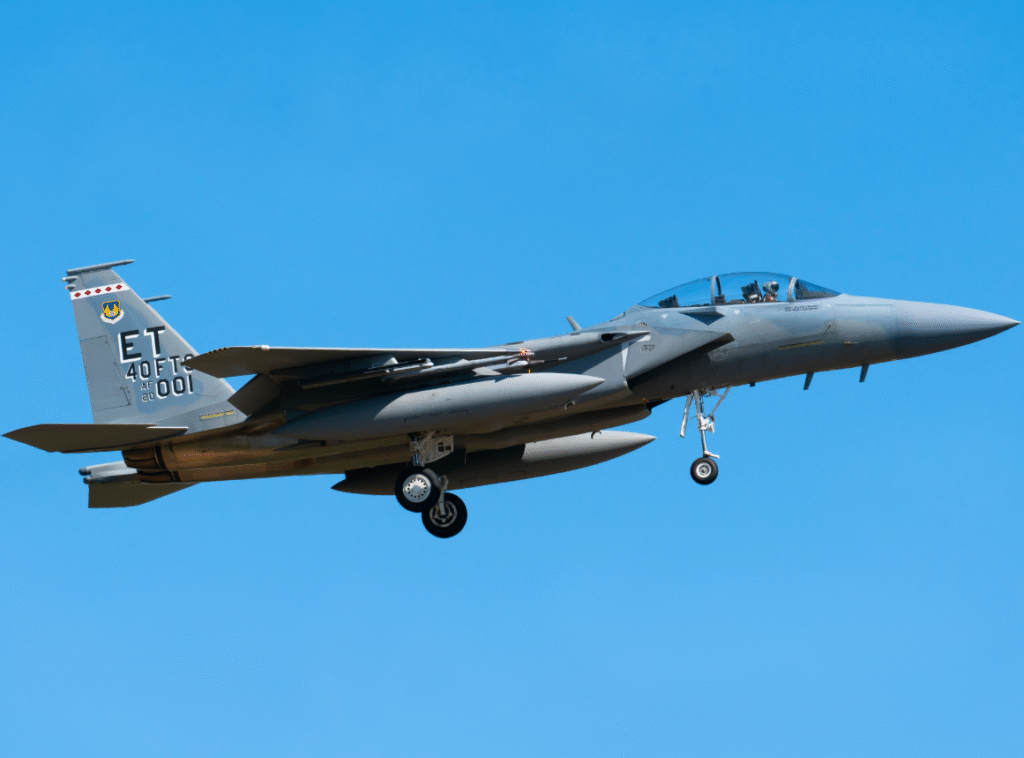
While tested in flight, EPAWSS not only protected the Eagle aircraft but also other aircraft on the battlefield. More remarkably, the system can be reprogrammed within days, providing the aircraft with the capability to adjust quickly to new enemy tactics.
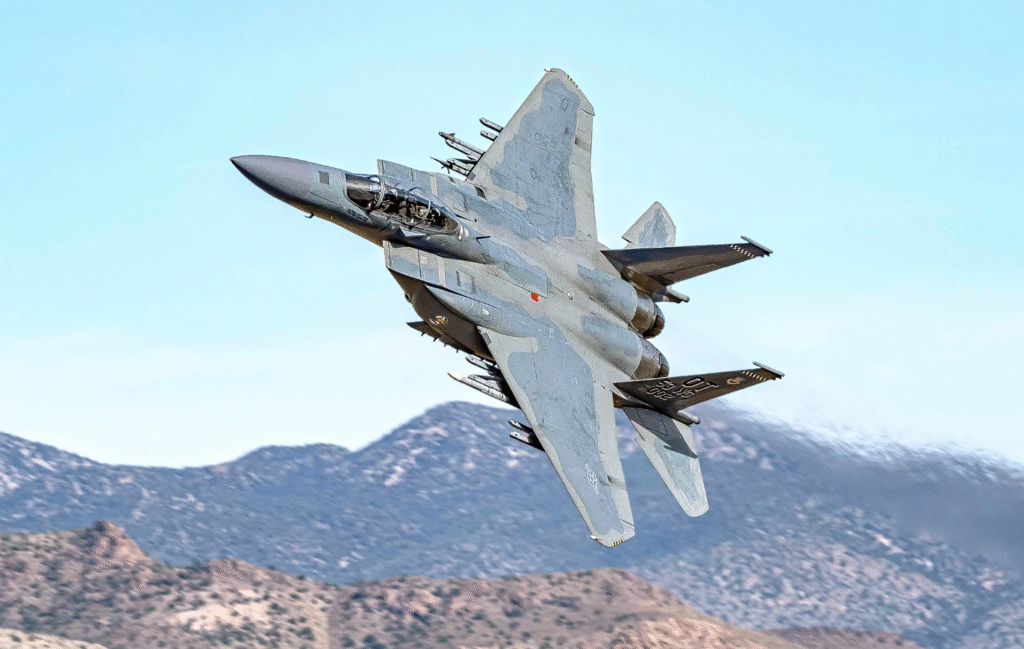
And of course, the F-15EX isn’t just a sensor-and-software aircraft—there’s muscle on board, too. With a payload capacity of over 13,000 kilograms, it can carry as many as 12 air-to-air missiles, one of the most potent air weapons.
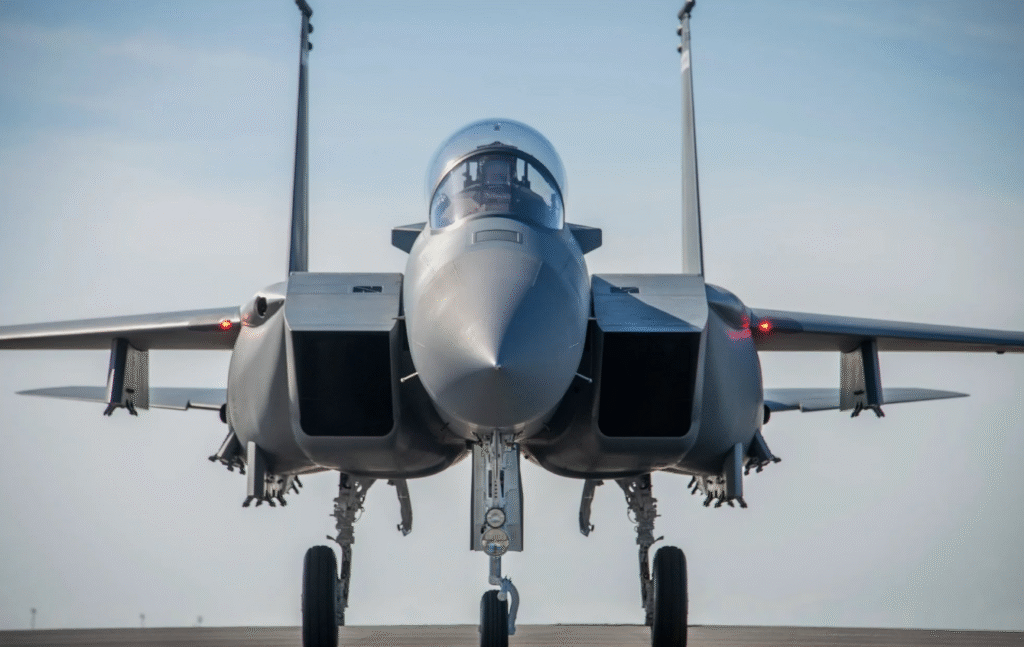
Its APG-82 AESA radar provides it with extended range detection and multi-target track capability, and twin F110 engines take it to speeds above Mach 2.5—faster than any US fighter. Due to its open design, the aircraft can be adapted to employ new weapons, like future-generation hypersonic missiles, so it will remain relevant for generations.
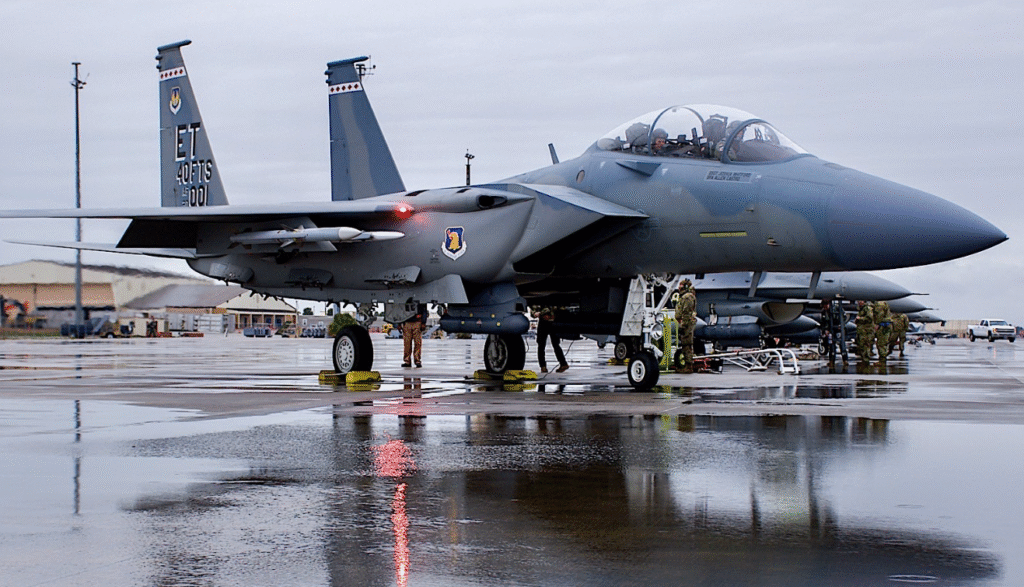
Tactically, the Eagle II is not to be deployed as a substitute for stealth fighters such as the F-35 but as a companion. With its capacity to carry large quantities of missiles, the F-15EX can function as a “weapons truck,” allowing stealth fighters to deep penetrate enemy lines and hit high-priority targets. Operations such as Northern Edge are already smoothing out these combined tactics, synergizing the best capabilities of fourth- and fifth-generation aircraft to maximum effect.
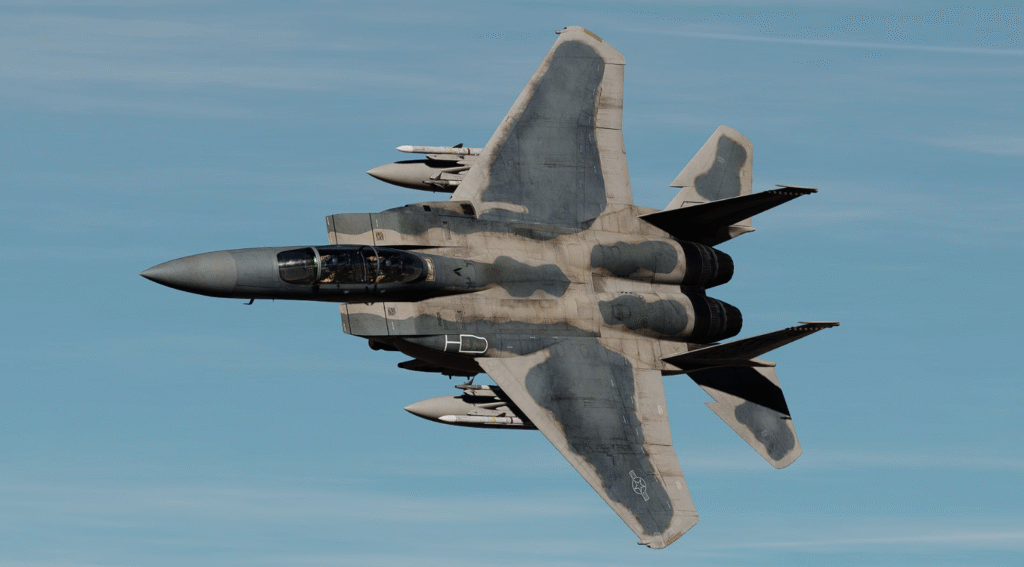
The Eagle II is appealing outside the United States, too. Indonesia and Poland, for example, have expressed interest, attracted by its blend of reliability, heavy payload, and digital flexibility. Boeing’s focus on speed to production and digital engineering enables customers to deploy and upgrade the jet more quickly than ever before possible with acquisition cycles.
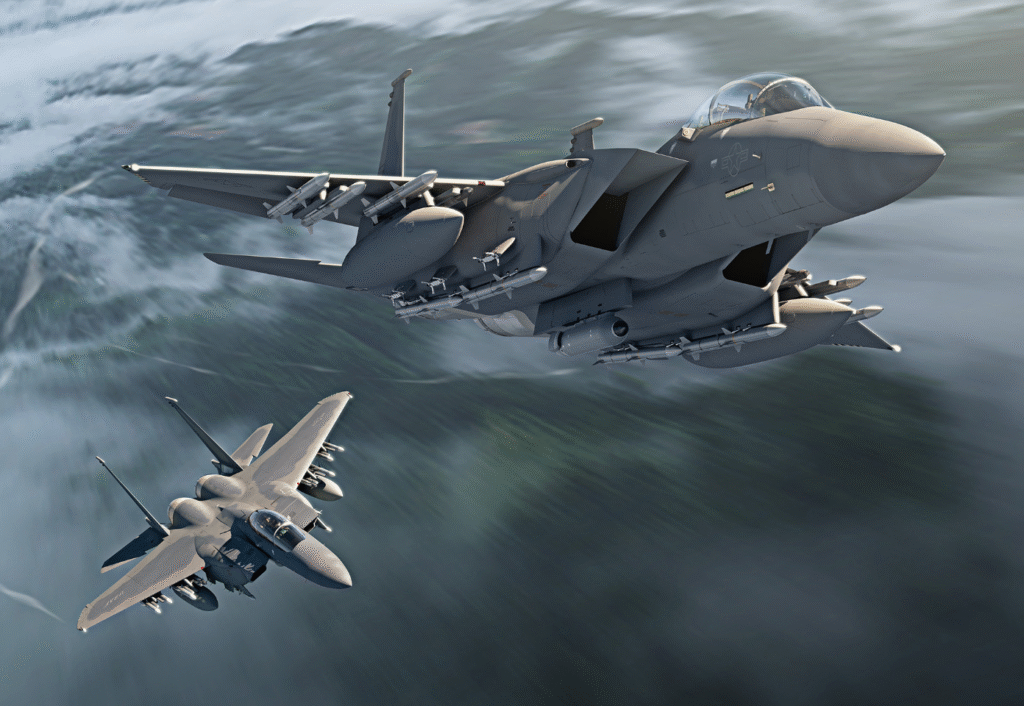
The F-15EX Eagle II is more than a replacement for aging fighter aircraft—it’s a template for remodernizing without having to start anew. It blends ruggedness from an induction-proven platform with agility sufficient for war in the 21st century. And as it goes into production, one thing is certain: it’s not about building new planes to maintain air dominance, but about staying ahead of the game, no matter the fight.