
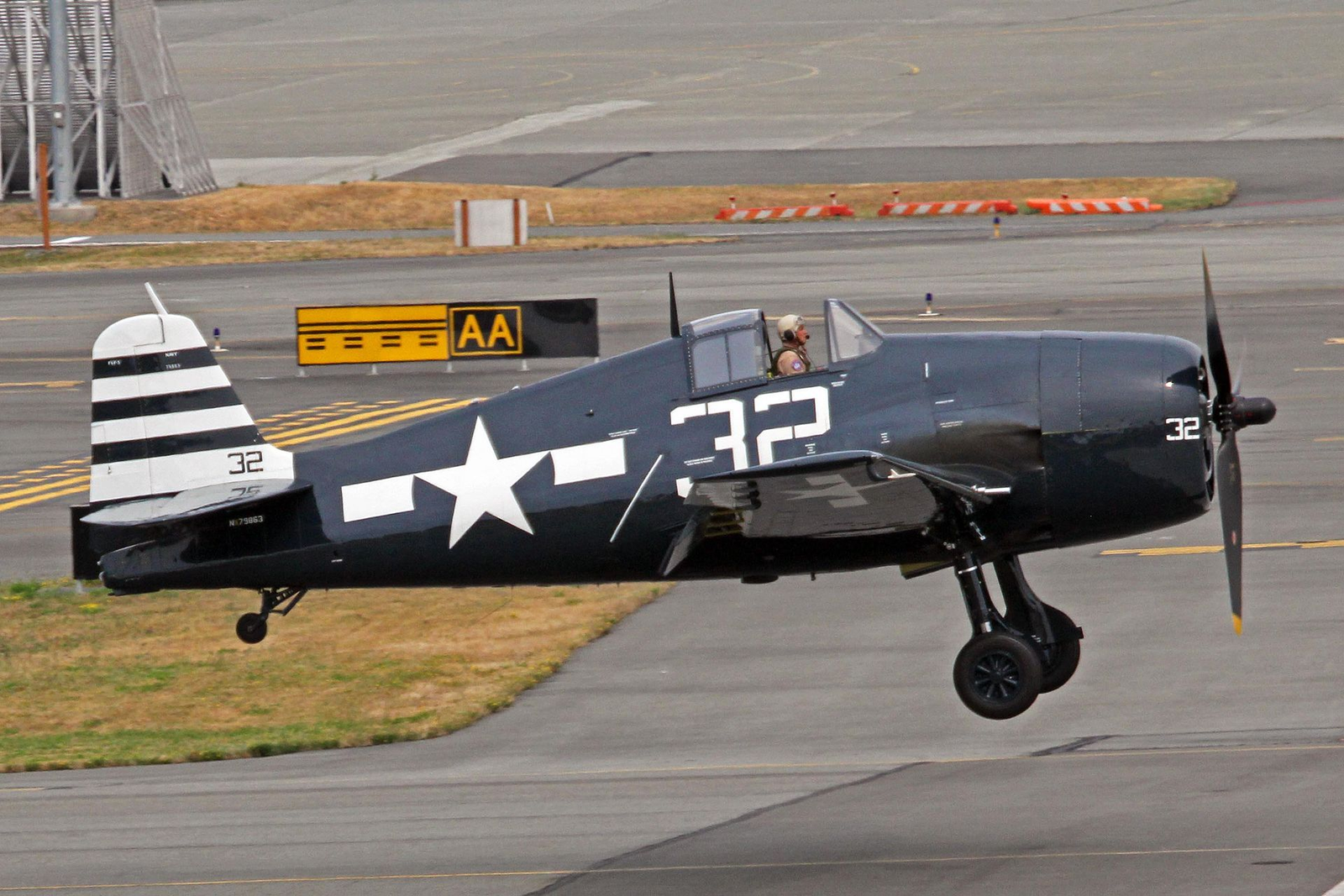

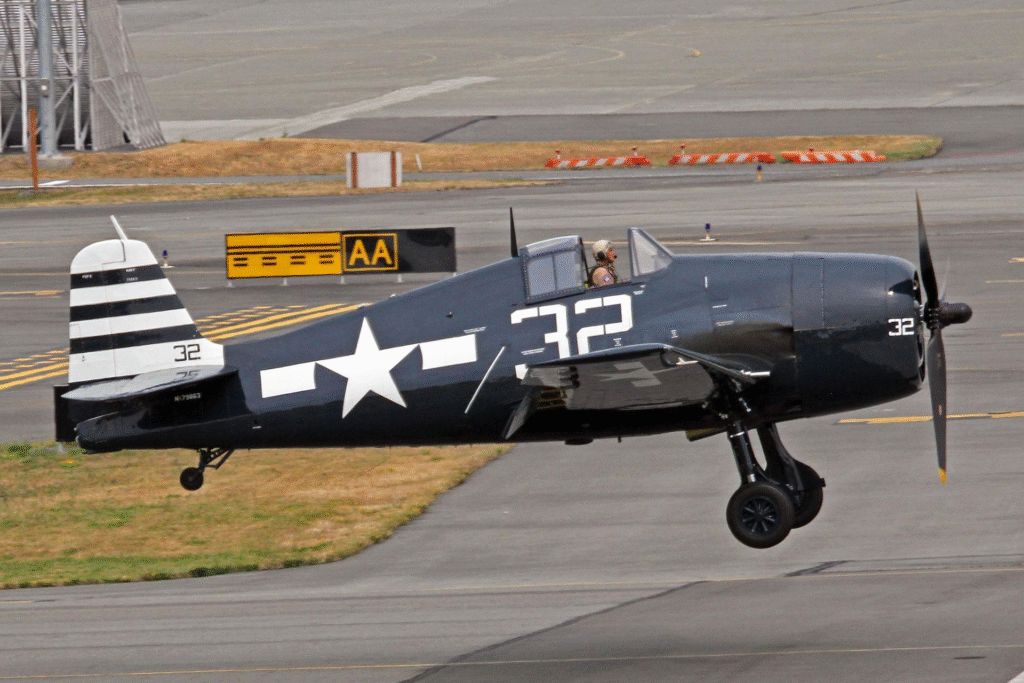
The Grumman F6F Hellcat is more than just a World War II fighter—it’s a story of innovation, resilience, and a lasting impact on aviation history. Few planes have shaped the course of a war as decisively as the Hellcat did over the Pacific, and its legacy speaks volumes about the ingenuity and determination that went into its creation.
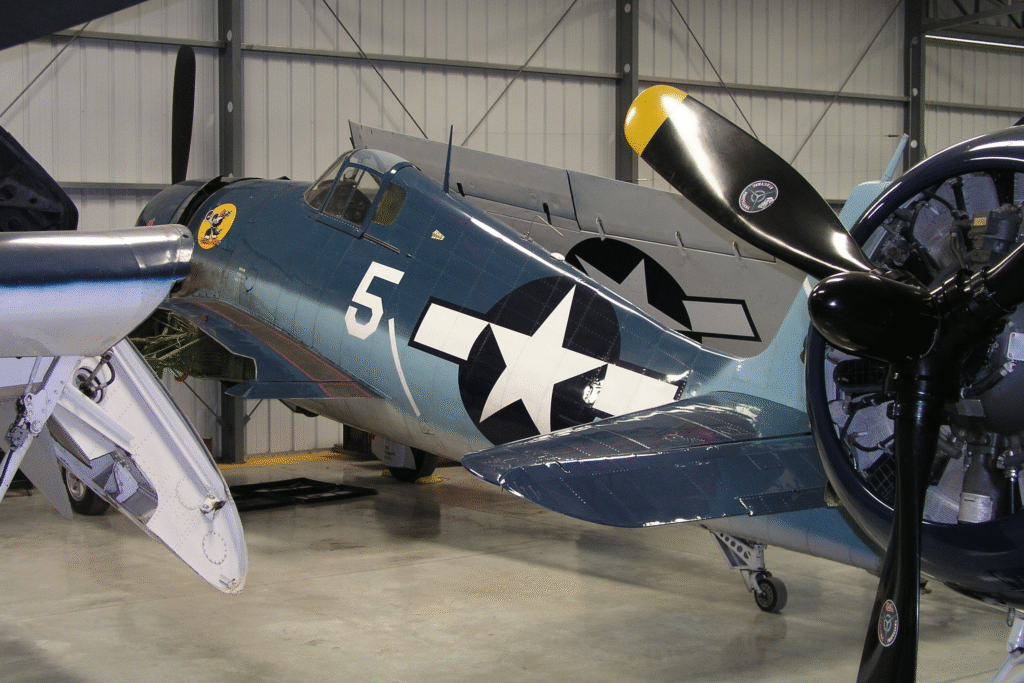
The Hellcat was not just a refinement of an earlier design. It was created from the ground up, made to serve the needs of carrier pilots on a daily basis. Drawing lessons from the strengths and weaknesses of the F4F Wildcat, Grumman engineers created an aircraft that was faster, stronger, and more efficient than ever. Its foundation was the Pratt & Whitney R-2800 Double Wasp engine, delivering 2,000 horsepower that gave it outstanding speed and climb performance.

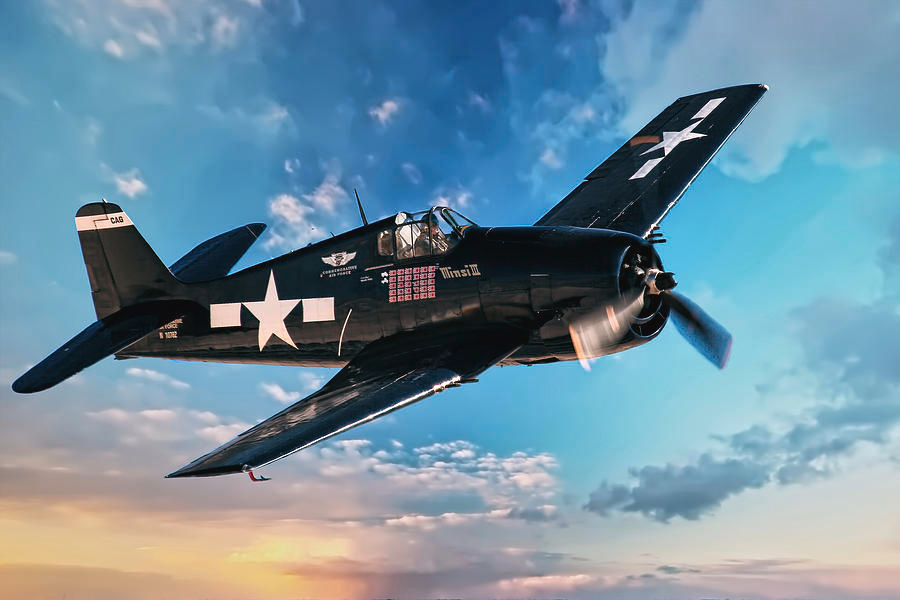
Coupled with robust hydraulic landing gear, a folding wing system, and an armored windscreen, the Hellcat was built to withstand the harsh conditions of carrier life. Soon, pilots learned to rely on it, understanding that it would suffer a drastic pounding and yet bring them safely home, gaining a reputation as both a reliable workhorse and savior.

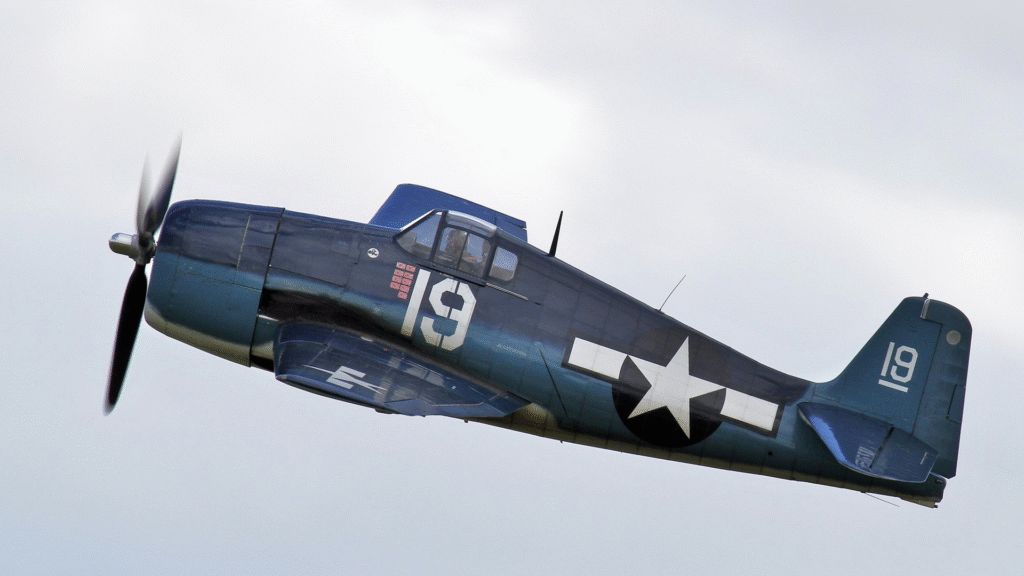
It was not easy flying off carrier decks, but the Hellcat made it look easy. Its smooth handling made landing and taking off easier, and its revolutionary wing-fold design allowed carriers to carry more aircraft, giving the American war effort a crucial advantage in numbers.

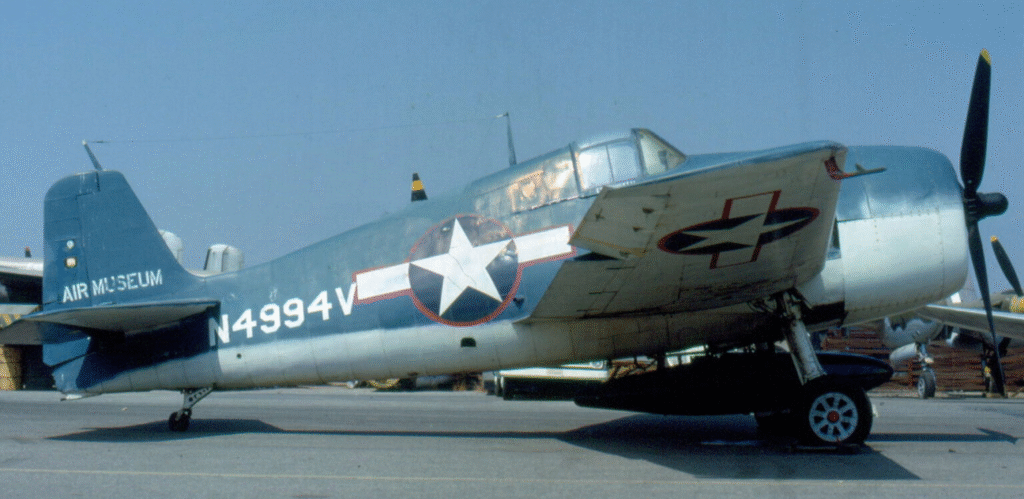
Easy maintenance kept squadrons airborne with the non-stop cycle of the Pacific campaign and permitted pilots to focus on flying and combat rather than constant repairs.

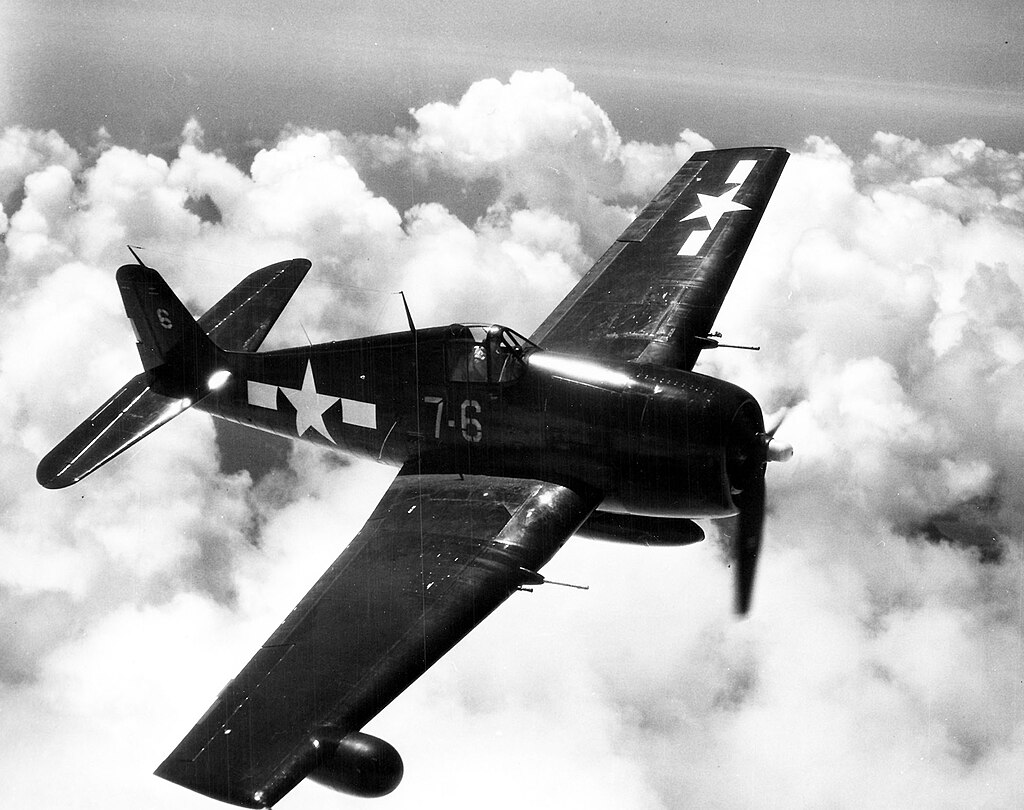
In operation, the Hellcat’s performance was for itself. With a staggering 19-to-1 kill-to-loss ratio, Japanese pilots soon dreaded it. From its initial combat in September 1943, it became known as the Zero scourge. Its moment of glory was during the Battle of the Philippine Sea, the “Great Marianas Turkey Shoot,” when Hellcat pilots destroyed over 500 Japanese aircraft in two days, eliminating Japan’s carrier air capability.

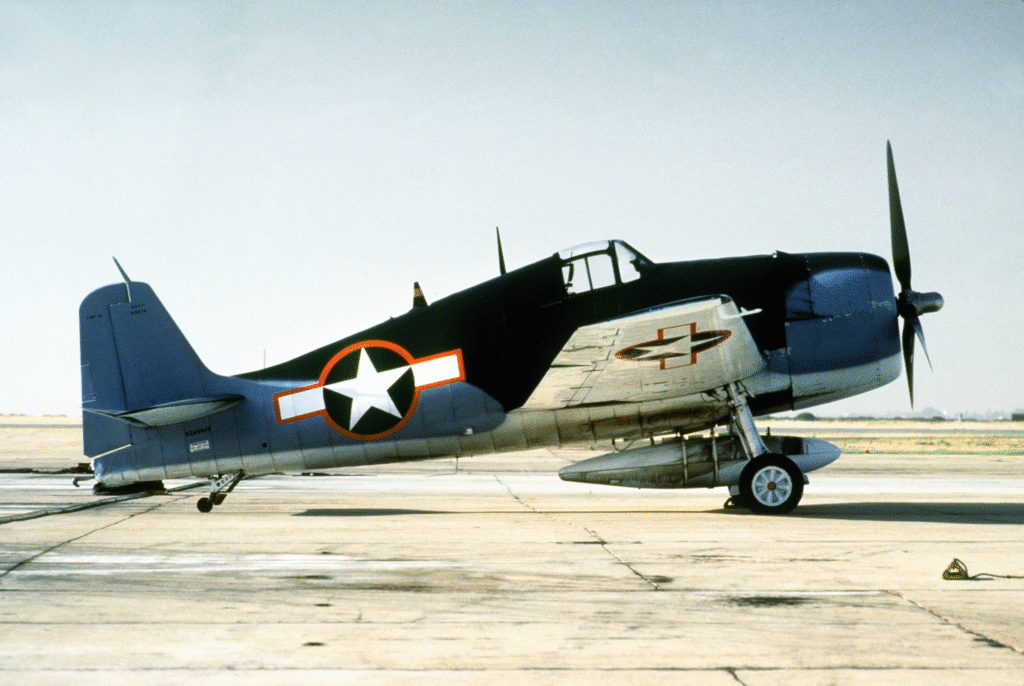
Fitted with six .50-cal machine guns and capable of carrying rockets and bombs, the Hellcat could strike at both airborne and ground targets, producing devastating effects in multiple roles.

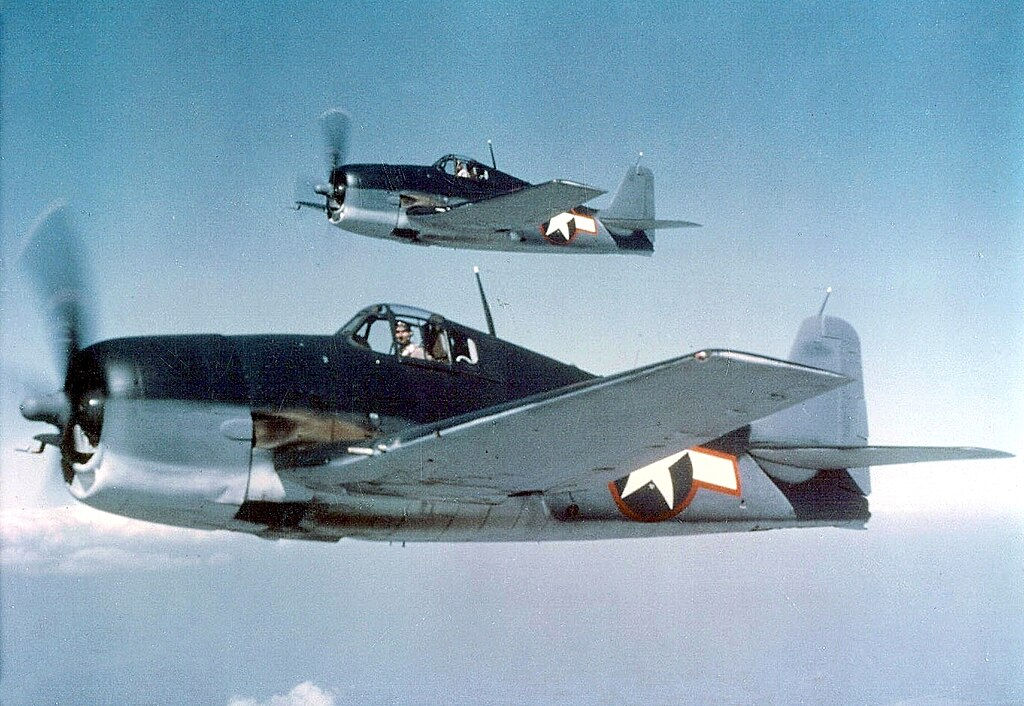
The influence of Hellcat extended far beyond individual combat operations. It formed the core of U.S. carrier aviation in 1944, leading assaults across the Central Pacific from Essex-class carriers. Its air superiority during the Battle of Leyte Gulf allowed American forces to destroy the remaining Japanese fleet and land amphibious troops with minimal resistance.

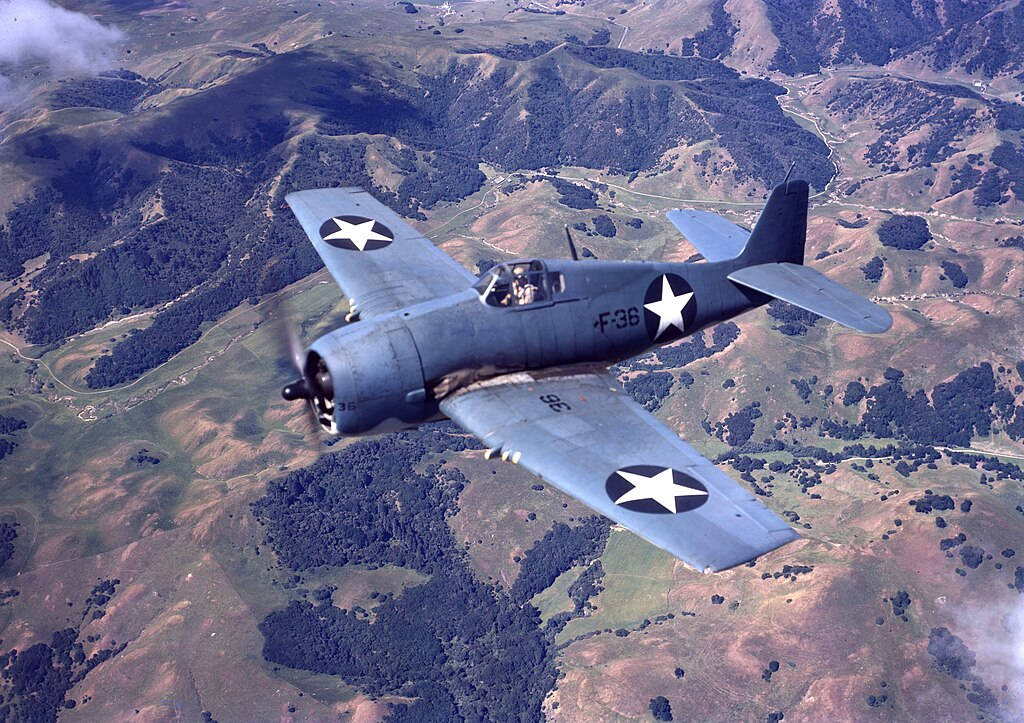
Having the plane in the sky gave U.S. forces the confidence and mobility they needed, reversing the course of the battle and leading to victories like the recapture of the Philippines.
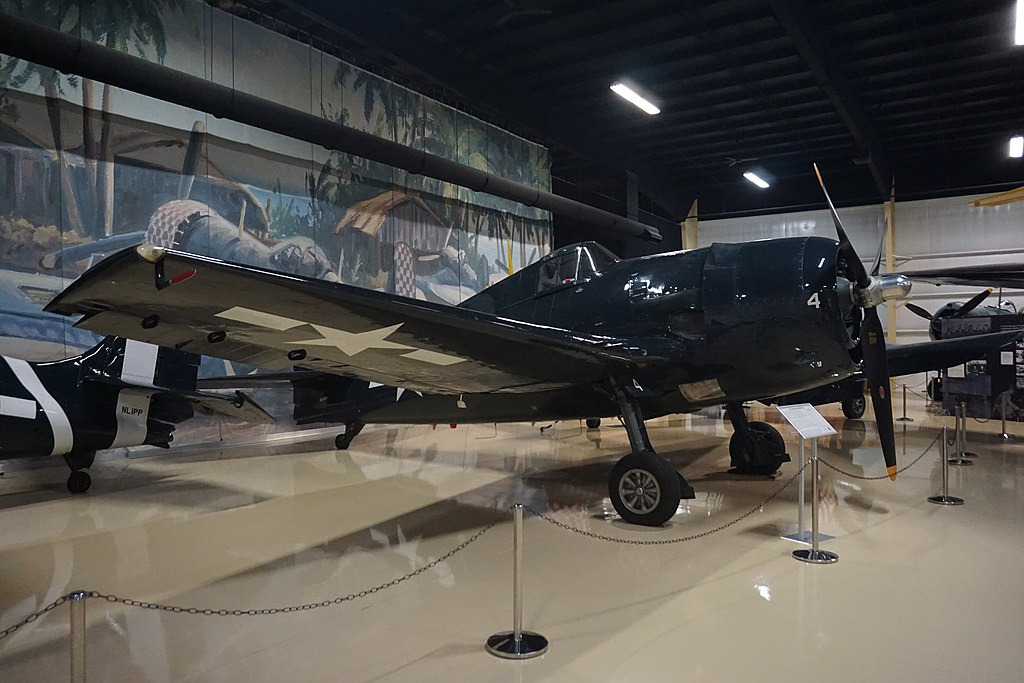
Well, after the war had ended in 1945, the Hellcat’s effects were still being witnessed. The majority are stored in museums and airshows, like restored legends “Death N’ Destruction” located at the Fagen Fighters WWII Museum. It also has the distinction of being the Navy’s Blue Angels flight demonstration team’s original aircraft.
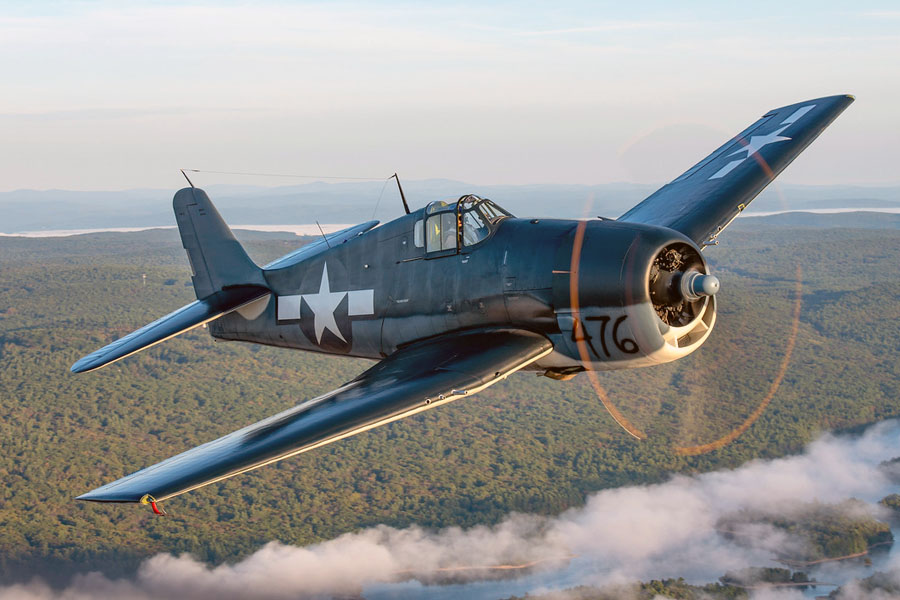
The design philosophies that went into it—strength, versatility, and pilot-centered engineering—are still relevant today in naval aviation. The F6F Hellcat was more than a fighter;, the product of wise design, tactical thinking, and industrial engineering that triumphed in the air and left a lasting mark on naval aviation’s history.