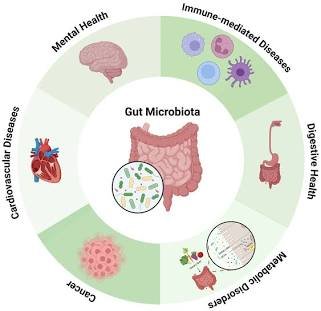
Your gut not just a digestive organ but it very important organ of your body. Scientists refers our gut as the second brain, your gastrointestinal system houses trillions of microscopic organisms which are collectively known as the gut microbiome.
When this delicate body ecosystem is balanced, your digestion nurtures, your energy remains stable, and your body’s immunity system functions better. However, when bad bacteria begin to grow above the good gut bacteria, then it triggers a condition which is called as dysbiosis (microbial imbalance).
Because your gut communicates with almost every system in your body, an imbalance rarely stays into your stomach.
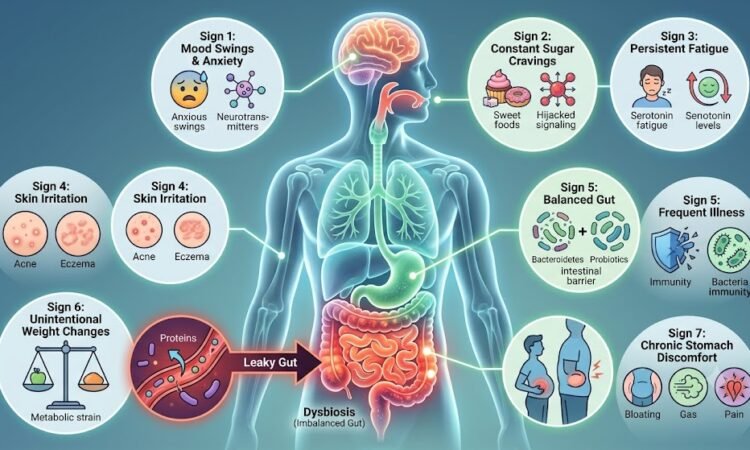
Here are seven warning signs of poor gut health, along with what you can do to restore the balance.
- Chronic Stomach Discomfort
The most obvious signs of an unhealthy gut happen right at the source. If you frequently experiences gas, bloating, constipation, diarrhea, or heartburn after eating, your gut is struggling to process food.
While occasional gas is normal, chronic bloating often signals that food is fermenting prematurely in your digestive tract due to an overgrowth of specific bactera’s which are causing trouble.
- Unintentional Weight Changes
Have you noticed the scale which is shooting up or dropping suddenly down, without any major changes to your diet or workout routine? An imbalanced gut microbiome can disturb your body’s ability to absorb essential nutrients, regulate blood sugar levels, and signal metabolic fullness.
For example, an overgrowth of bacteria associated with a high-fat diet can increase the calories in your body gained from food, making healthy weight management difficult with high calories in body.
- Persistent Fatigue and Poor Sleep
If you sleep eight hours a night but still wake up with feeling exhausted, your gut might be the troublemaker. A staggering 90% of your body’s serotonin, an neurotransmitter compound responsible for regulating mood and sleep cycles, is produced in your gut.
When your gut health is poor, serotonin production dips down, which can severely impact on your circadian rhythm, leading to insomnia, fragmented sleep, and chronic fatigue.
- Skin Irritation and Breakouts
The gut-skin axis is a well-documented way in modern dermatology. Inflammation originating in the gut due to a poor diet or food sensitivities can cause few types of proteins to leak into the bloodstream. This condition, often known as a leaky gut, which can irritate the immune system and generate various skin conditions such as:
- High Acne growth
- Eczema
- Psoriasis
- Rosacea
- Constant Sugar Cravings
It sounds strange, but the microbes living inside you gut can actually impacts on your brain chemistry to fulfil theirneeded food energy sources. Research shows that a diet high in processed foods and refined sugars feeds bad bacteria and yeast, causing them to multiply. As they grow in number, they send chemical signals that increases your cravings for sugar, trapping you in a vicious bad gut cycle.
- Mood Swings, Anxiety, and Brain Fog
Because the gut and brain are directly connected via the vagus nerve, a distressed digestive system can send distress signals directly to your central nervous system. If you experience unexplained brain fog, mild anxiety, or sudden shifts in your mood, it may not just a stress, as it could be a direct result of systemic inflammation caused by troubled gut microbiome.
- Frequent Illnesses and Low Immunity
Do you seem to catch every cold or flu that makes the rounds every season? Your gut is the frontline of your body’s immunity system, containing roughly 70% of your body’s immunity cells. A healthy gut microbiome trains your body immunity system to effectively differentiate between harmful pathogens and harmless tissue. When such dysbiosis occurs, your natural body defenses get weakened.
How to Start Fixing Your Gut Health
If you identify these several symptoms early during your routine can be beneficial, as, your gut microbiome is incredibly strong and changes rapidly based on your habits. You can start controlling your digestive health back on track with these basic adjustments:
- Diversify Your Daily Diet: Focus on plant fiber.
Aim to eat 30 different plant-based foods every week which including vegetables, fruits, nuts, seeds, and legumes. Microbial diversity depends heavily on a wide variety of dietary fibers. - Adopt Fermented Foods: Introduce active cultures/ gut friendly baceria rich food items.
Naturally introduce beneficial live bacteria rich food such as eating small portions of kimchi, kefir, sauerkraut, or unsweetened Greek yogurt to your daily meals can helps a lot. - Reduce Ultra-Processed Foods: Starve the harmful bacteria.
Minimize your consumption of artificial sweeteners, refined sugars, and heavily processed fats, which actively reduce the protective mucosal lining of your intestines. - Manage Chronic Stress: Soothe the vagus nerve.
Adopt 5 to 10 minutes of daily mindfulness, deep breathing, or walking, as chronic stress alters the gut’s strength and increases inflammation.
When to see a doctor: While lifestyle changes can resolve minor dysbiosis, critical symptoms such as blood in the stool, severe abdominal pain, or sudden unexplained weight loss require professional doctor examination and treatment from a gastroenterologist.
Following are few probiotic foods that will help to feed your beneficial gut microbes, along with adding them in your daily diet.
Prebiotics vs. Probiotics: What is the Difference?
Think of your gut such as it is an garden which needs to be flourished. Probiotics are the live, beneficial seeds for your gut such as yogurt, kefir, or kimchi). Prebiotics are the fertilizer, as the specialized plant fibers that humans can’t digest, but pass cleanly into the lower digestive tract to feed your good bacteria, so, they can multiply and nourish your gut.
5 Powerful Prebiotic Foods and How to Eat Them
- Garlic & Onions (The Base Fuel)
Why they work: Beyond packing a huge flavor punch, these culinary staples are loaded with inulin and fructooligosaccharides (FOS). These fibers fuel good Bifidobacteria and prevents the bad bacteria to grow.
Meal Idea: Don’t just cook them down to nothing. For maximum prebiotic punch, crush raw garlic and mix it into an olive-oil-based salad dressing, or lightly sauté onions with retaining a bit of their crispness.
- Leeks & Scallions (Green Onions)
Why they work: They are Part of the same family as garlic, leeks contain a high concentration of inulin that helps your gut to break down fats more efficiently.
Meal Idea: Thinly slice, the white and light-green parts of leeks and melt them down in a pan with olive oil as a base for eggs, or toss generous amounts of raw, chopped scallions over stir-fries or bowls.
- Under-Ripe Bananas (The Resistant Starch Hero)
Why they work: As a banana ripens and turns yellow or spotted, its starches convert into simple sugars. But when a banana is still slightly green at the tips, it is packed with resistant starch. This starch bypasses the small intestine and ferments in the large intestine, by producing butyrate, a short-chain fatty acid that repairs your gut lining.
Meal Idea: Buy your bananas slightly green, slice them up, and blend them into your morning smoothies. The cold temperature and other smoothie flavors mask its hard texture and increase its healthiness.
- Jerusalem Artichokes (Sunchokes)
Why they work: Not to be confused with standard green artichokes, sunchokes are small root vegetables that look a bit like ginger root. They are one of the most concentrated sources of inulin which found in nature.
Meal Idea: Scrub them clean, slice them thinly, toss them with olive oil, salt, and rosemary, and roast them at 400°F (200°C) until they become crisp up like potato chips.
- Oats & Barley
Why they work: Whole oats and barley are rich in a specific type of soluble fiber which is called beta-glucan. Beta-glucan has been heavily linked to growing healthy gut bacteria while simultaneously lowering LDL (bad) cholesterol.
Meal Idea: change the processed breakfast cereal for rolled or steel-cut overnight oats. Top them with chia seeds and berries for an extra boost of fiber diversity.
A Golden Rule for Your Gut, Always start with slow digestive changes, If your gut health is currently compromised, then by adopting only prebiotic fiber rich food may actually cause temporary gas and bloating as your bacteria needs time to adapt food which you eat. Pick one or two items from this list to add to your routine this week, and increase your intake gradually over a time of few weeks along with drinking plenty of water to support the better digestion.
We hope above article will help you to take better care of your gut by understanding various gut issues and managing effective digestion with the help of gut friendly diet.
Signs of poor gut health, Unhealthy gut symptoms, gut microbiome balance, leaky gut signs, how to fix gut health, chronic bloating causes, signs of poor gut health

Amit Mehta is a Editor, Nutrition & Lifestyle Habits @Gymbag4u.com
B.Sc. in Dietetics, SNDT Women’s University | Registered Dietitian (RD India)
Amit Mehta joined Gymbag4u.com in 2019, bringing with him a strong foundation in clinical nutrition and public dietary education. As a registered dietitian.