Acute inflammation is a short-term immunological response of our body which produces natural response of general injury or infection. The chronic systemic inflammation works as a silent, low-level physiological stress enhancer. When the body immunity system remains permanently activated, it continuously releases pro-inflammatory cytokines, which including interleukin-6 (IL-6), interleukin 1 beta (IL-1\beta), and tumor necrosis factor-alpha (TNF-\alpha) in the body blood vessels. Over the time, this continuous cellular wear and tear damages healthy body cells and tissues, and become a driver for major non-traceable diseases (NCDs) such as type 2 diabetes, cardiovascular disease, rheumatoid arthritis, metabolic syndrome, and accelerated mental ability decline. Therefore, in this article we are guiding you about Anti-Inflammatory diet Foods that will help to Reduce Systemic Inflammation.
The primary creator behind this modern inflammatory epidemic is the popular adoption of the Western diet, which is heavily laden with ultra-processed foods, refined grains, industrial seed oils with high in omega-6 fatty acids, and added salt and sugars. These dietary components triggers a rapid insulin spikes, alter gut digestion system, and sustain metabolic acidosis.
Transitioning to a natural, healthy food diet, including the popular Mediterranean diet or the Dietary Approaches to Stop Hypertension (DASH) diet, delivers natural body friendly compounds. These molecules actively interrupt pro-inflammatory signaling pathways, offering a safe and sustainable energy regulating body function based stress.
The Top Natural Foods to Reduce Systemic Inflammation
Reducing systemic inflammation requires a dual-action approach, first one is of removing pro-inflammatory triggers while another is of consistently providing your body with anti-inflammatory nutrients. Clinical research highlights several exceptionally powerful whole foods that actively reduce circulating inflammatory biomarkers.
- Cold-Water Fatty Fish :Powerhouse of Omega-3 nutrient
Fatty fish is the popular dietary source of long-chain omega-3 fatty acids, specifically eicosapentaenoic acid (EPA) and docosahexaenoic acid (DHA). Unlike plant-based omega-3s, which require a highly inefficient internal digestion process, marine-sourced EPA and DHA are easily absorbed by human cell membranes.
- Best Varieties: Salmon (especially wild caught), mackerel, sardines, anchovies, and herring (commonly abbreviated as the SMASH fish).
- The Mechanism: EPA and DHA competitively displace pro-inflammatory arachidonic acid i.e. an omega-6 fatty acid, within cellular phospholipid bilayers. This direct change significantly reduces the production of destructive, pro-inflammatory eicosanoids and leukotrienes. Furthermore, these fatty acids serve as the direct precursors to specialized pro-resolving mediators (SPMs) known as resolvins, protectins, and marisins, which actively turn off the inflammatory obstacles and promote natural body cells and tissue healing.
- Vibrant Colorful Berries i.e. Anthocyanin Elixirs
Berries contain the highest concentrations of antioxidants ever found in the plant world. Their dark, intense colors are a visual indicator of their rich polyphenol content, specifically a class of flavonoids which is called as anthocyanins.
- Best Varieties of Berries: Wild blueberries, blackberries, black raspberries, strawberries, and acai berries.
- The Mechanism: Anthocyanins works as a potent free-radical fighter, directly neutralizing reactive oxygen species (ROS) before they can create oxidative stress and further cause structural damage to cellular DNA. Clinical trials demonstrate that regularly eating seasonal berry, can significantly lowers plasma levels of C-reactive protein (CRP), a primary clinical fighter of systemic inflammation, while boosting the body’s internal production of endogenous antioxidant enzymes.
- Extra Virgin Olive Oil i.e. The Liquid COX-Inhibitor
Extra virgin olive oil (EVOO) is the very healthy cooking oil for longevity and vascular health. Unlike regular refined vegetable oils, premium cold-pressed Olive Oil (EVOO) retains its full protective monounsaturated fats i.e. oleic acid and unique phenolic compounds and provide healthy impact on cardiovascular health.
- The Key Compound: Oleocanthal, a specific polyphenol found exclusively in high-quality extra virgin olive oil.
- The Mechanism: Oleocanthal have an unique anti-inflammatory properties that creates the pharmacological mechanism of non-steroidal anti-inflammatory drugs (NSAIDs) such as ibuprofen naturally. It acts as a natural inhibitor of cyclooxygenase-1 (COX-1) and cyclooxygenase-2 (COX-2) enzymes. These enzymes are responsible for synthesizing pro-inflammatory prostaglandins. Regular consumption of this provides a continuous, low-dose anti-inflammatory effect without the gastrointestinal or cardiovascular side effects, and sometimes it is also associated with synthetic medications.
- Cruciferous & Dark Leafy Green Vegetables : Nrf2 Activators
Dark green vegetables are nutritional powerhouses packed with magnesium, vitamin C, folate, carotenoids, and special organosulfur compound which is called sulforaphane.
- Best Green vegies options: Kale, spinach, broccoli, Brussels sprouts, Swiss chard, and watercress.
- The Mechanism: Sulforaphane is a highly effective activator of the Nrf2 (Nuclear Factor Erythroid 2-Related Factor 2), which is a signaling pathway. Nrf2 acts as a genetic master switch for cellular defense. When activated, it travels to the cell nucleus and triggers the genes which are responsible for producing internal antioxidants such as glutathione and detoxification enzymes. Simultaneously, the high magnesium content in leafy greens helps to clear calcification from arterial walls and reduces systemic nervous system stress.
- Functional Spices: Turmeric & Ginger (NF-kappaB Blockers)
Culinary herbs and spices such as Turmeric and Ginger are not just the flavor enhancers, they are highly concentrated therapeutic agents containing unique, biologically active phytochemicals. Turmeric is known for its clinical efficacy to a group of polyphenol compounds called curcuminoids i.e. curcumin, while ginger is known for its important oils, known as gingerols and shogaols.
- The Mechanism: Curcumin and gingerols work at a base genetic level by directly blocking Nuclear Factor of Kappa B (NF-kappaB). As, NF-kappaB is a major pro-inflammatory factor that sits inside the cell cytoplasm. When triggered by stress, toxins, or a poor diet, it migrates into the cell nucleus and switches on the genes that manufacture inflammatory cytokines. By preventing the activation of NF-kappaB, these spices stop the inflammation at its route by eliminating its origin point.
The Empirical Dietary Inflammatory Index (EDII) Matrix
To build a genuinely anti-inflammatory lifestyle, you must understand how individual food groups based on their direct, proven impact on blood inflammation, such as CRP, IL-6, and TNF-alpha. The table below categorizes foods using the structural principles of the Empirical Dietary Inflammatory Index (EDII).
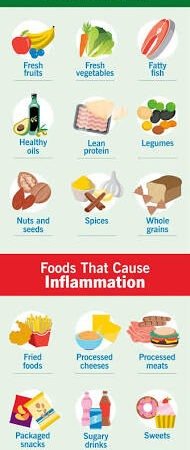
Anti-Inflammatory Superfood (Include Daily)
- Fatty Fish & Marine Seafood, Rich in natural EPA and DHA
- Dark Leafy Greens & Allium Veggies such as Spinach, kale, garlic, onions, leeks
- Vibrant Colored Fruits & Berries such as Blueberries, cherries, pomegranates, citrus fruits
- Whole Grains & Legumes such as Black beans, lentils, chickpeas, steel-cut oats, quinoa etc.
- Healthy Plant-Based Lipids such as Extra Virgin Olive OIL (EVOO), raw walnuts, chia seeds, flaxseeds, avocados, Dry fruits etc.
Pro-Inflammatory Triggers (Strictly Limit):
- Processed & Cured Meats such as Bacon, hot dogs, sausage, deli meats containing nitrates
- Refined Carbohydrates & Flours rich food such as White bread, packed pastries, pasta, white rice
- Ultra-Processed Food items such as packaged potato chips, packaged snack cakes, fast food etc.
- Sugary and synthetically Sweetened Drinks such as High-fructose corn syrup sodas, sweetened teas, sugar based energy drinks and flavored synthetic juices.
- Industrial Trans Fats & Refined Seed Oils such as Margarine, shortening, corn oil, soybean oil, safflower oil etc.
3 Important Ways to Maximize Therapeutic Benefits
Simply buying anti-inflammatory ingredients is only half the way to achieve anti inflammation. The chemical structures of these beneficial plant compounds are delicate and highly dependent on how they are stored, prepared, and even mixed with other food items. To get the maximum therapeutic benefits from your groceries, implement these three evidence-based cooking methods.
Rule 1: Master the Turmeric natural Synergy (The Piperine + Lipid Method)
Curcumin is naturally not created inside our human body. And, It is hydrophobic (fat-soluble), which meaning it dissolves poorly in the watery environment of our gut. Furthermore, the human liver naturally subjects curcumin to a process which is called rapid glucuronidation, actively flushing it out of the body before it can enter the systemic circulatory system.
To completely deal with this metabolic barrier, you must always combine turmeric with black pepper and a healthy fat source. Black pepper contains a unique alkaloid which is known as piperine. As, Piperine temporarily regulates the liver enzymes helps for flushing out toxic compounds from our body. Clinical trials have proven that combining black pepper with turmeric enhances curcumin absorption by an astonishing 2,000%. Combining this mix with a healthy fats such as extra virgin olive oil, coconut milk, or avocado’s etc. allows the fat-soluble curcuminoids to be absorbed directly in our lymphatic system, bypassing first-pass liver metabolism entirely.
Rule 2: Mitigate Advanced Glycation End-Products (AGEs) with Moisture and Low Heat
The cooking methods you follows on daily basis can completely alter the molecular structure of your food, and turning the healthy ingredient in an inflammatory hazard. Subjecting proteins and fats to high-heat, dry cooking methods, such as deep frying, pan-searing, Industrial baking, or charcoal cooked meat over an open flame, accelerates a chemical reaction between sugars and proteins. This reaction creates toxic compounds which are known as Advanced Glycation End-products (AGEs).
When AGEs are absorbed inside human tissues, they combines with a specific cellular receptor which is named as RAGE i.e. Receptor for Advanced Glycation End-products. The combination of AGEs to RAGE starts a massive intracellular mix of oxidative stress and starts creating a low-level vascular inflammation.
The Remedy: Shift your daily cooking toward low-heat cooking, and moisture-rich preparation techniques. Prioritize steaming, poaching, braising, stewing, slow-cooking, or quick stir-frying on medium temperatures. When you do grill or roast foods, marinate the ingredients in highly acidic liquids such as fresh lemon juice, or apple cider vinegar. The acidic environment dramatically changes the formation of AGEs during the cooking process.
Rule 3: Support the Gut-Joint Axis via Microbacterial Fermentation and Fatty Acids
A major part of your systemic body immunity system depend directly on the gut health. The cellular integrity of this barrier rules on your global inflammatory status. When you eat dietary fiber from variety of food items such as grains, legumes, root vegetables, fruits, and seeds, these complex carbohydrates travel to your large intestine completely intact, as human enzymes lack the ability to break them down.
Once these fibers reach to your colon, they acts as the primary energy source for your beneficial gut bacteria. Through a process which is called as bacterial fermentation, your gut bacteria breaks down these prebiotics and synthesize important metabolic byproducts which are known as short-chain fatty acids (SCFAs), which are basically acetate, propionate, and butyrate.
Butyrate acts as the primary energy source for the body cells of your colon (colonocytes), maintaining strong bonding and preventing a condition which is known as intestinal permeability or leaky gut. When these strong bonds break down, bacterial endotoxins, specifically lipopolysaccharides (LPS), leak from the gut lumen directly into your circulatory system, triggering immediate, widespread systemic inflammation.
By avoiding artificial sweeteners, chemical emulsifiers, and preservatives found in ultra-processed foods, you can easily protect this delicate gut bacterial balance. Nourishing your digestive system with prebiotic fibers and natural polyphenols creates a highly strong gut ecosystem, which helps in lowering your body’s systemic inflammation and supporting healthy joint, strong metabolic process, and improved focus and mental ability.
Translating Food to Cellular Action
To visualize how these dietary changes directly influence on your internal physiology, review the table below showing the direct cellular targets of each major anti-inflammatory food.
Anti-Inflammatory Food sources:
- Fatty Fish: Omega-3 fatty acids (EPA & DHA), Reduces Arachidonic Acid, Suppresses Eicosanoids & Leukotrienes, Reduces C-reactive protein (CRP), supports heart and joint health.
- Berries: Contains Anthocyanins, Vitamin C, Neutralizes Free Radicals, Lowers oxidative stress, protects vascular endothelial cells & Plasma CRP.
- Extra Virgin Olive Oil (EVOO): Contains Oleocanthal, Monounsaturated fats Compound, Naturally does Pro-Inflammatory COX Enzymes, similar to medicines such as ibuprofen.
- Leafy Greens: Contains Vitamin K, Lutein, Folate, Activates Nrf2 Pathway, Stimulates Internal Antioxidant Production, Neutralizes cellular damage, supports brain health.
- Turmeric/Ginger: Contains Important nutrients such as Curcumin, Gingerol, Blocks NF-κB Molecule, Shuts Down Pro-Inflammatory Cytokine Genes and helps in better joint mobility.
- Nuts & Seeds (Walnuts, Chia, Flax): Contains ALA (Omega-3), Vitamin E etc. nutrients, Protects cell membranes, improves metabolic support.
- Green Tea: Contains EGCG i.e. Epigallocatechin gallate, reduces harmful cytokine production and supports gut bacterial health.
Upon adding the above anti-inflammatory foods in your daily diet, you can enjoy their wide benefits to your health.

Lead Editor, Mental Health & Mindful Living
M.A. in Clinical Psychology, University of Mumbai | Certified Mindfulness Instructor (CMI)
Priya Patel joined Gymbag in 2019 and brings more than 12 years of experience as a therapist and wellness educator. Her content are mix of psychology with daily-life practices, covering topics from emotional regulation to body damage and energy loss recovery.