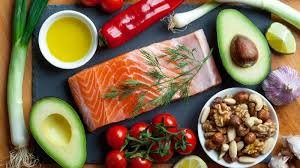
In today’s lifestyle filled with ultra-processed snacks and sugary cereals, many health conscious people are looking to the ancient past methods of we humans for a health solution. The recently popular Paleo Diet is also known as the Caveman Diet or the diet which our ancestor humans Stone Age Diet.
The philosophy of paleo diet is simple, as if a caveman didn’t eat it, neither should you. By returning to the dietary patterns of our Paleolithic ancestors, there are claim of reduced inflammation, lose weight, and improve overall health with boosting essential energy and immunity.
What Exactly is the Paleo Diet?
The Paleo diet is based on the idea that human genetics have not significantly changed since before adopting the the agriculture based lifestyle. According to this theory, the modern diet consists of heavy to digest grains, dairy, and processed foods, which are not suitable for our ancient pre-agriculture human biology, and may leading to diseases such as obesity and diabetes.
The Process of Paleo Diet
In this diet, there has to be given a focus on fresh, raw, unprocessed foods that could be similar to food which was like hunted or gathered thousands of years ago by ancient cavemans.
What to Eat vs. What to Avoid
By exploring the food item list for Caveman Diet requires first needs a strict shift in mindset. You’ll spend most of your time in the meat based food rather than todays popular grocery items.
Which Foods to added to Paleo Diet:
- Grass-fed Meats: Beef, lamb, chicken, turkey, and pork.
- Fish and Seafood: Especially those rich in Omega-3s like salmon, mackerel, and trout.
- Eggs: Preferably free-range or omega-3 enriched.
- Vegetables: Broccoli, kale, peppers, onions, carrots, and tomatoes.
- Fruits: Apples, bananas, oranges, pears, and antioxidant-rich berries.
- Tubers: Potatoes, sweet potatoes, yams, and turnips.
- Nuts and Seeds: Almonds, walnuts, macadamia nuts, pumpkin seeds, and chia seeds.
- Healthy Fats: Extra virgin olive oil, avocado oil, coconut oil, and avocado.
Foods to Avoid in Paleo Diet
- Grains: Wheat, rye, barley, oats, corn, and rice.
- Legumes: Beans, lentils, peas, and peanuts (yes, peanuts are legumes!).
- Dairy: Most of the Paleo diet followers avoid milk, cheese, and yogurt (though some allow grass-fed butter).
- Refined Sugar: High-fructose corn syrup, table sugar, and agave nectar.
- Processed Vegetable Oils: Soybean oil, sunflower oil, and canola oil.
- Artificial Sweeteners: Aspartame, sucralose, and saccharin.
Potential Benefits of the Paleo Diet
Lets know why there are many people switching to a primitive diet practices? As per the Research and observed evidence suggest several benefits:
- Weight Loss: High protein and fibre intake promote satiety, making it easier to maintain a calorie deficit without feeling hungry.
- Improved Insulin Sensitivity: By eliminating refined sugars and grains, many people experience more stable blood sugar levels.
- Reduced Inflammation: The emphasis on Omega-3 fatty acids and antioxidants helps combat chronic inflammation.
- Clearer Skin: Many diett followers report of a reduction in acne and skin irritation after cutting out the dairy and processed sugars.
Is Paleo Right for You?
Though the paleo diet is rich in vital nutrients, but it can be less effective on people with different health and nutrition requirements. Dieti criticizers and reviewers often points out that, this diet dont includes the entire nutritious food segment such as legumes and grains, which are known to be more healthy and but on the other hand it may cause more body mass.
If you find Strict Paleo diet too difficult to follow, then many people follow a 80/20 Paleo metghod, in which they practice eating paleo diet as 80% portion of their daily diet and eat small 20% of portion is with dairy, rice and non-paleo diet food.
Difference between Paleo vs. Modern Diet
- Feature: Protein Source, Paleolithic Diet: Lean meats, wild game, fish, Modern Western Diet: Processed meats, soy, dairy.
- Feature: Carbohydrate Source, Paleolithic Diet: Fruits and vegetables, Modern Western Diet: Refined grains and sugars
- Feature: Fat Type, Paleolithic Diet: High Omega-3, monounsaturated, Modern Western Diet: High Omega-6, trans fats
- Feature: Fiber Content, Paleolithic Diet: Very high (from plants), Modern Western Diet: Low (refined grains)
If you are ready to try the new trending Paleo lifestyle, then start by adopting a paleo diet, and remove other non-paleo diet food such as crackers, pasta, and soda etc from your kitchen grocery. Replace the unhealthy and processed food with fresh and high-quality protein rich food. Remember, the goal of diet change is not just a diet, as it is a return to a more natural way of improving energy in your body.

Amit Mehta is a Editor, Nutrition & Lifestyle Habits @Gymbag4u.com
B.Sc. in Dietetics, SNDT Women’s University | Registered Dietitian (RD India)
Amit Mehta joined Gymbag4u.com in 2019, bringing with him a strong foundation in clinical nutrition and public dietary education. As a registered dietitian.