Todays sedentary lifestyle of 20th century is a very common among professionals, and we all are aware that it comes with a critical diseases threat, which included unstable blood sugar level and diabetes and cardiovascular diseases. Discovering the blood pressure issue rising can create a threat to people with higher sedentary lifestyle, and there is a immediate need of effectively managing your blood sugar levels.
Whether you have already diagnosed with type 2 diabetes, prediabetes, or you are simply trying to stabilize your body energy levels to avoid blood sugar issue and looking for easy changes in your health routine and diet to manage this threat. Packaged and restaurant food eating is a habit adopted by many people and become an integral part of their lifestyle, but do they carefully check the label of food packed for harmful additives, and lack of nutrition, and the answer is no. Many people confuses while scrutinizing the food labels and nutrition which they eat, therefore they do not pay much attention, and that’s where they lack to prioritize their health above the short eating and tasty pleasure time.
So, what to do to avoid diabetes and sugar level spikes?, Here is the truth that, just starting a diabetic-friendly lifestyle is not just about neglecting nutrition, starvation, or eating bland, tasteless meals. Instead, it is a deliberate and firm choice to shift your perspective toward functional nutrition, using tasty yet nutrient rich foods to fuel your body, while keeping your blood glucose level at safer and predictable target range and doing routine physical exercises to burn excess fat and carbs.
This article is a beginner-friendly set of information, where we breaks down the science of effective blood sugar management, which also offers a huge range of grocery list categorized by food groups, provides practical diet strategies, and debunks the common spreaded dietary myths.
The Core Nutritional Science behind Carbohydrates, Fiber, and the Glycemic Index
To build a diet that effortlessly manages your blood sugar, you have to understand exactly how your metabolism handles different macronutrients. When you digest food, your body breaks it down into glucose (sugar), which enters in your blood veins. an article by NCBI on Glycemic Index and Diabetes Supports this study and an another article by MDPI Also clears on the relation of Glycemic Index & Diabetes.
In a persons body without any diabetes issue, the pancreas releases a hormone which is called insulin. Which is a microscopic element that unlocks your cells, allowing glucose to leave the bloodstream and enter the cells to be used for immediate physical energy or stored for later use. When you have type 2 diabetes or prediabetes, your body’s locks become stubborn, this is a condition which is known as an insulin resistance or your pancreas doesn’t produce enough insulin at a required level.
As a result, excess glucose absorbed in your blood vains, which leads to chronic high blood sugar, inflammation, fatigue, and other long-term health issues.
This is how your dietary choices directly alter this mechanism,
The Real Impact of Carbohydrates:
Carbohydrates have the most immediate and high impact on your blood sugar because they get converted entirely into glucose during digestion. However, carbohydrates are not the enemy to your health, as, you need to differentiate between complex and simple carbohydrates which can be healthy for your own body with the help of expert nutrition.
Why Dietary Fiber is Your Secret Weapon:
Fiber is a unique type of carbohydrates which are found in plant based food items, which your body cannot digest, but it nourishes your digestive bacterias. and, as because your digestive system can’t break it down, fiber passes through your digestive tract without turning it into glucose molecules. More importantly, soluble fiber forms a gel-like material in your gut that acts as a safety barrier. This barrier slows down the absorption of sugars and fats from other foods you have eaten in the same meal. By better digestion digestion, fiber redues out dramatic the after-meal blood sugar level spikes.
Mastering the Glycemic Index (GI):
The Glycemic Index is a measuring scale from 0 to 100 that ranks carbohydrate rich foods, based on how rapidly they can raise blood glucose levels with compared to pure glucose, which scores a perfect 100.
- Low GI (55 or less): These foods digest slowly, with providing a regular and sustained release of energy. This is your primary target zone to achieve health.
- Medium GI (56 to 69): To be consumed mindfully and paired with proteins or healthy fats.
- High GI (70 or higher): These foods rapidly digest, causing a sharp upword spike in blood sugar, followed by a sudden energetic crash.
The Healthy anti-diabetic Food List, a Nutrient-rich Superfoods:
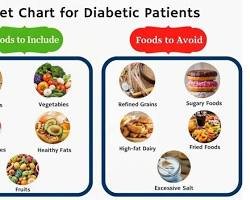
The following foods can be your foundational health building blocks in achieving diabetic free life. They foods are with a low glycemic scores, high fiber content, or structural fats and enough proteins that can naturally avoid the unnecessary insulin spikes.
ANTI-DIABETIC SUPERFOODS AT A GLANCE:
NON-STARCHY VEGGIES:
- Spinach & Kale
- Broccoli & Cauliflower
- Brussels Sprouts
- Zucchini & Asparagus
LEAN PROTEINS:
- Salmon & Mackerel
- Chicken & Turkey Breast
- Whole Eggs
- Tofu & Tempeh
HEALTHY FATS:
- Avocados
- Raw Almonds
- Chia & Flaxseed
- Extra Virgin Olive Oil
- Non-Starchy Vegetables:
Non-starchy vegetables should be added in more quantity in your daily diet. They offers high level of energy, which triggers hunger fulfilment or satiety signals in your brain, and also they contain very low calories or beneficial carbohydrates which further nourishes your body at optimum level.
- Leafy Greens (Spinach, Kale, Arugula, Swiss Chard): Packed with vitamins A, C, and E, as well as magnesium, which has been shown to help improve insulin sensitivity.
- Cruciferous Vegetables (Broccoli, Cauliflower, Brussels Sprouts): Contain a compound which is called sulforaphane, which protects our blood vessels from the oxidative stress which often caused by diabetes.
- Hydrating Vegetables (Cucumbers, Zucchini, Celery, Asparagus): Excellent sources of soluble fiber and watern that keep your digestive system moving effectively without disrupting glucose levels.
- Premium Lean Proteins:
Protein plays as an indirect, stabilizing role in your routine metabolic health. It stimulates the release of hunger satisfiction or satiety hormones such as peptide YY, which turns off your hunger signals. Most importantly, protein does not require an immediate, huge surge of insulin to be processed by the body during digestion which makes it more safe for healthy stressfree gut processing.
- Fatty Fish (Salmon, Mackerel, Sardines, Albacore Tuna): These are packed with EPA and DHA Omega-3 fatty acids. Because individuals with diabetes run a higher risk of a cardiovascular complications, these heart-healthy fats protect blood vessels and lowers the systemic inflammation.
- Poultry (Skinless Chicken and Turkey Breast): Highly health beneficial, pure protein options that contain zero carbohydrates.
- Plant-Based Proteins (Organic Tofu, Tempeh, and Edamame): These are best food choices that provides both protein and a small amounts of required complex fiber stimulants.
- Whole Eggs: A popular widely eaten nutrient rich source with packed in choline and lutein that provides an ideal macronutrient protein and fat with zero impacting on body blood sugar level.
- Structural Healthy Fats:
Fats are metabolically neutral when it comes to blood glucose levels, they do not cause insulin spikes. Furthermore, digesting fat takes a significant amount of time, which naturally delays stomach detox.
- Avocados: A is an unique fruit rich in monounsaturated fatty acids (MUFAs) and high in fiber. Replacing processed carbs with avocado improves insulin sensitivity and cardiovascular markers.
- Nuts and Seeds (Almonds, Walnuts, Chia Seeds, Flaxseeds): Walnuts are rich in plant-based omega-3s, while chia and flaxseeds are packed with soluble fiber. Just two tablespoons of chia seeds contains around 10 grams of dietary fiber which is sufficient for daily basis.
- Extra Virgin Olive Oil: itr is considered as one of the cooking oil in the world in terms of health and healthy fats, loaded with oleic acid and antioxidants that helps to retain body’s vascular health.
- Low-GI Complex Carbohydrates:
You do not need to adopt a zero-carb ketogenic lifestyle to manage your diabetes. You simply need to focus on your carbohydrate budget with healthy and unprocessed plant based food items.
- Berries (Raspberries, Blackberries, Strawberries): It is one of the best natural sweetner for a diabetic diet. They possess a low glycemic load because their natural fruit sugars are tightly bound inside a rich mix water and soluble fiber.
- Cut or Processed Oats: It Contain a specialized soluble fiber known as beta-glucan, which has been repeatedly proven in clinical studies to improve glycemic response and lower LDL cholesterol. Avoid instant, flavored oat packets which are low in fiber and high in cane sugar.
- Legumes (Lentils, Chickpeas, Black Beans): The ultimate double-threat food. They are rich in both plant protein and complex carbohydrates, making them digest incredibly slowly over several hours and provide more energy and less sugar.
The Red Light Food List, a Metabolic Triggers to Avoid:
These items can cause immediate, volatile blood sugar spike, burdens your pancreas, accelerate cellular insulin resistance, and triggers systemic energy crashes.
- Refined White Grains: This includes classic white sandwich bread, standard white pasta, pastries, packaged crackers, and jasmine white rice. The manufacturing process reduces the grain’s outer bran and germ layer (where consists of fiber, vitamins, and minerals), leaving behind nothing but pure, rapidly digestible starch.
- Sugar added Beverages: Liquid calories from regular soda, sweetened iced teas, fruit juices, and energy drinks are absorbed instantly by the body. Because there is no solid or fiber consists in it to slower down the absorption, the liver and blood vessels are instantly flooded with glucose and fructose, which can cause an extreme glycemic spike within a few minutes of its consumption.
- Ultra-Processed Trans Fats: Hidden inside the commercial baked and packaged goods, fried foods, and certain margarines, partially hydrogenated oils. Trans fats do not directly spike glucose in the short term, but they highly drive up cellular inflammation, worsen insulin resistance over the time, and damage vessels and arterial walls.
- Hidden-Sugar Condiments: Commercial barbecue sauces, ketchups, fat-free salad dressings, and sweet chili sauces are frequently preserved with high-fructose corn syrup. A single tablespoon of standard commercial BBQ sauce can contain up to 6 to 12 grams of sugar.
How to Build Your Healthy Food Plate, with the 50:25:25 Rule? Lets know:
Managing diabetes over the long period of time shouldn’t require carrying a blood sugar measuring equipment or keeping a log of its fluctuations for every single meal. Instead, use the smart food portion control technique via the Diabetes Food Plate Method.
To use this strategy, take a standard 9 inch dinner plate and visually map out your portions using this balanced framework:
The trending 50:25:25 Rule of an ideal diabetic food plate should ideally consists of:
- 50% PORTION OF NON-STARCHY VEGETABLES SUCH AS SPINACH, BROCCOLI, PEPPERS ETC.
- 25% PORTION OF LEAN PROTEIN SUCH AS SALMON, CHICKEM, MACKREL ETC.
- 25% PORTION OF COMPLEX CARBOHYDRATES QUINOA, OATS ETC.
The First Half-Plate Rule (50%)
Fill exactly half of your plate with your non-starchy green and colorful vegetables. This ensures you of consuming the necessary high volume of fiber, water, and micronutrients early in the meal, creating physical fullness without overloading your blood with glucose.
The Seconded Protein Quarter Portion (25%)
Dedicate one-quarter of your plate to a high-quality lean protein. This portion should be roughly of the size and thickness of the palm of your hand.
The Final Third Complex Carbohydrate Quarter Portion (25%)
The last quarter of your plate should be reserved for high-quality, low-GI whole grains or starchy vegetables such as sweet potatoes or squash. Keeping this portion restricted to one-quarter to prevents your body’s insulin level spiking.
The Secret of Food Portion wise eating: As per the latest Clinical trials it has demonstrated that the order in which you consume the food on your plate matters much. If you eat your non-starchy vegetables and protein first, and save your complex carbohydrates for the end of the meal, you can reduce your post-meal glucose spike by up to 30% to 40%. The initial fiber and protein slow down gastric reduction before the carbohydrates can hit your digestive tract. as per the research it can be very helpful in anti-diabetic diet to maximizing non-starchy vegetables, minimizing added sugars/refined grains, prioritizing whole foods over processed selections, and implementing the ADA Plate Method
The 3-Day Jumpstart Beginner Meal Plan:
Here is a practical of three-day meal plan demonstrating how to assemble these ingredients using the 50:25:25 portion plate method principles.
Day 1
Breakfast: A three-egg omelet cooked in extra virgin olive oil, stuffed with fresh baby spinach, sliced mushrooms, and diced bell peppers. Served with a side of one-quarter cup of fresh raspberries.
Lunch: Mediterranean Grilled Chicken Salad. Romaine lettuce, cucumbers, cherry tomatoes, and sliced kalamata olives, topped with 5 ounces of grilled chicken breast and dressed with extra virgin olive oil and lemon juice.
Dinner: Baked Atlantic salmon fillet served along side a half-plate of roasted asparagus spears and a one-quarter cup serving of tri-color quinoa.
Day 2
Breakfast: Plain, unsweetened Greek yogurt, rich in protein and probiotics topped with one tablespoon of chia seeds, one tablespoon of crushed walnuts, and a light handful of fresh blueberries.
Lunch: A plant-based small food bowl made with cube of tofu sautéed with broccoli florets, snap peas, and zucchini ribbons, along with one-quarter cup of fiber-dense brown rice and drizzled with sesame oil.
Dinner: Oven-roasted turkey breast slices along with a large side of mashed cauliflower (a fantastic, low-carb alternative to traditional potatoes) and a side salad tossed with avocado slices.
Day 3
Breakfast: Savory warm oats cooked in water or unsweetened almond milk, stirred with one scoop of unflavored whey protein powder or hemp seeds, and a pinch of powdered cinnamon (which naturally supports glycemic control).
Lunch: Flaked canned tuna mixed with a single tablespoon of avocado-oil mayonnaise, wrapped inside large, crisp romaine lettuce leaves, accompanied by fresh celery sticks and a side of raw almonds.
Dinner: Lean grass-fed beef or turkey stir-fry with plenty of bok choy, bell peppers, and broccoli, seasoned with liquid aminos (a low-sodium plant based gluten free soy sauce alternative) and garlic.
An Ideal Grocery Checklist
This master checklist will help to transform your shopping experience into an efficient, stress-free routine with anti-diabetic foods.
General Fruits and Vegetable Produce Section
- Organic spinach, kale, and mixed baby salad greens
- Broccoli heads, cauliflower, and Brussels sprouts
- Avocados, limes, and lemons
- Fresh bell peppers, red onions, garlic, and ginger root
- Fresh or frozen organic berries (blueberries, raspberries, blackberries)
Meat, Seafood & Poultry Section
- Fresh salmon, trout, or mackerel fillets
- Boneless, skinless chicken breasts or turkey cutlets
- Extra-lean ground turkey or grass-fed beef (93% lean or higher)
- Pasture-raised whole eggs
Pantry & Dry Goods Section
- Unrefined cut or rolled oats
- Pre-washed quinoa and brown or wild rice
- Canned black beans, garbanzo beans (chickpeas), and brown lentils
- Raw almonds, walnuts, pumpkin seeds, and chia seeds
- Cold-pressed extra virgin olive oil and avocado oil
- Canned wild tuna or sardines packed in water or olive oil
Dairy & Refrigerated Alternatives
- Plain, unsweetened Greek yogurt or Icelandic skyr Yogurt
- Unsweetened almond milk, coconut milk, or macadamia milk
- Organic tofu or tempeh blocks
Practical way for Long-Term Success in Anti Diabetic lifestyle:
To refine your anti diabetic and more healthy lifestyle strategy, keep these important behaviors in your mind as you begin your routine lifestyle shift:
- Hydrate Strategically: Dehydration may concentrate the sugar molecules in your blood, and leads to artificially improve body glucose spikes. Drink plenty of water throughout the day to keep your body fluid thin and more watery. If plain water feels unappealing, you can add on fresh cucumber slices, mint leaves, or a squeeze of fresh lime to enhance experience and nutrition of water.
- Move After Meals: Never underestimate the power of a short walk. A good 10 to 15 minutes of walk taken immediately after your heavy meal of the day, works as a best metabolism enhancer. Your contracting leg muscles physically pull glucose out of your blood to create body energy, with completely bypassing the need for more insulin production and burning more calories and fat.
- Read Labels Carefully: When buying packaged food items, just do not look at the marketing words on the front cover like All-Natural or Healthy Choice. Flip the package over and read tje Nutrition Facts of product and then make a buying decision alogned with your health and nutritional needs. Check the Total Carbohydrates line, look closely at the Dietary Fiber count, and verify that the Added Sugars metric reads zero or to the lowest.
Managing diabetes as per ADA & European Health Association, Individualized medical nutrition therapy (MNT) is a foundational cornerstone for glycemic control and lifestyle modification in adults with Type 2 Diabetes. And it is not a short race, as it is a continuous lifestyle & habits evolution to achieve health. By consistently choosing nutritious, fiber, and protein rich foods from this above article, you can successfully lower your A1C, avoid sudden energy crashes, and regain a full control over your metabolic health and avoid the critical lifestyle diseases including diabetes.

Amit Mehta is a Editor, Nutrition & Lifestyle Habits @Gymbag4u.com
B.Sc. in Dietetics, SNDT Women’s University | Registered Dietitian (RD India)
Amit Mehta joined Gymbag4u.com in 2019, bringing with him a strong foundation in clinical nutrition and public dietary education. As a registered dietitian.