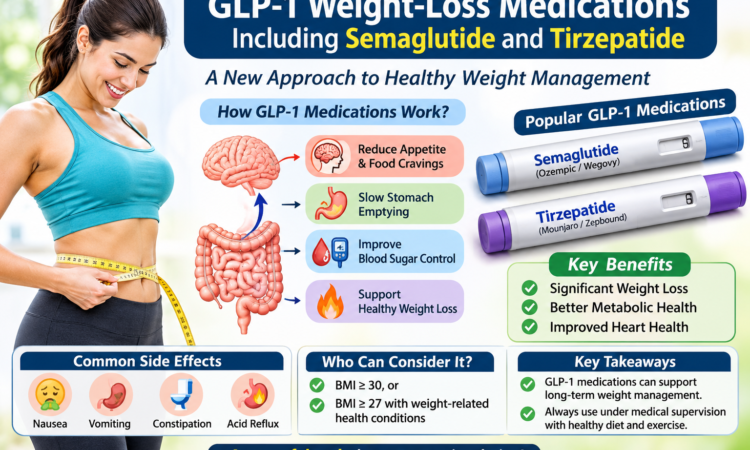
Why GLP-1 Weight Loss Medications Are Transforming Weight Loss
Weight management has become one of the biggest health challenges today with gaining worldwide attention due to critical changes into environment and lifestyles. Millions of people experience struggle with obesity, high body fat, diabetes and related metabolic issues even after following different popular diets and exercise routines.
In recent years, a new category of prescribed medicines called by health experts to treat the lifestyle weight issues are GLP-1 weight-loss medications, and amazingly this has transformed the medical approach to obesity treatment by health experts and millions of their users. Medicines such as Ozempic, Wegovy, Mounjaro and Zepbound have attracted worldwide attention because of their results to reduce appetite, improve blood sugar regulation and support to significant weight loss.
Above the traditional weight-loss supplements, these GLP-1 medicines work by influencing natural hormonal signals between the digestive system and the brain. They help people TO feel satisfied after eating, reduce hunger and make it easier to control high food intake and eventually less calorie and fat.
However, GLP-1 medications are not entirely a magic weight-loss injections or pills. As, they have specific medical indications, possible side effects, treatment costs and long-term precautions and must be taken under supervision of expert doctors.
In this article we are explaining about how GLP-1 medications work, their benefits, differences between popular medicines, expected weight-loss results, potential risks and the importance of combining medical treatment with healthy eating and regular physical activity.
1. What Are GLP-1 Weight-Loss Medications?
GLP-1 stands for glucagon-like peptide-1, a natural hormone produced mainly in the intestine after eating.
This hormone plays an important role in regulating better appetite, digestion and blood glucose levels.
GLP-1 receptor stimulators are prescribed medications which are designed to regulate the actions of this natural hormone. They activate GLP-1 receptors in the body and influence several bodily processes which are involving hunger, digestion and blood sugar control processes.
These medicines were initially developed to help for managing type 2 diabetes patients. Researchers later discovered that their appetite-regulating effects could also helps to those people with obesity lose significant amounts of weight.
Today, few GLP-1-based medicines are approved for chronic weight management for certain category patients, depending on the medicine and the country’s regulatory approval.
Some of the popular GLP-1 medications include:
- Semaglutide: Available under brand names such as Wegovy and Ozempic, its availability is totally depending on the medical rules of the specific country.
- Liraglutide: Available as Saxenda for weight management in few countries medical markets.
- Tirzepatide: Available as Zepbound for chronic weight management and Mounjaro for type 2 diabetes in the United States.
An important differentiator is that not every brand containing the same active ingredient has the same approved indication or dosage. Patients should use only the formulation prescribed for their medical condition by expert doctors and only after assessing their existing health conditions and needs.
2. How Do GLP-1 Medications Work in the Body?
GLP-1 medications influence our body weight management through several biological mechanisms.
A. Reduce Appetite and Hunger
GLP-1 medications act on appetite-regulating parts of the brain. They increase feelings of tummy fullness and reduce hunger signals in brain.
Many patients also report a reduction in persistent thoughts about food, sometimes described as food noise.
As a result, people may experience it easier to eat smaller portions and avoid unnecessary snacking.
B. Slow Down Stomach Emptying
These medicines slows the digestion processing movement of food from the stomach into the small intestine, particularly during the initial stages of treatment.
This helps many people to feel full for longer hours after meals and may reduce the desire to eat frequently.
However, this same mechanism can also contribute to nausea, bloating, constipation and other digestive problems.
C. Improve Blood Sugar Regulation
GLP-1 medications stimulate insulin release when blood glucose levels are up.
They also reduce glucagon secretion, which helps to prevent the liver from releasing excessive glucose in the bloodstream.
These effects are particularly useful for people with type 2 diabetes.
D. Help to Reduce Overall Calorie Intake
By reducing appetite and increasing fullness, GLP-1 medications can make it easier to maintain a calorie deficit.
A sustained calorie deficit means consuming fewer calories daily than the body needs over the time. This is one of the fundamental requirements for losing body weight.
The combination of improved appetite control, reduced food intake and better metabolic regulation explains why these medicines can support a substantial weight loss.
3. Types of GLP-1 Weight-Loss Medications
Several prescription medicines influence GLP-1 effects. However, they are not all with similar results due to their formulations.
Semaglutide
Semaglutide is a long-acting GLP-1 receptor Stimulator.
It is available in different formulations and brand names, which are including:
- Ozempic: Primarily it is approved for type 2 diabetes and few associated risk-reduction symptoms.
- Wegovy: It is Approved for chronic weight management in few patients in markets where authorized as per local medical laws.
Semaglutide is generally administered once weekly as an injection in its injectable formulations. Oral formulations and is available in medicinal market of multiple countries including United States, the United Kingdom, India, Australia, France, Japan, and the United Arab Emirates.
Liraglutide
Liraglutide is another GLP-1 receptor agonist used for blood sugar management and weight management.
Saxenda is a brand which is used for chronic weight management for few designated patients and it is used in more than 70 to 100 countries worldwide, including the United States (approved by the FDA), Canada (Health Canada), countries in the European Union (approved by the EMA), the United Kingdom, Saudi Arabia, the United Arab Emirates, and South Korea.
Unlike weekly semaglutide injections, liraglutide is administered daily.
Tirzepatide
Tirzepatide is a dual GIP and GLP-1 receptor agonist.
It activates receptors for two important gut hormones:
- GLP-1 (glucagon-like peptide-1)
- GIP (glucose-dependent insulinotropic polypeptide)
This dual-hormone action helps regulate appetite, blood glucose and body weight.
Tirzepatide is marketed as Mounjaro for type 2 diabetes and Zepbound for chronic weight management in the United States, Canada, UK, Australia and its approval may vary between countries as per local health authority rules and regulations.
3. Ozempic vs Wegovy vs Mounjaro vs Zepbound
Many people confuse these medicines because some share the same active ingredient but have different brand names and approved uses.
The following table explains their key differences.
- Medicine: Ozempic, Active ingredient: Semaglutide, Main differentiator Primarily type 2 diabetes treatment
- Medicine: Wegovy, Active ingredient: Semaglutide, Main differentiator: Chronic weight management
- Medicine: Mounjaro, Active ingredient: Tirzepatide, Main differentiator Primarily type 2 diabetes treatment in the US
- Medicine: Zepbound, Active ingredient: Tirzepatide, Main differentiator Chronic weight management in the US
- Medicine: Saxenda, Active ingredient: Liraglutide, Main distinction: Chronic weight management
Which GLP-1 Weight Loss Medication is considered as More Effective?
Clinical trials have demonstrated significant weight reduction with semaglutide and tirzepatide.
Tirzepatide has generally produced more average weight reduction than semaglutide in major comparative studies of people with obesity, although individual responses differ. refer following link https://pmc.ncbi.nlm.nih.gov/articles/PMC12263181/
However, medication selection should not be based only on expected weight loss,
as Expert Doctors also consider below conditions:
- Existing medical conditions.
- Blood sugar levels.
- Previous treatment history.
- Medication tolerance.
- Possible drug interactions and allergies.
- Treatment costs and availability.
- Individual weight-management goals.
No single medicine is suitable for everyone as every human and his health condition and needs are different.
5. How Much Weight Can You Lose With GLP-1 Medications?
One of the biggest reasons behind the popularity of GLP-1 medications is their effectiveness in clinical trials.
The amount of weight lost depends on the medication, dosage, treatment duration, lifestyle habits, medical history and individual response.
In major clinical trials involving people with overweight or obesity without diabetes:
- Semaglutide 2.4 mg produced approximately 15% average body-weight reduction over 68 weeks.
- Tirzepatide produced approximately 15% to 21% average body-weight reduction across different doses over 72 weeks.
- Liraglutide generally produced more modest average weight reduction.
These figures are trial results, not guaranteed outcomes. The populations, study durations, doses and lifestyle interventions differ, so the percentages should not be treated as a direct prediction for an individual. refer https://pmc.ncbi.nlm.nih.gov/articles/PMC12803457/
Example of Potential Weight Reduction
For someone with body weight of 100 kg, the following mathematical examples shows what different percentages of possible weight loss through medication:
Weight-loss percentage: 5%, Weight reduction: 5 kg, Remaining weight: 95 kg
Weight-loss percentage: 10%, Weight reduction: 10 kg, Remaining weight: 90 kg
Weight-loss percentage: 15%, Weight reduction: 15 kg, Remaining weight: 85 kg
Weight-loss percentage: 20%, Weight reduction: 20 kg, Remaining weight: 80 kg
These are the mathematical examples based on limited research, and does not promises the exact medication results.
Even moderate weight reduction can improve several obesity-related health symptoms, including blood pressure, blood glucose and metabolic health.
6. Health Benefits of GLP-1 Medications Beyond Weight Loss
GLP-1-based treatments are increasingly important because their potential benefits extend beyond reducing body weight.
A. Better Blood Sugar Control
These medications improve glucose regulation by increasing glucose-dependent insulin release and reducing in glucagon secretion.
They can help people with type 2 diabetes to improve better blood sugar control when prescribed appropriately under the supervision of expert doctor.
B. Improved Cardiovascular Health
Certain GLP-1 medications have demonstrated cardiovascular benefits in specific patient populations.
For example, semaglutide has demonstrated a reduction in major cardiovascular events in selected people with higher body weight and existing cardiovascular disease.
However, these benefits depend on the particular medication, approved indication and patient’s health profile.
C. Better Metabolic Health
Losing excess body weight can improve insulin sensitivity, blood pressure, cholesterol-related risk factors and other metabolic markers.
Some GLP-1-based medicines also have evidence which are supporting benefits for certain obesity-related conditions.
D. Reduced Risk of Type 2 Diabetes
Weight reduction can help to improve insulin sensitivity and lower the risk of developing type 2 diabetes in people with elevated metabolic risk.
The extent of benefit depends on the individual’s medical condition and treatment.
E. Improved Mobility and Physical Function
Reducing excess body weight may decrease the pressure on the knees, hips and other body weight-bearing joints.
This can make everyday activities such as walking, climbing stairs and exercising more comfortable.
7. Common Side Effects of GLP-1 Weight-Loss Medications
Although GLP-1 medications can be effective, they may cause side effects.
Most commonly reported problems involve the digestive system because these medicines affect stomach emptying and appetite.
Common Side Effects of unsuitable medications
- Nausea: One of the most frequently reported symptoms, especially during treatment initiation or dose increases.
- Vomiting: Some patients experience vomiting or stomach discomfort.
- Constipation: Reduced food intake and inadequate hydration can contribute to constipation.
- Diarrhea: Changes in digestive activity may cause loose stools.
- Acid Reflux: Some people experience heartburn or reflux symptoms.
- Bloating: Slower stomach emptying can cause abdominal fullness and discomfort.
- Reduced Appetite: Appetite suppression is part of the intended action, but excessive restriction can lead to inadequate nutrition.
Many digestive symptoms improve over the time of taking medicines, but continuous and severe symptoms are require more medical supervision.
Potential Serious Risks
Less common but possible critical health concerns include:
- Gallbladder disease and gallstones.
- Acute pancreatitis.
- Severe gastrointestinal problems, including delayed stomach emptying.
- Dehydration and kidney complications associated with persistent vomiting or diarrhea.
- Hypoglycaemia, particularly when combined with insulin or certain other diabetes medicines.
Some GLP-1 medicines also carries specific warnings and alerts. For example, certain products have a boxed warning concerning thyroid C-cell tumors observed in animal studies and are incompatible for people with a personal or family history of medullary thyroid carcinoma or multiple endocrine neoplasia syndrome type 2.
Anyone who is considering treatment should discuss with their personal and family medical history with a qualified healthcare professional to access their actual needs and follow the treatment accordingly under strict medical supervision.
When Should You Seek Medical Attention?
Seek prompt medical attention if you experience symptoms after taking medicines:
- Severe or persistent abdominal pain.
- Repeated vomiting or inability to keep fluids down.
- Signs of dehydration.
- Severe abdominal swelling or persistent constipation.
- Symptoms suggesting an allergic reaction.
Do not attempt to manage serious symptoms by independently changing medication doses by yourself, as this .
8. Who Should Consider GLP-1 Weight-Loss Medications?
GLP-1 medications are not made for everyone who wants to lose a few kilograms of their body weight.
They are generally considered for people who meet specific medical criteria for clinically guided obesity treatment.
Common eligibility criteria for chronic weight-management medications include:
- BMI of 30 or higher.
- BMI of 27 or higher with at least one weight-related health condition, such as hypertension, dyslipidaemia, obstructive sleep apnoea or type 2 diabetes, depending on the product’s approved indication.
These are common criteria in several medical regulatory rules of particular country, and are not the universally followed medical practices. Local prescribing guidance and individual product approvals must be followed before taking those GLP-1 Weight loss Medicines.
A healthcare professional should evaluate below aspects before prescribing the GLP-1 Weight loss medicines:
- Body mass index and waist circumference.
- Diabetes and cardiovascular history.
- Kidney and liver health where relevant.
- Current medicines and possible interactions.
- Pregnancy plans and breastfeeding status.
- Previous weight-loss attempts.
- Nutritional and psychological health.
Who Should Avoid GLP-1 Weight loss medicines and follow Special Caution?
GLP-1 medications are not appropriate for people with critical health conditions and reactions from medicines including below:
- They generally should not be used for weight loss during pregnancy. Womens planning for pregnancy should discuss medication discontinuation and dosage timing with their healthcare professional and follow their guidelines properly.
- Specific products may also be unsafe in people with certain types of thyroid cancer histories or endocrine conditions.
- People with a history of pancreatitis, gallbladder disease, severe gastrointestinal disorders or other significant medical conditions require individual assessment.
- Never use another person’s prescription medication.
9. What Happens When You Stop Taking GLP-1 Medications?
One of the most important questions about GLP-1 treatment which is that, whether the weight loss can be maintained after discontinuing medication?.
Medical Research indicates that many people regain a substantial amount of lost weight after stopping the weight loss medications treatment.
This happens because obesity is a chronic, complex condition involving biological appetite controlling, energy balance, hormones, lifestyle and environmental factors.
Symptoms After medication discontinuation:
- Appetite may gradually increase.
- Hunger signals may return.
- Food cravings may become more noticeable.
- Daily calorie intake may increase.
- Weight regain may occur.
This above symptoms does not mean that the treatment has failed. It highlights that the importance of long-term obesity management needs more attention to overall wellness rather than depending upon single medicine.
The World Health Organization recognizes obesity as a chronic disease and conditionally recommends GLP-1 therapies as a long-term treatment option for adults living with obesity. you can check the guidelines of WHO as follows https://www.who.int/news/item/01-12-2025-who-issues-global-guideline-on-the-use-of-glp-1-medicines-in-treating-obesity
Treatment duration and discontinuation should always be discussed with the prescribing doctor.
10. Diet and Exercise While Taking GLP-1 Medications
GLP-1 medications can support weight loss, but healthy lifestyle habits are remain important for better health results.
The goal should not simply to reduce body weight. It should be of improving your overall health while preserving muscle strength, body nutrition and physical fitness.
A. Follow a Protein-Rich Balanced Diet
During significant weight loss, the body may lose both fat and lean tissue.
Adequate protein intake can help to support better muscle maintenance.
Important protein-rich foods include:
- Eggs.
- Milk and curd.
- Paneer.
- Dal and lentils.
- Soybean and tofu.
- Fish and lean chicken.
- Nuts and seeds.
Protein requirements may changes according to age, activity level, kidney function and health conditions of individuals. A dietitian can help to deside the required diet plan.
B. Include Fibre-Rich Foods
Fibre supports to better digestive health and can help manage constipation.
Fiber-Rich Food to be added in diet Which Includes:
- Oats.
- Green vegetables.
- Fruits.
- Beans and lentils.
- Whole grains.
- Seeds.
Increase fibre rich food consumption gradually and maintain adequate fluid intake.
C. Drink Enough Water
Reduced appetite and changes in eating habits can sometimes lead to inadequate fluid intake.
Regular hydration is particularly important for people experiencing nausea, vomiting or diarrhea.
D. Include Strength Training
Resistance training is important during weight loss because it helps to maintain a healthy muscle strength and function.
Useful strength based exercises to be included in daily routine as following:
- Squats.
- Lunges.
- Push-ups.
- Resistance-band workouts.
- Dumbbell exercises.
- Bodyweight strength training.
Start according to your current fitness level and increase intensity gradually as you progress in strength.
E. Maintain Regular Physical Activity
Walking, cycling, swimming and other aerobic activities support to better cardiovascular health and weight management.
A practical goal for many adults is to work towards at least 150 minutes of moderate-intensity aerobic activity per week, alongside muscle-strengthening activities on two or more days, as recommended by public-health physical-activity guidance.
People with existing medical conditions should must discuss suitable exercise levels with their healthcare professional and follow as per their advice.
11. Natural Alternatives and Lifestyle Strategies for Healthy Weight Management
Not everyone needs prescription weight-loss medication.
For people who do not meet medical eligibility criteria, or who prefer to begin with lifestyle changes, sustainable weight management is remain important for a long term wellness.
Some effective weight management strategies include:
- Maintain a Moderate Calorie Deficit
Consuming fewer calories than the body need support gradual weight reduction. Avoid extreme diets or starvation-based weight-loss programs.
- Increase Daily Walking
Walking is a simple way to increase energy consumption. Start with a manageable daily steps target and gradually increase activity according to your fitness level.
- Priorities Sleep
Poor sleep can also impacts on required appetite regulation, food choices and metabolic health. Most adults should focus on approximately seven to nine hours of deep sleep on every night.
- Eat Balanced Meals
Include protein, vegetables, fruits, whole grains and healthy fats. Limit frequent consumption of highly processed foods, sugary beverages and excessive portions.
- Build Sustainable Exercise Habits
Combining aerobic activity and resistance training supports healthy weight management, cardiovascular health and muscle maintenance.
These smart approaches are also important for people who are taking GLP-1 treatment.
Also, there is no any proven natural supplement available which can be reliable to reproduces the medical effects of prescription GLP-1 medications.
12. GLP-1 Weight-Loss Medications: Important Considerations for Indian Patients
Interest in GLP-1 medicines is increasing in India as awareness of obesity, diabetes and metabolic health is growing rapidly now a days.
However, patients should know that medicine availability, brand names, medically approved medicinal usage rules of the specific country, even dosage and costs may also differ between India and other countries.
Before starting treatment:
- Consult a qualified endocrinologist or obesity-medicine specialist.
- Confirm that the prescribed medicine is approved for the intended use.
- Purchase medicines only through legitimate, authorised pharmacies.
- Avoid unverified online sellers and counterfeit injections.
- Do not use compounded or unapproved formulations without appropriate medical advice and as per country’s medical authority rules.
- Follow the prescribed dose-escalation schedule.
- Attend regular medical and nutritional check up and follow-ups.
Do not start Ozempic, Wegovy, Mounjaro or other prescription weight-loss medicines simply because someone you know has experienced good results from them.
The right treatment always depends on your medical history and individual health needs.
13. Frequently Asked Questions About GLP-1 Weight-Loss Medications
Q1. What is the best GLP-1 medication for weight loss?
There is no single best medication available for every health condition. Semaglutide and tirzepatide have demonstrated better average weight reduction results in few clinical trials. A doctor should select the appropriate medicine based on medical history, treatment goals, safety and availability in local market.
Q2. How quickly do GLP-1 medications work?
Some people notice appetite changes within the first few weeks of starting the medication. However, progressive weight reduction generally develops over several months as treatment is gradually increased to an appropriate tolerated dose.
Q3. Is Ozempic the same as Wegovy?
Both contain semaglutide, but they have different approved indications and dosing methods in the United States. They should not be treated with different prescriptions.
Q4. Is Mounjaro better than Ozempic for weight loss?
Tirzepatide has generally produced greater average weight loss than semaglutide in major clinical comparisons. However, individual results vary, and both medicines have potential side effects and specific prescribing considerations.
Q5. Can GLP-1 medications cause muscle loss?
Significant weight loss can involve the loss of some Low fat body mass as well as visceral fat. Adequate protein intake and resistance exercise can help to preserve our body muscle, although individual nutritional needs should be assessed.
Q6. Do you regain weight after stopping GLP-1 medications?
Many people regain some of the weight they lost after stopping treatment. Long-term weight management therefore requires an appropriate maintenance strategy and medical guidance.
Q7. Can people without diabetes take GLP-1 medications?
Yes, few GLP-1-based medicines are approved for chronic weight management in eligible people without diabetes. The medicine must have an appropriate weight-management indication and only after prescribed by a qualified healthcare professional.
Q8. Are GLP-1 medications safe for long-term use?
They have demonstrated benefits in clinical studies, but long-term treatment requires strict medical supervision. Safety, tolerability, effectiveness and the need for routine treatment reviews by expert doctors on regular basis.
Q9. Can GLP-1 medications replace diet and exercise?
No, These medicines are known to support medical weight management, without replacing balanced nutrition, physical activity and healthy lifestyle habits.
Q10. Are natural GLP-1 supplements effective?
No, natural supplement has been shown to reliably reproduce the clinically established weight-loss effects of prescription GLP-1 medicines. Be cautious of products advertised as natural Ozempic or GLP-1 alternatives.
Are GLP-1 Weight-Loss Medications Worth Considering?
GLP-1 weight-loss medications represent an important advancement in the treatment of obesity and related metabolic conditions. Medicines such as semaglutide and tirzepatide can help to few patients for achieving better weight reduction by controlling appetite, increasing fullness and improving blood glucose regulation.
However, their effectiveness should be considered along with its potential side effects, treatment costs, long-term requirements and individual medical needs. The most effective approach to sustainable weight management combines appropriate medical treatment, balanced nutrition, regular physical activity, strength training and long-term lifestyle support.
If you are struggling with obesity or higher body weight conditions, consult with a qualified healthcare professional to determine whether GLP-1 treatment is appropriate for you.
Always remember that, the successful weight management is not just about losing kilograms of yourr body weight. But, It is also about improving metabolic health, maintaining muscle strength and building a healthier lifestyle for lifelong.
Medical References and Further Reading related to GLP-A Medication
- Stanford Medicine – GLP-1s 101: What the Science Says About Weight Loss, Side Effects and Safety.
https://med.stanford.edu/news/insights/2026/06/glp1s-101-weight-loss-wegovy-ozempic-zepbound-side-effects-safe-use.html - World Health Organization – Obesity: GLP-1 Therapies.
https://www.who.int/news-room/questions-and-answers/item/obesity-glp-1-therapies - Harvard Health Publishing – A Guide to Weight-Loss Medications.
https://www.harvardhealth.org/medications-and-treatments/weight-loss-drugs - World Health Organization – Guideline on the Use and Indications of GLP-1 Therapies for the Treatment of Obesity in Adults.
https://jamanetwork.com/journals/jama/fullarticle/2842199
Medical disclaimer: This article is for knowledge and educational purposes only and does not replace a professional medical advice, diagnosis or treatment. GLP-1 medications are prescription based treatments and those must be availed under the appropriate medical practisioners supervision.
GLP-1 drugs for weight loss, Ozempic for weight loss, Wegovy vs Mounjaro, semaglutide weight loss, tirzepatide benefits, weight-loss injections, GLP-1 side effects.

Editor
Professional Naturopathy, Holistic Wellness & Preventive Health Specialist
Doctor of Naturopathic Medicine, Bastyr University | Certified in Lifestyle Medicine (ACLM)
Dr. Blake takes a whole-body approach to health, blending medical knowledge with daily wellness practices. She’s worked in integrative clinics and now advises digital health platforms on sustainable self-care routines. on Gymbag4u.com, since 2019, she provides guidance on sleep, energy management, immune health, and how to balance wellness with real-world demands.