
Few technologies have revolutionized the nature of war as rapidly as drones. What began as hobby planes employed for photography or leisure purposes has become a bane for soldiers and generals alike. The same characteristics that make drones widely used in times of peace—affordability, versatility, and accessibility—have made them one of the most revolutionary weapons on the battlefield, compelling militaries to rewrite strategies developed over decades.

This transformation did not occur overnight. Initially, drones were treated as toys, zipping innocently over rooftops and fields. That changed when militant organizations appreciated that commercial drones could be converted into weapons. With nothing more than a few bombs and some do-it-yourself mechanisms, they converted off-the-shelf devices into guided missiles that could destroy cars and create terror. Subsequent wars, from the Middle East to Eastern Europe, demonstrated the extent to which drones had the potential to shift power in war.

The conflict in Ukraine has demonstrated this shift on a scale never previously seen. Low-cost first-person-view (FPV) drones, constructed using racing components costing less than a new smartphone, are downing tanks and radar stations worth millions. Operators drive them directly into trenches, bunkers, and even through armored vehicle hatches.

Specialists now estimate that the vast majority of Russian frontline armor losses are due to these tiny, improvised machines. Thanks to 3D printing and crowdsourced fundraising, Ukrainian factories are churning out thousands of drones, putting in the hands of average soldiers the same precision strike capabilities previously reserved for the most advanced armies.

The innovation’s rate of acceleration continues. In June 2025, Ukraine conducted what was dubbed Operation Spiderweb, a historic drone attack deep within Russian territory. Scores of more than 40 aircraft, including bombers, were destroyed or incapacitated in coordinated attacks. With fiber-optic guidance and autonomous navigation, the drones penetrated around defenses and hit targets previously believed safe. The message was one: air superiority no longer relies on billion-dollar aircraft but on speed, creativity, and access. One soldier in a trench or a volunteer constructing drones in a garage can today shift the tide of war.

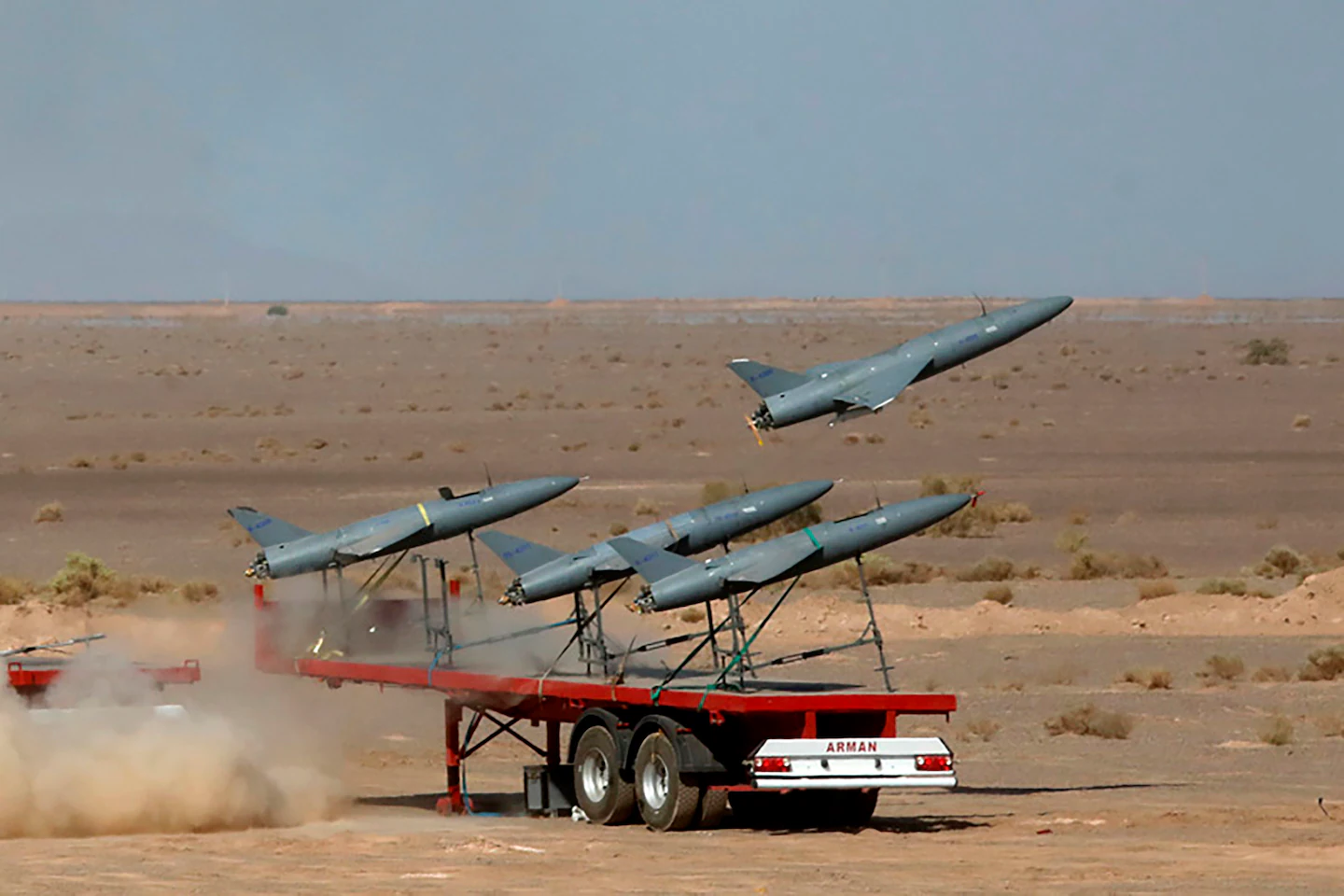
Russia, on its part, has relied heavily on its hordes of Shahed drones to bombard cities and infrastructure. Numbers are important—but in the new age, the real competition is not who can shoot the most, but who can pivot the fastest. Precision strikes have been democratized. The capability to blind defenses, immobilize supply lines, or take out critical assets no longer rests solely in the hands of nations with enormous budgets.

The October 2023 attack near Gaza served to drive that home. In a matter of minutes, tiny quadcopters demolished cameras, disrupted communications, and knocked out automated defenses. What had taken massive artillery or top-tier commando raids to execute was done with inexpensive drones and crude devices. Even armored vehicles and sophisticated missile shields were caught off guard, demonstrating how quickly the tide of power can be reversed when small machines are deployed with strategy and precision.

These events demonstrate just how ill-equipped current defenses are to deal with drones. No weapon system can halt them all. Missiles, jammers, and interceptors all have their utility, but none can completely neutralize the threat of cheap swarms through treetops or city streets.

That’s why militaries now emphasize the requirement for “layered defense”—detecting drones early on, jamming their controls en route, and intercepting them in the last seconds. In confined spaces such as cities or mountains, even rudimentary equipment such as nets or adjustable interceptors becomes necessary.

Nowadays, command of the skies is less about the strength of firepower and more about who lasts. Drone warfare is volatile, low-cost, and changing daily. It requires flexibility, innovation, and continuous training in the field.

The brutal truth is that the final few seconds before a drone strikes—the final step to take—can determine the fate of a battle. In this new era, victory isn’t achieved with the largest arsenal, but by being able to change and equip quickly than the opponent.