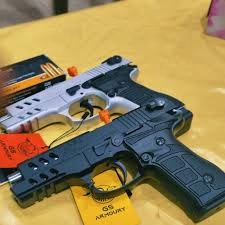

Debates are rarely as heated as the 1911 versus the Glock one. The 1911 and Glock are two guns very dissimilar in terms, concepts and even the concept of handgun design. To the enthusiasts of 1911, it alone is the ultimate realization of art and historical legacy. Alternatively, to the fans of Glock, it is the epitome of modern minimalism and fail-safe character. Being either a collector, shooter, or someone in search of a reliable self-defense weapon, knowing what differentiates these two would not only help you realize how important that is but also would make it clear which sidearm matters most.

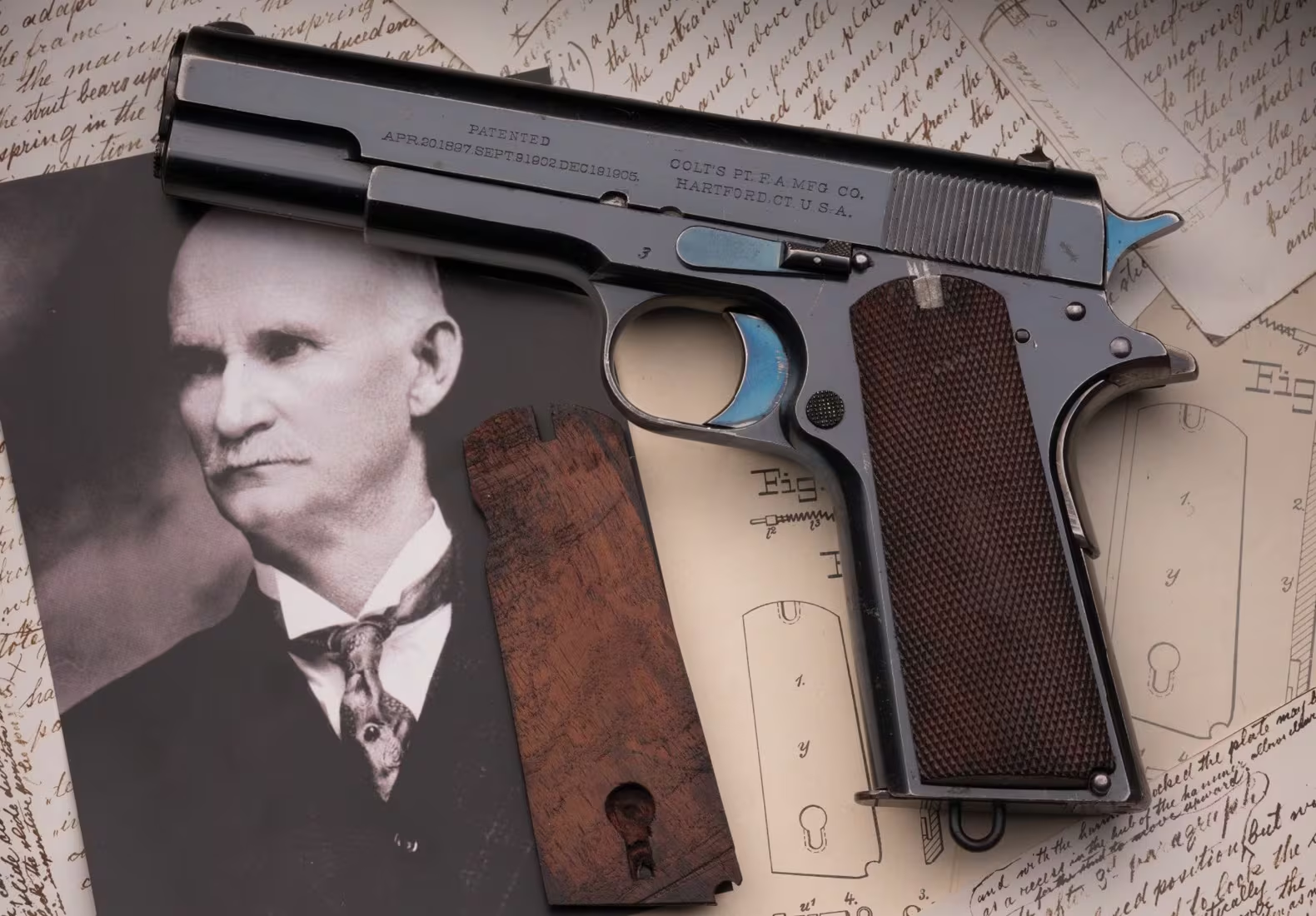
The 1911 is certainly the most recognizable handgun in the world, and John Browning’s design and the U.S. military’s official adoption of it in 1911 were the main reasons. It is an all-steel, single-action layout, chambered in .45 ACP, widely known for its sharp trigger and slim grip. The pistol was used by soldiers in wars for many generations and therefore had the reputation of outperforming and being of high quality.

In addition, shooters and collectors are fascinated by the experience of the gun in their hand—balanced, comfortable, and giving off the feeling of precision with every shot. 1911’s is still not a choice to be dismissed by anyone, combining accuracy and heritage in one platform, over a hundred years after it was first made.

Contrarily, the Glock was created in the 1980s by Gaston Glock as a modern, polymer-framed, striker-fired pistol. It quickly picked up the enviable reliability reputation, and as a result, it is widely found in police and military units all over the globe. To clarify this further, the first Glock 21 and the 1911 both share the .45 ACP caliber, but the former adds a double-stack magazine with 13 rounds to it. What stands behind Glock’s popularity is simplicity: fewer parts mean fewer potential failures and a system that goes to functions even in tough conditions.

The differences in design are still visible. 1911 consists of a single-action trigger, grip safety, and a thumb safety. Safety is a big thing for shooters who practice it mainly for concealed carry, but it takes regular training to become a confident user. Contrarily, the Glock implements its “Safe Action” system, which integrates the three passive safeties in the trigger, firing pin, and drop mechanism differently. No external levers or hammers—just point, squeeze, and fire. That simple technique is also one of the reasons why it is popular for self-defense.

Furthermore, performance is different depending on the context. 1911’s steel frame and longer barrel contribute to it being incredibly accurate, and the kick is manageable due to its weight. It can be very rewarding for precision, but the instrument is less forgiving in bad conditions and requires maintenance. However, the Glock is almost indestructible. Its polymer frame is not only light but also it is rust-resistant and compatible with rough handling. The trigger may not be as perfect as a 1911’s, but, on the other hand, the gun’s durability and reliability are very difficult to beat.

Comfort and ergonomics are often a matter of personal preference. The narrow grip and the angled shape of the 1911 allow natural pointing, whereas the use of a single-stack magazine fits a small hand size. Glock has adjustable backstraps and a modular design, so you can customize and fit a wide range of shooters easily. Maintenance is also different: 1911 requires meticulous cleaning and field stripping, while a Glock can be disassembled and assembled quite quickly without any difficulty.

Neither can conceal nor sport pistols perfectly fit in all fields. The 1911 is the best choice in shooting competitions, target practice, and situations where the use of the trigger and accuracy are crucial. It is also a favorite among collectors who find the history and craftsmanship aspects of it appealing. On the other hand, Glock is often a first choice in self-defense and duty scenarios. Its higher capacity, lightweight frame, and toughness under adverse conditions are the main reasons for that. The balance of size, power, and reliability offered by models like the Glock 19 and 21 makes them popular for home defense and daily carry.

In almost all variations, both pistols are chambered in .45 ACP, a cartridge acknowledged for its stopping power and manageable recoil. The 1911 can hardly be separated from this round, while Glock is more diverse. In addition to the Glock 21, which is chambered in .45 ACP, other models such as the Glock 30 and 36, offer compact performance for those who want smaller and more modern pistols. However, any professional shooter is aware that caliber by itself cannot guarantee results—practice, accuracy, and dependability are what matter most.

As with the 1911, there are some things you will need to think about when deciding whether to carry a Glock. The slim design of the 1911 makes it ideal for inside-the-waistband carry, whereas the Glock 21’s dimensions usually make it more suitable for outside-the-waistband carry, especially in duty roles. Both pistols enjoy excellent holster support, whether leather, Kydex, or hybrids, offering secure retention and quick access.

In the end, the 1911 and Glow are simply two different takes on a sidearm. The 1911 represents tradition, heritage, and the pinnacle of precision craftsmanship, whereas Glock is new, effective, and tough in almost any condition. Both of them have already made it to the history books, and they still keep on being part of the military, law enforcement, and civilian shooters’ choices. The decision to go with one or the other comes down to what you value the most – a debate that will probably never end and that keeps the firearms community energized and connected.