
When disaster strikes—be it a hurricane that lays waste to a coastline, a wildfire that calls for mass evacuations, or a pandemic that balances hospitals in the red—America’s military is often called in as one of the federal response’s most crucial pillars. Its role goes far beyond images of soldiers delivering sandwiches or strengthening levees. What the military offers is a combination of organization, logistics, and preparedness refined over decades of combat and humanitarian response experience.

The core of this role is how the military works in conjunction with civilian agencies such as FEMA, the Department of Homeland Security, and the Centers for Disease Control and Prevention. They work together under the National Response Framework, a system employed to ensure that everyone is on board with their function when a disaster occurs.

That mechanism is what prevents disaster from being disorganized: instead of duplication or jumbled purpose, resources can be directed quickly where they are most needed, without taking away civilian authority.

The equipment that he military can introduce into a disaster cannot be matched. Its ability to move giant quantities of supplies, equipment, and troops across vast distances at breathtaking speeds is legendary.

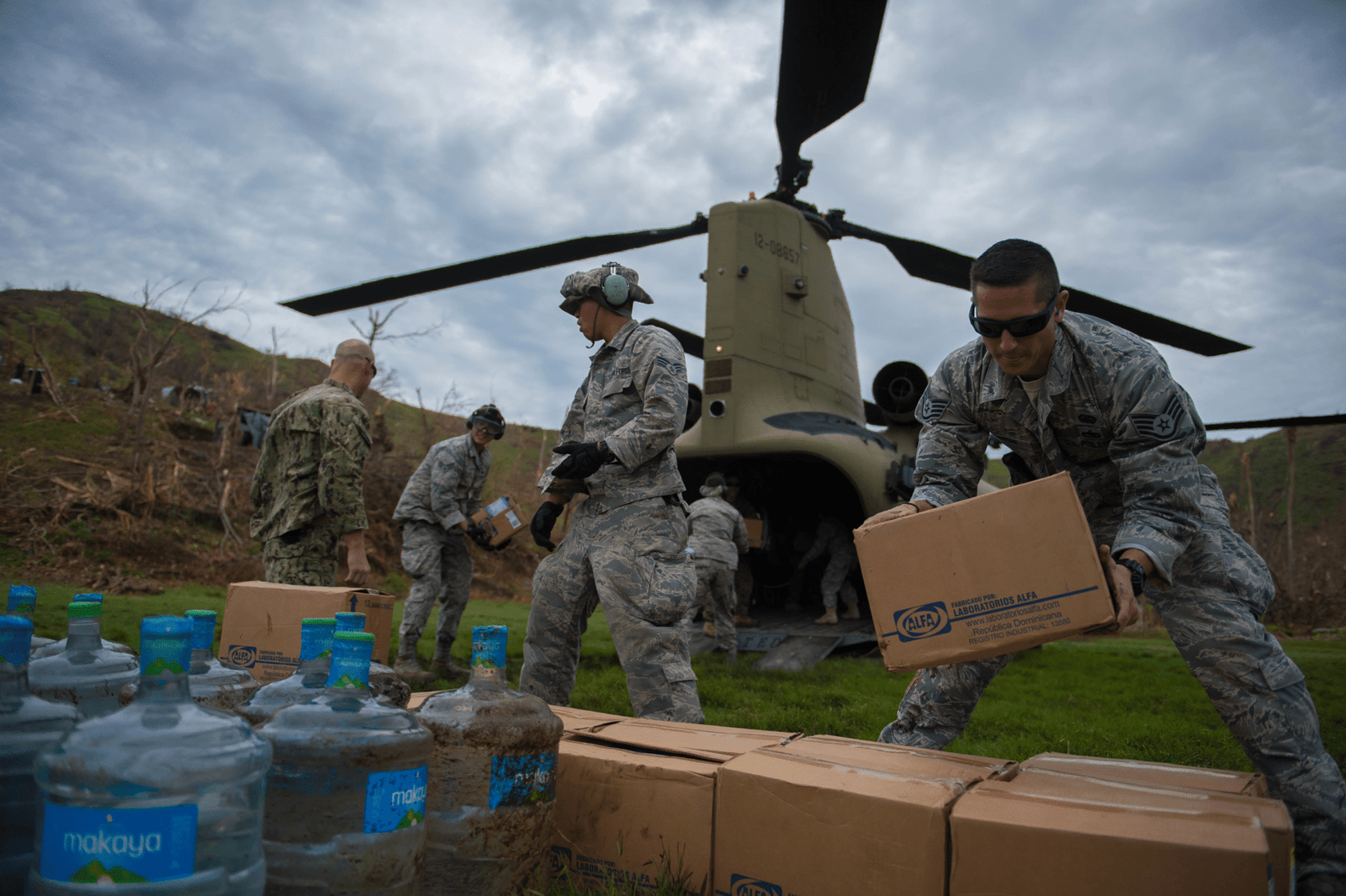
From airlifting water and food after hurricanes to moving field hospitals during health emergencies, the military has consistently demonstrated it can respond faster and in greater force than any other institution in the country. Cargo aircraft, vessels, and land convoys give it the capability to keep operating when roads are closed and airports have been knocked out.

And that is not all that it contributes. Military field hospitals can set up hospitals from scratch, staffed by fully trained physicians and nurses who can deal with trauma, epidemics, and emergencies of every kind. Engineers can repair bridges, rebuild highways, and have electricity up and running in a matter of days after destruction. These are not spur-of-the-moment operations—they are skills that the military trains for regularly, so that when disaster strikes, the teams aren’t winging it but following protocols they have practiced repeatedly.

Deploying these troops is an art. Decisions about when and where to send troops depend on the type of crisis, the needs of the population within the region, and what assets are available. Soldiers are not only skilled technically, but also flexible and have leadership skills, because real-world disasters rarely unfold exactly as predicted. The capacity to remain organized and productive in stress puts them in an excellent position to work with civilian responders amidst destructive chaos.

There are, of course, issues. Moving relief into devastated neighborhoods is a huge task, especially if the infrastructure has been crippled. Roads can be obliterated, airports shut down, and communications patchy at best. Coordination between multiple agencies, each with its own systems and agendas, can also bog things down.

The armed forces overcome such challenges by investing in joint exercises, interoperable communication equipment, and joint exercises with civilian organizations, so that whenever there’s a genuine crisis, all of them can operate like one team.

The military deployment in responding to disasters leaves lasting effects. The ordered and disciplined way of the military brings discipline into traumatized populations, with people assured that help has been delivered to them. Besides the early humanitarian rescue and relief efforts, the military engineers left behind more resilient and long-term infrastructure than previously existed. In addition to being useful in recovery, it reduces vulnerability to future disasters.

Most importantly, putting the military under the federal system for emergency response makes the country stronger overall. By ensuring crises are handled quickly and effectively, the military protects critical infrastructure, ensures essential services remain uninterrupted, and maintains stability in times of uncertainty. Its mission isn’t just about handling emergencies today—it’s about creating a foundation of readiness that means the country can weather whatever challenge comes its way.