
For over a century, the fighter pilot has been one of the most revered figures in modern combat—daredevil, tactician, and representative of national strength all at once. Yet beneath the façade of speed, bluff, and cutting-edge airplanes is a far more profound narrative. The evolution of American fighter pilots is one of perpetual reinvention, breaking through obstacles, and remaking how to fight in the skies.

Breaking Barriers: The First Women in Combat Aviation
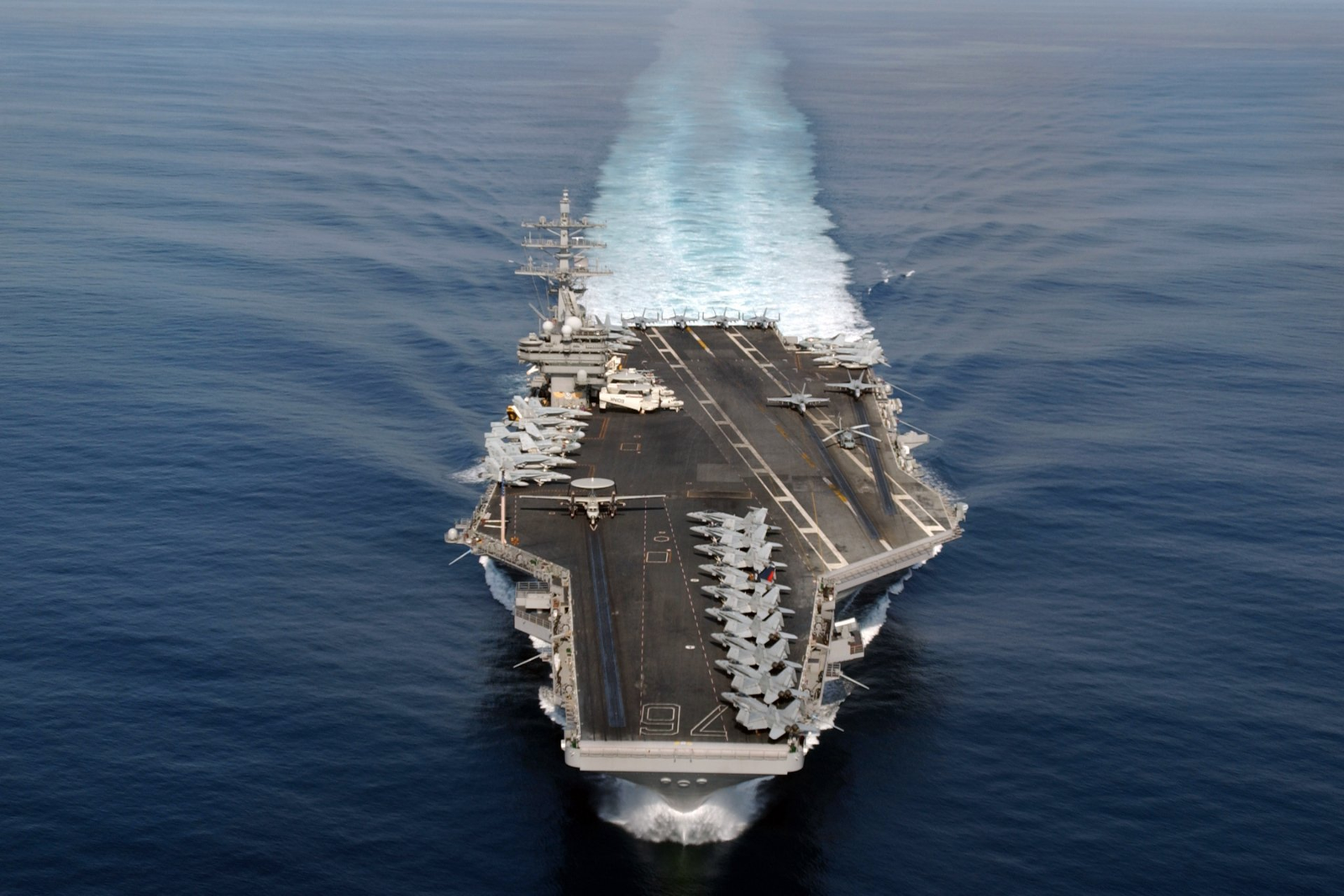
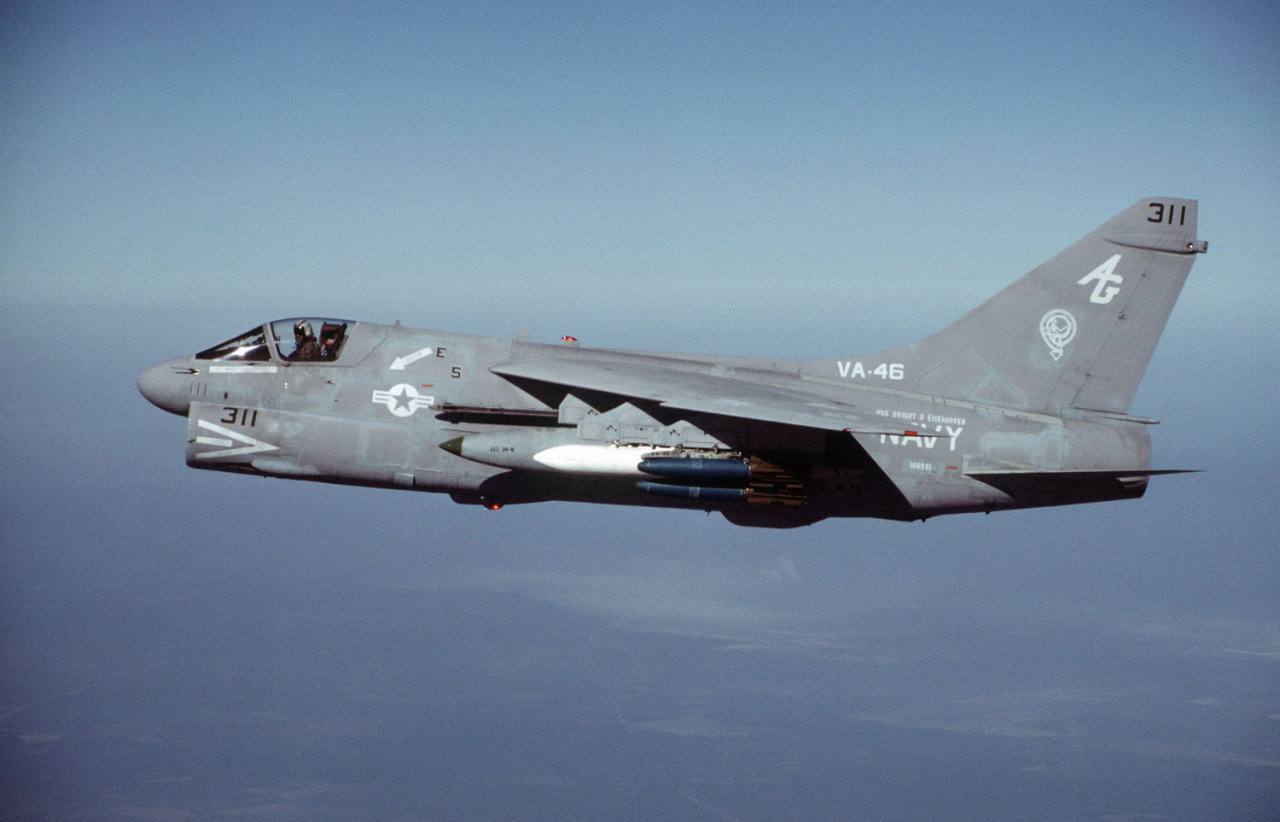
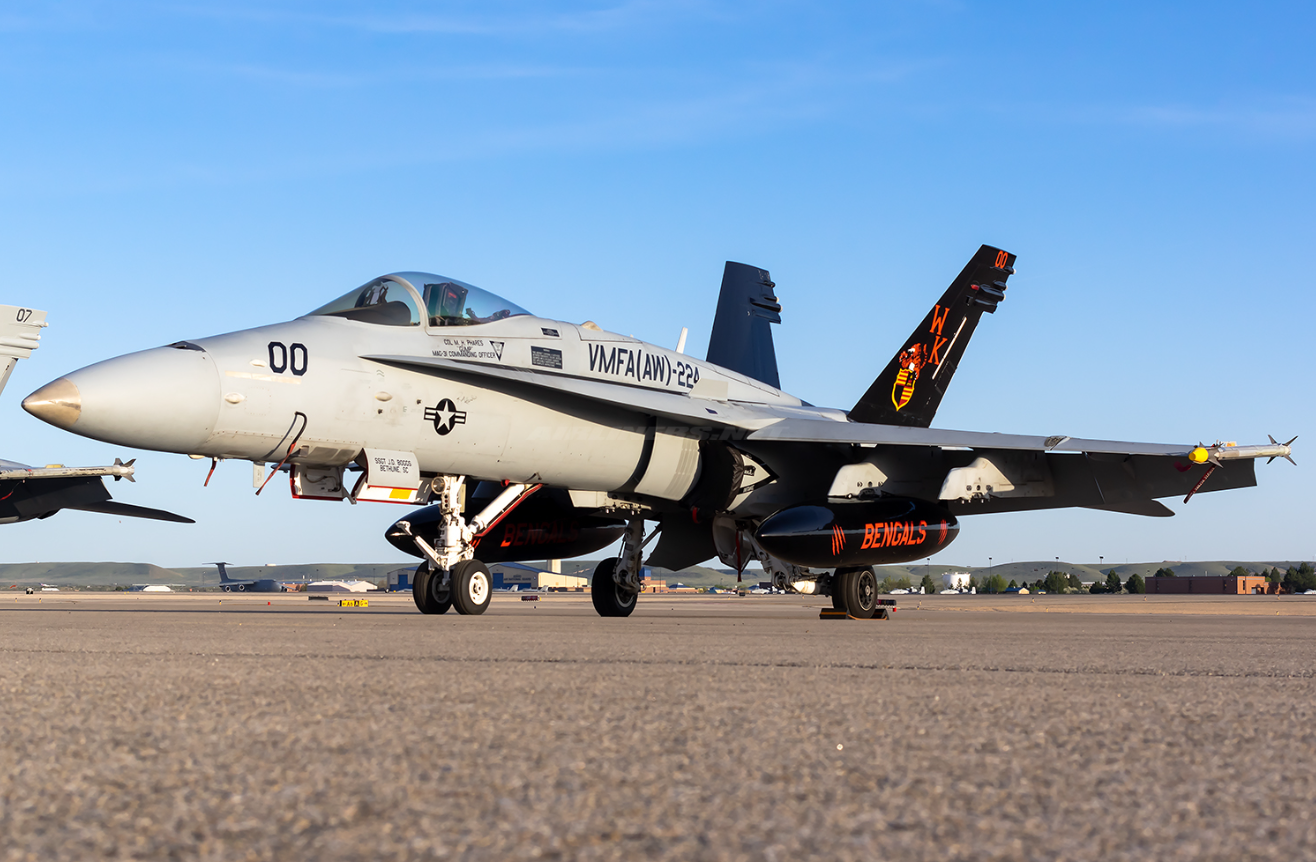
November 1994 was a watershed moment. On the USS Dwight D. Eisenhower, the thunder of an F/A-18C Hornet rolling off the carrier deck carried with it a new sort of meaning. At the controls was Lieutenant Kimberly “Face” Dyson, who made history as the first American woman to fly a combat mission. She had others breaking new ground with her—Sharon “Pinto” Deegan, Joy “Trigger” Dean, Lisa “KP” Kirkpatrick, and Lynne Fowler—who demonstrated that women belonged in the cockpit.

Their success came at a cost. For decades, women were excluded by the combat exclusion law from operating combat aircraft. It required a change in social attitudes, some lessons learned at the Gulf War, and a 1993 Pentagon policy shift to ultimately open those doors. The transition within the squadrons wasn’t always easy. Dyson remembered being informed by her commander, “I didn’t ask for you. I didn’t want you.”. But I’m stuck with you. Don’t blow it.” And yet, despite the doubters and the glare of publicity, their expertise drowned out all else. As Joy Dean afterwards encapsulated, “If you were a good stick, you were a good stick.” Their firm resolve made women fighting from cockpits commonplace, rather than a novelty.

The Gulf War and the Transformation of Airpower
Only a few years before, Operation Desert Storm had already set the new standard for twenty-first-century air warfare. The war started with a thunderbolt assault that disabled Iraq’s air defenses, and the American and coalition air forces immediately gained air superiority. It was the reward for the U.S. Air Force for decades of pouring money into stealth technology, satellite navigation, and precision-guided munitions.

The F-117 Nighthawk swooped into Baghdad near undetected, as F-15s and F-16s swept the skies clear of enemy fighters. Low-flying, slow-moving A-10 Warthogs buzzed tanks apart with their giant 30mm cannons. It was a finely orchestrated campaign demonstrating the progress that airpower had made since the days of Vietnam. General Charles Horner, who directed the air war, remained at the front and made decisions there, not subjecting himself and his forces to political micromanaging as in past conflicts. The result was sheer speed and efficiency, and it demonstrated that air and space systems in tandem could win a war in weeks rather than years.

The Modern Fighter Pilot: Training, Aircraft, and Demands
The path to becoming a fighter pilot in America is arduous. Applicants typically originate from the best of their class in terms of academic achievement, frequently with science or engineering degrees, before undergoing years of flight training that prove challenging to both mind and body.

By the early 2000s, Air Force pilots were likely to be flying F-16s or F-15 Strike Eagles, while the Navy was using F-14 Tomcats and F/A-18 Hornets. Each possessed a distinct edge: the F-15 in air superiority, the F-16 in agility, the A-10 in close support, and the F/A-18 for its versatility at sea. Carrier pilots had the added challenge of taking off from and landing on a rolling ship at night or in poor weather—still one of the most challenging endeavors in flight. The jets themselves were strengthened to be able to tolerate the harsh stresses of catapult takeoffs and hard carrier landings.

Technology and Tactics: From Dogfights to Data
The era of old-fashioned dogfights, when pilots looped and rolled until one gained an advantage, has mostly been replaced by combat at a distance. Using sophisticated radars, missiles, and targeting pods, many never even lay eyes on their adversary before firing. Tools such as ATFLIR and LITENING pods offer pin-sharp targeting and real-time intel, allowing faster and more accurate strikes.

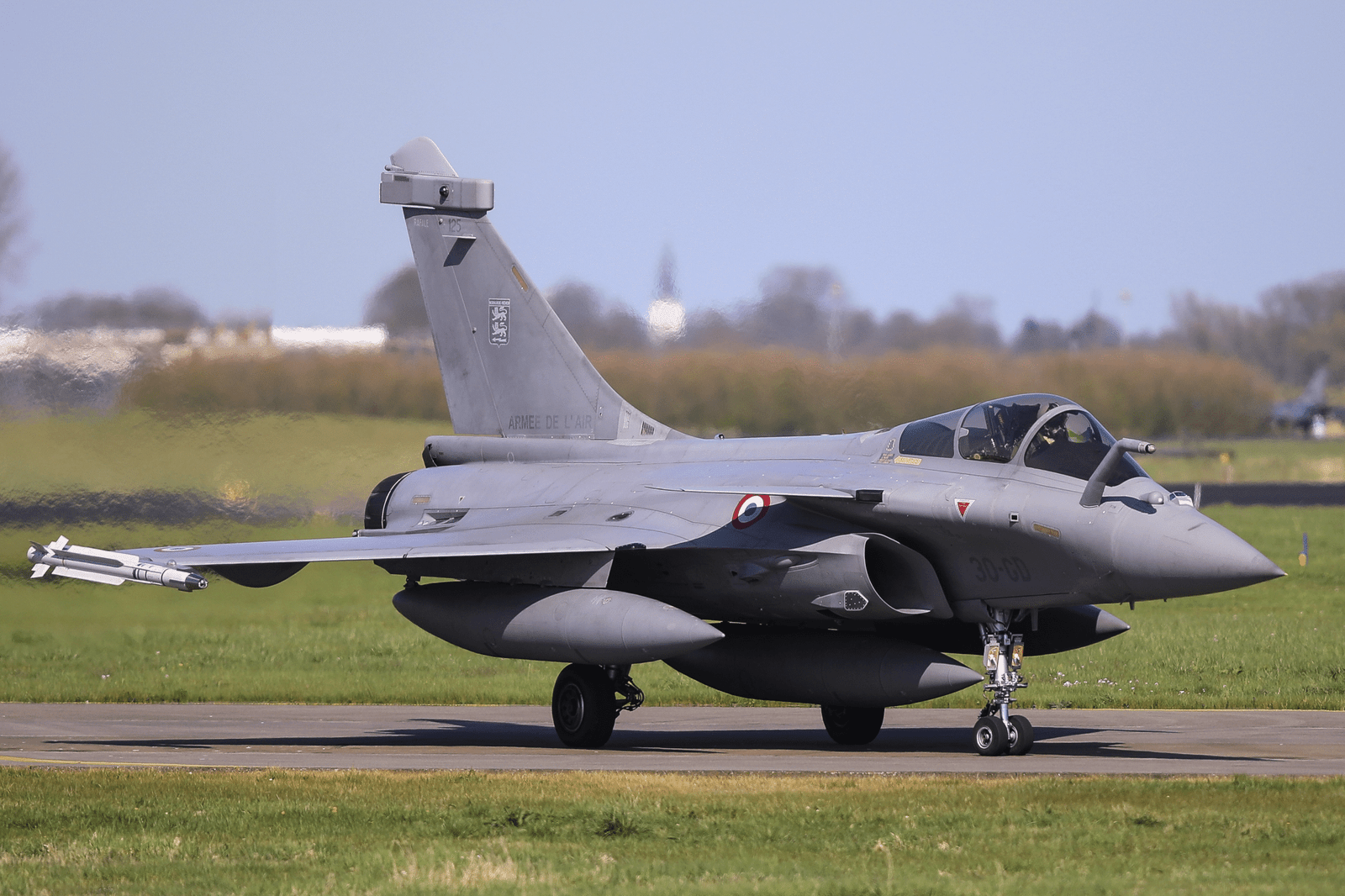
Airframes also adapted to these requirements. The F/A-18 Super Hornet carried additional fuel and ordnance, the F-15E Strike Eagle was a genuine multirole workhorse, and the A-10 remained a stalwart in ground conflicts. But nothing is infallible. The finest missiles can be countered by electronic jamming, decoys, or even smart flying. And with increasing numbers of drones, artificial intelligence, and autonomous devices, the very existence of the fighter pilot is in question. Recent conflicts have demonstrated how rapidly drones are able to transform the battle, as pilots must learn to operate with or even control clusters of drones.

The Future of Combat Aviation
The pilot’s life has always been one of change. From the open cockpits of World War I to the glass cockpits of the F-35, the job requires not only technical proficiency but also changeability and leadership. Women in the ranks, the bitter lessons of previous conflicts, and the insistent roll-out of technology have conditioned today’s pilots to be more than mere stick-and-rudder pilots—they are systems operators, tacticians, and leaders.

While technology is running headlong and competitors are catching up, the fighter pilots of tomorrow will have to learn to control not only flying but also webs of data, networks, and drones. The work is transforming, but one constant remains: the fighter pilot’s position on the leading edge of combat. The tale is only partially told, and if history teaches us anything, then the greatest chapters are ahead of us.