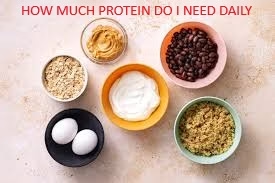
Protein is the building block of our life, and is a fitness essential. It is very important for repairing body cells and tissue, building muscle, producing hormones, and keeping your body immunity system stronger. But, we can see that many fitness influencers are today pushing protein powders and nutritionists advocating for balanced diets, the most common question remains is that How much protein do I actually need?
The truth is, that there is no definite and one-size-fits-all answer on this popular protein quest. Whether you are a busy student rushing to morning classes, an athlete training for a weekend sports match, or someone simply looking to loose a few pounds of your weight, your daily protein requirement depends entirely on your lifestyle and fitness goals.
Here is a detailed information on how to calculating exactly how much protein you need every day.
The General Baseline, and The Recommended Dietary Allowance (RDA)
If you live a relatively sedentary lifestyle and your primary goal is just to prevent nutritional deficiency, then the calculation is straight forward. The Recommended Dietary Allowance (RDA) for protein is 0.8 grams of protein per kilogram of your existing body weight (or about 0.36 grams per pound).
For example:
- A person weighing 68 kg (150 lbs) then he needs about 54 grams of protein per day.
- A person weighing 82 kg (180 lbs) needs about 65 grams of protein per day.
However, it is very important to understand that the RDA (Recommended Dietary Allowance) of protein is the minimum amount required to keep you from getting sick, but not the essential amount required for better body growth, building muscle, or recovering from exercise.
How Much Protein Do You Need Based on Your Goals?
To see the specific changes in your physique or performance, then you need to adjust your daily protein intake. Here is a breakdown of how many grams of protein you should requires based on your primary health objective and daily routine:
- Lifestyle & Fitness Goal: Sedentary or General Health lifestyle, Recommended Protein Intake: 0.8 to 1.0g per kg of body weight, Best For: Maintaining basic health and better body organ function without regular exercise.
- Lifestyle & Fitness Goal: Endurance Training, Recommended Protein Intake: 1.2 to 1.4g per kg of body weight, Best For: Runners, cyclists, and swimmers who need muscle repair after a long workout sessions.
- Lifestyle & Fitness Goal: Weight Loss & Toning, Recommended Protein Intake: 1.6 to 2.0g per kg of body weight, Best For: Preserving lean muscle mass while eating in a caloric deficit. Keeps your tummy full and control hunger and calorie intake.
- Lifestyle & Fitness Goal: Muscle Growth (Hypertrophy), Recommended Protein Intake: 1.6 to 2.2g per kg of body weight, Best For: Weightlifters and athletes actively trying to strengthen and generate new muscle tissue.
Why Protein plays a role in Weight Loss
If your goal is to lose weight, increasing your protein intake is one of the most effective strategies you can use. Here is why:
- High Thermic Effect: Your body burns more calories digesting protein (up to 30% of the calories it contains) compared to fats and carbohydrates.
- Hunger Control: Protein is highly hunger satisfactory. A high-protein breakfast reduces hunger hormones, making you less likely to snack on empty calories later in the day.
- Muscle Preservation: When you lose weight, you want to lose fat, not muscle. A high protein intake helps to ensure your body holds onto your metabolically active muscle tissue while burning stored fat.
The Best Sources of High-Quality Protein
Hitting your daily protein goal is much easier when you know what foods to look for. You should aim to get the majority of your protein from whole-food sources.
- Lean Meats & Poultry: Chicken breast, turkey, and lean cuts of beef.
- Fish & Seafood: Salmon, tuna, and shrimp (excellent sources of omega-3s).
- Dairy: Greek yogurt, cottage cheese, and milk.
- Plant-Based Options: Lentils, chickpeas, tofu, tempeh, and edamame.
- Supplements: Whey or plant-based protein powders are highly convenient for hitting your numbers when you are on the go.
Does Protein Consumption Timing Matter?
For decades, gym-goers believed in the anabolic window, the idea that you had to consume a protein shake within 30 minutes of working out or your session was wasted. Modern sports nutrition and science has debunked this.
While getting enough protein after a workout is beneficial, for your total daily protein intake which matters far more than the exact timing. Which aims to spread your protein evenly across three to four meals throughout the day to maximize muscle protein synthesis and keep your energy levels in control.
How much protein do I need, daily protein intake, grams of protein per day, protein for muscle gain, protein for weight loss, high-protein foods, calculate protein needs,