
The race to create ideal hypersonic missiles has quickly become one of the most important competitions in defense technology today. As rival nations unveil advanced hypersonic missiles, the US and its allies are putting serious time and resources into creating, testing, and deploying their sophisticated systems. The stakes are enormous—whichever side gains control over these missiles first will gain an absolute advantage in deterrence and combat capability.

The United States Department of Defense has placed hypersonic research at the head of its R&D priorities. The reason is simple: traditional missile defenses struggle against weapons moving at Mach 5 or above. Traveling at that speed—over a mile per second—a missile covers 100 miles in under two minutes, with minimal time to detect and react. Senior defense leaders highlighted the necessity of ongoing investment in missile defense capabilities to counter rising threats from ballistic, cruise, and hypersonic missiles.

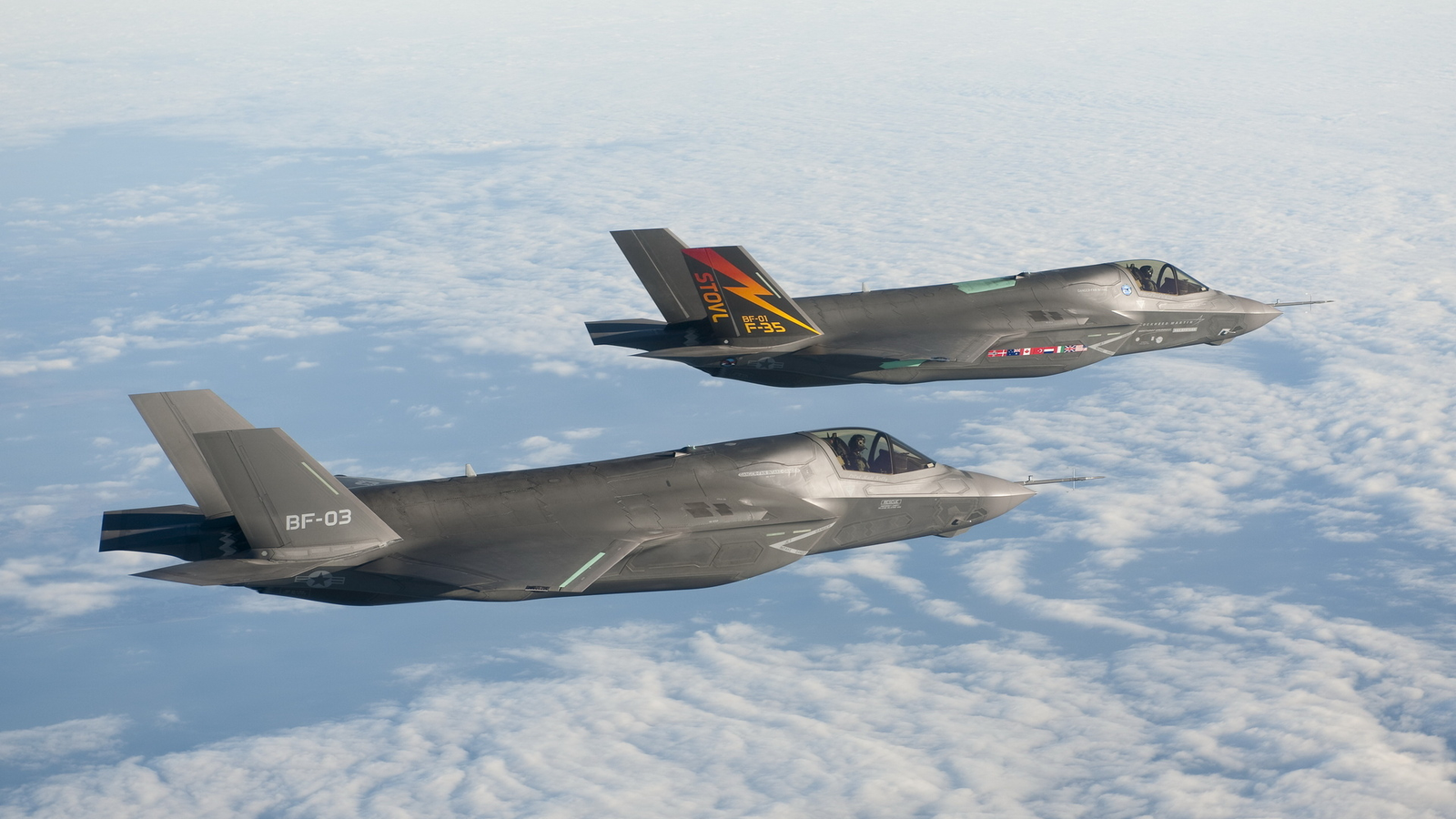
Two flagship U.S. lead programs are at the forefront: the Navy’s HALO (Hypersonic Air-Launched Offensive Anti-Surface) and the Air Force’s HACM (Hypersonic Attack Cruise Missile). HALO plans to give carrier-based planes like the F/A-18 Super Hornet and F-35C a long-range, air-launched hypersonic anti-ship missile. Lockheed Martin and Raytheon are both working on competing prototypes to be ready for service in the late 2020s. It will replace the current AGM-158C LRASM, giving the Navy better means to target valuable targets far out beyond the horizon.

The HACM project, in contrast, focuses on a scramjet-propelled hypersonic cruise missile, initially for the F-15E Strike Eagle and then other aircraft. Built in collaboration with Australia in the SCIFiRE (Southern Cross Integrated Flight Research Experiment) initiative, HACM is being flight-tested at Australia’s Woomera Test Range. Situated deep in the outback, this distant location offers vast, secure airspace for high-speed testing, something U.S. test ranges generally can’t offer.

The engineering difficulties in the development of hypersonic weapons are formidable. Traveling at such velocities, vehicles are subjected to intense heat, ferocious vibration, and tremendous aerodynamic stress. Electronics must be sufficiently strong to survive the environment, and specific materials—often exotic composites or advanced ceramics—are needed to prevent structural failure. Thermal management is a serious hurdle, with engineers designing systems to protect the missile skin and internal electronics from extensive high temperatures.

Navigation and direction are no easier. The air surrounding an object moving at hypersonic velocities can ionize, disrupting communications and sensors. Antennas need to be found, frequencies need to change, and sensitive electronics need to be shielded. Defense Advanced Research Projects Agency-sponsored programs are pushing the new solutions, including thermal management of electronics that is more advanced and sensors that operate at temperatures up to 800 degrees Celsius.

It adds to the complexity of modifying these weapons for front-line aircraft. The Navy is flight-testing the LRASM on the F-35C, but its size forces it to be carried externally. It is planned to arm the F-35C and the Marine Corps’ F-35B with next-generation long-range strike capabilities ahead of HALO’s availability. The Air Force wants to introduce HACM as early as possible, using rapid prototyping to overcome technical risks.

Allied collaboration is proving to be key in speeding progress. The U.S.-Australian collaboration on HACM and SCIFiRE illustrates how shared test facilities, engineering expertise, and funds can hasten outcomes. Australia’s Woomera Range, located in remote areas and possessing sophisticated support infrastructure, facilitates testing out of the public view. Allied-country partnerships are also increasing cooperation in such domains as propulsion, targeting, and missile defense.

The imperative is clear. As missile capabilities continue to advance, nations must invest in offensive and defensive hypersonic capabilities. Space-based sensor constellations, over-the-horizon radar, and advanced command systems are increasingly necessary to detect and intercept these threats at an early phase. Senior defense officials have pointed out the growing intersection of space operations and missile defense, most significantly in warning, tracking, and interception.

Industry takes center stage in these efforts. Defense contractors like Lockheed Martin, Raytheon, and Northrop Grumman are taking the lead, leveraging decades of experience to attempt to overcome the challenges of hypersonic flight. The Naval Surface Warfare Center Dahlgren Division, dating back to its missile research origins in the 1950s, continues to develop simulation, materials science, and advanced design. Recent investments target quickly transitioning experimental systems from idea to deployment.

Hypersonic missiles are more than an incremental increase in firepower—a leap revolution. The capability to strike with hitherto unimaginable speed, little warning, and indifference to currently available air defenses is redefining the manner in which military strategists think about deterrence and combat. With the United States and its allies pressing on, the outcome of this competition might determine the global distribution of power for decades to come.