The history of the Bismarck is one of aspiration, ingenuity, and the harsh realities of naval warfare. When Germany commissioned the battleship in February 1939, it was the epitome of marine engineering—a colossal fortress on the sea, intended to rule the Atlantic and menace Allied convoys. Weighing more than 50,000 tons when loaded, 251 meters in length, and mounting eight monstrous 15-inch guns, Bismarck was Nazi Germany’s naval aspirations personified and a direct provocation to British dominance of the seas.

Each aspect of Bismarck’s build was planned. Designed by Blohm & Voss at Hamburg, her armor was amongst the thickest ever fitted to a battleship, with a 320mm belt and turret armor up to 360mm thick. But she was not a clumsy giant—Bismarck could travel more than 30 knots, and she was both powerful and fast. Designed to sail with her sister ship, Tirpitz, she was intended to chase Allied convoys and pressure the Royal Navy into thinning out its forces over the Atlantic.

Bismarck’s only and initial combat operation, Operation Rheinübung, was launched on May 19, 1941. Under Admiral Günther Lütjens and Captain Ernst Lindemann, she sailed from Gotenhafen with the heavy cruiser Prinz Eugen. Their mission: infiltrate the Atlantic, raid merchant vessels, and lure British warships off vital convoy routes. Grand Admiral Erich Raeder, directing Germany’s navy strategy, believed this bold raid would turn the tide in the Battle of the Atlantic.

But the British were alert. Neutral Sweden and Norway observers detected Bismarck and Prinz Eugen, and RAF reconnaissance established their trajectory. Admiral Sir John Tovey of the Home Fleet rapidly advanced his forces, so the stage was set for a dramatic encounter.

The initial battle began on May 24, 1941, in the Denmark Strait. HMS Prince of Wales and the battlecruiser HMS Hood fought Bismarck and Prinz Eugen at dawn. Hood, the Royal Navy’s pride, was no match. A single Bismarck shell into Hood’s magazine set off a devastating explosion that made the ship sink in less than three minutes, with only three surviving crew members. The Prince of Wales was damaged and had to retreat. While Bismarck herself was damaged and spilled oil, the loss of Hood gave British morale a crippling blow.

The response of the British was swift and unrelenting. Churchill famously instructed, “Sink the Bismarck,” and every ship and aircraft that could be spared set out to search for her. The Home Fleet, Force H based in Gibraltar, and countless cruisers and destroyers formed up, while codebreakers and reconnaissance teams worked around the clock to follow Bismarck. In spite of damage, Bismarck sought to arrive at Saint-Nazaire in France, the sole Atlantic port that would be able to receive repairs in a dry dock.

The pursuit taxed endurance, skill, and fortune. Bismarck briefly escaped radar and wireless intercept, but codebreakers and a Catalina flying boat, piloted by an American officer seconded to the RAF, caught sight of her in the Bay of Biscay on 26 May.

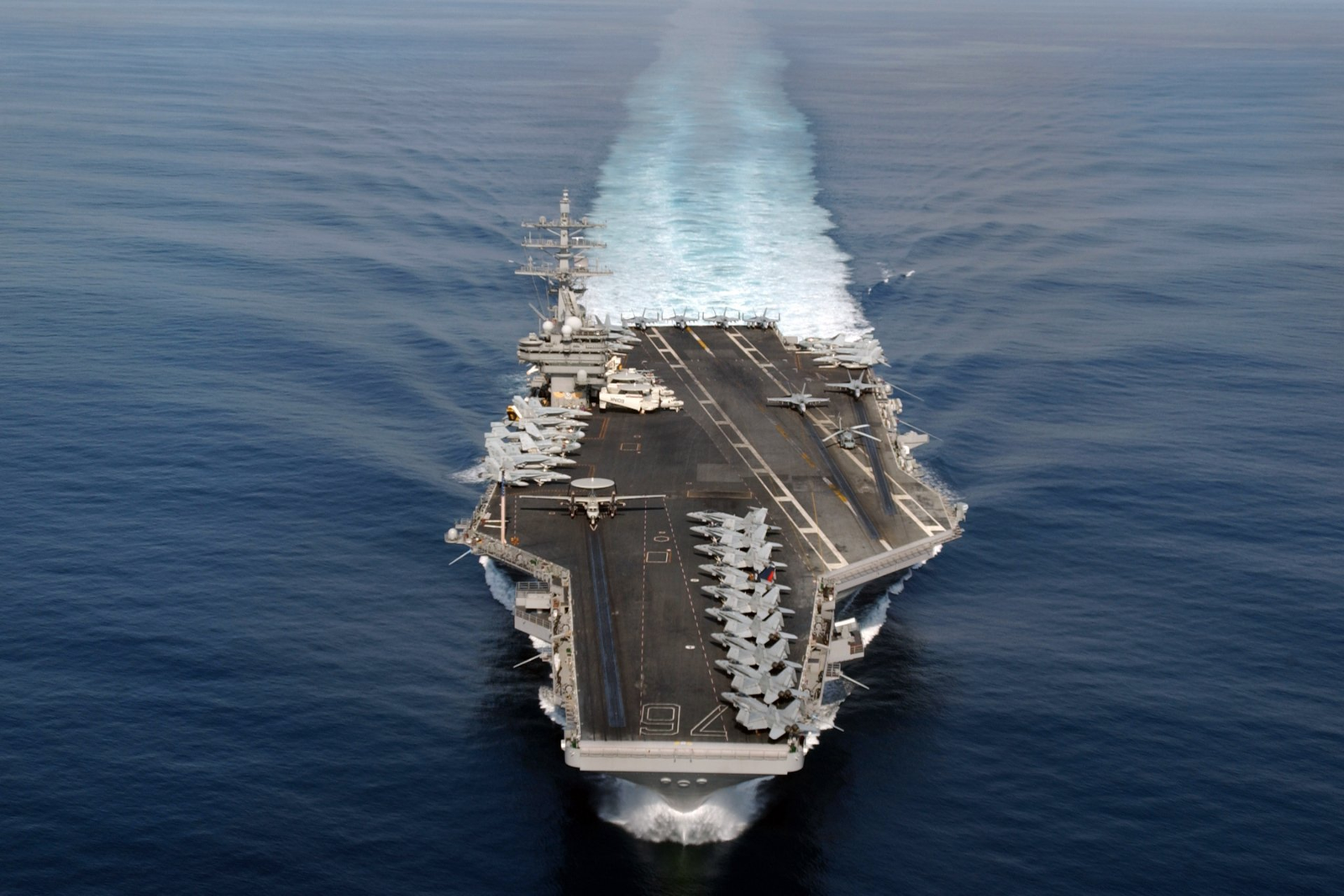
Now Britain’s reliance was on HMS Ark Royal and her squadron of Fairey Swordfish biplanes. Slow and apparently obsolete, they proved to be an effective killer. Defying bad weather and intense anti-aircraft fire, they dropped torpedoes that hit Bismarck’s stern, jamming her rudder and making her unable to turn. This assault was a turning point, showing how aircraft carriers could be used to counter even the most powerful battleships.

The night was spent by British destroyers firing at the crippled ship relentlessly. By May 27 morning, battleships King George V and Rodney, and cruisers Norfolk and Dorsetshire, closed in for the decisive battle. Bismarck, stationary and almost defenseless, was subjected to a near 3,000 shells. The decks were on fire, and her big guns fell silent one by one. Survivors recalled chaos as the ship turned into a burning, uncontrollable hulk.

Approximately at 10:35 a.m., Bismarck sank, carrying more than 2,000 personnel with her. Few survived, but rescue efforts were hindered by the danger posed by German submarines. The loss of the ship was a turning point. For Germany, it brought to an end surface raiders in the Atlantic and further eroded Hitler’s faith in the navy. For Britain, it was an expensive but confidence-boosting triumph, proving the strength of intelligence, aerial aid, and planned naval action.

Bismarck’s fall had long-term consequences. It established that even the best-protected battleships could be affected by attacks launched by airplanes, marking the end of the battleship era. Aircraft carriers, capable of attacking from a distance, became the undisputed monarchs of the seas. Bismarck’s fall was more than a strategic triumph, as it redefined naval warfare for decades to come.