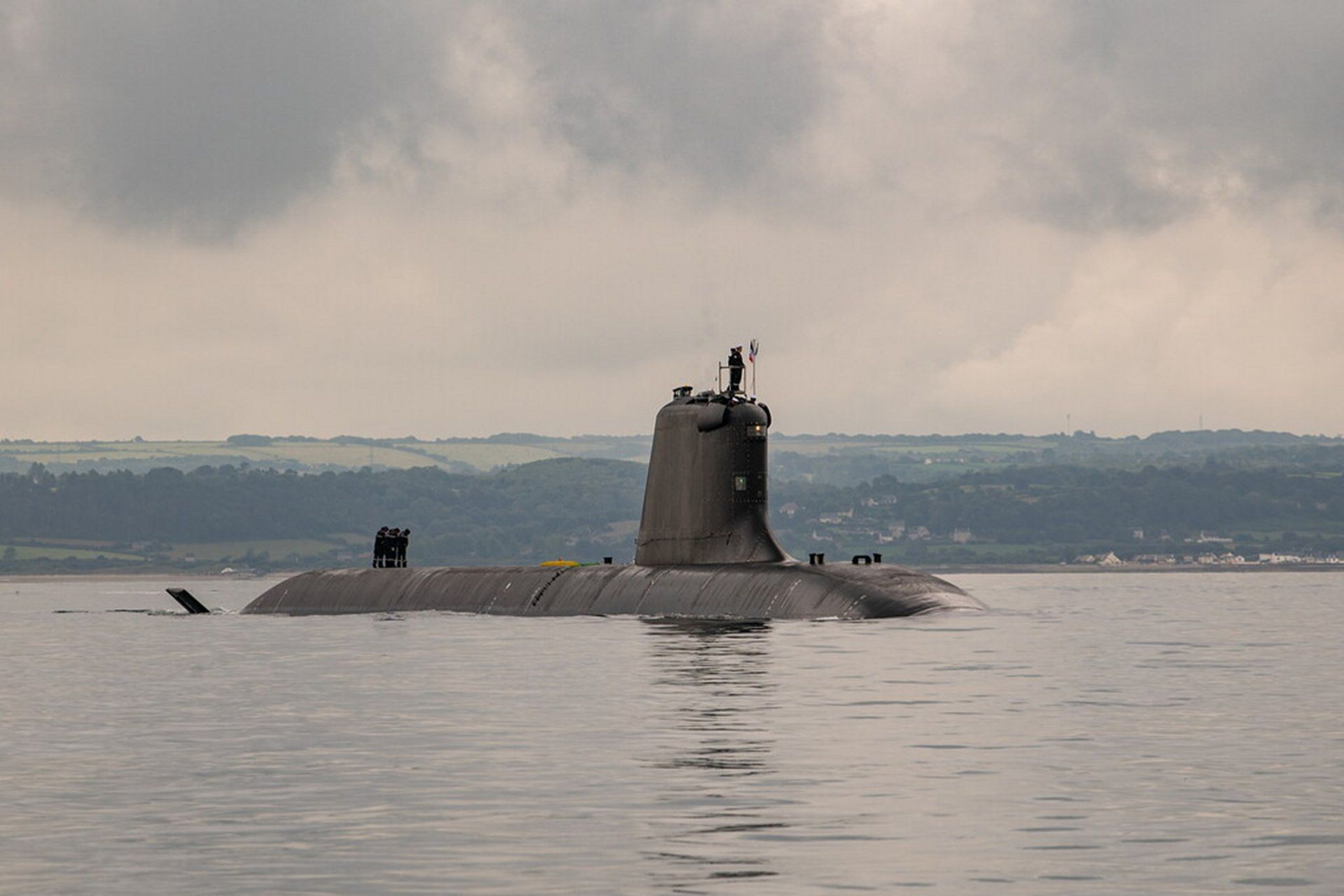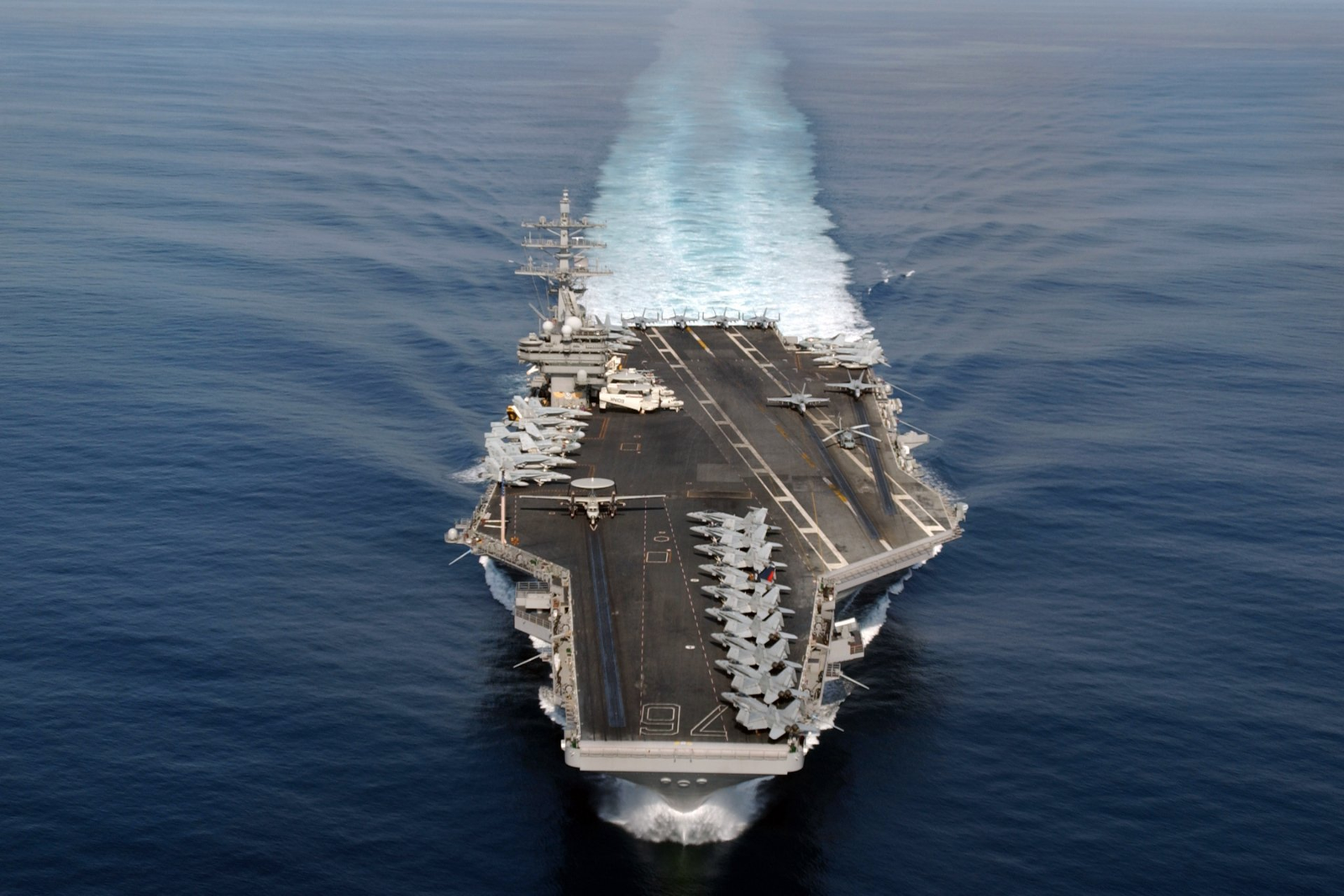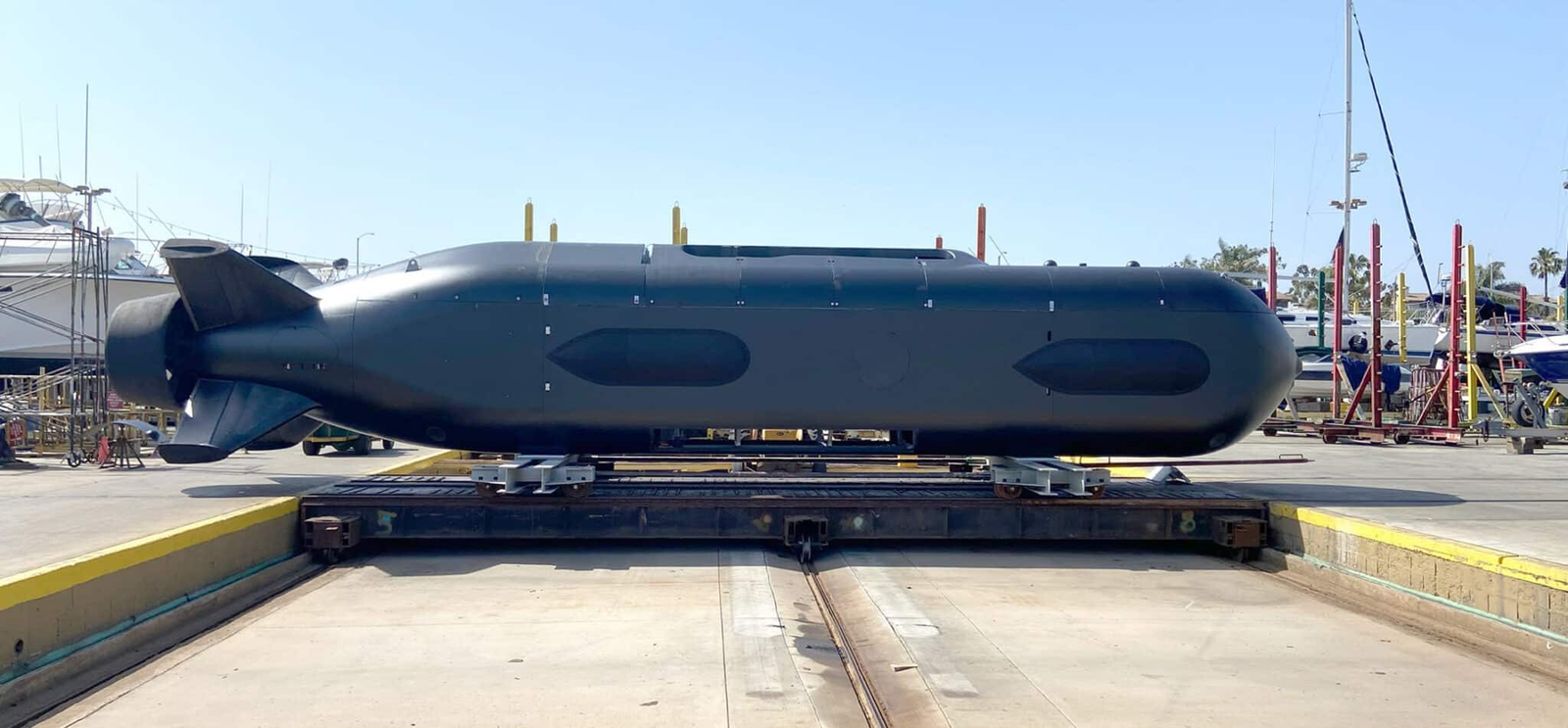

Naval warfare is about to enter a new era, one shaped by stealth, persistence, and autonomous capability as the new reality of war beneath the sea. At the forefront is the U.S. Navy’s Orca Extra-Large Unmanned Undersea Vehicle (XLUUV), a cutting-edge next-generation platform that will reshape how America projects power beneath the surface. More advanced than a drone, the Orca is a glimpse at future undersea operations, coupling cutting-edge technology with a vision of strategic audacity.

While other nations advance their unmanned craft, the Navy is accelerating its investment in autonomous technology to stay ahead of the curve. The crown jewel of this endeavor is the Boeing Orca. It’s a massive underwater drone to execute missions that are too long, hazardous, or monotonous for manned submarines. According to Chief of Naval Operations Admiral Lisa Franchetti, Orca’s mission is instrumental in allowing for the hybrid fleet that brings human judgment and machine persistence together to function effectively in contested naval spaces.

Orca is an evolution of Boeing’s earlier Echo Voyager technology, but on a much larger scale. 26 meters in length and with an eight-ton payload capacity, it’s one of the most advanced unmanned platforms to have ever been deployed. Its hybrid power system allows it to remain submerged for weeks at a time, traveling more than 6,500 nautical miles without surfacing or refueling, giving the Navy a level of endurance and reach unattainable with manned vessels.

The Orca’s intelligence is also breathtaking. With advanced navigation sensors, such as depth and seafloor positioning, the Orca can navigate even in the case of GPS loss. Underwater, it employs acoustic networks, and on the surface, it switches to encrypted satellite communications, with real-time connectivity over long ranges.

Its modularity allows it to switch payloads quickly, making it efficient for missions that range from surveillance and mine detection to electronic warfare or precision strike. The versatility of Orca places it among the most able unmanned vessels in the Navy, and an experimentation platform for advanced technologies such as AI-directed autonomy and structured swarm warfare.

Orca is not intended to supplant the conventional submarine, but is a robust addition to it. These vessels are capable of being launched from shore-based piers, greater naval vessels, or even commercial ships with moon pools. Once deployed, they can conduct intelligence, surveillance, and reconnaissance tasks, deliver mini-drones, carry payloads, or remain on station in denied areas—tasks risky or impossible for manned subs.

Boeing previously delivered the first test unit, XLE0, late in 2023, and there was testing there in Southern California in March of 2024. The first operational Orca, XLE-1, entered sea trials in mid-2025, with delivery completion to the Navy soon after. Nine Orcas at least will be operated under Unmanned Undersea Vehicles Squadron 3, which will offer training, operation, and integration.

The global environment makes farming especially vital. Sophisticated foreign nations’ oceanic drones, such as Russia’s Poseidon, and a growing number of unmanned platforms, emphasize the need to control the underwater world. They deconstruct the distinction between conventional and nuclear capability, combining stealth with sophistication in configurations difficult to detect or interpret. In regions like the Arctic, their ambiguous purposes can lead to underestimates because the majority of such ships appear to be research vessels but can also carry warloads. Their ambiguity poses another level of uncertainty to naval planners worldwide.

Legal and strategic factors also make matters more difficult. International law, or the Law of the Sea Convention of the United Nations, has not yet addressed the ramifications of unmanned underwater vehicles. Sovereignty, navigation, and rules for engagement remain in limbo. If an Orca drifted into the waters of a foreign country or were mistaken for an enemy ship, the consequences would be catastrophic.

While all of these issues are still being worked out, navies are not only producing the submersibles themselves but are also developing the doctrines and countermeasures for operating missions safely in this new world beneath the waves.

Orca XLUUV is more than a fancy drone; it is the Navy’s vision for what the future of warfare beneath the waves will be like. Spurred by the emphasis on persistence, autonomy, and modularity, it is a wiser and safer way of extending maritime power at less danger to the troops. As the trends in the world move toward more strategic competition and the oceans become ever more central, Orca demonstrates how unmanned systems will shape naval operations incrementally but substantively in the coming years.