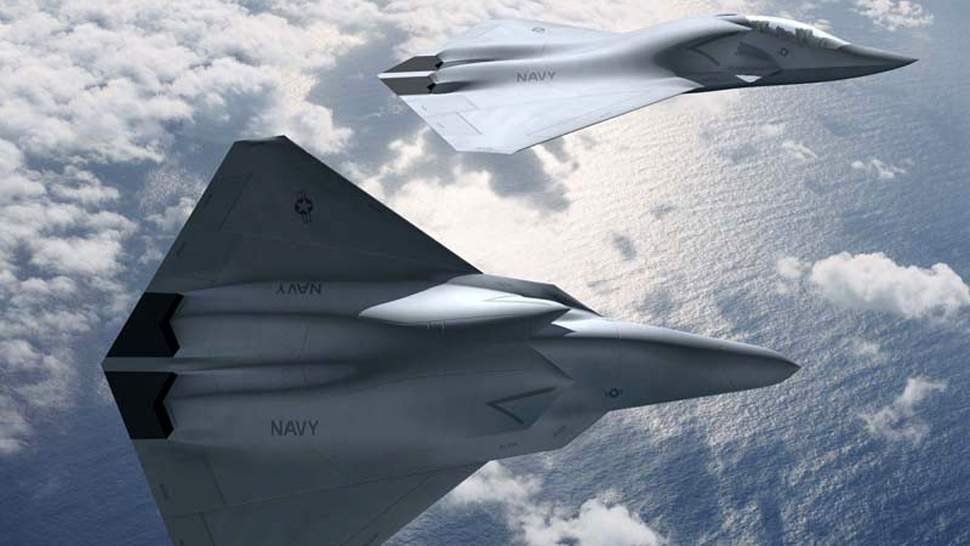
The competition for sixth-generation air superiority is heating up, and centered in the middle of this competition is the U.S. Navy’s F/A-XX program. While the Air Force is pushing ahead with its own Next Generation Air Dominance fighter, currently called the F-47, the Navy is weighing lofty technological aspirations, limited budgets, and extended strategic requirements.
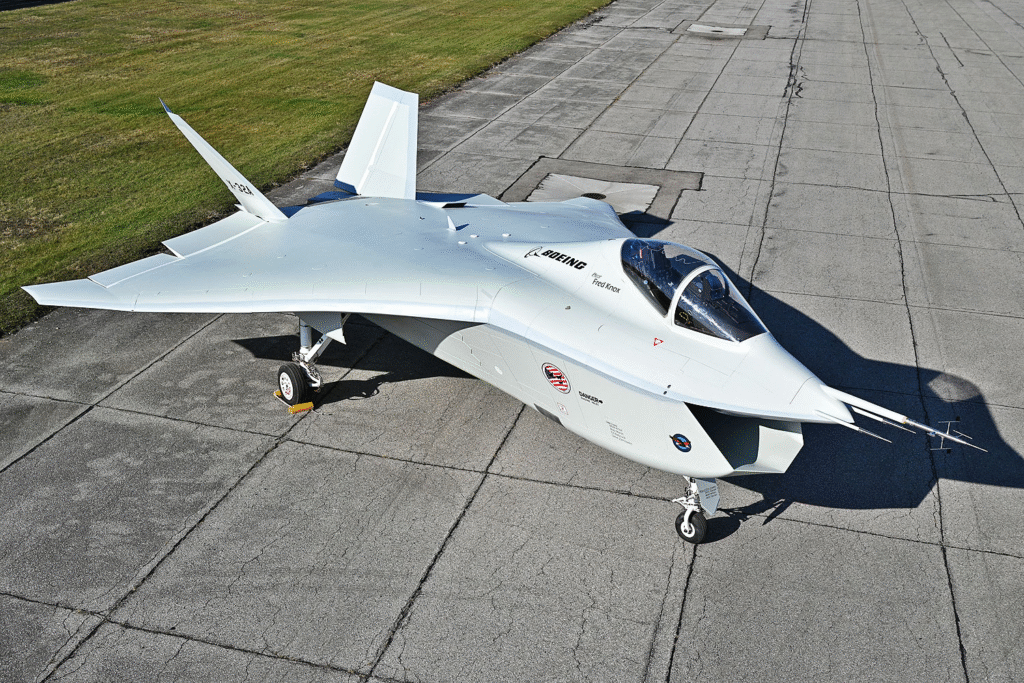
The outcome of this program may set the course for the future of carrier-based aviation, determining how the U.S. applies power in a world where threats develop more rapidly than ever before.
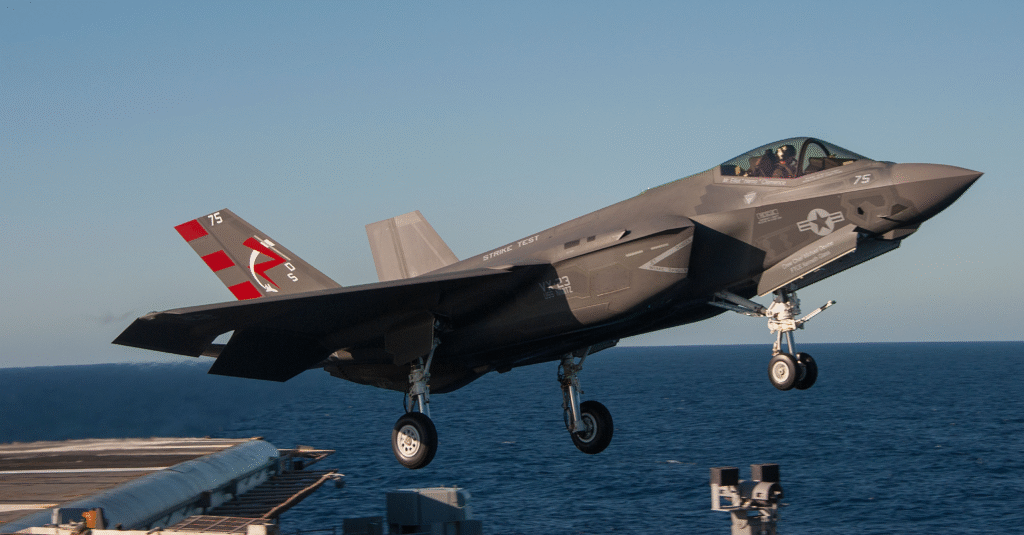
The F/A-XX is intended to push far beyond the limits of current fighters. Air warfare division head Rear Adm. Michael Donnelly has emphasized that range is paramount. This new plane should travel further than the F/A-18E/F Super Hornet and the F-35C Lightning II, possibly up to more than 1,700 miles—about 25% further than the F-35C.
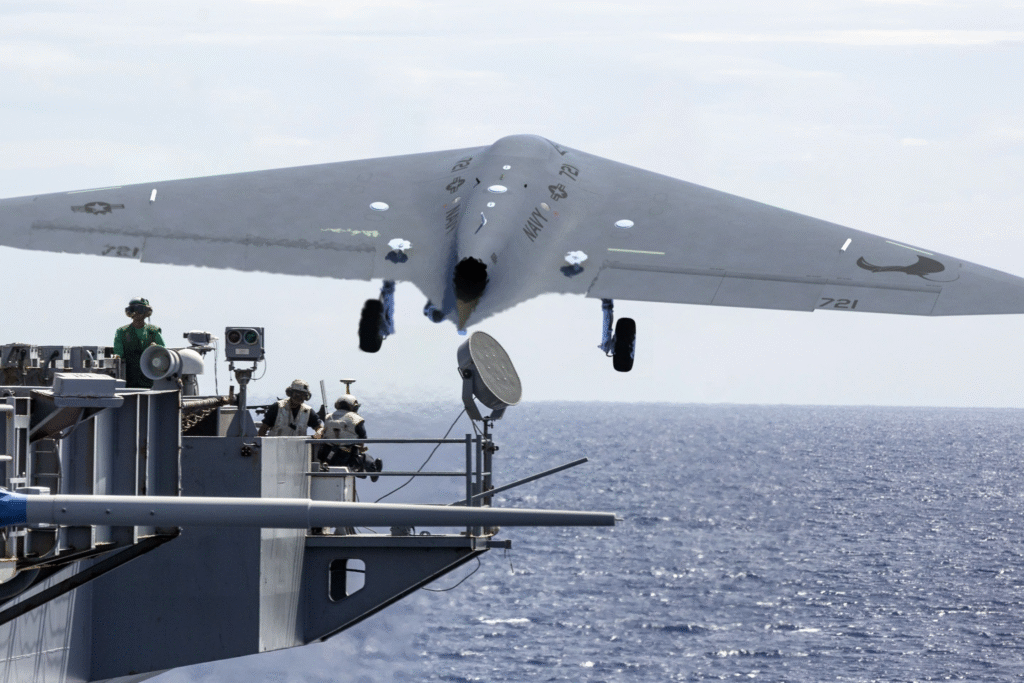
That additional range isn’t merely a matter of numbers; it’s a strategic advantage, especially in large arenas such as the Pacific. Coupled with the MQ-25 Stingray unmanned tanker, the F/A-XX would expand the operating footprint of a carrier strike group to almost 11 million square miles, providing commanders with flexibility while protecting pilots.
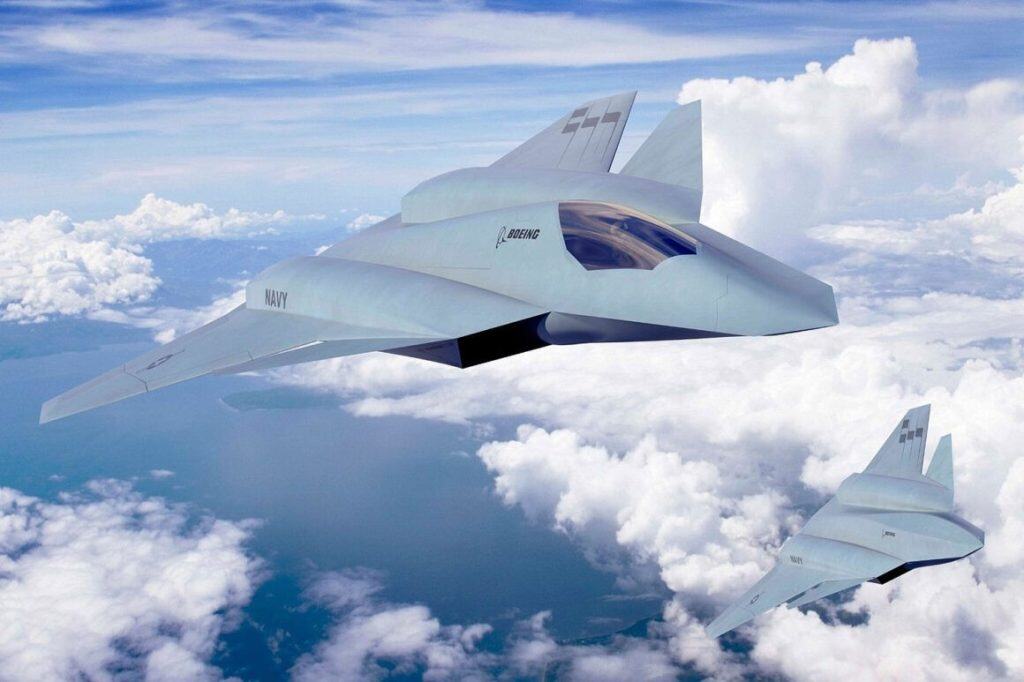
Range is just part of the solution. The F/A-XX will also introduce cutting-edge stealth and sensors, enabling it to operate deep in hostile airspace. Artificial intelligence will be an integral part, allowing the fighter to serve as a sort of “quarterback” for a combination of manned aircraft and autonomous drones referred to as Collaborative Combat Aircraft, or CCAs. This hybrid crew, working together, could provide more firepower, situational awareness, and flexibility than past generations of aircraft were able to.
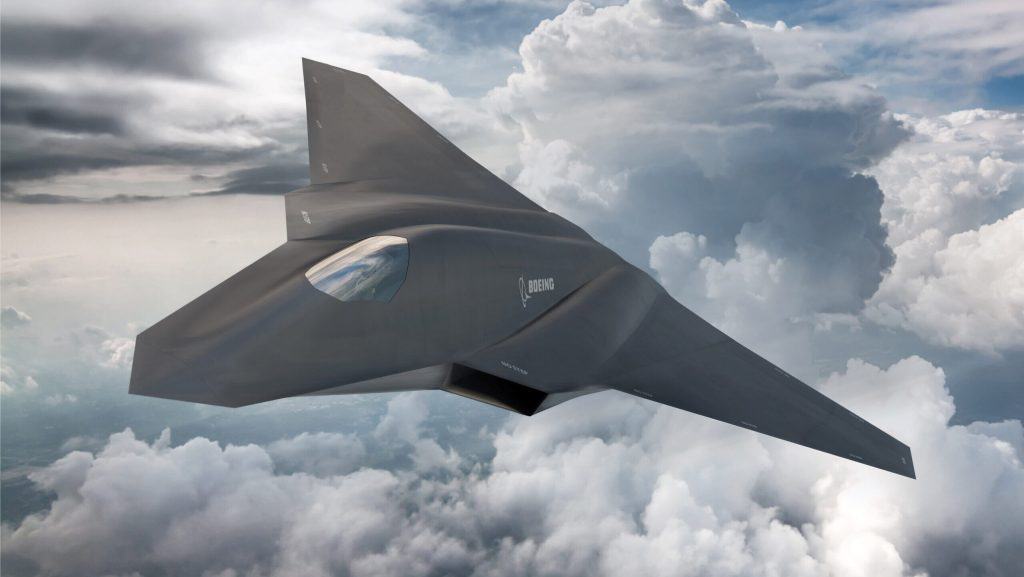
Despite these plans, the program is facing heavy budget constraints. During fiscal 2025, the funding for F/A-XX was slashed by almost $1 billion, and research and development funds for 2026 fell to a mere $74 million.
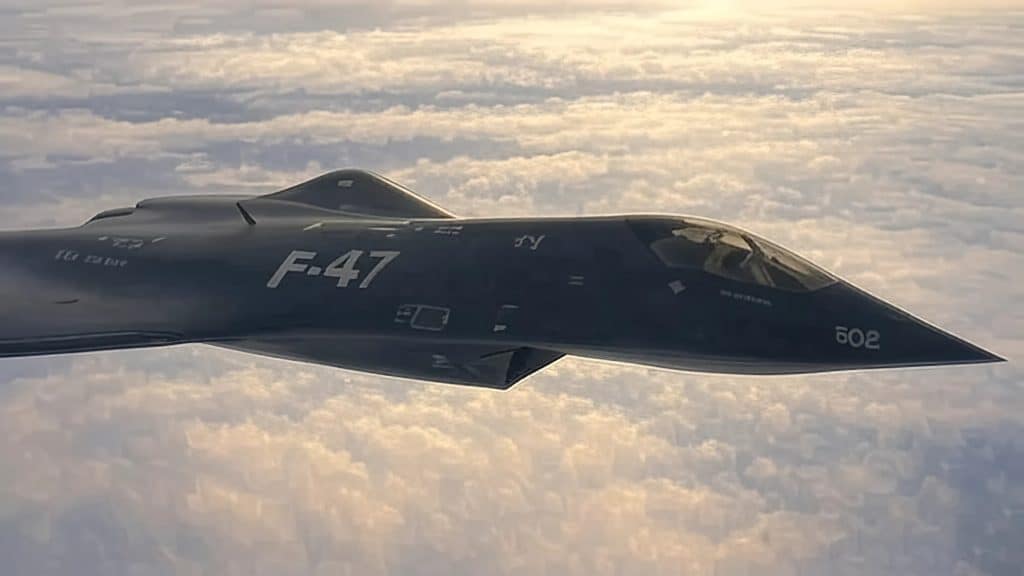
The Air Force’s F-47 program, on the other hand, had a $3.5 billion request. According to officials, the Navy can expect to gain from the Air Force’s efforts in the long run, but at present, these cuts pose a very real danger of hampering progress.
Rear Adm. Daryl Caudle, to be the next chief of naval operations, has cautioned that delay would undermine the Navy’s ability to ensure air superiority against near-peer adversaries. Without a prompt replacement for the Super Hornet and EA-18G Growler, he contends, the Navy will fall behind countries already operating advanced sixth-generation fighter aircraft.
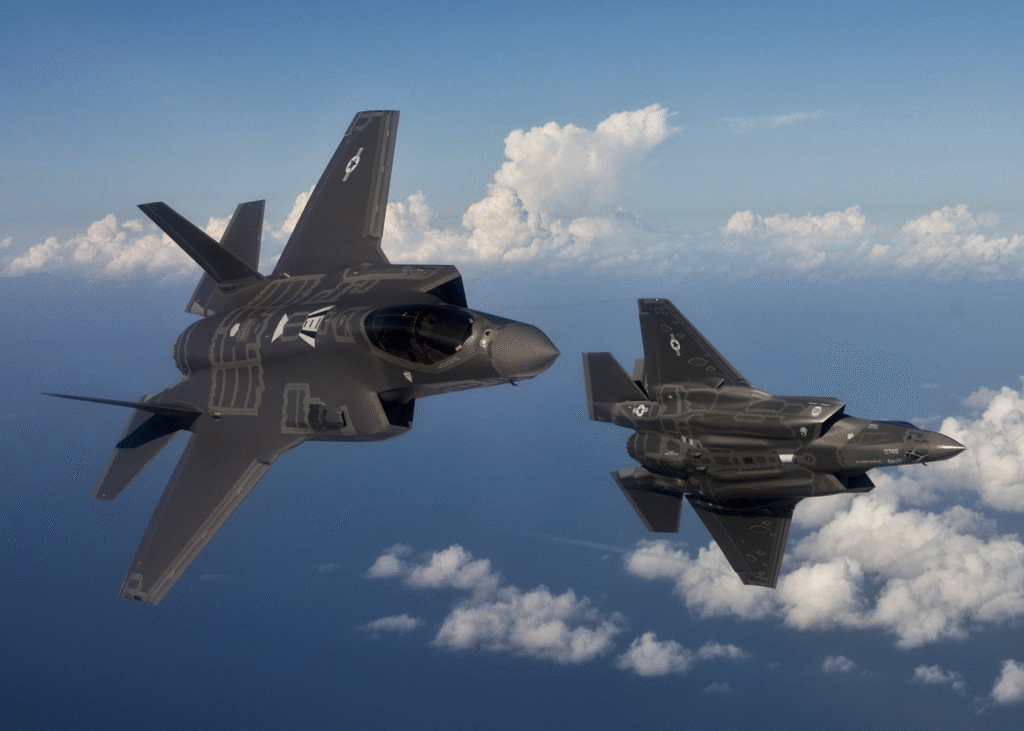
While the F-35 program was a collaborative effort between the Navy and Air Force, the F/A-XX is being developed by the Navy alone. Rear Adm. Donnelly has asserted that it will have its unique airframe and powerplant, employing derivative engines instead of the Air Force’s experimental adaptive-cycle powerplants. The plane will emphasize flexibility, penetrating capability at distance, and fleet air defense, while being manned to the hilt and being the center of a future hybrid air wing.
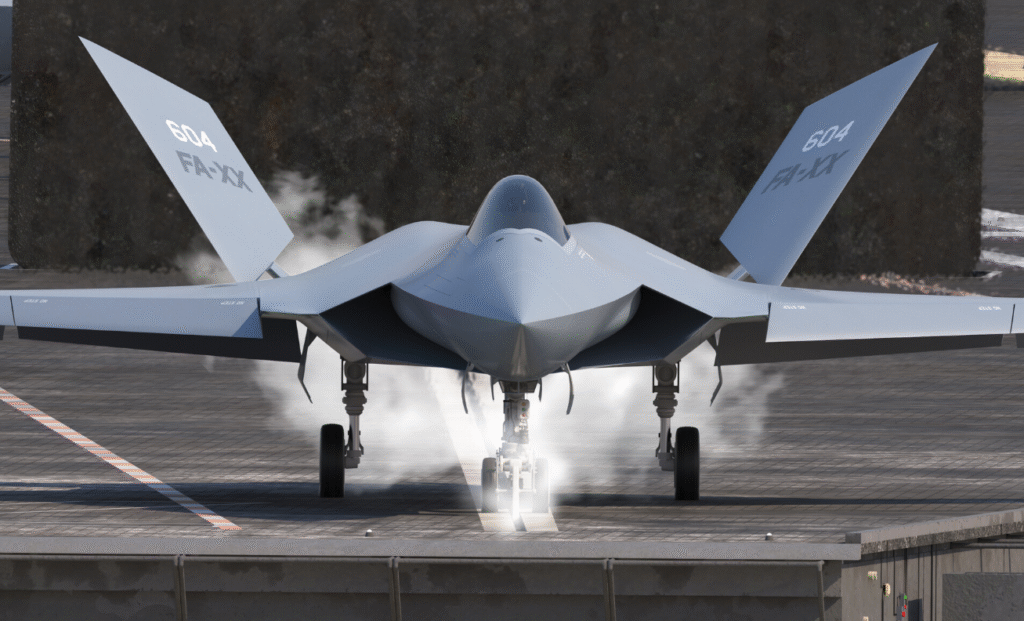
CCAs will be operated in close coordination with the F/A-XX, launching missiles, serving as sensor satellites, or providing communications relay. Over time, the Navy will optimize the mix of human pilots and autonomous systems to optimize mission performance. The F/A-XX will serve as the operational center, coordinating all missions from precision long-range attack to electronic warfare operations.
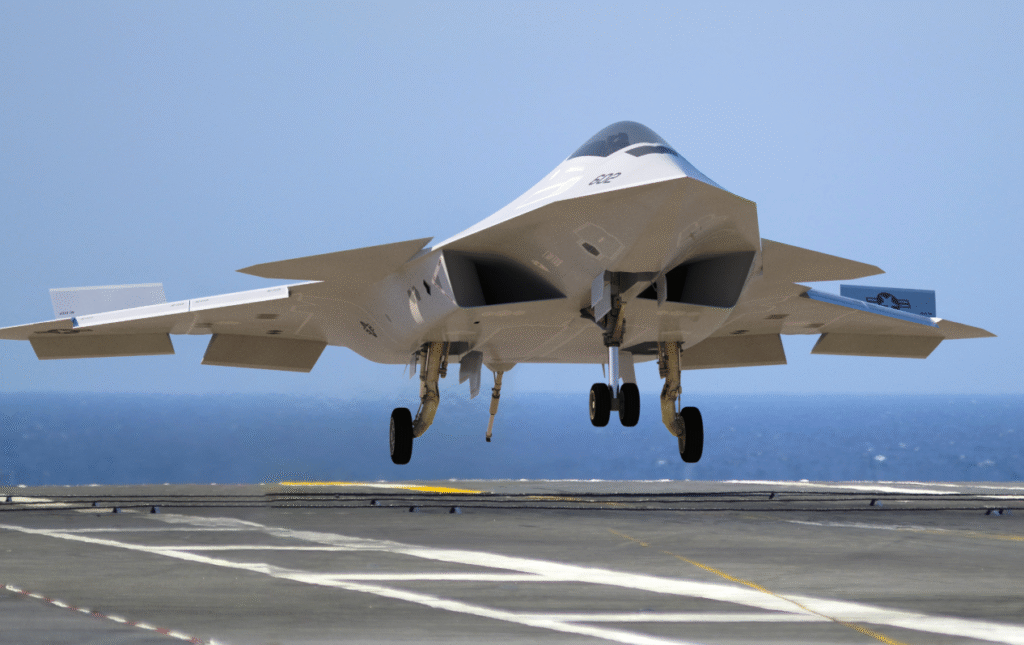
Even while the Navy completes design specifications and operational concepts, there are challenges that lie ahead. Budget constraints, industrial capability, and intra-service politics will all determine when and how the F/A-XX enters service.
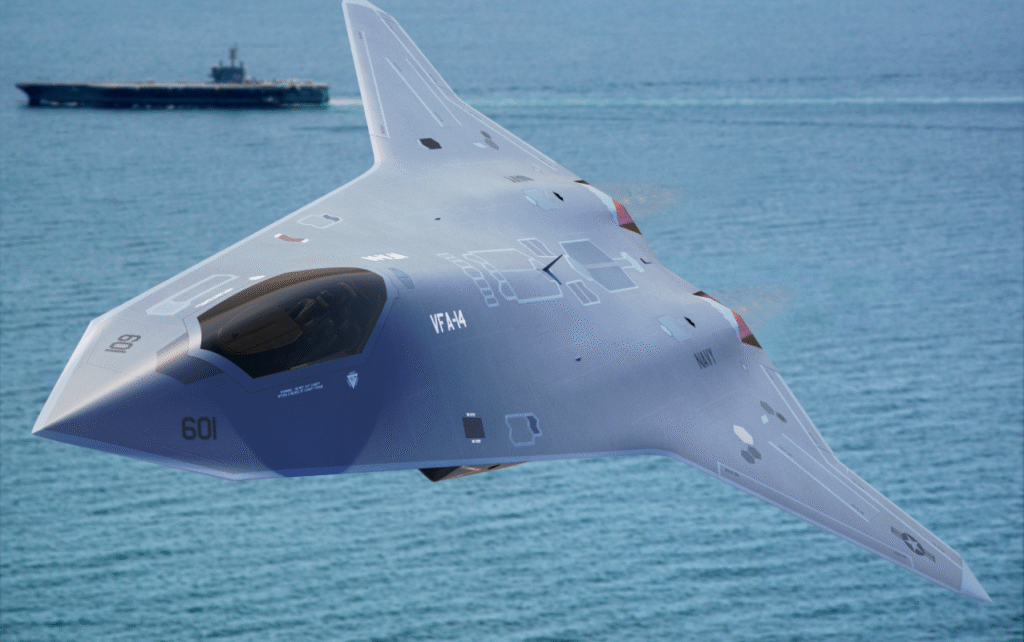
One thing is sure: in the competition for sixth-generation air superiority, the Navy cannot let itself fall behind. Friends and foes alike are looking on with interest, hoping to know if America’s next top-shelf carrier fighter will materialize in time to keep its carriers at the forefront of global power projection.