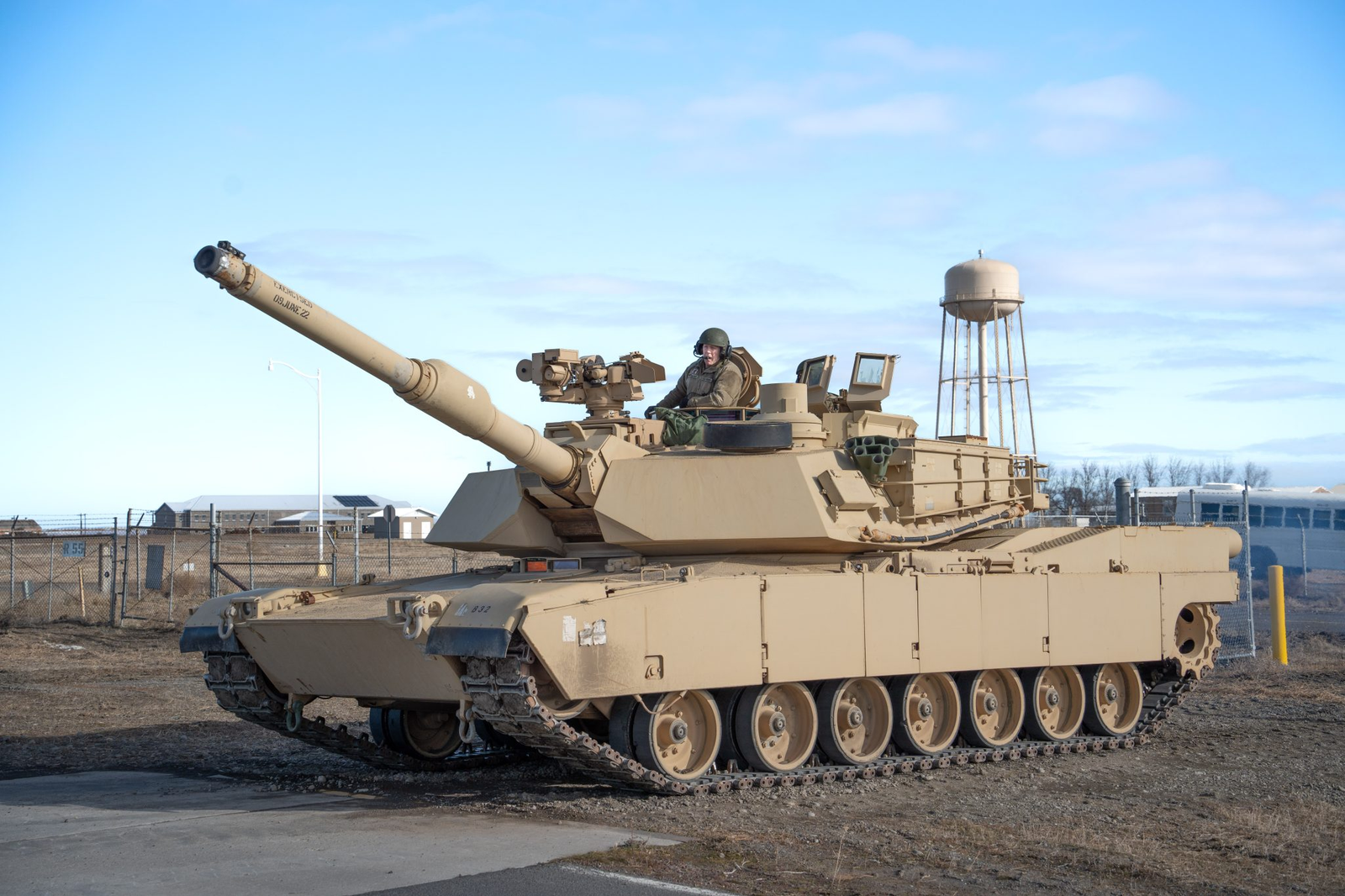

The U.S. Army is undergoing a tremendous transformation, and one of the most obvious indicators of that transformation is its plans to transition away from the venerable M1A2 SEPv4 towards the all-new M1E3 Abrams. It’s not a new paint job—it’s an entirely new vision of what a battle tank should look like in the modern age.

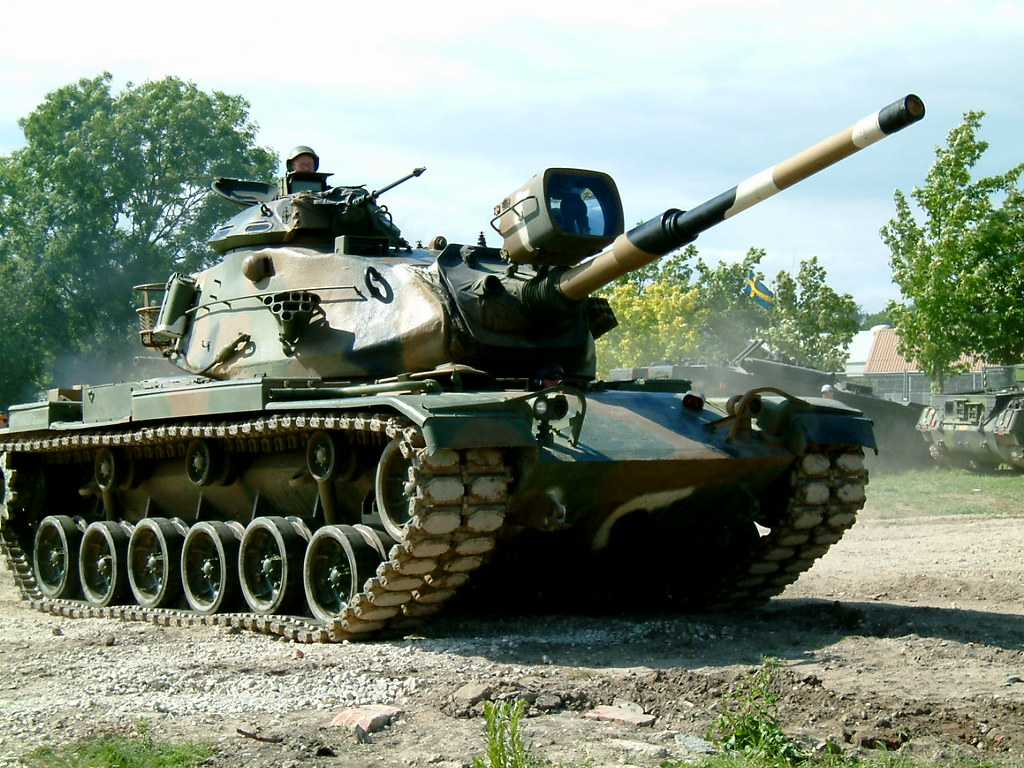
Year after year, the Abrams got heavier and bigger as new technology was added on—more advanced sensors, additional armor, more potent guns. Year after year, that weight mushroomed above 72 tons, and it began to cause significant issues in logistics and mobility.

Army commanders, including Under Secretary Gabe Camarillo and Major General Glenn Dean, cautioned that if the Abrams continued to expand, it had the potential to become more of a liability than a warfighting force. Something new was necessary to address current threats.

And one of the most imminent dangers today is from on high. The conflict in Ukraine has demonstrated how susceptible tanks are to drones and loitering munitions. While the Abrams remains a behemoth in tank-on-tank combat, it’s much more vulnerable to these air attacks. That’s why Brigadier General Geoffrey Norman and the Next-Generation Combat Vehicle team are redesigning the Abrams with advanced drone and electronic warfare protections.

So what’s so different about the M1E3? The most significant difference is its modularity. Rather than adding upgrades on top of an old frame, the new Abrams will be constructed on an open systems architecture. That means everything from its armor to its onboard software can be replaced or upgraded more easily and affordably as technology changes.

There is another dramatic weight reduction. The SEPv4 weighed an estimated 73 tons, but the Abrams will be significantly slimmer. The Abrams X prototype, built by General Dynamics, is approximately 59 tons and features a hybrid-electric engine. That’s not simply a matter of fuel efficiency—it also enables the tank to fire while in silent watch mode, reducing its visibility and burden on fuel convoys.

Within, the advances continue. An unmanned turret with a factory-installed autoloader is being explored, potentially bringing the crew down to three. This saves room, pounds, and soldiers’ lives inside the vehicle. In addition, AI systems are being developed to assist in identifying and prioritizing threats in a hurry, providing crews with the advantage in high-speed combat scenarios where information saturation can be lethal.

Survivability is also being addressed. Rather than adding protection as an afterthought, the M1E3 is being designed from the ground up with active defense systems and modular armor. The tank will be equipped with an active protection suite to shoot down missiles, RPGs, and drones before they ever reach it. It’s also being designed to reduce its thermal and electronic signature, so it’s more difficult to target in the first place.

But the M1E3 is more than an improved tank. It symbolizes a wider change in how the Army is gearing up for future conflict. Instead of pushing old platforms to their limits, the new emphasis is on adaptive, technology-based designs that can shift rapidly to address emerging threats.

This line of thinking carries over to tanks. The Army is also spending money on next-generation infantry fighting vehicles, sophisticated drones, long-range precision munitions, and more powerful electronic warfare. Even maintenance is changing—toward condition-based maintenance that tracks a vehicle’s true condition, rather than adhering to fixed service intervals. Preliminary tests indicate this method keeps more vehicles mission-ready without compromising safety.

Ultimately, the M1E3 Abrams is more than an update—it’s a declaration of purpose. Its lighter construction, more intelligent systems, and cutting-edge design make it designed to keep the Abrams brand out front in armored warfare. If the Army’s wager pays off, the M1E3 will not only bear America’s most iconic tank’s legacy—it will redefine it for future battles.