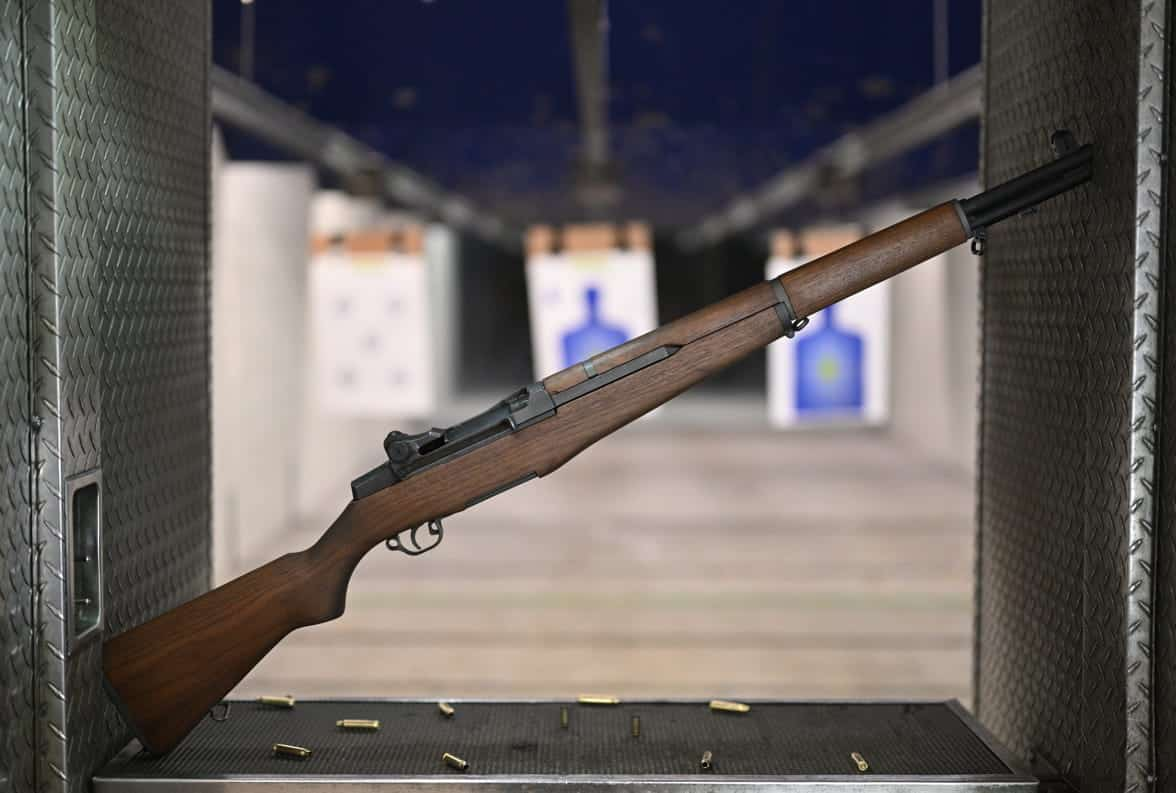

The history of the M1 Garand is a tale of inspired innovation, ceaseless ingenuity, and irrevocable influence on the battlefield. When Canadian-born engineer John Garand showed up in Springfield Armory, Massachusetts, he was handed a challenge that would revolutionize infantry combat: create a rifle that could surpass the aging bolt-action Springfield M1903. Garand’s path—from textile mill laborer and gun enthusiast to one of history’s greatest weapon designers—is a testament to the power of talent, ingenuity, and perseverance to forge a legend of the military.

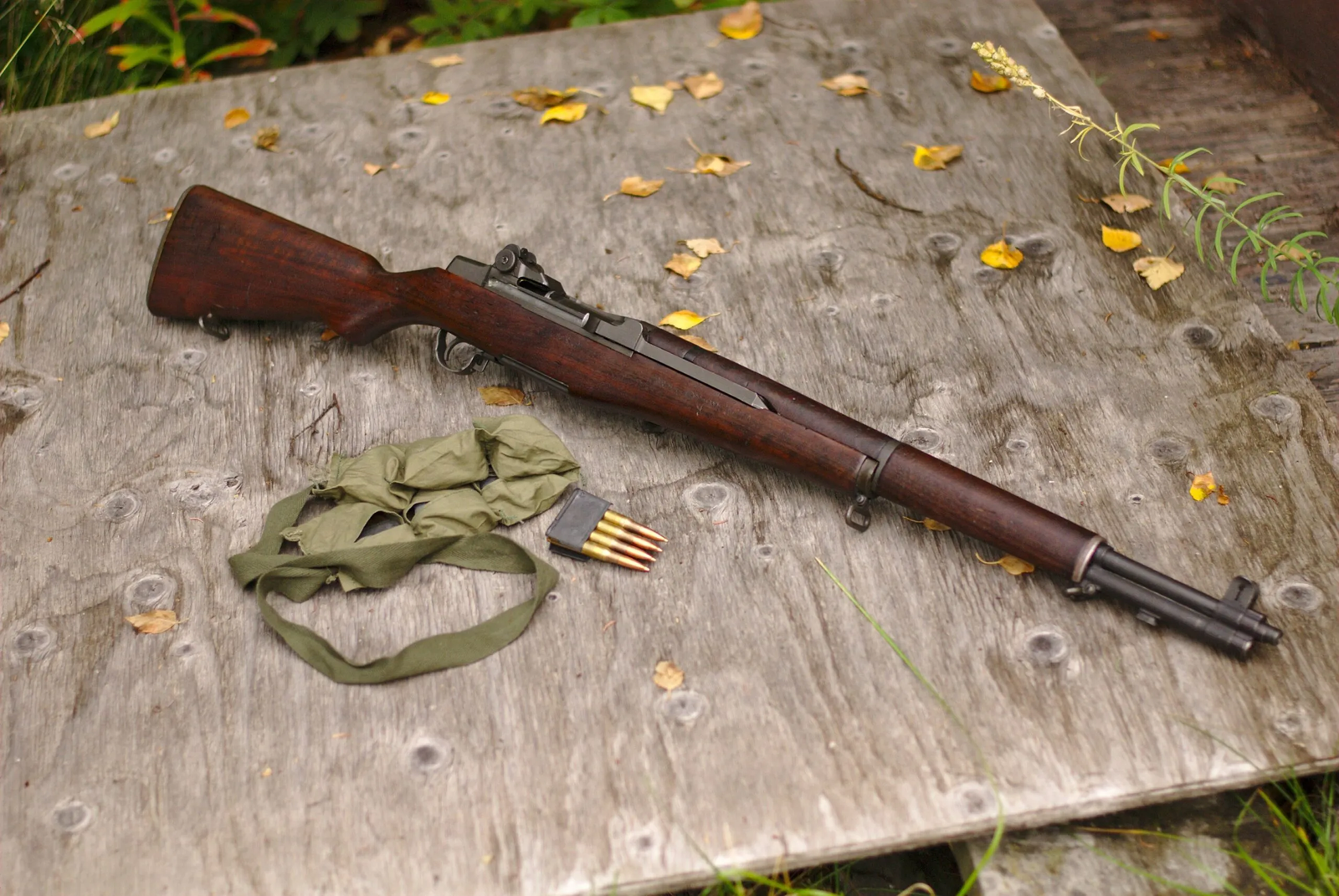
Garand’s answer was simple and utilitarian: a gas-operated semi-automatic rifle in .30-06 Springfield cartridge. At the core of the M1 was a long-stroke piston system that utilized gas from a spent round to operate the action, eject the spent casing, and chamber the next bullet—all instantly. This made it possible for soldiers to fire eight rounds in rapid succession without having to touch the bolt, a huge improvement over the slower, bolt-operated rifles of the day.

Its en-bloc clip that held eight rounds and made the now-iconic “ping” when expended became both practical and a bit of battlefield legend. Some believed the sound signaled enemies to beware an unloaded rifle, while veterans say it mostly reminded the gunner to reload.

The M1 Garand was surprisingly well-balanced for its time. Weighing about 9.5 pounds and measuring 43.6 inches long, it was rugged yet handled easily. Its iron sight, with rear aperture and front post, provided precise fire out to 500 yards.

Troops could field-strip it in seconds without equipment—an extremely valuable plus on the battlefield. Seasoned troops could achieve rates of 40 to 50 rounds per minute, a rate much greater than that of bolt-action rifles, imparting an unshakable advantage to American infantry.

When America joined World War II, Springfield Armory increased production to support the demands of a world war. When operating at maximum efficiency, the plant had a rate of producing 1,300 rifles per shift, and more than 5.4 million M1 Garands had been produced by the time the war was over.

It soon became standard equipment for American troops, with the Marines fully adopting it in 1944. General George S. Patton famously referred to it as “the greatest battle implement ever devised,” something shared by numerous soldiers who relied on it during combat.

The Garand’s strengths were evident on the battlefield. From Normandy’s hedgerows to the Pacific islands, American soldiers were able to lay down sustained, accurate fire while their adversaries—usually equipped with bolt-action rifles such as the German Karabiner 98k or Japanese Type 99 Arisaka—were hard-pressed to counter. Its ability to function in harsh environments, from muddy trenches to frigid Korean winters, further solidified its reputation. General Douglas MacArthur commended its performance under the harsh combat on Bataan, with comments regarding its ability to withstand dirt, dust, and the elements.

Against modern rifles of its time, the M1 was groundbreaking. The Springfield M1903, as accurate as it was, could not compare to its rate of fire. The Kar98k and Type 99, likewise, were outclassed in terms of speed and functionality. Even the semi-automatic Soviet SVT-40 suffered from reliability and poor adoption. The Garand’s balance of firepower, accuracy, and ruggedness provided U.S. infantrymen with a distinct superiority and caused opponents to reassess their strategy, with others actually looking for captured Garands to augment their stores.

The M1 Garand’s impact did not cease with World War II. Although officially supplanted by the M14 in 1957, it continued in use for years, being used in such conflicts as Vietnam and the Bay of Pigs Invasion. Its design breakthroughs—particularly gas operation and clip-fed loading—influenced the next generation of military rifles. The Garand is now both a collector’s prize and a ceremonial tradition, from honor guards to competitive shooting competitions. Civilian groups continue to keep their legacy alive, keeping the rifle’s history relevant to generations to come.

In the end, the M1 Garand is not just a gun—it is a testament to ingenuity and battlefield utility. It revolutionized the way soldiers fought, the way armies were armed, and the way war itself progressed. To anyone learning about the history of guns, the Garand is still the standard by which all other battle rifles are measured: reliability, firepower, and its indelible imprint on history.