
Syria in 2018 was a stage of shifting allegiances, shadowy actors, and high-stakes military missions. Among the numerous battles then fought, the Battle of Khasham was perhaps the most savage clash between American soldiers and Russian-backed mercenaries since the Cold War. It was a night when doubt was the principle of the day, hazard was ubiquitous, and the stakes went far wider than Deir ez-Zor’s oil fields.

The Wagner Group, a mysterious mercenary collective building a reputation for raw efficiency, had been operating in Syria since 2015. Its purpose was both strategic interest and economic motive, including the securing of oil and gas production. The belligerent behavior of Wagner was at first seen as a way to aid local allies, but soon it brought resentment and made local politics complicated.

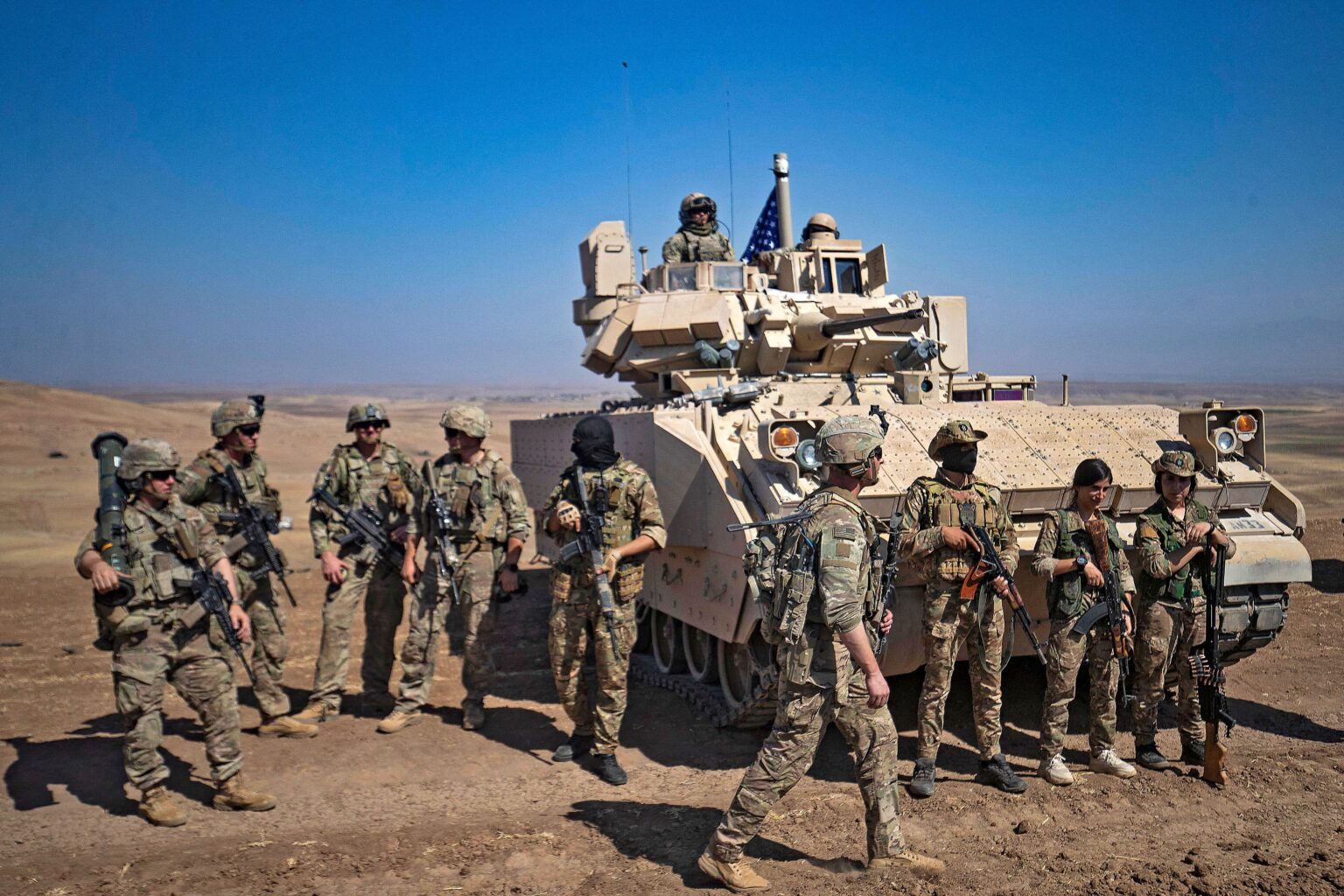
By February 2018, the U.S. had opened a small but strategically located outpost at the Conoco gas plant, just north of Khasham. The station was manned by about 30 special operations soldiers—Delta Force, Army Rangers, and Air Force Combat Controllers—along with Kurdish SDF forces. The Euphrates River served as an informal line of demarcation, with U.S.-backed forces on one side and Russian-backed forces on the other. There were great tensions, and both understood the stakes in the region’s lucrative oil fields.

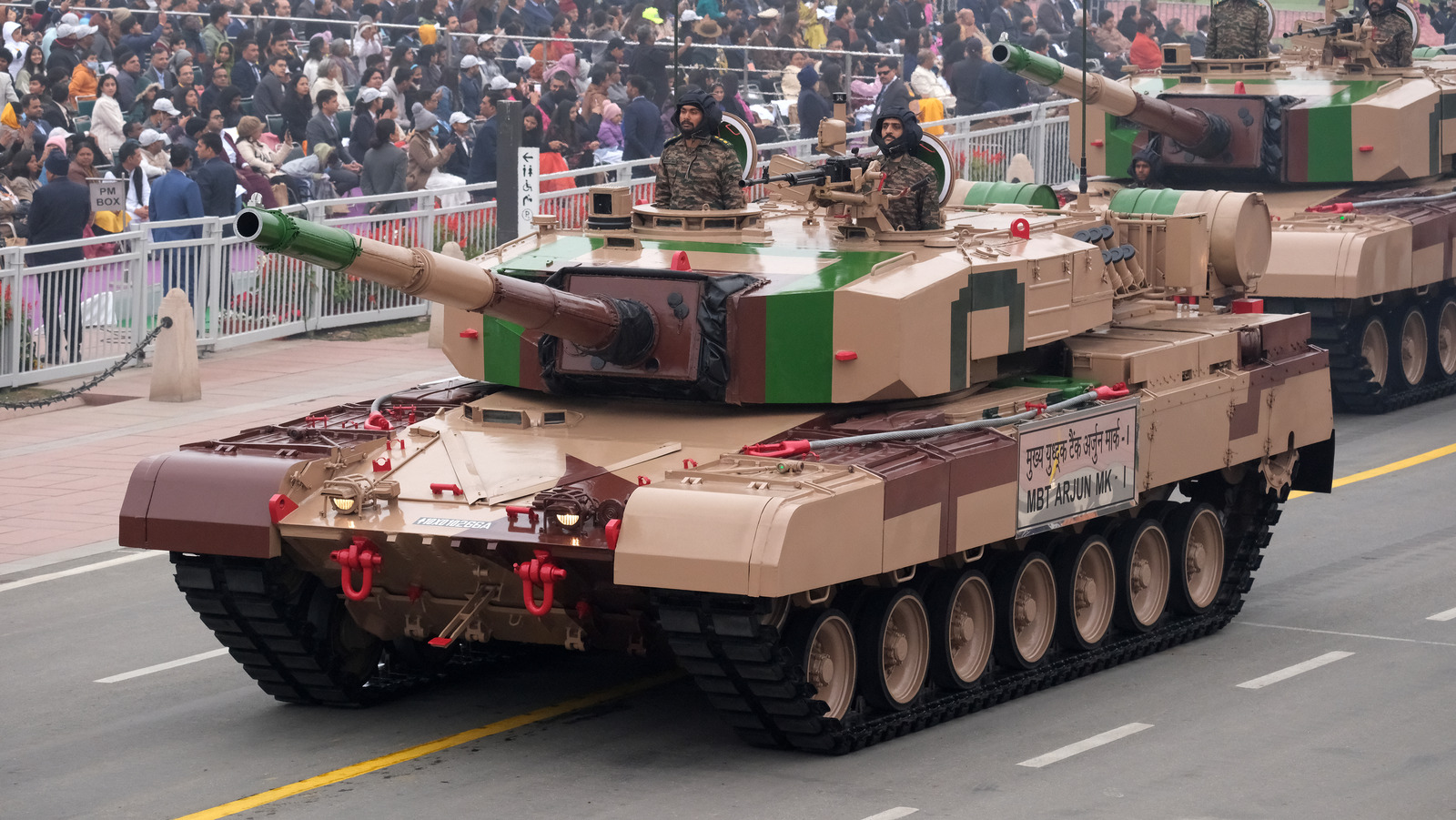
In the evening of February 7, tension at last burst into all-out war. More than 500 Wagner mercenaries and allied fighters, supported by armor and artillery, assaulted the American position in a concerted attack. Outnumbered and outgunned, defenders scattered for safety as mortars and machine-gun fire shredded the compound. Radio waves crackled with frantic calls, explosions lit up the night sky, and smoke and dust clung to the air.

Special Forces soldiers later described the scene as “like New York City on New Year’s Eve… the most chaotic battle I’ve ever witnessed.” Reinforcements from a quick reaction force—a mix of Green Berets and Marines—raced through dark, cratered roads to reach the besieged outpost. The SDF fighters, lacking night vision, had to turn back under heavy artillery fire, leaving the Americans to hold the line largely on their own.

Although they were outnumbered, defenders used discipline, training, and technology in their favor. Remote .50 caliber turrets with thermal targeting allowed them to kill approaching mercenaries with precision. A Green Beret recalled watching sparks emanate from impacts with metal and feeling in real time as if they were taking serious tolls on the enemy.

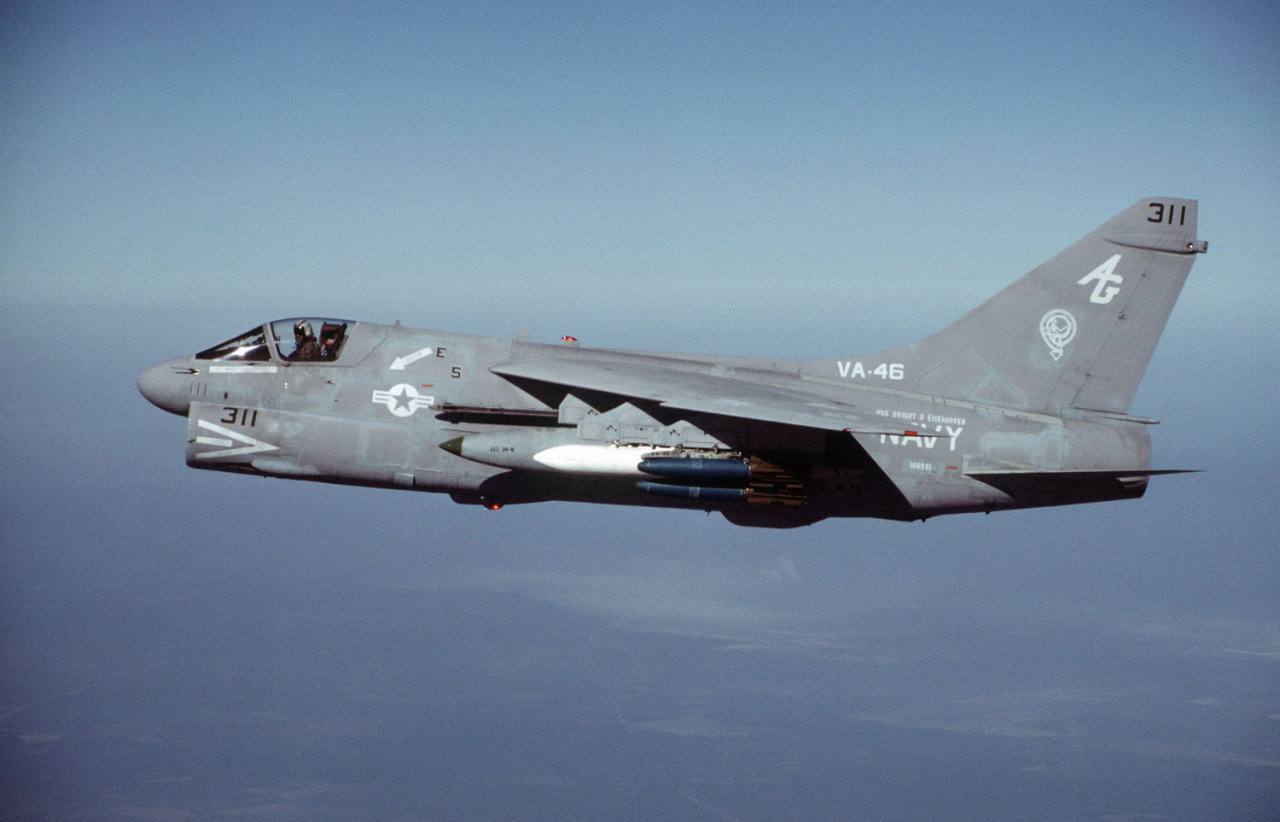
The balance tipped in favor of the defenders when U.S. air power descended into battle. F-15E Strike Eagles, AH-64 Apache gunships, MQ-9 Reaper drones, AC-130 gunships, and even B-52 bombers descended upon the attacking forces, showering them with destruction. The combined onslaught was devastating; both sides’ accounts drew the picture of hundreds of mercenaries killed and dozens of vehicles reduced to smoldering wrecks, leaving the battlefield in ruins.

In the meeting, U.S. officials communicated with Russian officials using a deconfliction hotline to confirm no regular Russian troops were being engaged prior to using complete airpower. With this confirmed, Wagner’s surface-to-air facilities were reported to have been powered down, and American planes flew with minimal risk.

Heavily uneven casualties were reported. 100 to 300 of the invading mercenaries were estimated killed, and hundreds more wounded, while only one American soldier got a minor wound among coalition fighters. The field was littered with wrecked tanks, burning automobiles, and the carnage of a repelled attack. Leaked internal documents from Wagner personnel described the defeat candidly, with one mercenary admitting, “They completely wiped us out.”

Tactically, the war exposed proxy war’s vulnerabilities and the value of highly disciplined troops with advanced technology. The accuracy of American weaponry to repel a much greater force with targeted precision established the template for textbook asymmetric warfare today.

For Wagner Group, Khasham was the tipping point. Their rampage, unbridled and relying on opportunity-driven tactics, cs eventually disintegrated at the hands of backlash, internal disagreement, and shifting patronage by their patrons. Wagner’s grip in Syria eventually faded, which prompted a rethinking of the deployment and operations of mercenaries in complex conflicts.

Today, the Battle of Khasham is a poignant reminder of the unpredictability of war in the contemporary era. While the U.S. has scaled back its presence at Mission Support Site Euphrates, transferring bases to local partners and focusing on ongoing security operations, the lessons of that evening—gallantry in battle, the revolutionary impact of technology, and war’s ever-changing nature—still shape military planning across the world.