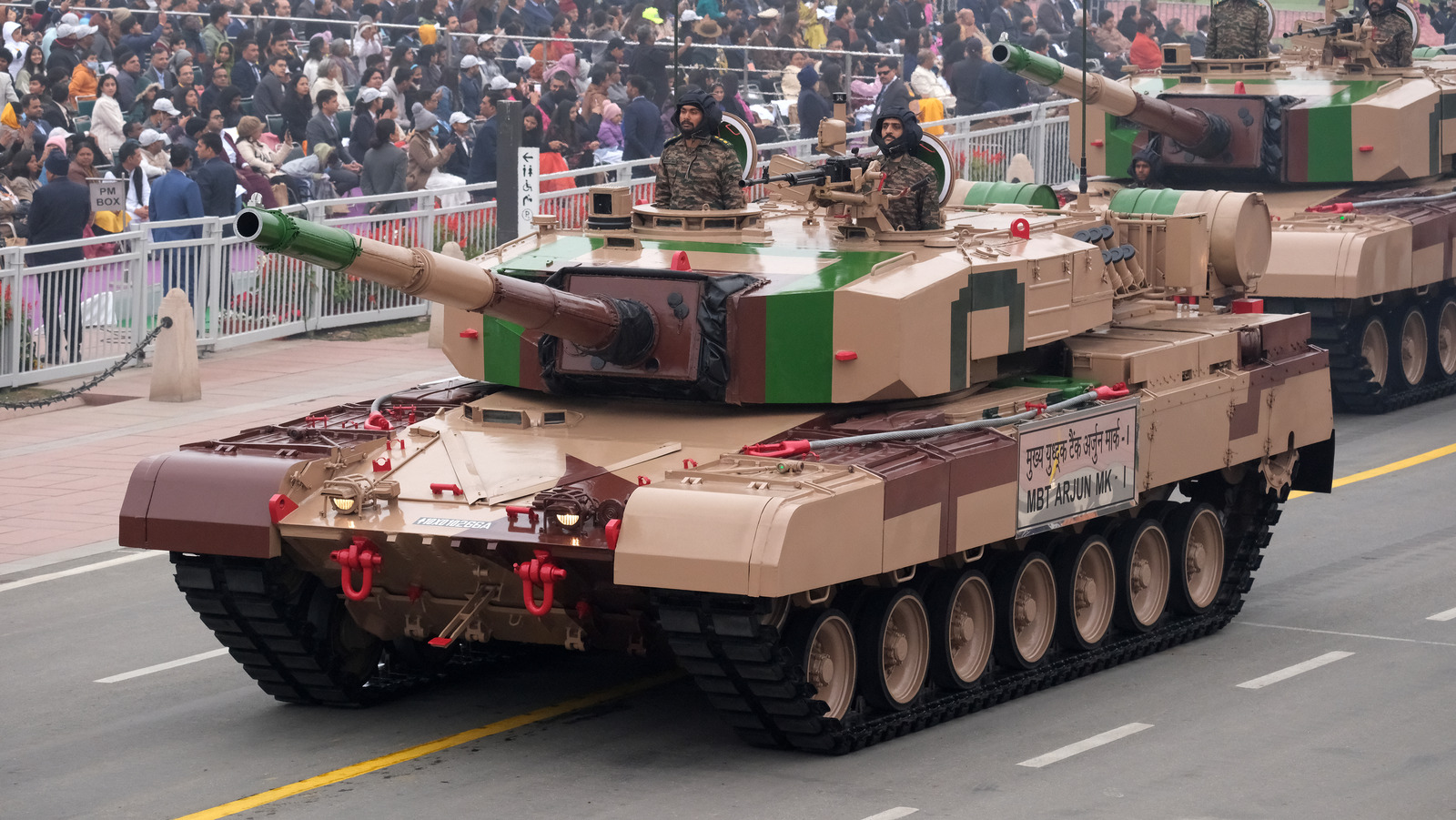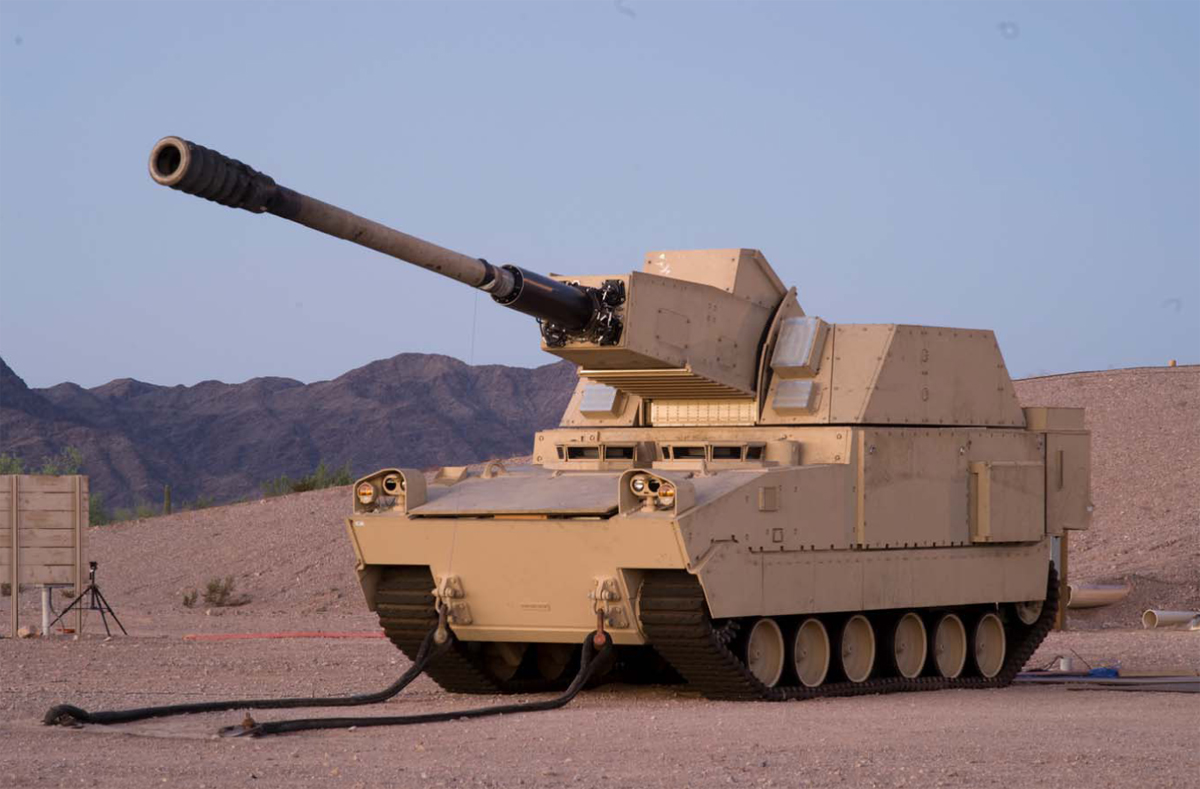

Around the beginning of the 21st century, the United States Army embarked on a daring mission: it wanted to redesign the battle tank. The ambition of the project was epitomized in the XM1202 Mounted Combat System concept, which was supposed to be a new generation of M1 Abrams combining pace, artillery, and advanced technology. However, the XM1202 was not only a tank—it was the core of the sweeping Future Combat Systems (FCS) program, a plan intended to transform the Army into a lighter, faster, and completely networked force.

Launched in 1999 under the leadership of General Eric Shinseki, the FCS concept centered on a family of armored vehicles that could share a basic structure. The idea was straightforward enough: common parts would simplify repairs, reduce logistical issues, and facilitate moving the fleet even with a small transport like the C-130.

The XM1202 was one of eight types of crewed vehicles that were going to be designed with different battlefield roles but coordinated by shared parts and a single digital backbone.

Besides the fact that the XM1202 was a tank, what made it distinguished was the technological juthatich, at that time, seemed like science fiction to most people. Its XM360 light 120mm gun was not only able to shoot the common tank rounds, but it was also designed to launch guided missiles. Together with the XM1111 Mid-Range Munition, it gave the possibility of hitting opponents that were deeply concealed and beyond the direct line of sight, ht which, theoretically, might have revolutionized armored warfare. Another big step in automation was the autoloader that took care of ammunition, which reduced the crew to a driver and a commander.

Electronics were also a major aspect. The use of advanced infrared sensors and digital networking made the battlefield view unprecedented. Some defensive measures, such as Raytheon’s Quick Kill, were developed to shoot down the attackers in the middle of the air path, a protection against the lighter armored XM1202. Despite the weight of 18 to 24 tons and the fact that it was far simpler to transport than the Abrams, many were still skeptical about its ability to support hard fire.

That equilibrium between speed, firepower, and survivability, in the end, was the reason for its failure. It appeared that the planners had greatly underestimated the difficulties of building a light tank that would still be able to pack a powerful punch. Many of the talked-about technologies were still only at the stage of prototypes, and blending all of them in one operational system resulted in technical problems that could not be resolved timely manner.

While all the above was taking place, the conflicts in Iraq and Afghanistan were reshaping the situation and priorities. The use of improvised explosive devices and roadside bombs was wreaking havoc, and the military was in dire need of blast-proof vehicles for the soldiers. Although the situation made light tanks such as the XM1202 appear irrelevant, focus was moved to the heavily armored MRAPs that were better able to withstand attacks in the field.

What is even worse is that money and politics were other factors, which, in addition, made the program suffer. The FCS project incurred enormous costs and was notorious for giving very little in return. As of 2009, with more than $18 billion spent without a single combat-ready vehicle being produced, the program was canceled.

The first ones to be affected were trials with high-risk profiles and uncertain utility of XM120,2, such as the case after Defense Secretary Robert Gates finally called for the end of FCS. The fact that major contractors like Boeing, BAE Systems, and General Dynamics were all involved in the project only made it more complicated and inefficient.

When Defense Secretary Robert Gates decided to stop the FCS program, the Army decided to resolve the issues with what had been tried and tested instead of taking the risk with innovations. It was considered more practical and safer to improve the Abrams and Bradley rather than going after the unproven concepts. It was a decision based on realism—using what was currently available rather than waiting for the day when something might work.

Nonetheless, XM1202’s impact extends beyond simply the blueprints. The cutting-edge technology that the latter necessitated, ranging from networked communications to active defense systems and lighter armor material, has found its way into various programs. In fact, its greatest inheritance could be the reminder that every daring idea must always be carefully weighed against practical and reality-grounded concerns. That message continues to have the Army’s effect on future developments in armored vehicles.