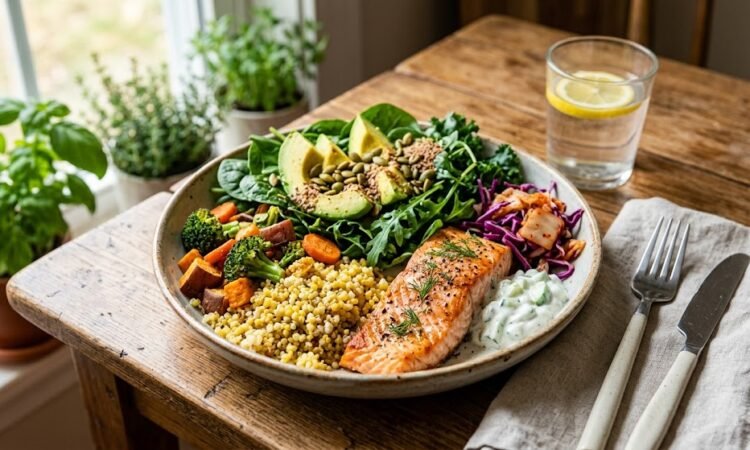
If you are struggling with unpredictable midday fatigue, sudden mood shifts, stubborn weight adjustments, or poor sleep quality, your body might be trying to tell you something important, as your endocrine system is out of reach. In this article we are discussing on the most important hormone balance diet.
In today’s faster world, it is very easy for our internal body chemistry to make it un-stable. Hormones function are your body’s very important chemical messengers, traveling through your blood veins to convey your tissues and organs to what to do exactly. When they are stable, you may feel happy, focused, and metabolically strong. When they are disturbed, then even by a small fraction, it can trigger a cascading physical, mental, and emotional traumas.
Fortunately, your plate is one of the most powerful, immediate tools you have to stabilize these symptoms. A targeted hormone balance diet isn’t a restrictive weight-loss diet or a temporary detox, it is a science-backed, nutrient-rich lifestyle diet. By understanding how specific foods interact with your body’s biology, you can fuel hormone synthesis, improve cellular insulin sensitivity, and smooth out natural metabolic shifts with confidence.
- The Core Hormonal Triggers such as Insulin, Cortisol, and Sex Hormones
To effectively use food as a health stabilizing tool, it helps to understand the core hormonal support that impacts your daily physical symptoms, mood, and body energy levels. While dozens of hormones governs our human biology, three primary systems are heavily influenced by your daily nutritional needs.
- Insulin, The Metabolic Gatekeeper
Produced by the pancreas, insulin allows your cells to absorb glucose from the food you eat to use for energy. Every time you consume highly refined carbohydrates, sugary treats, or sweet beverages, your blood sugar spikes, forcing a massive release of insulin. Over time, constant spikes cause your cells to desensitize themselves to the signal, a condition known as insulin resistance. When this happens, your body stores fat more efficiently, particularly around the abdomen, while leaving your muscles and brain starving for energy, which may leads to severe energy crashes and uncontrolled sugar cravings.
- Cortisol, The Adrenal Stress Messenger
Your adrenal glands produce cortisol to manage your body’s stress response, blood pressure, and natural sleep and wakeup cycle. In a balanced condition, cortisol peaks in the morning to help you wake up and tapers off at night. However, modern stressors, such as skipping breakfast, relying depend on caffeine, or enduring chronic mental stress, which keeps cortisol level chronically on higher side. High cortisol actively signals your body to hold onto visceral fat, suppresses your immune function, breaks down lean muscle tissue, and directly disrupts sleep, critical melatonin production.
- Estrogen & Progesterone, The Reproductive Equilibrium
For individuals navigating monthly cycles or transitional phases such as perimenopause, these two hormones require a delicate balance. Estrogen builds the uterine lining and supports bone health, while progesterone acts as a natural calming agent. If your diet lacks important structural building blocks, or if sluggish elimination pathways prevent your body from clearing metabolized hormones, an imbalance happens. This often leads to estrogen dominance or low progesterone, resulting in a heavy cycles, persistent adult acne, brain un-clarity, and severe mood shifts.
- Blueprint of a Hormone-Balancing Plate
Stabilizing these chemical ways simultaneously does not require a complex diet. Instead, the most sustainable strategy relies on building every main meal around three essential, foundational components that work in co-ordination to regulate your metabolism.
How The Hormone-Balancing Plate is made of:
- High-Quality Proteins 2. Healthy Dietary Lipids 3. Complex Fiber-Carbs
(25-30g per meal for synthesis) (For cellular & hormone synthesis) (For steady blood sugar)
High-Quality Proteins for Hunger relief & Peptide Synthesis
Hormones are structurally synthesized from amino acids derived from the protein you eat. Consuming adequate protein, especially during your first meal of the day, stabilizes blood sugar early on and effectively blunts afternoon cortisol spikes. Protein also triggers the release of satiety hormones like peptide YY (PYY) and cholecystokinin (CCK), telling your brain that you are full. Aim for diet with 25 to 30 grams of protein per meal from natural food sources:
- Pasture-Raised Eggs: Rich in choline and high-quality protein to support liver pathways.
- Wild Fatty Fish: Salmon, mackerel, and sardines provide required amino acids alongside anti-inflammatory fats.
- Plant-Based Powerhouses: Lentils, organic edamame, chickpeas, and tempeh.
- High-Quality Dairy/Alternatives: Greek yogurt, paneer, or organic hemp protein mixes.
Healthy Fats as Hormonal Building Blocks
Steroid hormones, including estrogen, progesterone, and testosterone are literally made from cholesterol and dietary lipids. Low-fat diets often accidentally starve the endocrine system, which leads to missing cycles, dry skin, and a lower metabolic rate. Add these healthy lipids in your daily diet, to ensure smooth hormone production:
- Avocados: Packed with monounsaturated fats and potassium, which assist in managing daily cortisol levels.
- Raw Seeds (Flax, Chia, Pumpkin): Pumpkin seeds are best sources of zinc, which is essential for progesterone production. Flaxseeds contain plant based compounds which is called lignans, which collects the excess estrogen in the digestive tract and help to safely clear it from your body.
- Extra Virgin Olive Oil & Ghee: Loaded with antioxidants and anti-inflammatory compounds that improve cellular sensitivity.
Complex, Fiber-Rich Carbohydrates
You do not need to reduce carbohydrates from your diet to achieve total hormone balancing. In fact, aggressive, zero-carb diets can actively stress your thyroid glands, lowering the conversion of the inactive thyroid hormone T4 into the active form T3, which slows down your metabolic rate. The trick is to choose complex carbohydrates that digest slowly, and provides stable body energy without triggering sharp insulin spikes:
- Grains & Millets: Jowar, bajra, ragi, brown rice, and quinoa.
- Root Vegetables: Sweet potatoes, beets, and carrots.
- Low-Glycemic Fruits: Antioxidant rich berries such as blueberries, blackberries, raspberries provides fiber without a major sugar spiking.
- Targeted Micronutrients, The Secret of Managing Metabolic Shifts
Above the regular important macronutrients, which supports your liver and gut is very important, because these two systems act as the primary filtration and detox process for consumed hormones by our body processes. If your liver is loaded or your gut microbiome is imbalanced, old hormones can get reabsorbed back into your blood veins, and may cause physical symptoms to open up.
- Sulforaphane & Indole-3-Carbinol: Found enough in cruciferous vegetables such as broccoli, kale, Brussels sprouts, and cabbage. These compounds directly helps Phase II liver detoxification, ensuring excess estrogen is broken down via safe, non-reactive metabolic pathways.
- Magnesium: Often it is referred as the anti-stress mineral, magnesium regulates the hypothalamus pituitary adrenal (HPA) axis to keep cortisol under control. It also supports better sleep, eases menstrual pain and stomach cramps, and improves insulin sensitivity. It is found in spinach, Swiss chard, pumpkin seeds, and dark chocolate with 70% or higher cocoa.
- The Estrobolome Support (Probiotics & Prebiotics): The Estrobolome is a specific bacteria in your gut, which is responsible for metabolizing and modulating the body’s circulating estrogen. Nourish it with fermented foods such as kimchi, kefir, and sauerkraut, alongside prebiotic fibers found in garlic, onions, leeks, and slightly green bananas.
- Iodine, Selenium, & Zinc: These small minerals are very important for better thyroid function, ensuring your basal metabolic rate, which keeps you active and your energy remains consistent throughout seasonal or lifecycle changes. Brazil nuts, just 1 or 2 a day provides your daily selenium required to your body, seafood, and seaweed are excellent sources.
- A Sample Daily Template for Steady Energy
To see how these elements combine in real life, look at a standard, easy-to-prep daily structure designed to anchor your morning cortisol, maintain midday focus, and encourage deep evening rest:
- Morning (7:00 AM – 8:30 AM): Anchor Your Cortisol: Focus: Protein & Healthy Fats.
Avoid drinking caffeine on an empty stomach, which shocks your adrenal glands into overproducing cortisol. Start your morning with a blood-sugar-stabilizing breakfast within an hour of waking up.
Meal Option: A two- or three-egg vegetable omelet cooked in a teaspoon of ghee or olive oil, paired with half a sliced avocado and a handful of fresh blueberries.
Plant-Based Alternative: A warm bowl of oats or quinoa flakes topped with pumpkin seeds, ground flaxseeds, a scoop of clean plant based protein powder, and a small splash of unsweetened almond milk.
- Midday (12:00 PM – 1:30 PM): Fuel Your Metabolism: Focus: Fiber and Protein rich Food.
Your digestive capacity naturally peaks in the afternoon. Eating a balanced, filling meal helps to prevent the classic 3:00 PM energy crash and stops late-night sugar cravings before they start.
Meal Option: A large bowl of mixed leafy greens and shredded purple cabbage topped with grilled wild salmon, baked chicken breast, or sautéed organic tofu. Tossed in a roasted sweet potatoes or quinoa, and garnished with an extra virgin olive oil and lemon vinaigrette.
- Evening (6:30 PM – 7:30 PM): Support Overnight Repair: Focus: Easy Digestibility.
Keep dinner slightly lighter and lower in heavy starches to allow your body to shift its focus away from heavy digestion and toward cellular repair, tissue recovery, and melatonin production.
Meal Option: Baked white fish or a comforting, fiber-rich lentil dal paired with steamed broccoli florets, stir-fried zucchini, cauliflower rice, and a small side of cooling cucumber raita.
Prioritizing the Lifestyle Connection, which is connected with a targeted hormone balancing diet, which works amazingly, but it does not works in a vacuum. You can eat a perfectly improvised meal plan, but if you are constantly running on high psychological stress and minimal sleep, your body will continuously prioritize cortisol over reproductive harmony and metabolic efficiency.
To experience the full benefits of this nutritional approach, add your food plates with a best supportive lifestyle. Prioritize seven to eight hours of quality sleep, stay properly hydrated with clean water throughout the day, and add low-impact, stress-reducing movement like strength training, walking in nature, or restorative yoga. By treating your body to consistent nutrition and intentional rest, you give your endocrine system the exact blueprint it needs for long-term health, steady energy, and true metabolic freedom.

Senior Editor, Holistic Wellness & Preventive Health
M.Sc. in Public Health Nutrition, Delhi University
Pooja Mehta joined Gymbag in 2018 with a background in public health and community-based wellness education. With over a decade of experience in nutrition strategy and preventive care, she specializes in practical, culturally-aware health tips that empower people to make long-term changes.