Why the Cooking Oil Decision Counts in between Avocado Oil vs Olive Oil
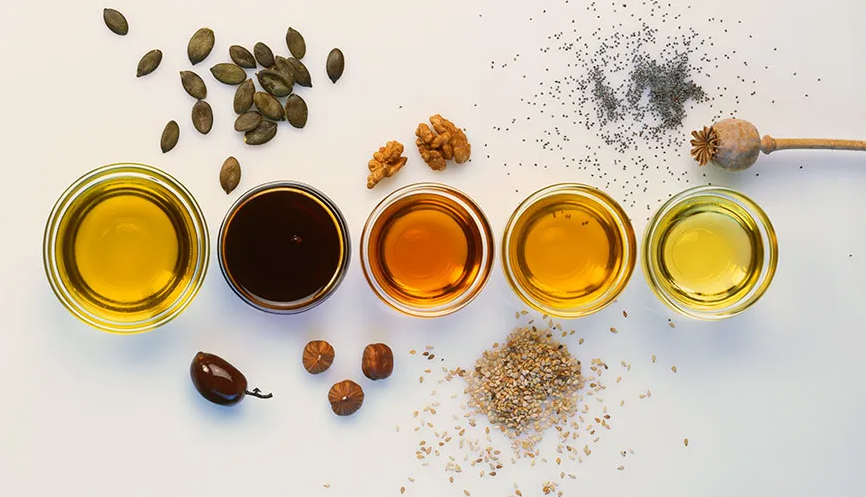
Today we see around us, that people grab what ever cooking oil available in their kitchen to sauté, roast, or bake their food. But the oil you choose can make a great difference for your health and is far more important than taste. It can influence on how healthy your food is, or how your body digests fats, and whether or not your food provide you more nutrition. The fat type can be anything, whether the oil is processed, and even the heat of your pan, all factor comes in when health matters the most. In this article we have discussed about the usage and benefits of Avocado Oil vs Olive Oil in your regular cooking, so you can choose it wisely.
Meet the Competition: Avocado Oil and Olive Oil
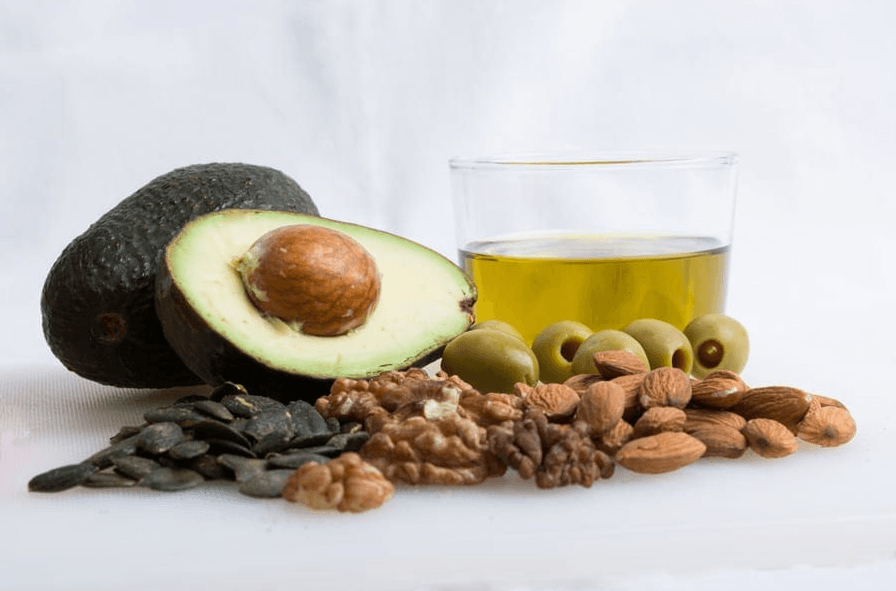
The popular oils which have taken the lead roles in kitchens across the globe in terms of health, are avocado oil and olive oil. Both are rich in good fats and antioxidants, but both have their unique strengths, usage and benefits.
How They’re Made and Why That Matters
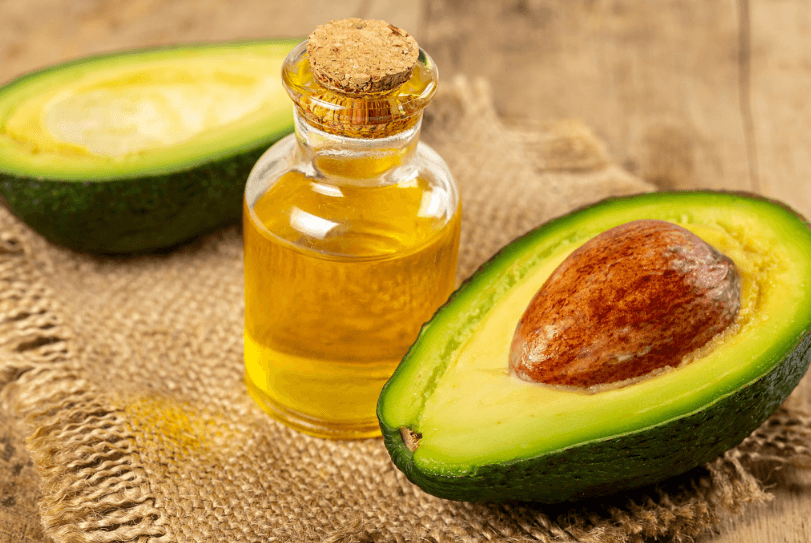
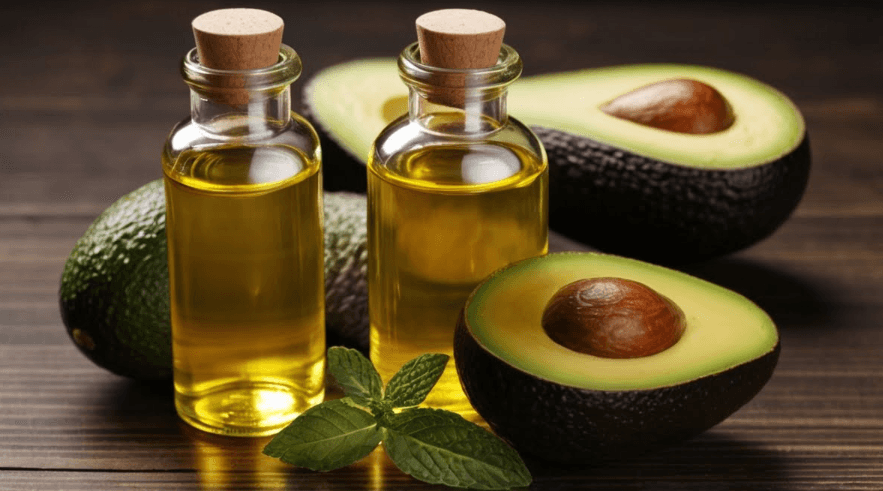
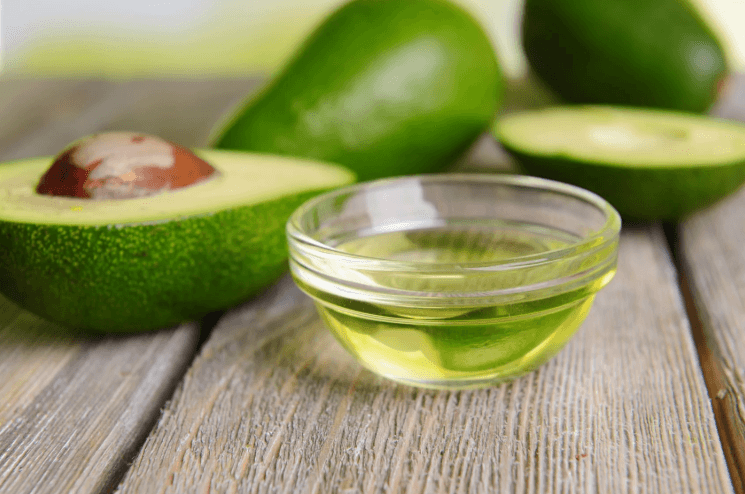
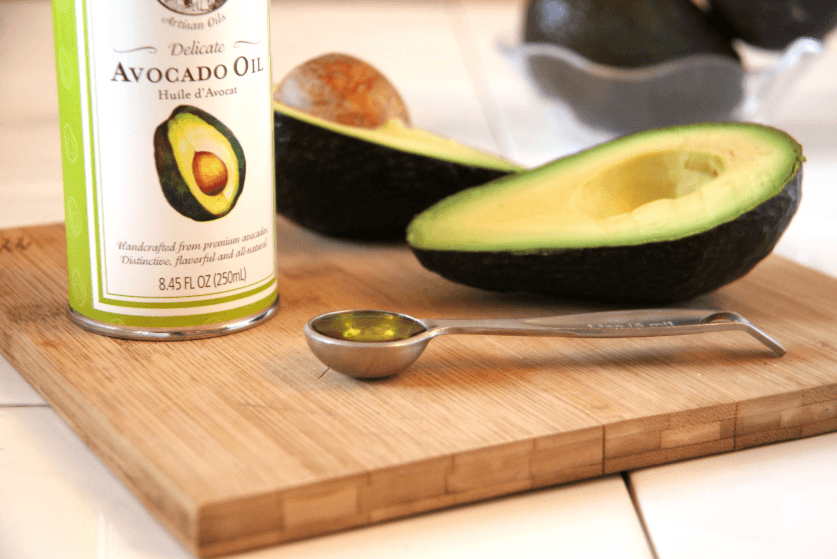
Avocado oil is produced by squeezing the creamy inner pulp of avocados. If you notice labels such as “cold-pressed” or “cold-extracted,” then you will understand that the oil was produced without heat or chemicals. That is a good thing, because processing oils with heat can remove the nutrients.
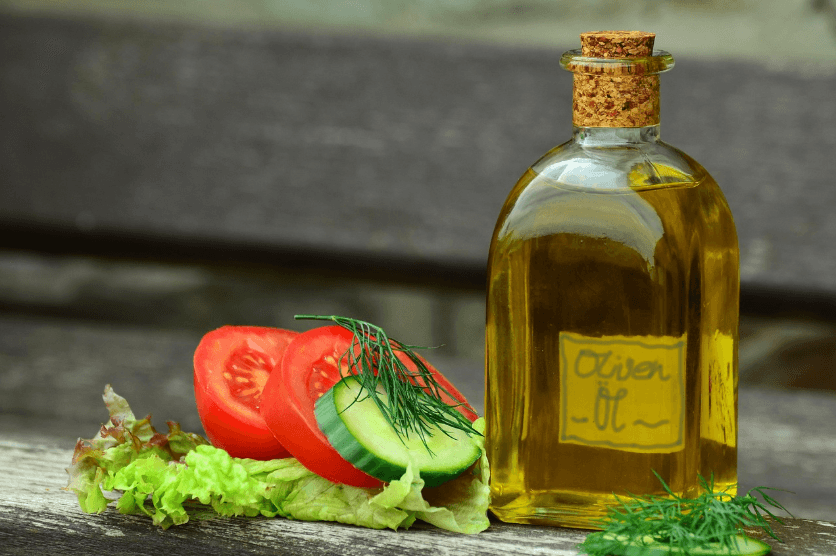
Olive oil is produced by pressurizing olives, skin and inner core intact, before removing out the oil. Extra virgin olive oil is the least processed kind, which means it retains more of its original flavor and nutrients.
Nutritional Breakdown: What’s in a Tablespoon?
Both oils contain approximately 120 to 124 calories per tablespoon, but both are different due to its fat containts. Avocado oil typically contains around 10 grams of monounsaturated fat, 2 grams of polyunsaturated fat, and around 2 grams of saturated fat per tablespoon. On the other hand, Olive oil is rich in fat but contains a bit more saturated fat which makes Avocado oil more heallthy choice for people with excess fat or cholestrol issues.
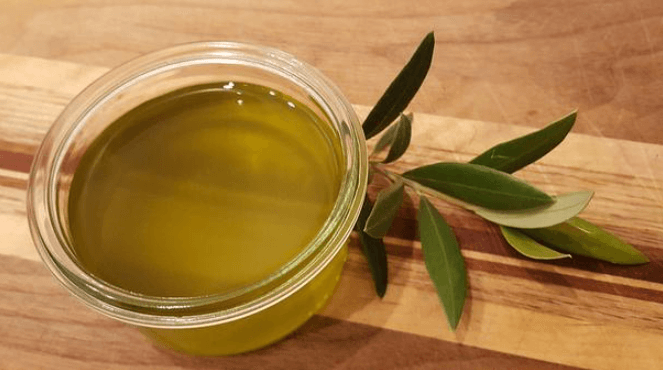
Olive oil has a bit of an advantage when it comes to vitamin E, which protects the skin and supports a healthy immune system. Both oils lack essential protein, fiber, and sodium which needs to be completed by combining it with other food products.
Health Benefits: Heart, Brain, Gut, and More
Avocado and olive oils both are teh equally best options for heart health. Nutritionists recommends avocado oil as a top choice for cooking due to its coockable fat profile. Swapping out saturated with monounsaturated fats, present in both of these oils, can reduce your heart disease risk and contribute to better body cholesterol levels.
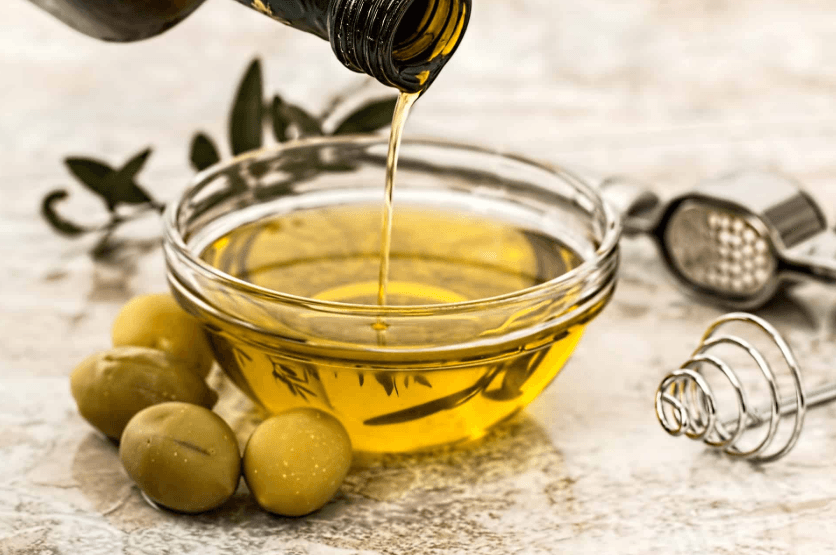
These oils also reduce levels of bad (LDL) cholesterol and can even help in better control of blood sugar levels. That’s a plus point makes it better for both diabetes prevention and heart health.
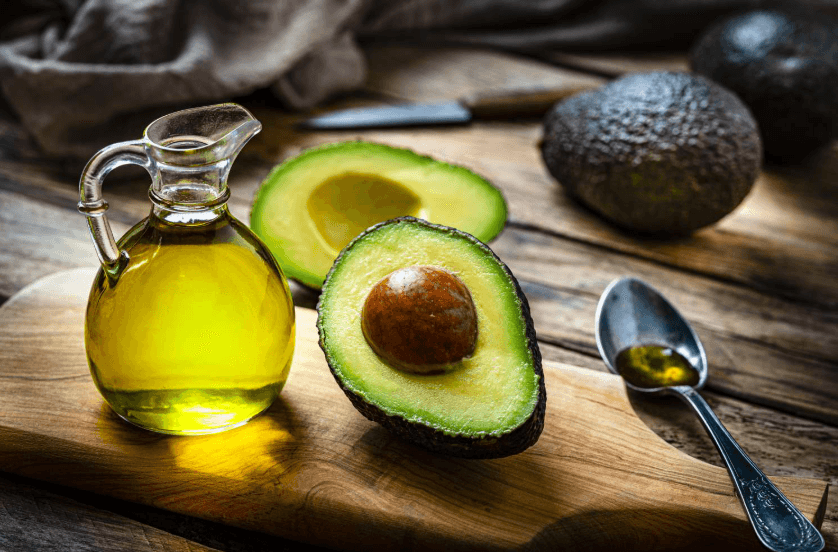
The advantages don’t end here. Both oils contain antioxidants such as vitamin E and lutein, which may be able to guard your eyes, skin, and brain. As per medical research, extra-virgin olive oil slowing down the development of Alzheimer’s disease, and since avocado oil has a comparable better composition of these antioxidents, it might provide more protection.
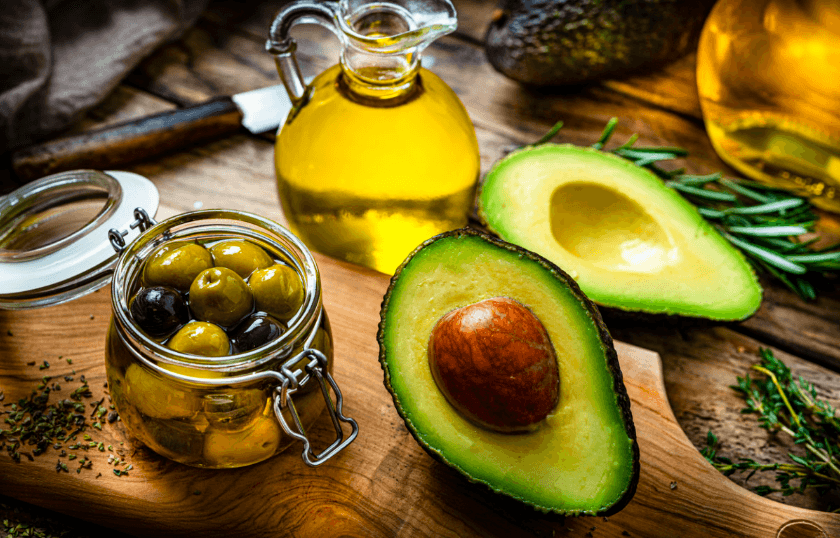
Your digestive system will be happy with both Avocado and Olive oil usage . These oils have been shown to encourage the growth of beneficial gut bacteria. And since they combat inflammation, they could also guard against chronic diseases such as cancer.
Smoke Points and Cooking Uses
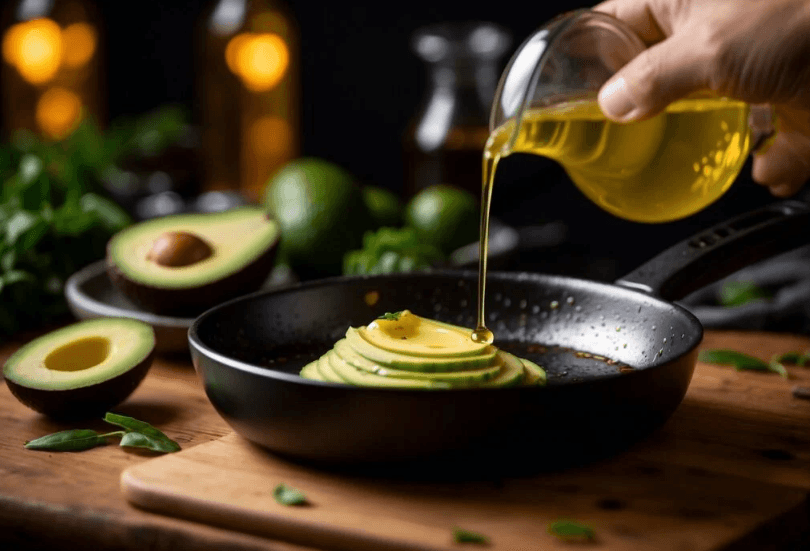
This is where it gets real. Avocado oil consists a high smoke point which is around 482°F (271°C) if not refined, and higher when it is refined. That makes it ideal for high-heat cooking such as roasting, frying, or grilling.
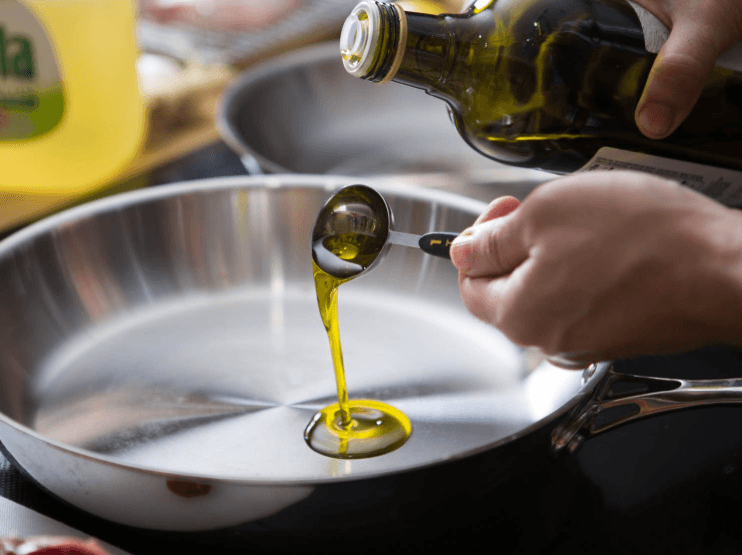
Olive oil, especially the extra-virgin olive oil, has a lower smoke point of around 376°F (191°C). But it still works well for sautéing and baking. If you’re cooking something that needs high heat, then in that case avocado oil is the safer with its high heat point. For salad dressings, gentle sautéing, or adding a flavorful finish to dishes, olive oil is better.
Taste and Culinary Versatility
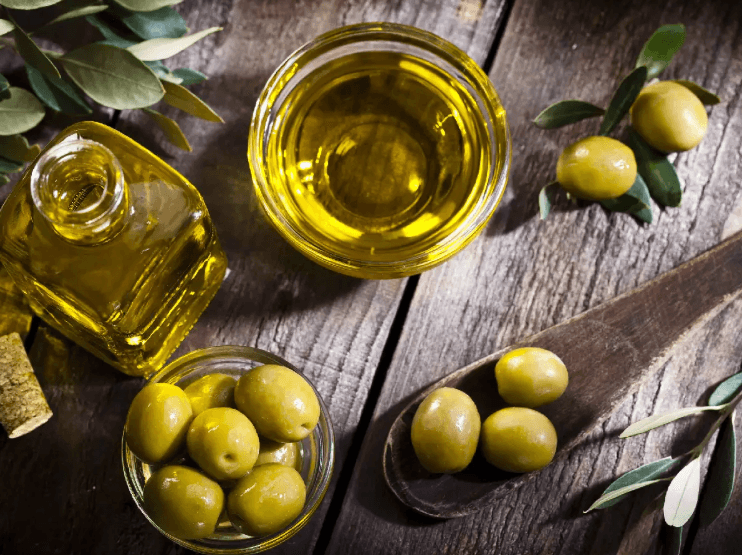
Avocado oil is gentle, with a buttery, nutty flavor. It’s a versatile oil that won’t impact to the taste of your food. Olive oil is more grassy, peppery, fruity, and bold in color, depending on where it’s been produced. If you want that your oil should add something special to the flavor of your dish, then olive oil is the best. If you’re in the mood for something neutral on taste, then can go with avocado oil.
Oils to Use for High-Heat Cooking
Not all oils are designed for heat. Fish oil, flax oil, palm oil, and walnut oil have low smoke points and can lose its nutrition at high temperatures. When that occurs, they can emit acrolein, a chemical that generate a burnt like flavor to foood and may be irritating to your lungs. It’s best to reserve those oils for cold uses, such as salad dressings, and use avocado or olive oil instead for high heat cooking.
How to Store and Purchase the Best Oil
In order to store your oil in its freshest and most nutritious form, then purchase when it comes in a dark glass container. Long exposuire of light and heat can ruin the quality of oils over the time, so keep it in a cool and dark environment, far from your stove or direct sunlight heat. Choose labels that indicate “cold-pressed” or “extra-virgin” to enjoy it with better health benefits.
Selecting the Proper Oil for Your Needs
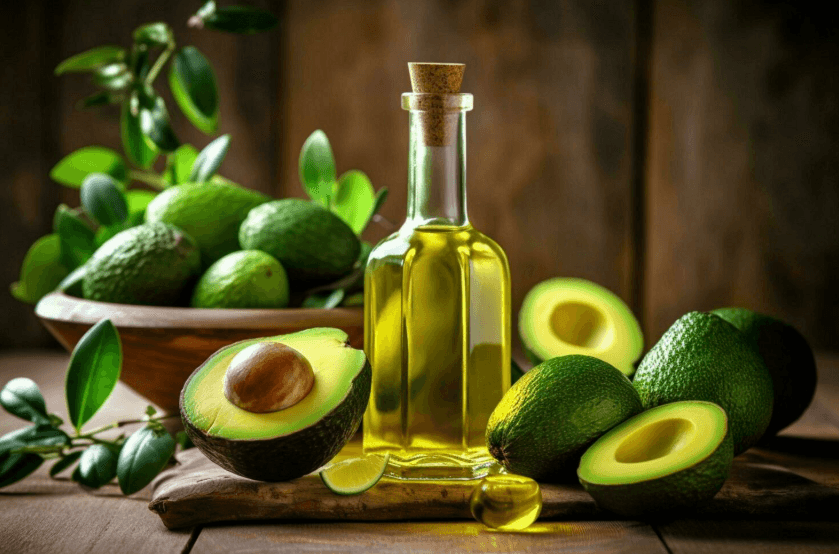
Both avocado and olive oils are great additions to your pantry. Both have wonderful health benefits, so the decision between them is often based on taste and intended use. Avocado oil is your best bet for high-heat cooking. For dressings and low-key cooking, olive oil adds an extra bit of depth and flavor. The good news? You don’t have to choose any one form them, as keeping both in your kitchen and use them in your every recipe on daily basis to gain their health benefits.

Lead Editor, Mental Health & Mindful Living
M.A. in Clinical Psychology, University of Mumbai | Certified Mindfulness Instructor (CMI)
Priya Patel joined Gymbag in 2019 and brings more than 12 years of experience as a therapist and wellness educator. Her content are mix of psychology with daily-life practices, covering topics from emotional regulation to body damage and energy loss recovery.