
Image Source: Bing Image. License: All Creative Commons
If you’ve ever experienced going under a personal connection issues and emotional stress in your relationship, which should be handled carefully with every word, every step which become a common issue with todays critical lifestyles. Dating someone with borderline personality disorder (BPD) is like living in a world where the partners emotions fluctuates without notice. One minute you’re their everything, the next, you’re the enemy for them. It’s a stressful and complex situation to handle and survive the emotional whiplash and draining, and it often leaves you wondering what you are goingg throught unknowingly.

This emotional turbulence is commonly linked with a pattern which is called as a splitting a hallmark of BPD. It’s a type of thinking where someone thoughts are either all good or all bad. No gray area, and when you’re on the receiving end of it, then the emotional whiplash is feel real.

Image Source: Bing Image. License: All Creative Commons
The Pedestal Effect and the Fall That Follows
At the beginning, it can all just feel so magnetic. You might be showered with admiration, complimented on things no one’s ever paid attention to before, and put on a pedestal that’s almost too good to be true. Because often, it is. The pedestal is not a sign of true respect and it can be a dangerous situation constructed on higher expectations.
And eventually, anytime anything can be trigger to an emootional falll. A small comment can be taken in the wrong way, an unreplyed text message or a shift in your speaking tone. Suddenly, you’re not just flawed with a source of pain, disappointment, or even betrayal. You’re left confused, scrambling to explain or apologize for something which is not caused by you.
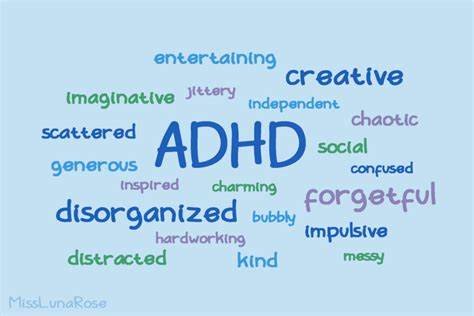
Image Source: Bing Image. License: All Creative Commons
ADHD in the Mix: A Complicated Dance
If you are having ADHD, the relationship can get even more complicated. Characteristics such as impulsivity, forgetfulness, or blurting out what you think before actually thinking it through can trigger your partner. A careless remark or a thoughtless word can escalate the matter into hours of emotional fallout.
You might find yourself stuck in a cycle of apologizing for what you didn’t say, explaining yourself too much, or beating around the same old bush from a dozens of different directions. And through it all, you’re thinking, How did we get here? Again?

Image Source: Bing Image. License: All Creative Commons
The Damage It Takes
This feeling can wear you down over the time emotionally. You may find yourself doubting on yourself, rewinding conversations on repeat, questioning if you really are the issue in your relationship. The misunderstanding isn’t solely internal family or friends may find it difficult to see what’s actually going on behind closed doors. It’s not necessarily always the big things that can start an argument oftentimes it’s the small moments that ignite something critically huge further.
When honest words or good gestures get manipulated into disloyalty or disrespect, which shows losing your grip on emotional connect in realtionship.

Image Source: Bing Image. License: All Creative Commons
You Still Matter
Love someone with a personality disorder and one of the most challenging aspects of it is remaining attached to your own reality and self-value. You might be giving up your own needs just to maintain peace. But don’t forget: Your emotional well-being matters, more here.
You have a right to maintian your boundaries in your relationship. You have a right to seek clarity and respect. You do not owe it to others to control their pain, and you do not have to remain the target of constant blame for circumstances which are not your fault at all.

Image Source: Bing Image. License: All Creative Commons
How to Cope Without Losing Yourself
Don’t apologize for something that’s not your fault. You can empathize without jumping to self-blame. Let feelings pass, and later determine if the response was just or based on fears.
Don’t use ADHD as an excuse, as your brain is wired differently, yes. But being forgetful or impulsive doesn’t make you a bad partner. You are not at all self testified and it shouldn’t be used against you.

Stop pursuing moving your targets. If you’re repeatedly in the same argument even though you’re doing your best don’t assume it’s because you’re not trying hard enough. Some expectations just can’t be fulfilled.
Stand by your truth. Amidst changing stories, emotional ups and downs, and repeated histories, don’t lose your grip on what you know is correct.

Image Source: Bing Image. License: All Creative Commons
Choosing Peace
Some relationships, even when rooted in love, can become emotionally unsafe. If you’re constantly feeling like you’re on edge, if you’re giving more than what you’re receiving, or if your well-being is consistently compromised it may be time to reevaluate. Love should never come at the cost of losing your own mental health.
You’re not weak for establishing self boundaries. You’re not selfish for moving back. You’re not cruel for choosing a peace rather than chaos. You are a common human and worthy of a relationship that stimulates your happiness, not drains your emotions.

Image Source: Bing Image. License: All Creative Commons
Relationships are never easy to handle. And when mental illness issues such as BPD or ADHD are added then, they demand even more patience, understanding, and empathy. But while it’s wonderful to love with all one’s heart and advocate for a partner who is ill, don’t leave out the same compassion for yourself as it helps in surviving the emotional whiplash.
You’re owed stability. You’re owed self respect. You’re owed to be emotionally safe and helps in Surviving the Emotional Whiplash. Even if that includes letting go of the eggshells and stepping into a life where you can finally breathe again with positive emootions and happy relationship.

Lead Editor, Mental Health & Mindful Living
M.A. in Clinical Psychology, University of Mumbai | Certified Mindfulness Instructor (CMI)
Priya Patel joined Gymbag in 2019 and brings more than 12 years of experience as a therapist and wellness educator. Her content are mix of psychology with daily-life practices, covering topics from emotional regulation to body damage and energy loss recovery.