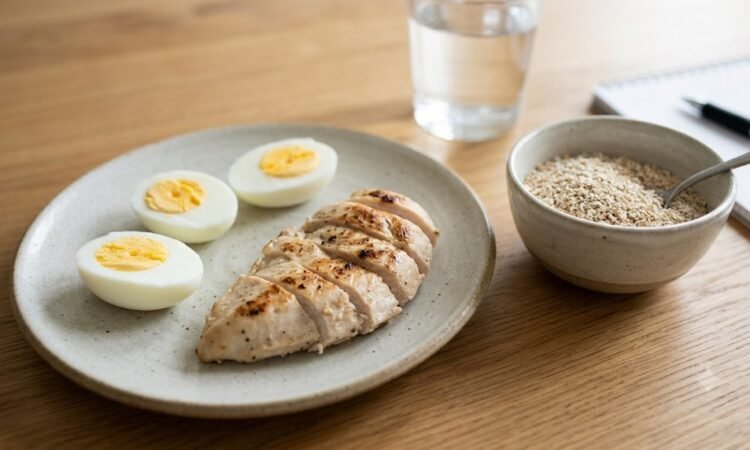
The search of faster weight loss methods, often leads people to follow high-protein, low-carbohydrate diets. Among all of the popular diets, the Dukan Diet stands out as one of the most well planned and body weight loss beneficial diet plan ever created.
Dukan Diet is established in the 1970s by former French physician Dr. Pierre Dukan and it become popularized globally through his “The Dukan Diet” Book published in the year 2000, the Dukan Diet promises fast and permanent weight loss without any of the strict food portion intake as well as negligible food varieties restrictions. However, many health professionals frequently evaluated this diet with low numbers ratings due to its higher food items restrictions, nutritional imbalances, and difficulty in long-term adoption.
Here is a detailed breakdown of how the Dukan Diet works, its four core pillars, allowed food items, potential benefits, and scientific risks of this diet.
What Is the Dukan Diet?
The Dukan Diet is a high-protein, ultra-low-carb, and low-fat eating plan. Unlike other regular low-carb dieting such as popular ketogenic diets, which encourages eating healthy fats, the Dukan Diet majorly asks to limit dietary fats while prioritizing pure low fat protein and oat bran etc. low fat natural food items.
The main philosophy of Dukan Diet is based on the idea that lean protein produces high satiety, burns more calories during digestion through the high thermic effect of food (TEF), and prevents sudden spikes in blood sugar levels.
Dukan Diet Program Overview:
- Primary Focus: High lean protein, minimal carbs, controlled fats.
- Key Requirements: Daily oat bran intake and high drinking of water on daily basis is must.
- Diet Structure: Four different phases (2 for weight loss, 2 for energy stabilization).
Explore the The 4 Phases of the Dukan Diet:
The duration of each of this diet phase depends on an individual’s target of achieving true weight, calculated using factors such as age, weight history, and existing body parameters.
The 4 Dukan Diet Phases:
- ATTACK PHASE (First 1 to 7 Days)
• Pure lean protein only
• 1.5 tbsp oat bran daily
• Rapid initial weight loss - CRUISE PHASE (For First 1 to 12 Months)
• Alternate pure protein days with protein + non-starchy veggies
• 2 tbsp oat bran daily
• Progressive weight loss target (2 lbs/week) - CONSOLIDATION PHASE (For 5 days per pound of weight lost)
• Reintroduce small portions of fruits, whole grains, and cheese
• 1 pure protein day per week
• 2.5 tbsp oat bran daily - STABILIZATION PHASE (Continuous following further)
• Flexible healthy eating guidelines
• Maintain 1 pure protein day per week
• 3 tbsp oat bran daily + daily walking
What process this 4 Phases consists of:
- Attack Phase (Rapid Kick-Start)
It is designed for immediate weight drop which is often causes by body glycogen reduction and body water losses.
- Allowed to Eat: Can eat unlimited low fat meats, poultry items without skin, fish, shellfish, eggs, nonfat dairy, tofu, seitan, water at-least 6.3+ cups per day, and 1.5 tablespoons of oat bran on daily basis.
- Not Allowed to Eat: Completely avoid to eat Carbohydrates, fats, oils except to be used in very small quantity just for greasing cooking pans, fruits, and vegetables.
- Cruise Phase (Gradual Weight Loss)
Helps to achieve the targeted weight by alternating two days:
- Day A (Pure Protein): Attack phase foods.
- Day B (Protein + Veggies): Attack phase foods plus non-starchy vegetables (e.g., spinach, kale, broccoli, cauliflower, peppers, cucumbers).
- Oat Bran: Mandatory consuming of 2 tablespoons per day.
- Consolidation Phase (Preventing Rebound of Weight)
This is designed to transition off weight loss and prevent weight regain.
- Allowed: Unlimited low fat proteins and non-starchy veggies daily.
- Additional Food items: 1 serving of fruits per day (excluding grapes, bananas, and cherries), 2 slices of whole-grain bread, 1.5 oz of hard cheese, and limited starches (1 to 2 servings on weekly basis).
- Enjoying Cheat Meals: Up to 2 “Cheat meals” per week, including appetizer, main, dessert, and a single glass of wine per event are allowed while following dukan diet.
- Pure Protein Eating Day: Mandatory 1 day per week should be pure protein eating day of Attack-phase eating.
- Oat Bran: Mandatory 2.5 tablespoons daily in this phase.
- Stabilization Phase (Long-Term Maintenance)
To achieve the final lifelong maintenance step follow the following.
Rules: Keep the 1 day per week with pure protein eating day, take 3 tablespoons of oat bran on daily basis, take the stairs instead of elevators, and use Consolidation phase principles i.e. strictly following 3rd phase diet as a routine diet on daily basis.
Approved Foods Items by Diet Phase-wise in Dukan Diet
- Category: Low fat / Lean Proteins, Attack Phase: Beef, poultry, fish, tofu, eggs, non-fat dairy, Cruise Phase: Unlimited, Consolidation Phase: Unlimited
- Category: Vegetables, Attack Phase: None, Cruise Phase: Non-starchy vegetables (alternating days), Consolidation Phase: Non-starchy vegetables daily
- Category: Fruits & More starch based food items, Attack Phase: Not permitted, Cruise Phase: Not permitted, Consolidation Phase: 1 fruit/day; 1 to 2 starch servings/week
- Category: Oat Bran, Attack Phase: 1.5 tbsp daily, Cruise Phase: 2 tbsp daily, Consolidation Phase: 2.5 tbsp daily
Basic beginners Daily Meal Plan of Dukan Diet (Cruise Phase – Protein + Veggie Day)
- Breakfast: 3 scrambled eggs with spinach and sliced tomatoes, black coffee or green tea, 1 glass of water.
- Lunch: Grilled chicken breast over mixed greens with lemon-herb vinaigrette, nonfat Greek yogurt mixed with 2 tbsp oat bran.
- Dinner: Baked salmon fillet with steamed broccoli and cauliflower.
- Snack/Hydration: Sugar-free gelatin, nonfat cottage cheese, minimum 1.5 liters of water throughout the day.
Scientific Evaluation of Dukan Diet, its Benefits vs. Health Risks
While high-protein eating habit offers many proven benefits including short-term hunger reduction and thermogenesis, scientific evidence supporting the Dukan Diet specifically are minimal and highlights notable concerns and more research needed to prove the correct benefits of the dukan diet.
Potential Benefits
- Rapid Initial Results: High carbohydrate restriction forces the body to burn rapid body glycogen storages, producing immediate weight loss.
- Appetite Reduction: High protein consumption increases satiety hormones such as GLP-1 and PYY, while suppresses the hunger hormones which including ghrelin.
- No Need of Calorie Tracking: No need to count calories or fatty food eating, which provided eating remains within your regular diet practice.
Health Risks & Criticisms
- High Food Restriction: Majorly eliminating the entire food groups for your regular diet, such as whole grains, healthy fats, and most of the regular fruits, can lead to micronutrient deficiencies.
- Gastrointestinal Issues: Despite mandatory oat bran, total dietary fiber remains below recommended intake levels i.e. 28 grams per day, which often results in severe constipation.
- Kidney & Liver Stress: Digesting high protein rich food may creates metabolic waste products such as uric acid and urea that can create burden on kidney and liver function, particularly in individuals with pre-existing such health conditions.
- Ketosis Side Effects: The transition into rapid fat-burning can create fatigue, bad breath i.e. halitosis, brain unclarity, and nausea.
- Sustainability: Highly restrictive diets typically have low long-term following, increasing the likelihood of weight regain once the normal eating habits resumes.
Is the Dukan Diet Right for You?
The Dukan Diet can deliver short-term weight loss due to it’s severe calorie and carbohydrate reduction. However, its combination of strict rules, removal of healthy food items, low fiber intake, and low fat ingredients can makes it difficult to maintain your body nutrition and create a potential risk upon foillowing this diet over the extended periods.
For sustainable weight management and overall health, medical and nutrition experts generally recommend of following balanced approaches, such as the Mediterranean Diet or a well-balanced High-Protein Diet, that emphasize whole foods, healthy fats, adequate fiber, and flexible lifestyle habits.
7-Day Sustainable High-Protein Meal Plan
This balanced 7-day meal plan focuses on clean lean protein, complex carbohydrates, and heart-healthy fats. apart from other restrictive crash diets, this diet supports stable fat loss, muscle retention, and stable energy levels without removing whole food items from your routine diet.
Daily Targets & Nutrient Distribution
- Daily Calories: 1,800 to 2,000 kcal which is adjustable for individual maintenance/deficit
- Protein: 130to 150g i.e. 30 to 35% of total routine energy requirement
- Complex Carbs: 160 to 180g i.e. 35 to 40% of total daily energy requirement
- Healthy Fats: 55 to 65grams i.e. 25 to 30% of total daily energy requirement
- Hydration: Aim for 2.5 to 3 liters of water intake on daily basis.
7-Day High Protein Diet Schedule
Day 1: Monday
- Breakfast: 3 scrambled eggs with 1 cup spinach, 1 slice of whole-grain sourdough, and 1/4 avocado. (Coffee/Tea, unsweetened)
- Lunch: Grilled chicken breast (150g), 3/4 cup cooked quinoa, mixed greens, cherry tomatoes, cucumbers, and 1 tbsp olive oil vinaigrette.
- Snack: 3/4 cup nonfat Greek yogurt with 1/2 cup blueberries and 1 tbsp chia seeds.
- Dinner: Baked salmon fillet (150g), 1/2 cup roasted sweet potato cubes, and steamed asparagus brushed with olive oil.
Day 2: Tuesday
- Breakfast: Protein Oatmeal made of 1/2 cup rolled oats cooked in water/almond milk, mixed with 1 scoop of plant/whey protein powder, topped with 1/2 sliced banana and 1 tbsp almond butter.
- Lunch: Turkey breast wrap made with 130g sliced turkey breast, 1 whole-wheat tortilla, romaine lettuce, sliced tomatoes, 2 tbsp hummus.
- Snack: 1 hard-boiled egg with 1 oz (23) raw almonds.
- Dinner: Tofu or lean beef stir-fry made with 150g firm tofu or extra-lean ground beef, 1.5 cups mixed stir-fry veggies (broccoli, bell peppers, snap peas), 1/2 cup cooked brown rice, cooked in 1 tsp sesame oil.
Day 3: Wednesday
- Breakfast: Omelet made with 2 whole eggs + 2 egg whites, diced mushrooms, bell peppers, and 1.5 oz reduced-fat feta cheese, served with 1 slice whole-grain toast.
- Lunch: Mediterranean Tuna Salad made of 1 can tuna (in water), 1/2 cup chickpeas, cucumbers, red onion, kalamata olives, dressed with lemon juice and 1 tbsp olive oil.
- Snack: 1 cup low-fat cottage cheese topped with 1/2 cup pineapple chunks or berries.
- Dinner: Grilled chicken thighs (skinless, 150g), 1/2 cup roasted wild rice, and roasted Brussels sprouts tossed in olive oil.
Day 4: Thursday
- Breakfast: Smoothie made of 1 scoop protein powder, 1 cup unsweetened almond milk, 1 cup frozen spinach, 1/2 frozen banana, 1 tbsp peanut butter, 1 tbsp flaxseeds.
- Lunch: High-Protein Power Bowl made with 150g grilled chicken or tempeh, 3/4 cup cooked black beans, 1/2 cup cooked farro or brown rice, salsa, and 1/4 avocado.
- Snack: Sliced apple with 1 tbsp natural peanut butter.
- Dinner: Baked cod or white fish fillet (180g), 1/2 cup cooked quinoa, green beans sautéed in olive oil and garlic.
Day 5: Friday
- Breakfast: 2 poached eggs on 2 slices of whole-grain toast with mashed avocado (1/4 total) and microgreen vegetables such as spinach etc.
- Lunch: Lentil and chicken salad made of 3/4 cup cooked brown lentils, 100g shredded chicken breast, diced cucumber, tomatoes, parsley, dressed with olive oil and apple cider vinegar.
- Snack: 1 cup edamame in pods (steamed) + 1 oz walnuts.
- Dinner: Low fat pork tenderloin or grilled tofu steak (150g), 1 small baked sweet potato, sautéed kale or spinach.
Day 6: Saturday
- Breakfast: Savory Protein Pancakes (or oat pancakes) made with 1/2 cup oats, 2 egg whites, 1/2 scoop protein powder, served with 1/3 cup fresh berries.
- Lunch: Turkey and Avocado Salad made with using 150g turkey breast along with mixed green vegetables, cucumbers, carrots, 1/4 avocado, 2 tbsp pumpkin seeds, vinaigrette.
- Snack: 3/4 cup Greek yogurt with 1 tsp honey and 1 tbsp hemp seeds.
- Dinner: Shrimp Skewers (180g grilled shrimp), 1/2 cup cooked couscous or quinoa, grilled zucchini and eggplant.
Day 7: Sunday
- Breakfast: Breakfast Burrito made with 2 scrambled eggs, 1/4 cup black beans, 2 tbsp salsa, 1/4 avocado wrapped in 1 high-fiber whole-wheat wrap.
- Lunch: Baked Salmon (120g) over a warm quinoa salad with roasted beetroot, baby spinach, and 1 tbsp walnuts.
- Snack: Diced bell pepper strips and cucumber slices with 3 tbsp hummus and 1 hard-boiled egg.
- Dinner: Slow-cooked lean beef or turkey chili (1.5 cups) made with kidney beans, crushed tomatoes, onions, and garlic.
Nutritional Strategy & Protein Rich Diet Food Preparation Tips
- Batch Cook Carbs & Proteins: Prepare quinoa, brown rice, and grilled chicken/tofu twice a week such as on Sunday and Wednesday to save meal preparation time.
- Prioritize Fiber rich Food Ingredients: Every day provides 28 to 35g of fiber from regular eating oats, lentils, vegetables, and chia or flaxseeds to improve gut health and hunger fullness.
- Flexible Changes: Proteins rich food such as chicken, turkey, fish, tofu, tempeh and complex carbs rich food such as sweet potato, oats, quinoa, brown rice) can be swapped 1:1 based on your daily dietary choices on regular basis.
We hope by going through this above article you are now aware about the protein rich dukan diet, its benefits and process which needs to be followed to get maximum weight loss benefit which further supports in not just for betterment of your health, but also safeguards you from weight born critical illnesses.

Amit Mehta is a Editor, Nutrition & Lifestyle Habits @Gymbag4u.com
B.Sc. in Dietetics, SNDT University, Pune | Registered Dietitian (RD India)
Amit Mehta joined Gymbag4u.com in 2019, bringing with him a strong foundation in clinical nutrition and public dietary education. As a registered dietitian.