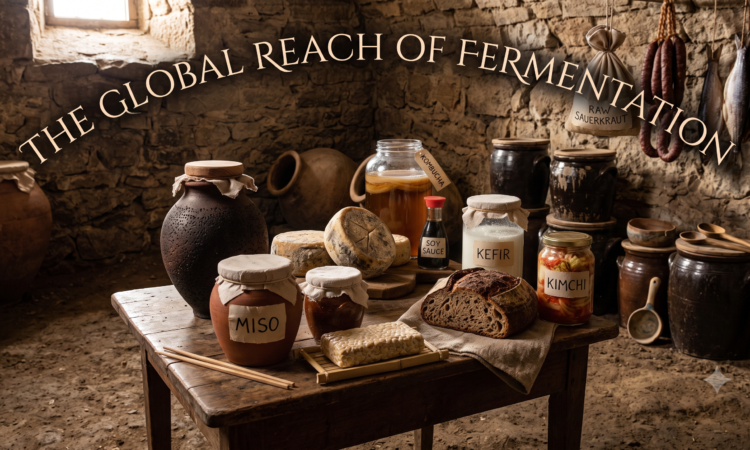
Fermented foods has a long history of usage in human kind since ancient time, as per modern archival records Fermented Beverages are traced back in China since 7000 BCE in Jiahu, in Henan province, China (fermented rice, honey, and fruit mix) wine are discovered, Fermented Yogurt, Cheese, and Kefir usage evidence are found during 6000 to 5000 BCE in the Middle East and Anatolia area, Fermented Grains and Bread are traced back from 3700 BCE in Egypt which has similarity to todays popular Sourdough bread, Fermented Vegetables and Pickles also have history of 2400 BCE in the Indus Valley and Ancient China, and Fermented Soybeans & Legumes are traced in 1000 BCE in China and East Asia, apart from vegetables and grains there are also findings of meat fermentation including Fermented Fish and Buried Salted Meats have traces back to 1st Millennium BCE in Ancient Greece, Rome, and Scandinavia.
Apart from the ancient evidence and long usage of fermented food, todays fermentation process have evolved from it’s ancient natural preservation methods of perishable food into todays advance preservatives based modern nutritional science. From tangy kimchi and rich milk kefir to crisp raw sauerkraut and effervescent kombucha, adding fermented foods in your daily diet plan is known as an effective way to optimize your digestive system.
However, while the live micro bacteria in fermented foods offer health advantages, but, they are also not always suitable for everyone if consumed in higher quantities. Eating fermented food in heavy quantity or eating them while managing specific gastrointestinal conditions like histamine intolerance or SIBO, can trigger uncomfortable side effects. This guide breaks down the biological science, nutritional benefits, potential risks, and step by step precautions for adopting fermented foods in your daily diet.
What Are Fermented Foods?
Fermentation is an ancient culinary and preservation process where the food items are fermented with controlled microorganisms, primarily beneficial bacteria, wild yeasts, or using fungi to break down its carbohydrates, sugars, and starches in raw ingredients. This enzymatic breakdown generates organic acids such as lactic acid, carbon dioxide, or low levels of ethanol which results in not only improving the shelf life of the food, but also improves its nutrition.
These metabolic byproducts act as natural preservatives, giving fermented foods their signature sour flavor while naturally fermenting food with living microorganisms is known as probiotics.
Raw Food Ingredients + Beneficial Microorganisms
│
▼
Fermentation Process
Lactic Acid Production (Preservation & Sour Taste)
Micro-Nutrient Synthesis (B-Vitamins & K2)
Probiotic Bacteria Nourishment
│
▼
Nutrient-Dense Probiotic Food
Essential Probiotic-Rich Foods
- Kefir: A fermented drink is traditionally made from dairy or coconut milk, containing up to 60 distinct types of bacteria and yeasts.
- Kimchi: A traditional Korean side dish made from salted, fermented Napa cabbage, Korean radishes, garlic, ginger, and chili peppers.
- Raw Sauerkraut: Finely sliced cabbage fermented in its own juices and salt, packed with natural Lactobacillus, Vitamin C, and dietary fiber.
- Kombucha: A lightly carbonated tea beverage produced by fermenting sweetened black or green tea with a SCOBY such as Symbiotic Culture of Bacteria and Yeast.
- Miso & Tempeh: Traditional Japanese and Indonesian soybean preparations fermented with specialized fungal cultures which including Aspergillus oryzae and Rhizopus oligosporus, providing plant-based protein and minerals.
The Science of Fermentation and Gut Health
The human gastrointestinal tract is a home of a complex ecosystem containing trillions of microorganisms, collectively referred to as the gut microbiome. This microbial network regulates nutrient absorption, improved metabolic rate, endocrine balance, and immune system signaling.
When you eat raw fermented foods, living probiotic bacteria goes into the digestive tract. These friendly microbes temporarily colonize or interact with the existing intestinal microbiota. During this process, probiotic bacteria synthesize short-chain fatty acids (SCFAs), which principally acetate’s, propionate, and butyrate. SCFAs serve as the primary fuel source for colonocytes i.e. the cells lining in your colon, maintaining mucosal barrier integrity and preventing intestinal permeability i.e. leaky gut.
Proven Benefits of Fermented Foods for Gut Health
Diversifies the Gut Microbiome Ecosystem
Microbiome health relies heavily on bacterial diversity. A lack of microbial diversity is linked with digestive discomfort, systemic inflammation, and compromised metabolic function. Regularly eating depends on the fermented products which introduces diverse bacteria, such as Lactobacillus plantarum, Lactobacillus acidophilus, and Bifidobacterium breve, helping to balance intestinal flora and crowd out opportunistic pathogens.
Increases Nutrient Absorbption
Raw grains, seeds, beans, and leafy vegetables naturally contain antinutrients such as phytic acid, lectins, and oxalates. These compounds bind to essential minerals and promotes their absorption in the small intestine. The fermentation process breaks down these anti-nutrients, releasing minerals such as iron, zinc, magnesium, and calcium. Furthermore, probiotic bacteria synthesize active B-complex vitamins and Vitamin K2 directly inside the digestive system.
Supports Immune Function
Roughly 70% to 80% of the body’s immune cells reside inside the gut which is associated with lymphoid tissue (GALT). By maintaining the intestinal barrier and outcompeting harmful bacteria, live cultures send anti-inflammatory signals to immunity receptors, training the immunity response to differentiate between harmless environmental proteins and true bacterial or viral threats.
Improves Lactose and Protein Digestibility
During the milk fermentation process the kefir and yogurt are created by Lactobacillus bacteria which consumes lactose (milk sugar) and convert it into lactic acid. As a result, many individuals with mild to moderate lactose sensitivity can consume fermented dairy products without experiencing any digestive distress such as cramping or bloating.
Risks, Precautions, and Potential Side Effects
Despite their biological benefits, fermented foods are active functional foods. Higher consumption of these fermented foods without proper dietary advice may leads to adverse impact on our health.
- Temporary Digestive Upset (Bloating & Gas)
Adding large doses of active micro-bacteria rich food can causes rapid bacterial fermentation in the gut colon. This sudden shift in increase of unwanted gut bacteria may results in temporary gas production, abdominal pain, and changes in bowel movement.
Precaution: Always start with small portions of fermented food and beverage is safer. Begin with 1 teaspoon to 1 tablespoon of sauerkraut or 1 to 2 fermented drink made of kefir per day, gradually increase the portion over the 3 to 4 weeks to give your gut microbiome enough time to adjust with the new batch of gut bacteria.
- Histamine Intolerance Concerns
As proteins and amino acids break down during extended storage and fermentation, levels of histamines increase significantly. Individuals with Histamine Intolerance (HIT) or deficiencies in the diamine oxidase (DAO) enzyme struggle to clear the circulating histamine, which can further cause to sudden headaches, skin flushing, nasal congestion, or digestive cramping.
- Complications in SIBO and Severe IBS
For individuals who are diagnosed with Small Intestinal Bacterial Overgrowth (SIBO), the upper portion of the small intestine shows an abnormally high concentration of bacteria. Consuming the live probiotic rich foods feeds these upper-GI colonies, and may cause to rapid gas production, severe stomach pain, and chronic bloating. Patients with severe Irritable Bowel Syndrome (IBS) should consult with a gastroenterologist or registered dietitian before consuming fermented food items in their diet.
- Hidden Additives: Salt / Sodium and Extra Sugars
Commercial fermented food comes with reduced health benefits and harmful additives usage in those products:
- High Salt / Sodium: Salt is essential for lactic acid fermentation, but packaged sauerkraut and kimchi may contain high sale / sodium levels per serving.
- Added Sugars: Flavored packaged kombuchas and liquid fruit kefirs are frequently loaded with added cane sugar or fruit juices after fermentation to mask their tartness. High refined sugar feeds yeasts such as Candida in the gut, and reduces the benefits of live cultures based probiotic drinks.
Low-Histamine Fermented Food Guide for Sensitive Digestions
If you experience flushing, headaches, hives, or rapid bloating when consuming fermented foods, histamine accumulation may be the cause of it. Traditional ferments, such as long-aged sauerkrauts, aged cheeses, and kombucha are naturally high in histamines.
However, individuals with sensitive digestions or histamine intolerance can still support their gut health using low-histamine fermented food strategies.
Low-Histamine vs. High-Histamine Options
Category Low-Histamine Alternatives (Safer) High-Histamine Foods (Avoid)
- Category: Cultured Dairy, Low Histamine Alternatives (Safer): Fresh homemade yogurt (24-hour max ferment), fresh cottage cheese, High-Histamine Foods (Avoid or Consume in less quantity): Aged cheeses, long-fermented milk kefir, aged sour cream.
- Category: Fermented Veggies, Low-Histamine Alternatives (Safer): Short-ferment sauerkraut (3 to 5 days ferment, consumed fresh), High-Histamine Foods (Avoid or Consume less): Packaged aged sauerkraut, long-fermented kimchi, pickles in vinegar.
- Category: Beverages, Low-Histamine Alternatives (Safer): Buttermilk, Fresh coconut water, kefir (short ferment), High-Histamine Foods (Avoid or Consume less): Packaged kombucha, wine, beer, aged water kefir
- Category: Soy & Plant Protein, Low-Histamine Alternatives (Safer): Freshly prepared tempeh (cooked immediately) , High-Histamine Foods (Avoid or Consume less): Miso paste, soy sauce, tamari, natto
Strategies to Reduce Histamine Intake
- Focus on Short Fermentation Times: Histamines accumulate over the time when food is kept fermented for longer time. Fermenting vegetables or dairy fermented for shorter durations of time such as 3 to 5 days for cabbage instead of weeks, keeps histamine at low level while still provides benefits of active probiotic cultures.
- Utilize Specific Probiotic Types: Few bacterial types degrade histamines or are histamine-neutral, whereas others produce histamines.
- Histamine-Friendly Culture: Bifidobacterium infantis, Bifidobacterium longum, Lactobacillus gasseri, Lactobacillus rhamnosus.
- Micro-bacteria’s to Avoid: Lactobacillus buchneri, Lactobacillus helveticus, Lactobacillus reuteri.
- Freeze them Immediately is not consumed immdiately: Once a short-ferment batch reaches its readiness, then store a single servings in the deep freezer rather than the refrigerator helps to stop its further histamine build-up.
4-Week Step by Step Schedule for Sensitive Gut:
To prevent bloating, histamine reactions, or Herxheimer (die-off) reactions, follow this gradual 4 week basic protocol:
- Week 1: Micro-Dosing ➔ 1 tsp fermented juice daily such as sauerkraut brine or coconut kefir
- Week 2: Low-Dose Solids ➔ 1 tsp fermented solids daily with a main day meal
- Week 3: Escalation ➔ 1 tablespoon solids + 2 fl oz low-histamine drink daily
- Week 4: Standard Intake ➔ 2–3 tablespoons fermented foods daily in meals
- Week 1: Consume only 1 teaspoon of liquid / brine from short-ferment sauerkraut or fresh coconut kefir once per day with meal. Monitor for any sinus related issues, pressure, headache, or skin flushing.
- Week 2: Move Advance further with 1 teaspoon of solid fermented food such as short-ferment sauerkraut once daily along with your heaviest day meal.
- Week 3: Increase the portion to 1 tablespoon of solid fermented vegetables daily and add 2 fluid ounces of fresh coconut water kefir.
- Week 4: Forward do change to standard intake of 2 to 3 tablespoons of multiple fermented foods on daily basis, distributed across different meals in a day.
Nutritional Breakdown of Popular Fermented Foods
Fermented Food Primary Probiotic Strains Key Nutritional Benefit Standard Daily Serving
- Fermented Food: Raw Sauerkraut, Primary Probiotic Type: Lactobacillus plantarum, Leuconostoc mesenteroides, Nutritional Benefit: Vitamin C, Dietary Fiber, Vitamin K1, Standard Servings: 1 to 2 tablespoons.
- Fermented Food: Milk Kefir, Primary Probiotic Type: Lactobacillus kefiri, Bifidobacterium, Wild Yeasts, Nutritional Benefit: Calcium, Complete Protein, Naturally found B12, Standard Servings: 4 to 8 fluid ounces.
- Fermented Food: Kimchi, Primary Probiotic Type: Lactobacillus kimchii, Weissella species, Nutritional Benefit: Capsaicin, Vitamin A, Antioxidants, Standard Servings: 2 to 3 table spoons.
- Fermented Food: Raw Kombucha, Primary Probiotic Type: Acetobacter, Saccharomyces yeast, Nutritional Benefit: Organic Acids (Glucuronic Acid), Polyphenols, Standard Servings: 4 to 6 fluid ounces.
- Fermented Food: Tempeh, Primary Probiotic Type: Benign fungal fermentation (Rhizopus), Nutritional Benefit: Complete Plant Protein, Isoflavones, Standard Servings: 3 to 4 ounces.
Best Practices for Buying, Storing, and Preparing Fermented Foods
Check for Unpasteurized or Live Cultures based, as heated or thermal pasteurization methods exposes foods to high heat, which destroys all live bacterial cultures inside it. Always buy fermented foods kept in the refrigerated section of the grocery store and always check for labels which shows as raw, unpasteurized, or contains live and active cultures.
- Avoid Boiling or High Heat Cooking: Heating fermented foods above 115°F (46°C) kills the beneficial probiotic bacteria. Add kimchi, sauerkraut, or miso to hot dishes after removing them from the heating just prior to serving.
- Inspect Quality and Storage: True fermentations benefits to a crisp, pleasant sour smell and taste. Discard any home-fermented or packaged food batches that exhibit to mold growth such as fuzzy pink, black, or visible green spots, smelly odors, or slimy textures.
After Adding naturally fermented food in your routine diet, it provides benefits to your overall wellbeing, eating curd in morning breakfast or drinking buttermilk during afternoon lunch or drinking coconut water in the evening, will not only benefits to improve your digestion and but also it makes you ready for your daily energy requirements.

Amit Mehta is a Editor, Nutrition & Lifestyle Habits @Gymbag4u.com
B.Sc. in Dietetics, SNDT University, Pune | Registered Dietitian (RD India)
Amit Mehta joined Gymbag4u.com in 2019, bringing with him a strong foundation in clinical nutrition and public dietary education. As a registered dietitian.