
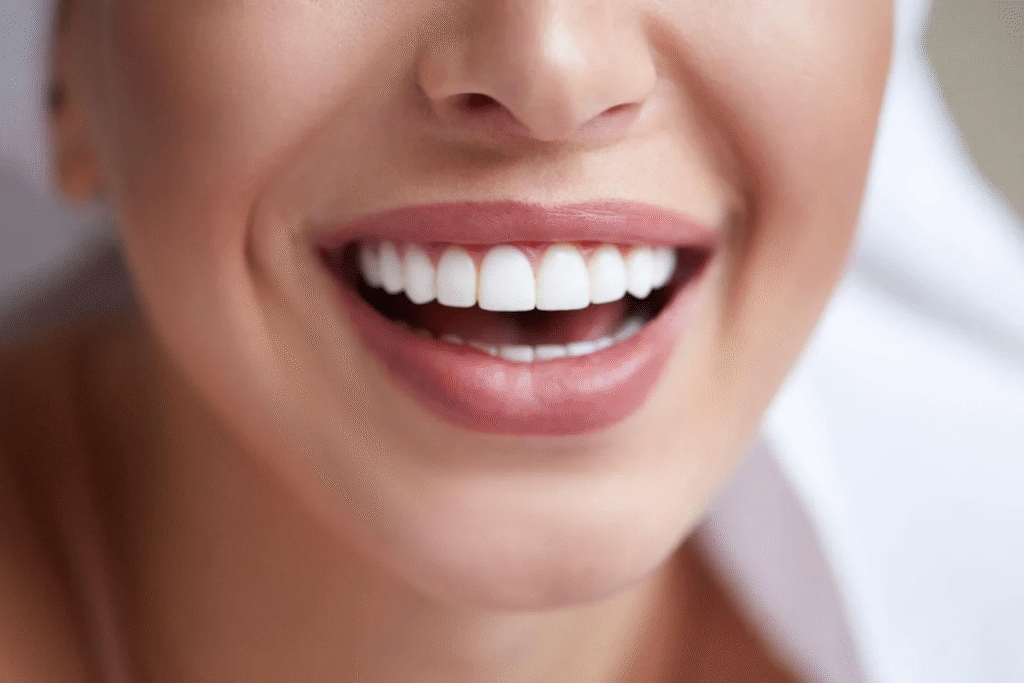
Maintaining your mouth isn’t only about having a shiny smile or good breath, but it’s an important signaling component of your overall health. Your mouth is the entryway to your body, and whatever goes inside it, doesn’t remain there. Proper oral care can make a huge impact on everything from your heart to your risk for certain critical diseases including few types of cancers.

There is a deep connection between general health and oral health. Bacteria in your mouth can travel through your body’s circulatory system and may contribute to heart disease, stroke, and pregnancy complications. Diabetes, osteoporosis, and Alzheimer’s can also make it more difficult to maintain a healthy mouth, and poor oral health and chronic disease can relates to one another.

Therefore, an early warning sign identification is very important to catch at early level. Bleeding gums, persistent bad breath, tooth decay, loose teeth, receding gums, or mouth sores that don’t heal are all warning signs that something may be ignored in general cases. All of these symptoms are your body’s way of hitting the alarm bell, and telling you to pay more attention to your oral hygiene routine. It’s always quicker and less painful to take precautions than it is to fix things after their critical impact.
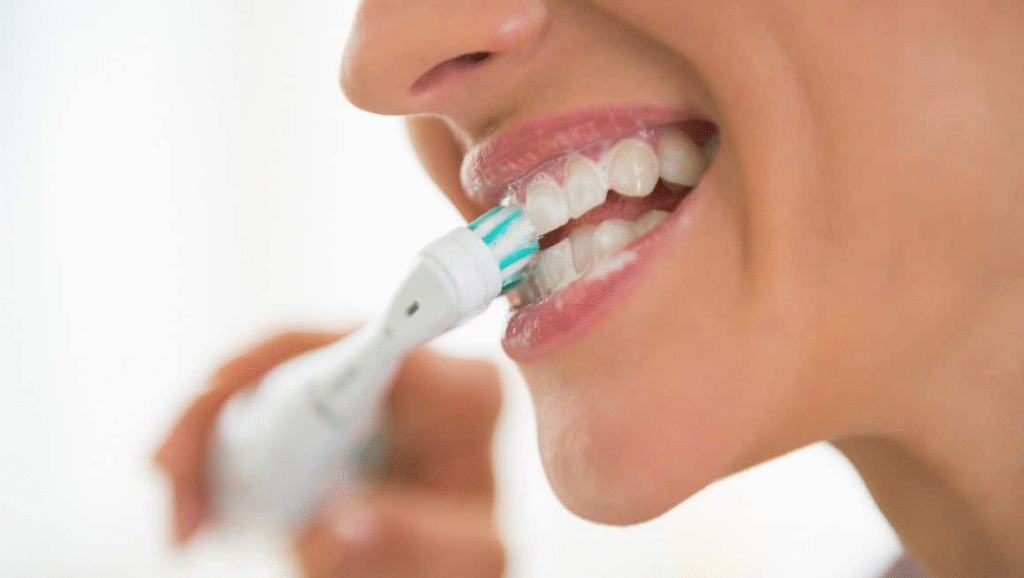
A good daily routine is the base of better mouth health. Brushing your teeth twice a day with a soft-bristled toothbrush and using fluoride based toothpaste is very important to preserve your tooth health. Technique may also counts for oral health, such as holding your brush at a 45-degree angle toward your gums and make little circles. Don’t forget to get all surfaces of your teeth, and your tongue, where bacteria may possibly congregate.
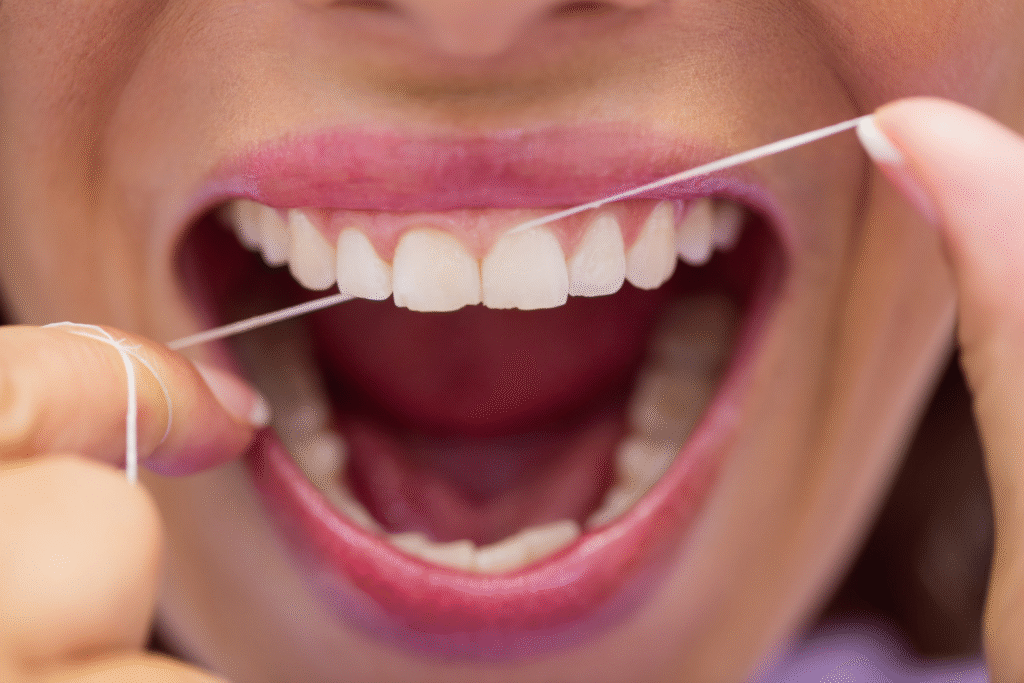
Flossing is equally very important part of healthy lifestyle. It reaches the tight areas that your toothbrush cannot and remove decays. Take around 18 inches of floss, wind it around your fingers, and brush it between every tooth gently. Wind the floss into a C-shape around the tooth and move it back and forth. If regular floss is difficult for you, floss picks, interproximal brushes, or floss threaders can be used, particularly if you are having braces or restricted mobility in your hands.
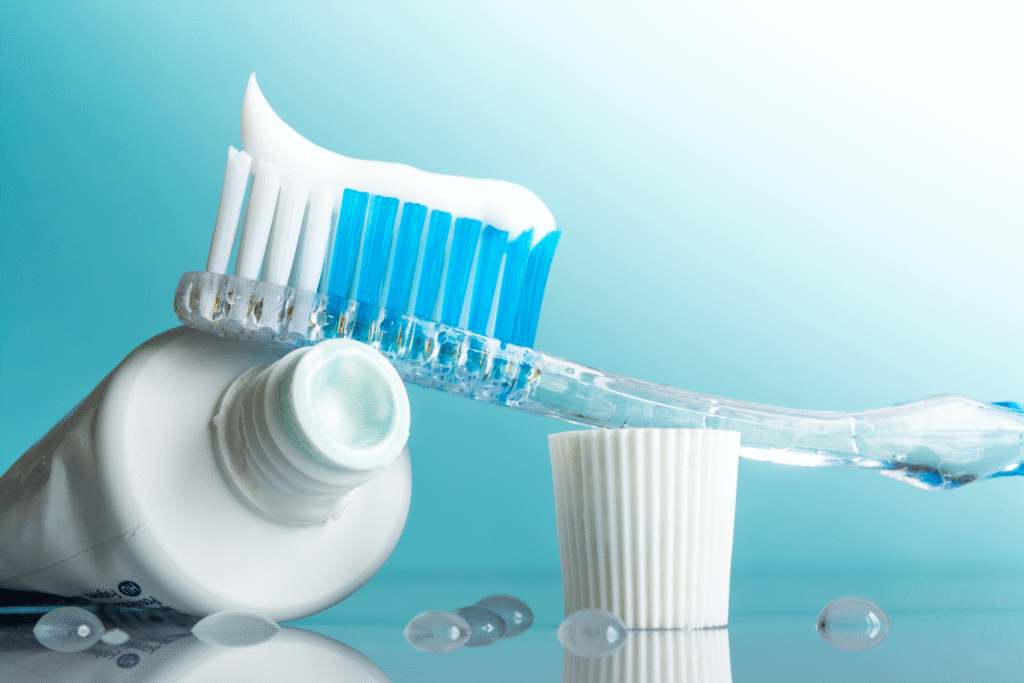
Fluoride deserves some credit, too for good oral health. This mineral helps to strengthen your tooth enamel and can even reverse the early stages of decay. You’ll find it in most of the toothpastes and added in many public water systems. Your dentist can also apply fluoride varnish for extra protection, especially helpful if you’re more prone to cavities.
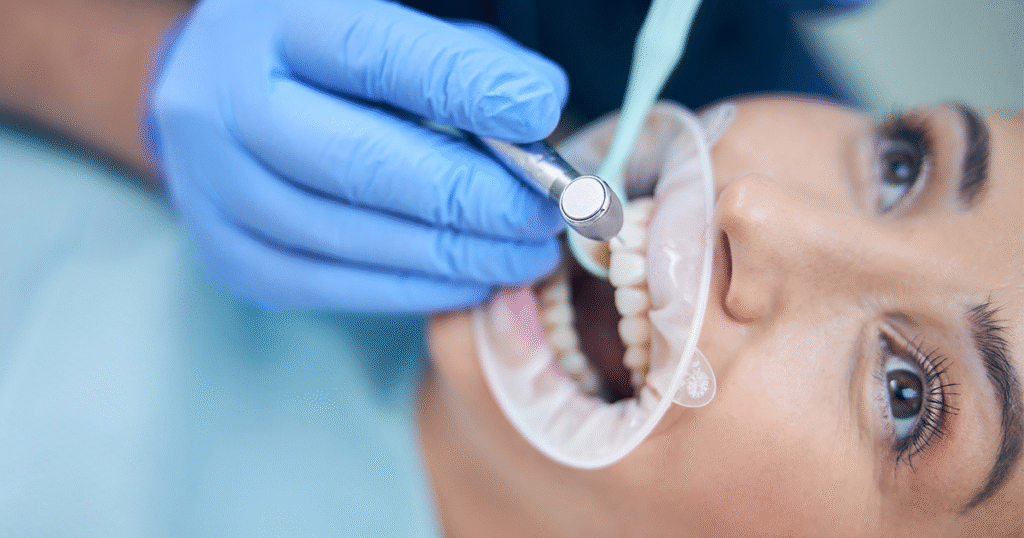
Sealants are an added layer of protection, particularly for children and adolescents. Thin layers of coating are painted onto the chewing surfaces of the back teeth to prevent food and bacteria from seeping into the deep roots of teeth where cavities possibly may getting started. Although it is generally applied to children as their molars erupt, adults with no decay or fillings in those teeth can also get its beenfits.

Visiting your dentist regularly is as important as brushing and flossing. Regular cleanings and checkups catch issues early, before simple tooth pain or oral bruising may become a bigger problems. Dentists and hygienists examine you for signs of any possible gum disease, bone loss, and even oral cancer. They will also provide you with individualized advice for your oral health, discuss your habits and diet, and check for anything abnormal in your mouth, jaw, or neck. It makes a huge difference to catch oral cancer early, and instruments such as the VelScope light catch things that helps to identify oral issues in advance.
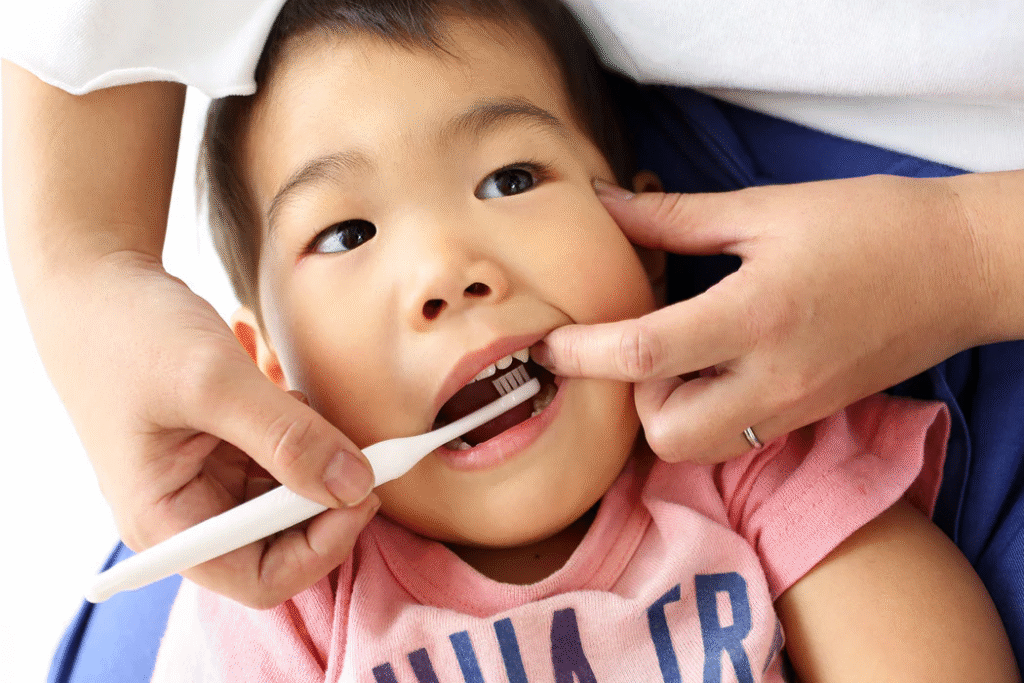
Children require the kind of oral care and daily tooth hygiene as well. Beginning healthy habits early on gets the lifetime great teeth. Fluoride treatments and sealants are commonly recommended by pediatric dentists as soon as adult teeth comes in kids. They also provide a comfortable area to facilitate easier, dental inspection and care visits. If your child wears braces or other devices, flossing and brushing can be more difficult, but is more important. Soft brushes, floss threaders, and fluoride mouth rinses can assist in keeping everything clean and healthy.

Your lifestyle determines a great deal about your mouth. Tobacco use and smoking cigarettes can cause gum disease and oral cancer. Having a balanced diet, not snacking too much, and not overdoing the booze all go toward keeping you healthy. Your toothbrush is important too in preserving your oral health, electric toothbrushes with timers can assist you in getting your mouth effectively cleaned, particularly if you have braces or have a hard time using your hands.

Oral hygiene isn’t just about avoiding cavities. It’s all about taking better care of your entire body. A few daily habits, regular dental visits, and regular smart choices about your lifestyle can make a huge difference in keeping you more healthy every day. When your mouth is healthy, then you’re giving your whole body a better chance at achieving a better health every day.

Senior Editor, Strength & Conditioning
B.Sc. in Kinesiology, Punjab University | Certified Strength and Conditioning Specialist (NSCA)
Karan Gupta has been a core part of Gymbag4u.com Team since its foundation in 2018. With a background in Fitness, bodybuilding exercise science and a decade of coaching experience, he specializes in functional fitness, injury prevention, and Fitness Routine Guide.