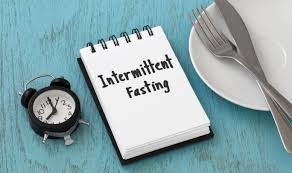
As the health and wellness world is rapidly evolving now a days, Intermittent Fasting (IF) is one of the most exciting diet plans gaining popularly and widely discussed for its proven benefits for weight loss and overall health since decades. This diet practice is followed since ancient time in many cultures across the globe, and is even mentioned in thousands of years old Indian Vadic Texts, also, its benefits are mentioned in ancient manuscripts of Charak Sanhita, Shrushrut Sanhita and The principles of Langhana, Also as per Indian culture Ekadashi (a day fast) and Nirjala Ekadashi (Fasting without eating and even drinking water) are being followed by many Indian people, also, fasting with restricted diet is found as a part of routine lifestyle of many people in India.
As recent major reviews, including a landmark 2026 Cochrane study, have refreshed the understanding, that the Intermittent Fasting is a proven method to achieve the desired weight loss and improve your overall health. It is one of the most powerful tool for better metabolic flexibility and simplified healthy lifestyle which includes, better diet, enough workout, hydration and carefully following a healthy choices.
Lets know What is Intermittent Fasting?
As like other popular diet such as keto diet or Mediterranean diet, there is a strict focus on what you eat, on the other hand Intermittent Fasting focuses on when you eat and when to not. Intermittent Fasting is meticulously following a periodic cycles of fasting and eating. By extending the time gap between your last meal of the day and your first meal of the next day. During Intermittent Fasting your body undergoes through a metabolic switch, moving from just burning glucose (sugar) to further burning excess body fat and convert it into body energy.
Lets know the Popular Intermittent Fasting Methods
- The 16/8 Method: Fasting for 16 hours and eat during an 8 hours of window e.g., 12 PM to 8 PM is the most popular beginner approach towards doing Intermittent fasting.
- The 5:2 Diet: Eat normally for five days a week and restrict calories around 500 to 600 on the other two non-consecutive days.
- Alternate-Day Fasting (ADF): Fast every alternate day, either completely or with having a very small food portion approx. 500 calories per day.
- Eat-Stop-Eat: A full 24-hour fast once or twice a week.
The Science-Backed Benefits are revealed by the Research from Johns Hopkins and other leading institutions highlights that the benefits of Intermittent fasting if more than just a calorie reduction:
- Metabolic Health & Insulin Sensitivity: Fasting helps to lowers the body insulin levels significantly, by making stored body fat more accessible for energy generation through metabolic process. It has been shown to reduce insulin resistance, lowering the risk of Type 2 diabetes.
- Autophagy (Cellular Repair): During extended fasts, our body cells starts a auto detox process, which is also called as autophagy, where they break down and recycle the old, damaged body cells and even remove the harmful toxic waste from your body.
- Brain Health: Intermittent Fasting may increase levels of BDNF, Brain-Derived Neurotrophic Factor, a hormone that supports the growth of new neurons and may protect against Alzheimer’s.
- Heart Health: Studies indicate that fasting helps to improve the blood pressure, healthy heart rate, and LDL (bad) cholesterol levels. Intermittent Fasting for Weight Loss, scientific studies shown that the Intermittent Fasting works for weight loss by lower food intake and with promoting excess body calorie to burn. By reducing the eating time window, many people naturally consume fewer calories which automatically resulted in natural weight loss.
As per the 2026 analysis of 22 global studies found that Intermittent Fasting, results are generally similar to traditional low calorie diets. For weight loss to happen, you must still avoid overeating during your specific eating window.
How to Use IF for Maximum Health Benefits:
- Prioritize Protein: To maintain healthy muscle mass while losing fat, aim for eating 1.6 to 2.2g of protein per kg of your body weight.
- Stay Hydrated: Drink plenty of water, black coffee, or herbal tea during fasting hours to manage hunger and prevent after fasting headaches.
- Listen to Your Circadian Rhythm: Recent Chrono Fast studies suggest that earlier eating windows (e.g., 8 AM to 4 PM) may help better with the body’s internal clock than the late-night eating.
Is it Safe for Everyone?
While effective for many, Intermittent Fasting is not recommended to Pregnant or breastfeeding women, Individuals with a history of eating disorders, People with advanced diabetes and for those who is on specific medications, Children and adolescents who are in growth stages. Therefore for a safeguard always consult with an expert a doctor and nutritionist immediately before adopting any kind of diet plan including intermittent fasting.
We hope above article on fasting will increase your knowledge on ancient fasting practice followed by people spread worldwide and its strong relationship with not only for religion but also, with our health.

Amit Mehta is a Editor, Nutrition & Lifestyle Habits @Gymbag4u.com
B.Sc. in Dietetics, SNDT University, Pune | Registered Dietitian (RD India)
Amit Mehta joined Gymbag4u.com in 2019, bringing with him a strong foundation in clinical nutrition and public dietary education. As a registered dietitian.