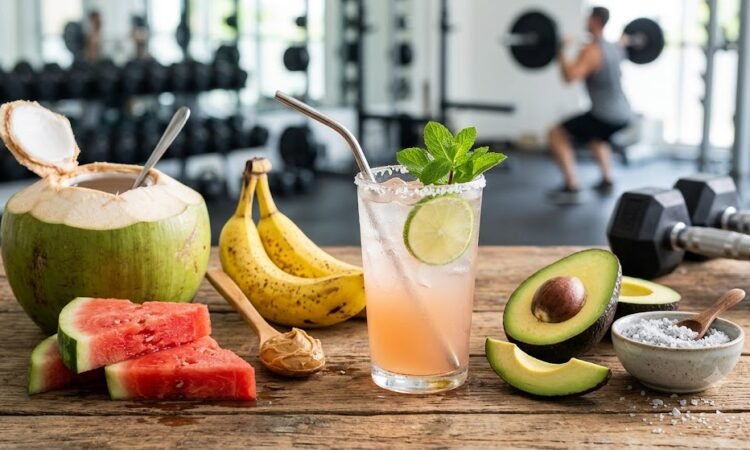
If you have ever walked out from an exhausting weightlifting session or a high-intensity interval training (HIIT), by feeling completely drained, lightheaded, or feeling agonizing muscle cramps, and have ever felt the immediate physiological impact of electrolyte reduction such as immediate energy crash. This this is helpful for you, as here we are discussing about the Natural Electrolyte Sources and why they are important for a regular gym goer.
During an intense workout, your body loses essential minerals along with body water with sweating. As your body temperature rises, your sweat glands starts working to emit sweat to cool down the body heat, and it results in reducing critical mineral salts drain process through the excessive sweating. These minerals will help to keep your cardiac muscles pumping, your motor neurons firing, and your cellular hydration levels well balanced, but eventually those are lost with sweating.
While many popular sugar rich sports drinks are known as best for athletic recovery, but even they are far from the healthiest and effective recovery option available today. Many of these processed drinks contains high-fructose corn syrup, artificial food dyes, and synthetic additives that can trigger digestive issues and further may cause rapid blood sugar spike.
Fortunately, you can fully optimize your athletic performance, delay in physical fatigue, and significantly accelerate your post-workout recovery by adopting natural food ingredients with good electrolyte supply. This article will guide you to breaks down the science of exercise sweating and best natural electrolyte sources that every gym-goer should add in their routine for early workout exhaustion recovery and better body nutrition.
The Science of Sweat: Why Gym-Goers Critically Need Electrolytes
To understand that why a normal tap water is not always enough after a heavy workout and weight lifting session for energy recovery, by looking at the cellular biology of exercise. Electrolytes are essential minerals that carries a positive or negative charge when it dissolves inside our body fluids such as blood, sweat, and urine. They are responsible for conducting electrical impulses across cell membranes throughout the human body.
When you do hard physical work, then your body starts loosing these minerals at various levels depending on your genetics, the room temperature, and the overall intensity of your workout. The primary electrolytes lost during physical exertion includes:
- Sodium / Salt: The most important electrolyte lost through workout of physical exertion sweat. Sodium or salt is very important for maintaining proper osmotic fluid balance within your blood veins and extracellular spaces. It also plays an important role in preventing severe muscle cramping and supporting nerve impulse transmission.
- Potassium: Serving as the primary cellular electrolyte, potassium works in collaboration with sodium to manage the fluid balance inside your body cells. It includes regulating smooth muscle contractions, and regularizing the rhythm of your heart.
- Magnesium: An important cofactor in over 300 biochemical reactions. For fitness enthusiasts, magnesium is very important for muscular relaxation, Adenosine Triphosphate (ATP) energy production, protein synthesis, and mitigating systemic inflammation.
- Calcium: This is an important mineral, which benefits beyond its primarily role of maintaining bone density, calcium also acts as a trigger mechanism for muscle fiber contractions. When a nerve signals a muscle to move, calcium ions are released to allow the muscle proteins to bind and shorten.
When you consume large quantities of water during a prolonged, heavy physical workout session without replacing these drained important body minerals, you run the risk of diluting the sodium concentrations found in your blood. This physiological imbalance can lead to a condition, which is known as mild hyponatremia. The immediate side effects of it includes, reduced athletic output, premature muscle fatigue, persistent headaches, and muscle weakness.
5 Powerful Whole-Food Electrolyte Sources for best workout Performance
Instead of depending upon artificial energy drink powders or plastic bottles of neon fluid, you can easily fuel your fitness goals by adding these five nutrient-rich, natural food and drink items in your daily pre-workout or post-workout routines to achieve the essential nutrition and retained physical energy.
- Pure Coconut Water (Nature’s Isotonic Drink)
It is often referred by sports nutritionists as best natural sports drink, pure coconut water extracted from a fresh green coconuts is considered as one of the best refreshing energy drink. It is one of the most natural and efficient liquids for rapid rehydration. As per the research published in NCBI Coconut water provides more essential electrolytes than any other sport drink.
- The Mineral Profile: Coconut water is rich in potassium, and it contains more muscle-soothing minerals per cup than a regular banana. It also offers easily digestible carbohydrates and small amounts of magnesium and sodium.
- The Fitness Benefit: It functions as a natural isotonic beverage. This means its chemical concentration levels the salt and sugar levels which are naturally required for human blood plasma, and allows the digestive tract to absorb the fluid and nutrients much faster and easier than a regular water.
- How to Use It: Drink 8 to 12 ounces of chilled, unsweetened coconut water immediately after an exhaustive cardio or weight lifting session can recover the drained minerals and energy. Alternatively, you can add it as a nutrient-rich hydrating replacing regular water from your daily protein smoothie or shake.
- Fresh Watermelon (For Deep Hydration and the Nitric Oxide Pump)
Watermelon is a popular summer fruit, which contains around 92% of water by its weight, makes it an incredible tool for basic hydration. However, its is also beneficial to a gym-goer with its hidden specific amino acids which is supported by experts in a recent medical research article on watermelon juice and energy.
- The Mineral Profile: Packed with essential potassium and magnesium, and natural calcium.
- The Fitness Benefit: Watermelon contains high concentrations of L-citrulline, a naturally found amino acid that helps your body to convert into L-arginine and subsequently into nitric oxide. Nitric oxide dilates in your blood vessels, and enhances the overall body fluid circulation, increases oxygen and nutrient delivery for working muscles, and drastically reduces the post-exercise muscle soreness (DOMS).
- How to Use It: Eat a few fresh slices or a cup of fresh watermelon juice, for 45 minutes before heading to the gym to secure a natural pre-workout muscle health.
- Organic Bananas (The Ultimate Portable Muscle-Cramping Remedy)
There is a highly practical reason why expert gym professional, tennis players, marathon runners, and Olympic athletes frequently eats bananas during their workouts breaks and competition. They serve as an incredibly convenient, and durable source of natural energy and minerals.
- The Mineral Profile: Highly concentrated in both potassium and magnesium, while delivering a healthy dose of complex carbohydrates and vitamin B6.
- The Fitness Benefit: The potassium found in bananas works faster inside your body to regulate fluid homeostasis and block the neurological triggers that can cause painful muscle cramps. Furthermore, the it’s carbohydrates helps in rapidly restoring glycogen stores, the primary fuel source stored inside your muscle tissue that gets depleted during heavy weightlifting.
- How to Use It: Pair a medium-sized banana with a tablespoon of natural almond butter or peanut butter at-least one hour before your workout to sustain your body energy levels without impacting on your digestion.
- Avocados (The Post-Workout Cellular Recovery Champion)
While many people categorize this fruits as a sweet treats, but the savory avocado is also a powerhouse for a daily fitness nutrition.
- The Mineral Profile: A single whole avocado provides approximately 20% of your daily recommended dietary intake of potassium, while also offering a substantial, natural source of magnesium.
- The Fitness Benefit: Beyond its impressive mineral density, avocados are loaded with healthy monounsaturated fatty acids. These clean fats are essential for reducing systemic, exercise based inflammation across your body joints and muscles. Additionally, healthy fats assist your digestive system in efficiently absorbing fat-soluble vitamins, such as vitamins A, D, E, and K which are very important for long-term recovery and hormone production.
How to Use It: Slice up half an avocado and add it to your post-workout whole-grain egg toast, or add a quarter of an avocado directly in your smoothie blender and enjoy its ultra-creamy texture in your smoothies and salads.
- Unrefined Sea Salt or Celtic Salt (The Instant Sodium Replacer)
In the modern dietary practices, sodium or salt is frequently criticized for its blood pressure impacting nature. However, for a physically active individual who exercises regularly and sweats heavily, sodium or salt is the single most critical mineral required to achieve better health.
- The Mineral Profile: Unlike processed, bleached table salt, which is lower on nutritional values, unrefined sea salt and Celtic gray salt contain pure sodium chloride along with dozens of natural minerals for better health benefits.
- The Fitness Benefit: Sodium is the main driver behind maintaining proper blood volume. Replacing it can prevents the dreaded heavy leg feeling and sudden drops in blood pressure during exhaustive endurance training or intense weight lifting sets. It ensures that your nervous system can transmit easy signals to your muscle fibers to contract efficiently even under a heavy load during working out.
- How to Use It: You do not need to consume salt directly. Simply add a small pinch (approximately 1/16 to 1/8 of a teaspoon) of Celtic sea salt or Himalayan pink salt into your workout water drink bottle or juice, accompanied by a squeeze of fresh lemon juice.
Food Electrolyte Breakdown Comparison
- Natural Source: Coconut Water, Primary Electrolytes: Potassium, Carbohydrates, Fitness Benefit: Isotonic fluid for rapid rehydration
- Natural Source: Watermelon, Primary Electrolytes: Potassium, L-Citrulline, Fitness Benefit: Maximizes blood flow & reduces soreness
- Natural Source: Bananas, Primary Electrolytes: Potassium, Magnesium, Fitness Benefit: Providing glycogen & prevents cramping
- Natural Source: Avocados, Primary Electrolytes: Potassium, Healthy Fats, Fitness Benefit: Lowers inflammation & helps in betterment of joint health
- Natural Source: Unrefined Salt, Primary Electrolytes: Sodium, Trace Minerals, Fitness Benefit: Maintains blood volume & muscle firing
How to Create Your Own DIY Natural Sports Drink At Home:
You can totally replace the health supplement and artificial sports drinks to make your natural, performance-enhancing electrolyte drink at home and in under two minutes of time using basic, natural food ingredients:
- 1 cup Pure Coconut Water (provides the potassium and isotonic base to drink)
- 1 cup Filtered Water (maintains good hydration without over-concentrating sugars)
- 1/2 cup Pure Watermelon Juice or fresh squeezed lime juice (adds L-citrulline and vitamin C)
- 1/8 tsp Unrefined Celtic Sea Salt (delivers the essential sodium to lock in body hydration)
- 1 tsp Raw Organic Honey (optional, it supplies enzymes and fast-acting carbs for early glycogen recovery)
Simply pour all ingredients in a shaker bottle, mix well until the sea salt and raw honey completely dissolve, and consume the drink during or immediately after an intense training session.
Frequently Asked Questions About Workout Hydration
Q: Can I replace electrolytes with just water?
A: No. Drinking higher amounts of plain water during heavy sweating without any added minerals can dilutes your blood’s salt / sodium levels, and can lead to early fatigue and severe muscle cramping.
Q: When should a gym-goer take electrolytes?
A: For workouts under 60 minutes, pre- and post-workout natural food diet is sufficient. For intense lifting, endurance running, or hot environment training which can lasts over an hour, consuming an intra-workout electrolyte drink is highly recommended.
Q: What are the signs of low electrolytes during a workout?
A: The primary symptoms include sudden muscle twitches, loss of concentration, sudden dizziness when standing up between sets, an abnormally high heart rate, and physical lethargy.
It is true, that athletic hydration is far above than just drinking enough water throughout the day. To improve your real workout performance, do protect your central nervous system, and recover energy efficiently between two workouts sets, and also needs to maintain a stable balance of essential body minerals.
By prioritizing natural food, and electrolyte sources such as mineral-rich sea salts, fresh coconut water, crisp watermelon, and creamy avocados, will help to provide your body, the essential tools which are required to achieve a healthy energy goals. Revise your hydration routine today, avoid the artificial sports drinks, and adopt a natural way to quench your thirst along with achieve better energy and improved health.

Editor
Professional Naturopathy, Holistic Wellness & Preventive Health Specialist
Doctor of Naturopathic Medicine, Bastyr University | Certified in Lifestyle Medicine (ACLM)
Dr. Blake takes a whole-body approach to health, blending medical knowledge with daily wellness practices. She’s worked in integrative clinics and now advises digital health platforms on sustainable self-care routines. on Gymbag4u.com, since 2019, she provides guidance on sleep, energy management, immune health, and how to balance wellness with real-world demands.