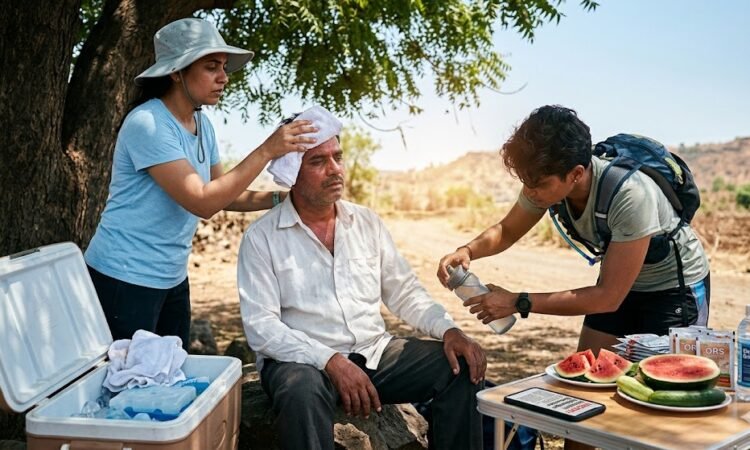
As temperatures rise during summer season can be the risk of heat born illnesses and are today a major concern for everyone. As, from a seasoned athletes to a working class individuals everyone is going to come in contact with outside heat during summer season. In Arabic, Asicna and India like other tropical regions, the term Ushmaghat (ऊष्माघात), or heat stroke needs a very serious attention of every individual living in that major summer heat region.
Lets understand what heat stroke is and know how to adopt better safety measures whichever are necessary to prevent from summer born illness. This article will help you to identify the dangers of extreme temperature exposure and the safety tips to be taken from your end.
Understanding Heat stroke or Ushmaghat: What Happens to Your Body when Heat Hits to you?
To effectively prevent a summer heat born medical emergency, you must understand what happens when your body overheats due to outside summer heat. Heat stroke or Ushmaghat is the most critical heat-related illness which can be life threatning. It happens when your body’s thermoregulation system, the internal thermostat that keeps you at a stable 37°C, becomes unbearable and your body starts heating and losing the moisture and water containts.
When the body temperature climbs too high and humidity prevents sweat from evaporating, your internal core temperature can surge, often by surpassing 40°C (104°F). At this time, the body’s organ systems begin to struggle, which may leads to cellular damage.
Differentiate Heat Exhaustion vs. Heat Stroke:
It is very important to first understand the difference between the two:
- Heat Exhaustion: Known by a heavy sweating, rapid pulse, dizziness, fatigue, and muscle cramps. This is a warning sign that you need to cool down your body immediately.
- Heat Stroke (Ushmaghat): It is A critical medical emergency. In which your body stops sweating, the skin becomes hot and dry, and neurological symptoms such as confusion, slurred speech, or loss of consciousness happens.
- Better Body Hydration Strategies:
Hydration is the first line of defense against Heat Stroke or Ushmaghat during the summer season. However, simply drinking water is not always enough when you are losing electrolytes and essential body minerals through sweat.
The Electrolyte Balance
When you exercise during the outside heated environment, you lose sodium, potassium, and magnesium with your workout sweating. Drinking plain water without adding these essential minerals may results to hyponatremia i.e. diluted blood sodium levels.
- Optimal Hydration: Go with drinking various healthy drinks regularly during summer season including water, coconut water, and natural ORS (Oral Rehydration Salts) etc. and stay well hydrated to prevent heat stroke.
- The Thirst Myth: Never wait until you are thirsty to drink water. By the time you feel thirsty, you are already slowly dehydrated. Keep a water bottle with you at all times and sip it consistently throughout the day for better hydration.
- Strategic go out Timing: Managing Your Heat Exposure:
The sun’s ultraviolet (UV) radiation and heat intensity usually high between afternoon time of 12:00 PM and 4:00 PM. During this time window, the risk of thermal stress is at its absolute highest.
Adjusting Your Lifestyle:
- Early Bird or Night Owl: If you are a fitness enthusiast, shift your daily workout or training sessions early in the morning (before 8:00 AM) or after sunset.
- Workplace Awareness: If your work requires outdoor visits during summer, then schedule the most physically demanding tasks during either early in the morning or in the evening i.e. at the cooler times of the day. Go into shade whenever possible and avoid immediate going out in heated environment after sitig for couple of hours into air conditioning exposure to prevent heat stroke. Drink plenty of water during the day and avoid heat stroke.
- Dressing for Better Thermal Efficiency:
Your clothing can be your personal cooling system during summer season. Many people make the mistake of wearing synthetic, tight-fitting clothes which traps heat inside the skin. Instead wear cotton cloths and airy cloths which provide better ventilation to avoid ex excessive sweating and summer illness.
- Fabric Choice: Switch to loose-fitting, light-colored cotton or specialized better moisture releasing airy fabrics designed for tropical climates.
- Sun Protection: Wearing a hat and using Umbrela during summer is very important to prevent from the direct solar radiation and safeguard you from hitting your head and neck. Use high-quality UV-blocking sunglasses to protect your eyes from outside heat.
- The Role of Nutrition in Heat Prevention:
What you eat makes impact on how your body produces internal heat (thermogenesis).
- Foods to Eat: Add easy to digest and cooling effect providing foods in your daily diet such as cucumbers, watermelons, muskmelon, curd (yogurt), Lemon and mint. These are water rich food which help to maintain better hydration.
- Foods to Limit: Avoid High-protein, high-fat, or heavily spiced food during summer seasion, as those require more efforts to digest, and those can eventually result in increasing your internal body heat. Choose for lighter meals during the summer days for better digestion and low body heat generation.
- Recognizing the Red Flags:
Awareness is the best safety measure to safeguard your from heat stroke. If you notice any of these symptoms in yourself or others, then take immediate action:
- Dizziness and Fainting: This is a sign that your blood pressure is struggling to adjust due to outside heated environment.
- Sudden Cessation of Sweating: If you stop sweating while in high heat, then consider that your body cooling mechanism has failed. This is a critical sign of possible heat stroke.
- Mental Confusion: Difficulty in focusing on task or speaking clearly may indicates that the brain is suffering from thermal stress due to outside heat.
- Emergency First Aid for Ushmaghat or Heat Stroke:
If you found any of the symptoms of heat stroke in you or any other person near to you found suffering from heat stroke then do following:
- Move into the Shade: Get out of direct sun exposure and go into shade.
- Active Cooling: Use a wet cloth or sponge to apply cool water to the skin. Place ice packs or cold, wet towels on the neck, armpits, and groin, where your major blood vessels are close to the surface, and can help to lower your core body temperature rapidly.
- Do NOT Force yourself Drinking Excess Fluids: If the person is unconscious or confused, do not force them to drink water, as they may choke.
- Professional Help: Call to emergency health services immediately. Heat stroke is a life-threatening condition that often requires hospitalization and immediate medical care.
Long-Term Heat Strength Routine Building:
Beyond just surviving the summer, you can build your body strength. Gradual heat immunity and spending short time in a warmer temperatures, can help your body to become more efficient at sweating and electrolyte retention over the period of time. However, this must be done safely and accordin to your own physical capacity and comfort.
We believe that being well aware about heat stroke is very important for its prevention, and also the best way to stay safe from any of such physical challenges. Summer season dont mean about stopping your fitness journey, it just requires a smarter, more smart approach of taking care from outside heat.
Summary Checklist for Your Daily Routine during HIGH HEAT DAYS:
- Drink 3 to 4 liters of water daily, adding with electrolytes will be great.
- Wear breathable, light clothing.
- Avoid outdoor activity during peak afternoon hours.
- Monitor your heart rate and body temperature.
- Eat water-rich, body cooling foods in your daily diet.
Stay cool, stay hydrated, and continue to prioritize your health during this summer season. For more in-depth guides on nutrition and athletic safety, continue exploring our archives here at gymbag4u.com.
Important Note: This article is for informational and educational purposes only and does not substitute professional medical advice. Always consult with a healthcare professional for personalized medical guidance. If you suspect an emergency related to heat stroke symptoms, then seek professional medical help immediately at your nearby clinic.

Senior Editor, Strength & Conditioning
B.Sc. in Kinesiology, Punjab University | Certified Strength and Conditioning Specialist (NSCA)
Karan Gupta has been a core part of Gymbag4u.com Team since its foundation in 2018. With a background in Fitness, bodybuilding exercise science and a decade of coaching experience, he specializes in functional fitness, injury prevention, and Fitness Routine Guide.