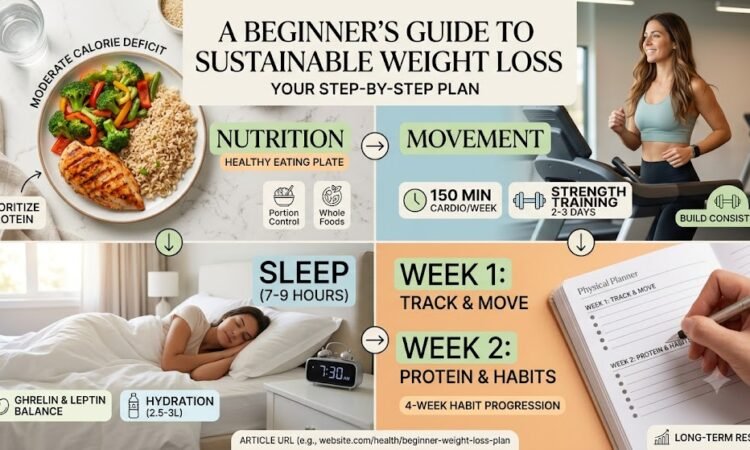
The Ultimate Weight Loss Program: Diet Plan, Exercise and Healthy Lifestyle Tips
Losing weight is one of the most common health and fitness goals of many people now a days, but achieving sustainable results requires more than following a restrictive diet or spending many hours of your day at the gym doing workout. An effective weight loss program is combines of balanced nutrition, regular physical activity, adequate sleep, hydration and following healthy lifestyle habits.
Whether you are a beginner who is starting your fitness journey or someone who is struggling to maintain previous weight-loss results, following a structured and realistic weight loss plan can make the process more easier.
The best weight loss program is not necessarily the one that promises the fastest results. But, It is that one which helps you to reduce your excess body fat, maintain muscle mass, improve fitness and develop healthy habits that you can steadily continue throughout your entire life.
In this article, we have explaind on how to build an effective weight loss program by choose right nutritious foods, planing your workouts, understand calorie deficits and follow a practical four-week beginner routine which will support your effective body weight management.
What Is a Weight Loss Program?
A weight loss program is a structured approach that combines dietary changes, physical activity and behavioral improvements to help individuals to manage their body weight.
A well-designed program generally includes:
A balanced, calorie-controlled eating plan.
Regular cardiovascular exercise.
Strength training to maintain muscle mass.
Daily physical activity and movement.
Adequate sleep and stress management.
Regular monitoring of health progress.
Long-term strategies to prevent weight regain.
According to the National Institute of Diabetes and Digestive and Kidney Diseases (NIDDK), successful weight management programs should include healthy eating guidance, physical activity recommendations, ongoing support and a plan for maintaining weight loss.
The important thing is to choose a program that suits to your age, health condition, food preferences, fitness level and daily routine.
- Understand the Science Behind Weight Loss
Before starting a weight loss program, it is important to understand how your body uses energy.
Your body requires calories to perform essential functions such as breathing, digestion, circulation, maintaining body temperature and physical activity.
When you consistently eat more calories than your body need, then the excess gained energy converts into visceral fat and contribute to weight gain. When you consume fewer calories than your body need, then your body extracts stored energyand fats and may result in weight loss.
This difference is called a calorie deficit.
How to Create a Healthy Calorie Deficit
A sustainable calorie deficit can be achieved through a combination of:
Eating smaller portions of high-calorie foods.
Increasing vegetables, fruits and fiber-rich foods.
Choosing protein-rich meals.
Reducing sugary drinks and excessive snacking.
Increasing daily walking and physical activity.
Combining cardio with strength training.
Avoid extreme calorie restriction, skipping meals or following low protein, less nutrition diets to prevent from energy crash. Very-low-calorie diets require professional medical supervision.
The appropriate calorie intake differs according to body weight, height, age, sex, activity level and health conditions.
Even modest weight loss can produce meaningful health benefits for people with excess body weight. The CDC notes that losing around 5% of initial body weight which may improve blood pressure, blood cholesterol and blood sugar levels.
- Choose the Right Weight Loss Diet Plan
Nutrition is one of the most important part of a successful weight loss program.
Instead of eliminating entire food categories, focus on eating balanced nutritious meals that provide protein, fiber, vitamins, minerals and healthy fats.
A sustainable eating plan should also include foods which you enjoy and can afford.
Best Foods to Include in a Weight Loss Diet
Protein-rich foods
Protein helps to maintain healthy muscle mass and supports to body energy recovery after your every intense exercise session. It can also helps to improve fullness between meals.
Good pretein Rich Food options included in your weekly diet:
Eggs.
Fish and chicken.
Low-fat milk and curd.
Paneer and tofu.
Lentils and dal.
Chickpeas, kidney beans and other legumes.
Soy products.
Fiber-rich foods
Fiber supports better digestive health and helps meals feel more satisfying.
Include below high fiber food in your daily diet:
Oats and whole grains.
Brown rice.
Whole-wheat roti.
Green vegetables.
Apples, oranges and guava.
Beans and lentils.
Chia and flaxseeds.
Healthy fats
Healthy fats are important for normal body functions. However, they are calorie-dense, so portion sizes matter.
Choose moderate portions of below fatty foods in your daily diet:
Almonds and walnuts.
Peanuts.
Seeds.
Olive oil.
Mustard oil.
Other unsaturated vegetable oils.
Low-calorie vegetables and fruits
Vegetables and fruits provide essential nutrients as well as helps to adding more food portion to meals which satisfys your hunger without increasing caloric intake.
Add food in your routien diet which includes spinach, cucumber, carrots, broccoli, tomatoes, cabbage, beans, papaya, watermelon and berries.
Foods to Limit During Weight Loss
You do not need to completely remove your favorite foods. However, reducing the frequency and portions of high-calorie foods can help.
Limit:
Sugary soft drinks and packaged juices.
Deep-fried snacks.
Excessive sweets and desserts.
Highly processed packaged foods.
Large portions of refined carbohydrates.
Excessive alcohol.
Frequent fast-food meals.
The goal is to improve your overall eating pattern rather than follow temporary food restrictions.
- Best Weight Loss Diet Programs: Which One Should You Choose?
Several dietary approaches can support weight loss when they help in creating a sustainable calorie deficit.
There is no single eating pattern that works best one for everyone.
Mediterranean Diet
The Mediterranean diet emphasizes eating more vegetables, fruits, whole grains, legumes, nuts, fish and unsaturated fats.
Benefits:
Encourages nutrient-rich foods consumption.
Supports cardiovascular health.
Provides dietary fiber.
Can be adapted for long-term eating.
High-Protein Diet
A high-protein eating pattern added with foods such as eggs, fish, chicken, dairy, soy and legumes.
Potential benefits:
Helps to preserve muscle during weight loss.
Supports muscle recovery.
May improve fullness.
Works well alongside resistance training.
Protein requirements should be individualized, particularly for people with kidney disease or other medical conditions.
Low-Carbohydrate Diet
Low-carbohydrate diets reduce foods such as refined grains, sugary products and some starchy foods.
They may help some people to reduce their routine calorie intake. However, carbohydrate quality matters, and avoiding nutritious foods such as fruits, legumes and whole grains is not necessary for most of the people as those food helps to secure the supply of essential nutritions.
Intermittent Fasting
Intermittent fasting involves alternating between eating periods and fasting periods.
Some individuals find that a structured eating patern helps them manage their healthy food intake. However, it is not automatically become more effective than other sustainable approaches when calorie intake is similar.
Intermittent fasting is not beneficial for everyone, including people with diabetes, eating disorders, pregnancy or facing any other critical medical conditions, as they need more nutrition than regular ones.
DASH Diet
The DASH eating pattern emphasizes vegetables, fruits, whole grains, low-fat dairy, legumes, nuts and lean protein.
It was developed to support healthy blood pressure and can also provide a nutritious foundation which promotes healthy weight management.
Which Diet Is Best?
The best diet is the one that provides adequate nutrition, suits to your personal preferences and can be followed consistently, as then only it provides its best results.
You do not need to follow an expensive commercial diet guidance program or purchase special weight-loss products to develop healthier eating habits.
- Exercise Program for Effective Weight Loss
Doing regular Exercise can support to better calorie burning, cardiovascular fitness, muscle strength and overall health.
A balanced weight loss workout should include both cardiovascular activity and resistance training.
A. Cardiovascular Exercise
Cardio increases your heart rate and helps your body burn calorie and create energy.
Recommended activities include:
Brisk walking.
Jogging.
Cycling.
Swimming.
Dancing.
Stair climbing.
Elliptical training.
Beginners can start with 20 to 30 minutes of moderate activity on several days each week and gradually increase their duration.
The general adult physical activity recommendation is at least 150 minutes of moderate-intensity aerobic activity per week, alongside muscle-strengthening activities on at least two days.
B. Strength Training
Strength training is important during weight loss program because it helps to maintain muscle strength and protects healthy body mass.
Useful beginner exercises include:
Bodyweight squats.
Modified push-ups.
Dumbbell rows.
Lunges.
Glute bridges.
Planks.
Shoulder presses.
Start with manageable resistance and proper technique. Allows sufficient recovery between challenging workout sessions.
C. Increase Daily body Movement’s
You do not have to spend all your exercise time in a gym.
Non-exercise activity such as thermogenesis (NEAT) spends excess energy on everyday routine body movements in addition of formal exercise.
Examples include:
Walking while talking on the phone.
Taking the stairs.
Standing up regularly during desk work.
Walking after meals.
Doing household activities.
Taking short movement breaks.
These small activities can contribute to overall daily energy expenditure.
- A Practical 7-Day Weight Loss Diet Plan
The following is an example of a balanced Indian-style meal plan for adults. Adjust portions according to your nutritional requirements, activity level and personal health needs.
Day 1: Monday, Breakfast: Vegetable oats and curd, Lunch: 2 rotis, dal and salad, Dinner: Grilled paneer and vegetables
Day 2: Tuesday, Breakfast: Vegetable poha and milk, Lunch: Brown rice, rajma and salad, Dinner: Vegetable soup and moong dal chilla
Day 3: Wednesday, Breakfast: 2 eggs and whole-wheat toast, Lunch: Roti, chicken or chana and vegetables, Dinner: Dal, vegetables and roti
Day 4: Thursday, Breakfast: Idli and sambar, Lunch: Rice, fish or tofu and vegetables, Dinner: Vegetable khichdi and curd
Day 5: Friday, Breakfast: Besan chilla and curd, Lunch: Roti, mixed dal and salad, Dinner: Grilled chicken or paneer with vegetables
Day 5: Saturday, Breakfast: Vegetable upma and milk, Lunch: Rice, dal and seasonal vegetables, Dinner: Moong dal chilla and salad
Day 5: Sunday, Breakfast: Dalia with fruit, Lunch: Roti, chickpeas and vegetables, Dinner: Vegetable soup, tofu or paneer
Healthy Snack Options
Choose snacks according to your hunger and daily nutritional requirements:
One seasonal fruit.
Roasted chana.
A small portion of nuts.
Plain yogurt.
Buttermilk without added sugar.
Sprouts.
Boiled eggs.
Important Diet Tips
- Include a source of protein in your main meals.
- Eat a variety of seasonal fruits and vegetables.
- Prefer whole grains over highly refined grains.
- Control portions of calorie-dense foods.
- Drink water regularly throughout the day.
- Reduce sugary beverages.
- Avoid skipping meals if it leads to excessive hunger or overeating later.
This is a flexible example rather than a prescribed calorie-controlled medical diet.
- Weekly Weight Loss Workout Schedule for Beginners
Consistency is more important than intense workouts.
Here is a sample weekly schedule that combines cardio, strength training and recovery.
Day: Monday, Workout: Brisk walking and bodyweight squats, Duration: 30 minutes
Day: Tuesday, Workout: Upper-body strength training, Duration: 25 to 30 minutes
Day: Wednesday, Workout: Cycling or brisk walking, Duration: 30 minutes
Day: Thursday, Workout: Lower-body strength training, Duration: 25 to 30 minutes
Day: Friday, Workout: Walking and core exercises, Duration: 30 minutes
Day: Saturday, Workout: Swimming, cycling or dancing, Duration: 30 to 40 minutes
Day: Sunday, Workout: Rest and gentle stretching, Duration: 15 minutes
Beginners should start with the base fitness level routine and gradually increase the exercise duration and intensity over the time.
People with joint problems, heart conditions or other health concerns should consult with a healthcare professional before starting any new exercise or diet routine.
- The Four-Week Beginner Weight Loss Program
A structured four-week plan can help beginners to establish their healthy habits without making too many changes at once.
Week 1: Establish Healthy Habits
Focus on understanding your existing routine.
Record your daily food and beverage intake.
Track your daily walking and activity.
Establish a regular sleep schedule.
Start with 20–30 minutes of comfortable walking.
Reduce sugary drinks.
Include vegetables in your meals.
Do not make drastic changes in your routine immediately. Start by identifying healthy habits that you can realistically improve.
Week 2: Improve Nutrition
Concentrate on balanced meals and portion control.
Include protein in main meals.
Replace frequent fried snacks with healthier alternatives.
Increase fruit and vegetable intake.
Reduce excessive added sugar.
Drink water regularly.
Continue following daily walking habit.
Week 3: Introduce Strength Training
Begin adding resistance exercises in daily your workout routine.
Add two strength-training sessions.
Practice squats and modified push-ups.
Include core-strengthening exercises.
Continue cardiovascular activity.
Allow sufficient recovery.
Week 4: Evaluate Your Progress
Review your progress using other measures and readings more than reading numberon your weighing scale.
Monitor:
Body weight trends.
Waist measurements.
Physical activity.
Exercise performance.
Sleep quality.
Energy levels.
Consistency with healthy eating.
If your progress is slower than expected, do not immediately adopt a crash and low calorie diet. Review portion sizes, track daily activity levels, sleep and consistency in healty routine. Seek professional advice if necessary.
- Why Sleep, Hydration and Stress Management Matter
Weight management is influenced by objecs more of just food and exercise which includes better sleep, drinking enough water and stress management.
Get Enough Sleep
Poor sleep can affect on healthy appetite regulation, food choices, energy and exercise motivation.
Most adults should follow at least seven hours of sleep for every night, with self individual needs and lifestyle.
Helpful sleep habits include:
Maintain a consistent bedtime.
Reduce screen exposure before sleep.
Avoid heavy meals immediately before bedtime.
Keep your bedroom comfortable.
Limit late-day caffeine if it affects your sleep.
Maintain Proper Hydration
Water supports better digestion, body fluid circulation, temperature regulation and normalising routine body functions of major organs.
Drink enough water regularly throughout the day, increasing fluid intake when appropriate during hot weather or physical activity.
Water can also replace sugary beverages and reducing the additional calorie consumption.
There is no universal requirement that everyone must drink exactly the same quantity of water daily.
Manage Stress
Long-term stress can interfere with sleep, appetite and healthy lifestyle habits.
Try below exercises:
Meditation.
Yoga.
Breathing exercises.
Walking outdoors.
Relaxation activities.
Spending time with friends and family.
A healthy weight loss program should improve overall well-being rather than become another source of stress.
- How to Choose the Best Weight Loss Program
With so many commercial diets, fitness apps and online coaching programs available around us, choosing a single safe and effective option can be difficult.
Before joining a weight loss program, consider the following important aspects:
- Scientific evidence: Does the program have credible research supporting its methods?
- Balanced nutrition: Does it provide adequate protein, fiber, vitamins and minerals?
- Physical activity: Does it include realistic exercise recommendations?
- Professional support: Are qualified healthcare or nutrition professionals available when needed?
- Personalization: Can the program accommodate your lifestyle, food preferences and health needs?
- Long-term maintenance: Does it explain how to prevent weight regain?
- Transparent costs: Are membership fees, supplements and additional charges clearly explained?
Be cautious of those weight loss programs which are promising dramatic weight loss in a few days, guaranteed results or fat loss without dietary and lifestyle changes is impossible at first place.
- Common Weight Loss Mistakes to Avoid
Many beginners struggle to maintain their healthy routine, because they adopt extreme approaches which are difficult to maintain on a longer run.
Avoid these common mistakes while following Weight Loss Program:
Skipping meals regularly.
Following crash diets.
Eliminating all carbohydrates.
Depending on weight-loss supplements.
Exercising excessively without recovery.
Ignoring strength training.
Expecting daily weight changes.
Comparing your progress with other people.
Neglecting sleep and stress.
Stopping healthy habits after reaching a target weight.
Weight management is a gradual process. A flexible and consistent routine is generally more sustainable than temporary diet restrictions.
- How to Maintain Weight Loss in the Long Term
Losing weight is only one part of successful weight management. Maintaining the results requires continued healthy habits.
Follow these practical strategies:
Continue eating balanced meals.
Maintain regular physical activity.
Include strength training in your weekly routine.
Monitor your weight periodically.
Continue eating sufficient protein and fiber.
Maintain a consistent sleep schedule.
Identify habits that trigger overeating.
Seek professional guidance when progress becomes difficult.
The NIDDK recommends ongoing support and a healthy weight maintenance strategy as important components of successful weight-loss programs.
Do not abandon your healthy habits once you achieved your desired body weight. Instead, gradually adapt your nutrition and exercise routine to consistly maintenance the weight at safer levels.
Frequently Asked Questions About Weight Loss Programs
- What is the best weight loss program for beginners?
The best beginner weight loss program combines of balanced nutrition, moderate calorie reduction, regular walking, strength training and adequate sleep. Choose a routine that fits in your lifestyle and can be followed consistently.
- How can I lose weight naturally?
You can support healthy weight loss by eating balanced meals, controlling portions, reducing sugary drinks, increasing daily body movement, exercising regularly and sleeping adequately. Avoid unproven fat-burning products.
- How much weight can I lose in one month?
Weight-loss results are depending on starting body weight, nutrition, activity, health conditions and consistency in healthy routine. A gradual approach is generally preferable to attempting rapid weight loss.
- Is walking enough for weight loss?
Walking can contribute to weight loss by increasing daily energy expenditure. Combining regular walking with balanced nutrition and strength training can provide additional benefits.
- Which diet is best for reducing belly fat?
No particular food or diet can selectively remove belly fat. Overall fat loss can be acheived through balanced nutrition, appropriate calorie intake, regular exercise and healthy habits and can also reduce abdominal fat over the time.
- Is intermittent fasting good for weight loss?
Intermittent fasting may helps some individuals to manage their food intake, but it is not necessary for successful weight loss. Choose an eating pattern that provides adequate nutrition and may suits to your health needs.
- Is strength training important during weight loss?
Yes, Strength training helps to preserve healthy muscle mass, maintains physical function and improves strength while reducing body weight.
- How can I prevent weight regain?
Continue on your healthy eating habits, do regular exercise, follow healhy sleep routine and do periodic health progress monitoring. Long-term support can also improve healthy weight maintenance.
- Do weight loss supplements work?
Many weight-loss supplements have limited evidence of effectiveness and may carry health risks. Focus on sustainable nutrition and exercise instead of relying on fat-burning products.
- Should I consult with a doctor before starting a weight loss program?
Consulting with a healthcare professional is essential if you have diabetes, heart disease, kidney disease, high blood pressure, are taking medications, are pregnant or breastfeeding, or have other medical concerns. Professional guidance can help to make your program safer and more appropriate.
Everyone can Build a Sustainable Weight Loss Program, as a good weight loss program is not just about starving yourself, following extreme diets or spending every day in the gym. But, it is about creating a healthy balance between nutrition, exercise, sleep, hydration and daily lifestyle habits and following it for lifetime.
Start with achievable goals, eat nutritious meals, increase physical activity and monitor your progress. Gradually improve your routine as your fitness and confidence develop.
Remember that sustainable weight management may takes time. Focus on improving your overall health, preserving muscle, building strength and developing healthy habits that you can maintain for years.
At Gymbag4u.com, our goal is to make fitness, nutrition and healthy living easier to understand and with practical approach. Start with a small steps today and build a healthier lifestyle for tomorrow by gradually progressing.
Medical and Scientific References supporitng Weight Loss Programs
- National Institute of Diabetes and Digestive and Kidney Diseases (NIDDK) – Choosing a Safe and Successful Weight-Loss Program.
- Centers for Disease Control and Prevention (CDC) – Steps for Losing Weight.
- Mayo Clinic – The Mayo Clinic Diet: A Weight-Loss Program for Life.
- Healthline – The 5 Best Weight Loss Programs of 2026.
- Diet Doctor – Top 10 Weight Loss Programs: An Evidence-Based Review.
- NCBI Bookshelf – Behavioral Approaches to Obesity Management.

Amit Mehta is a Editor, Nutrition & Lifestyle Habits @Gymbag4u.com
B.Sc. in Dietetics, SNDT University, Pune | Registered Dietitian (RD India)
Amit Mehta joined Gymbag4u.com in 2019, bringing with him a strong foundation in clinical nutrition and public dietary education. As a registered dietitian.