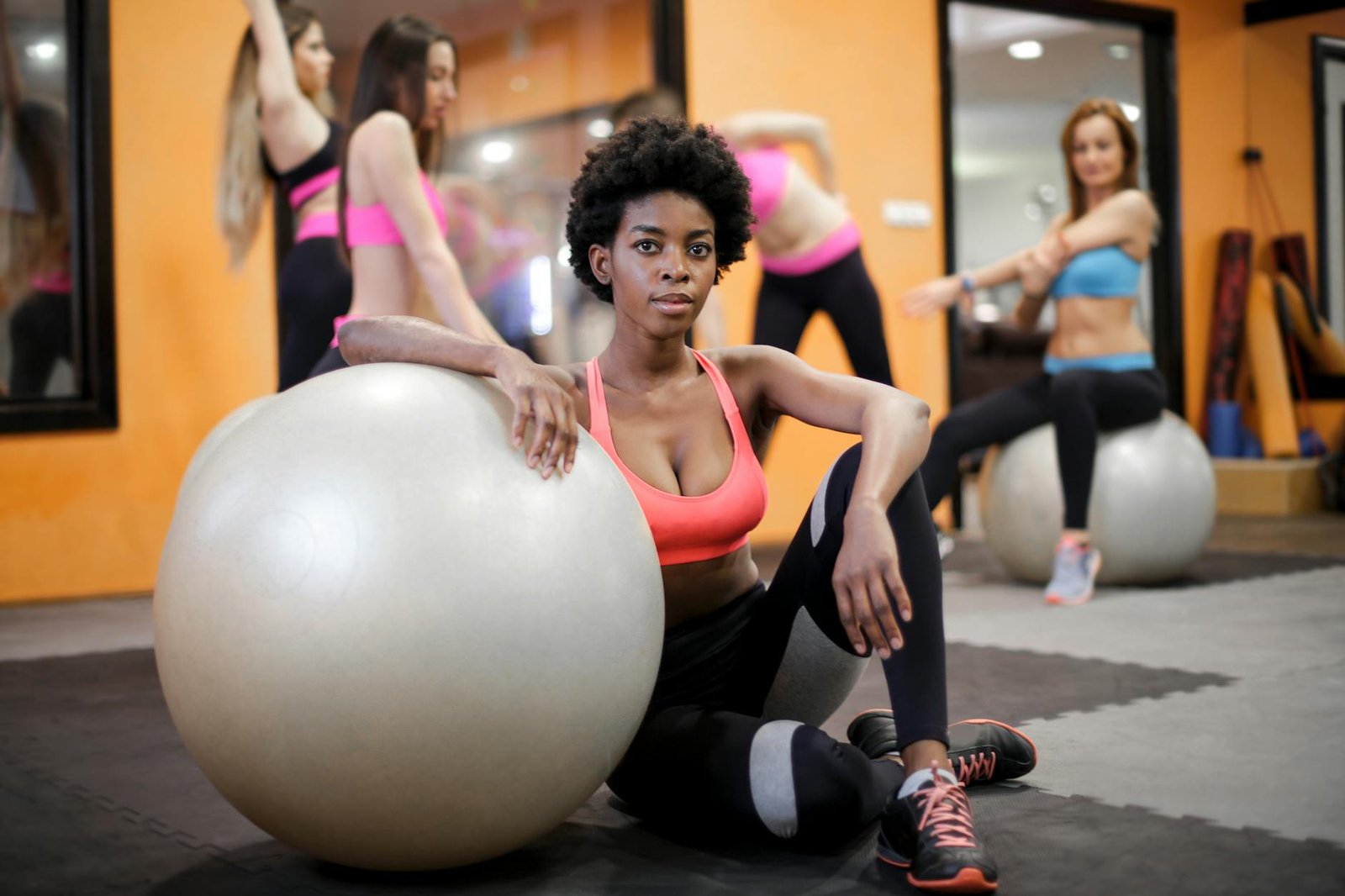
When it comes to building strength, healthy body weight, and being health, the debate between Pilates and weight training. Both types of exercise offer impressive returns, but they do so in very different ways. So, how do you choose what’s best for your objectives? or requires to do both?
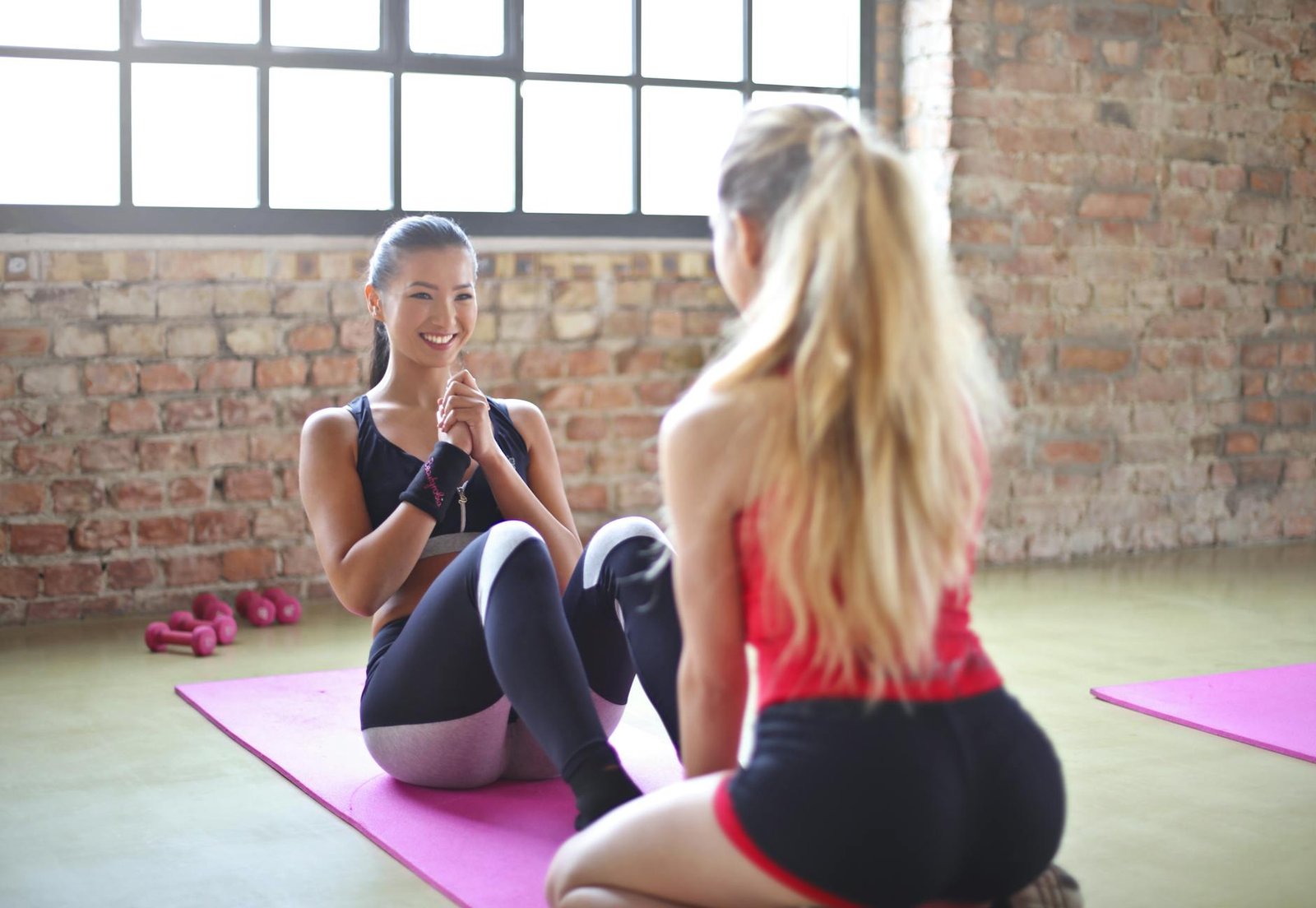
Let’s discuss the 10 differences of Pilates vs. weight training, and know how to make the perfect choice for your body, your lifestyle, and by empowering your fitness journey.
1. Muscle Building and Strength
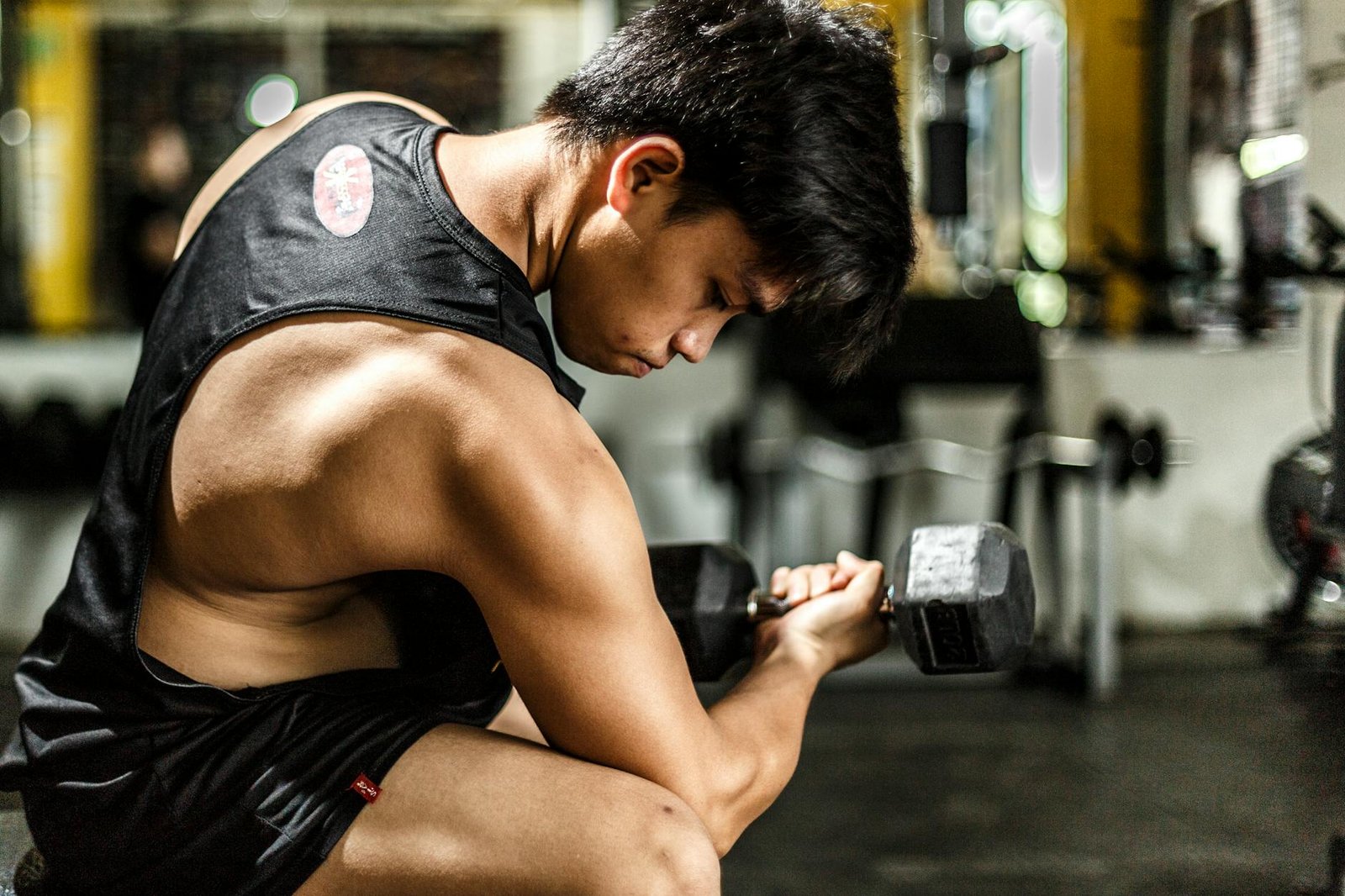
If you are looking for a serious muscle and strength, weight training is the beneficial one. Dumbbell, barbell, or resistance machine exercises test your muscles in a way that builds size and power. Indeed, research indicates that even two weight-training sessions a week can enhance muscle mass, something that’s valuable as we get older. Pilates, on the other hand, is all about developing lean, toned muscles and core strength. Rather than building bulk, you’ll be emphasizing control, alignment, and stamina through body weight and minimal equipment’s, Its strength is with a precision spin.
2. Flexibility and Mobility
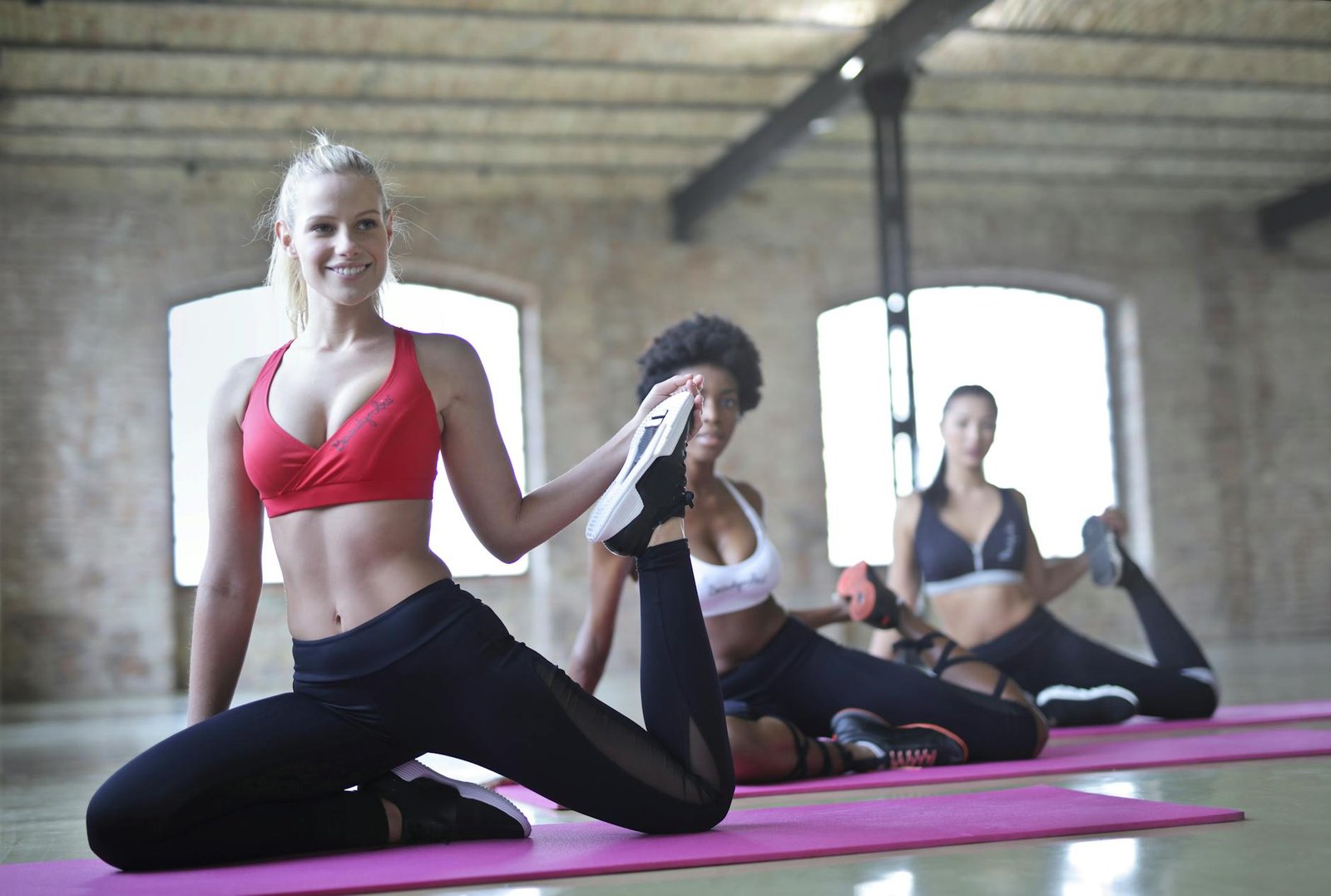
Pilates is excellent at enhancing flexibility and joint mobility. Its slow, flowing movements lengthen and stretch your muscles, specially in the area of hips, spine, and shoulders, which helps in making you move more easily and comfortably. Weightlifting can enhance flexibility as well, particularly if exercises are performed with a full range of motion. But it is not what it mainly does. That’s why stretching (prior to or following either exercise) is always advisable.
3. Weight Loss and Metabolism
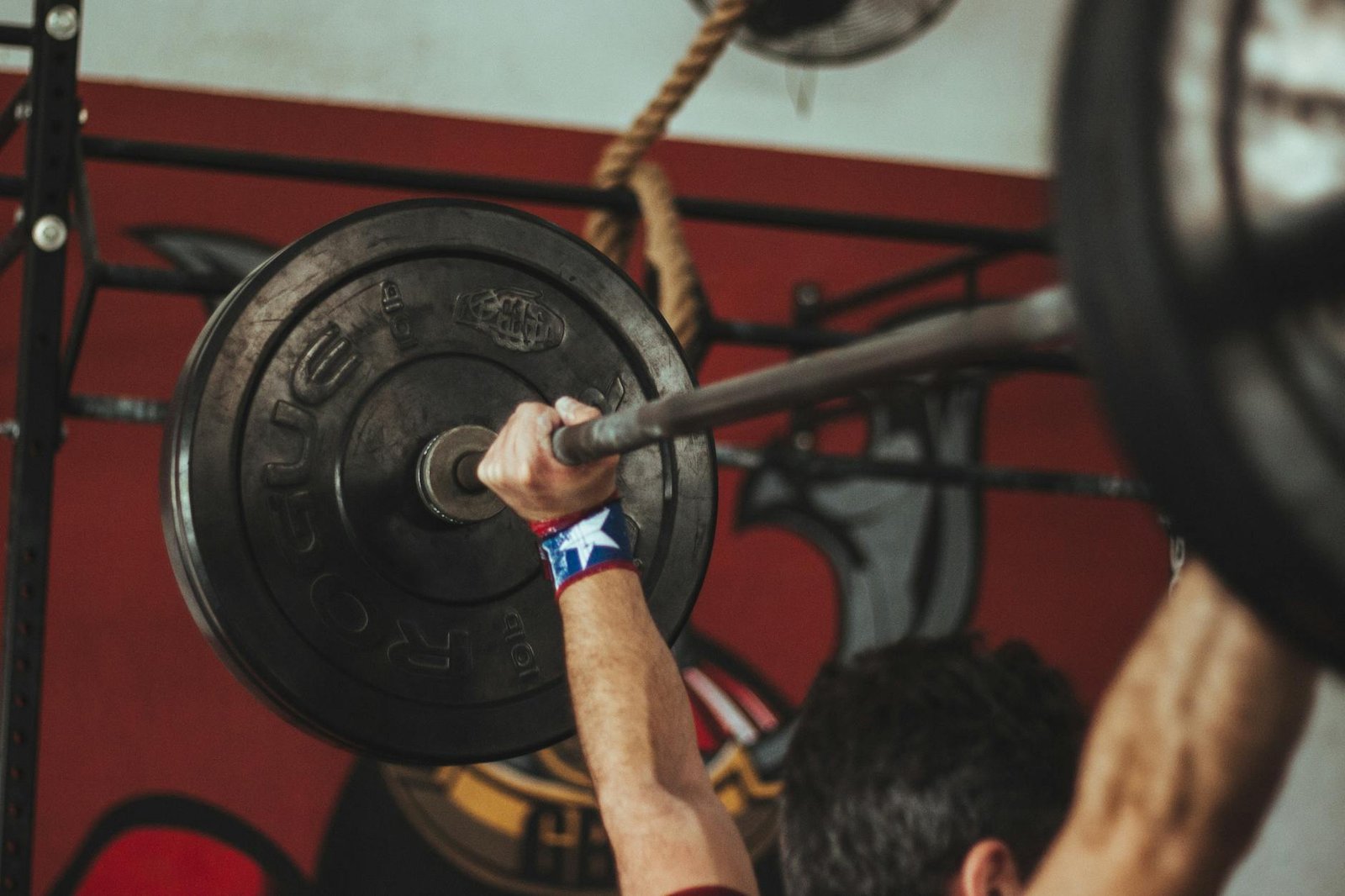
For burning calories and increasing metabolism, weight training tends to take the lead. Not only does it burn calories during exercise, but it also retains your metabolism in overdrive for hours after, through a process known as EPOC (excess post-exercise oxygen consumption). Pilates also burns calories, just at a slower rate. Both can aid weight loss when combined with a balanced diet, but weight training is more effective in burning fat and is metabolically healthy in the long term.
4. Functional Fitness for Daily Life
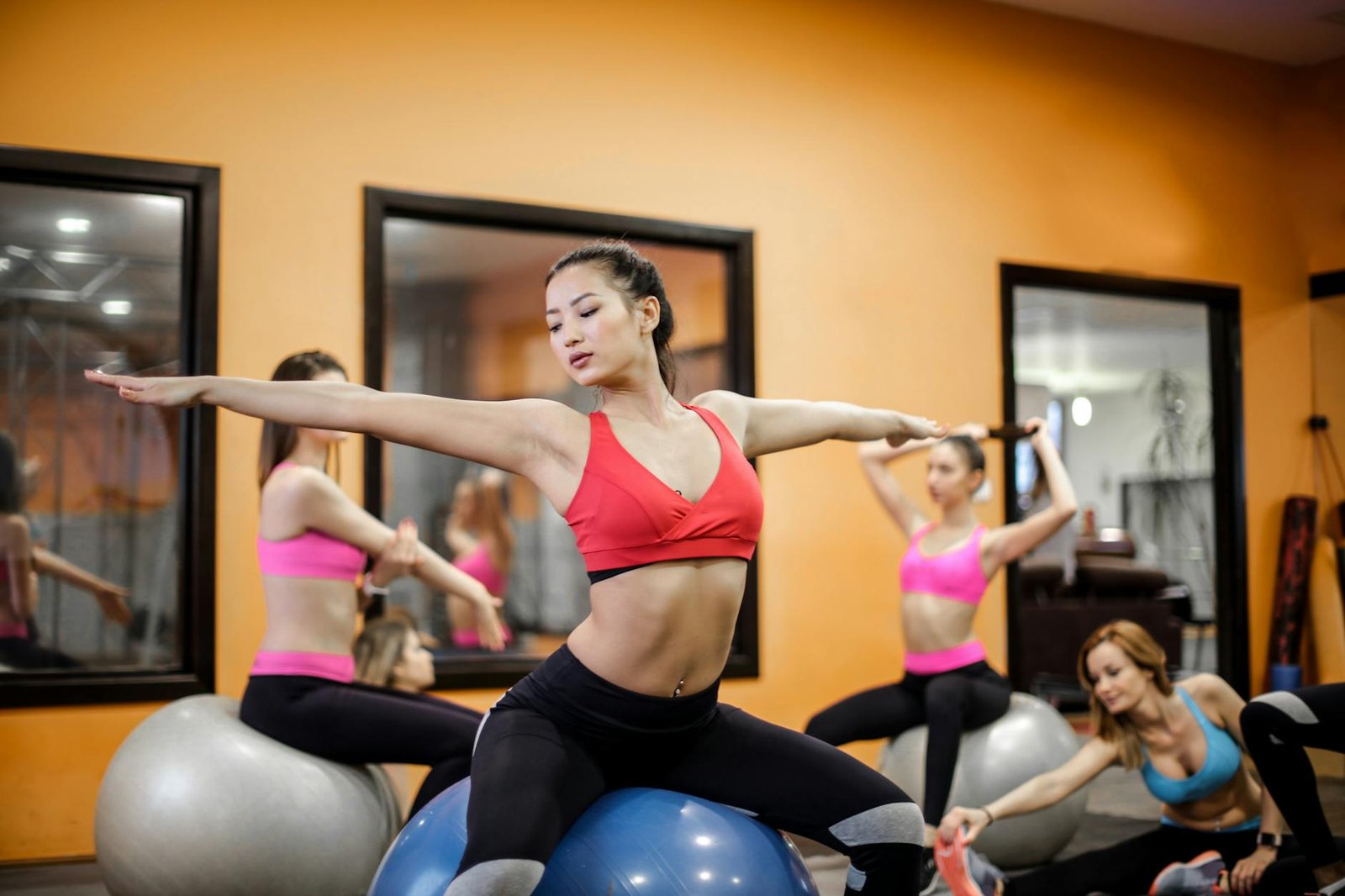
Pilates is based on functional fitness, consider it exercise for actual life. Pilates builds up the stabilizing muscles which you engage on every day, corrects posture, and prevents injury through everyday activities such as lifting, bending, or even just walking. Weightlifting can also build functional strength, especially if you adopt compound exercises such as deadlifts and squats. But it results to zero in on individual muscle groups and not full-body movement patterns.
5. Injury Prevention and Recovery
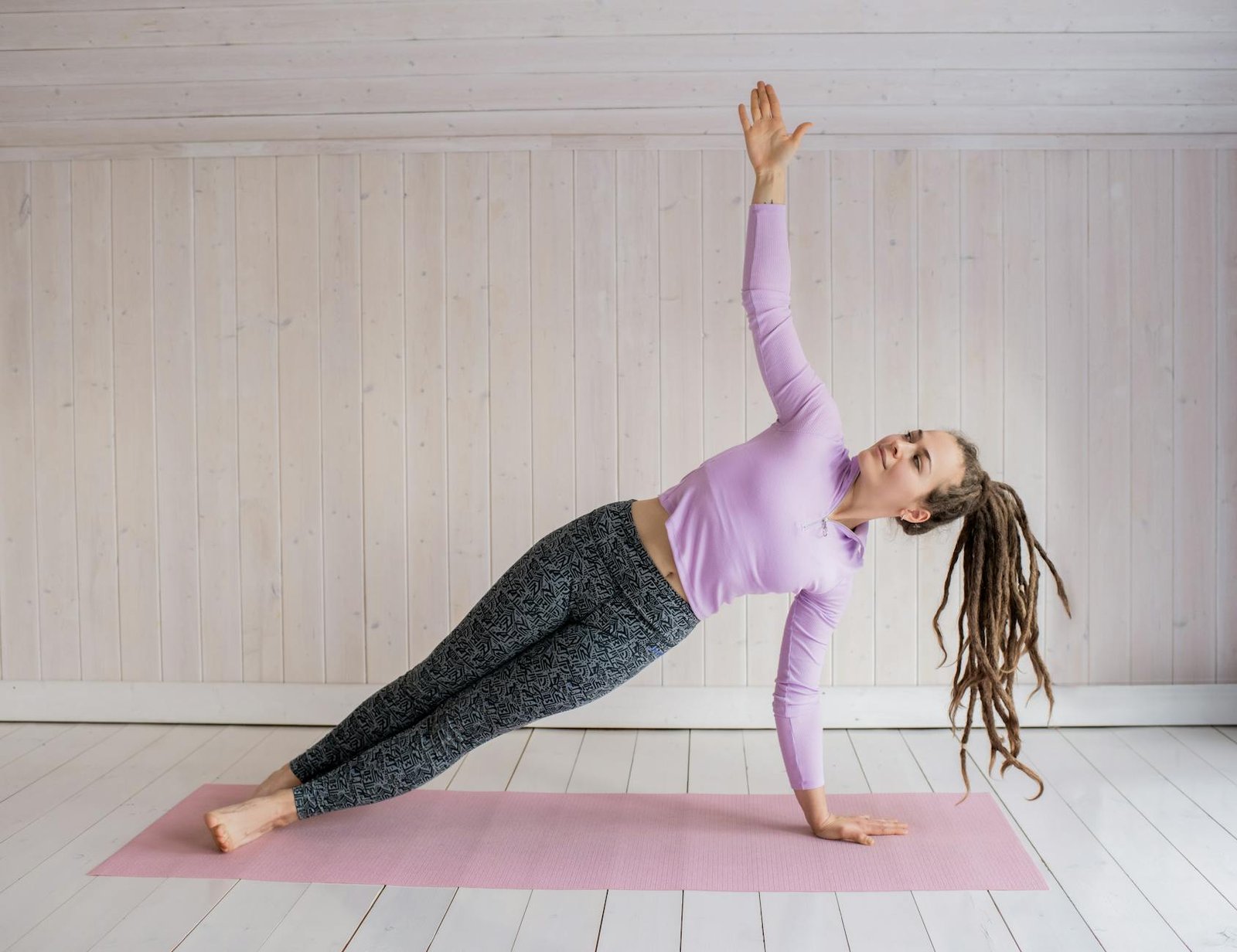
Pilates is a rehab favourite. It’s low-impact and gentle on the joints, but strength training is more stronger workout. It’s perfect for preventing and recovering from injury, particularly lower back strain. It corrects imbalances and body awareness, too. Weight training, while beneficial for joint and bone health, usually requires more caution if you’re healing from an injury. With proper guidance, though, it can help rebuild strength and stability.
6. Bone Density and Aging
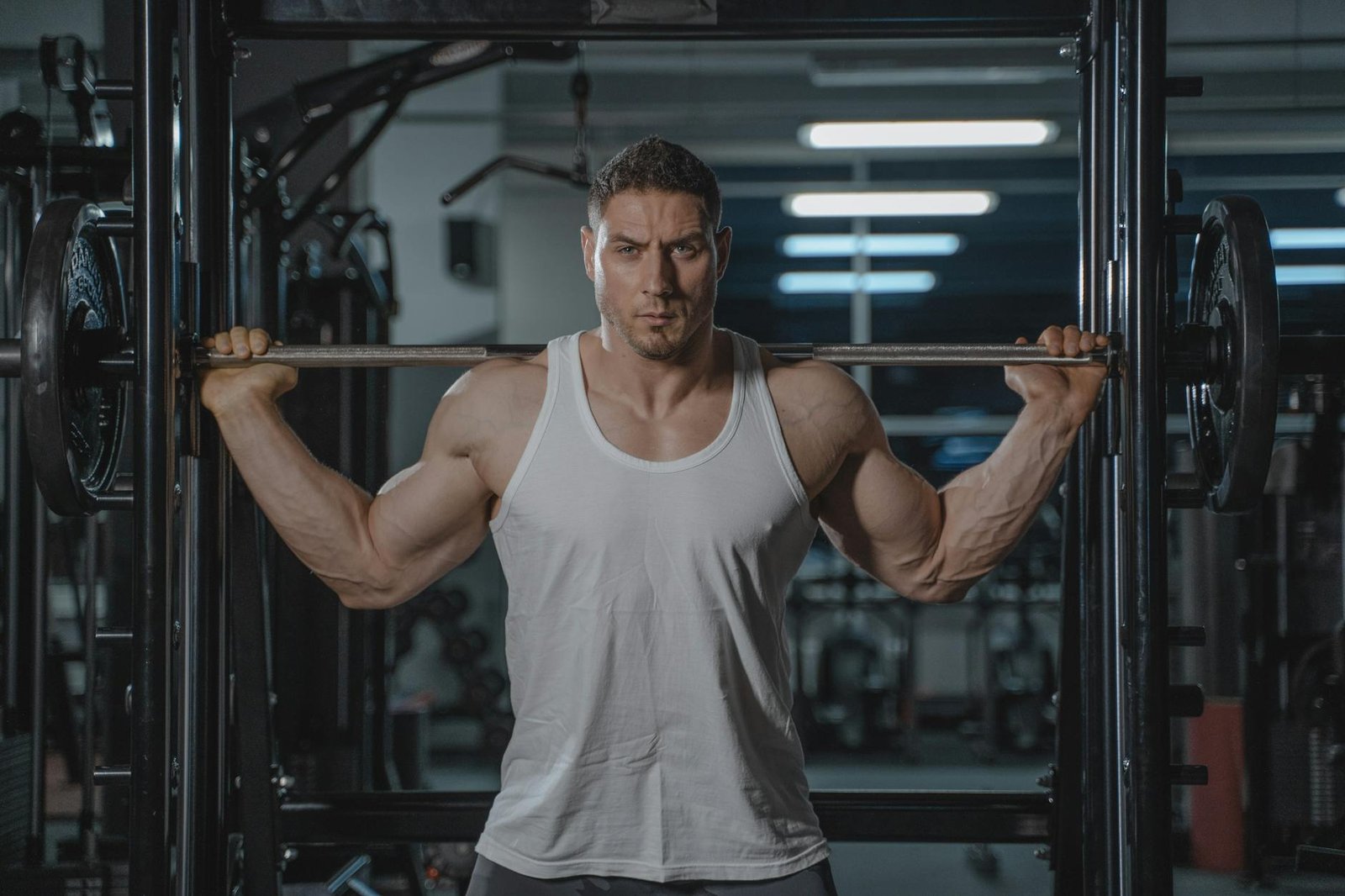
Weightlifting is an excellent way to keep and boost bone density, a concern that becomes important as we get older. Weighing places healthy stress on your bones, making them stronger, and lowering your risk of osteoporosis. Pilates helps aging in more healthier aspects, enhancing body balance, flexibility, and coordination to deter falls, but it won’t directly build bone density like resistance training will.
7. Mental Health and Well-being
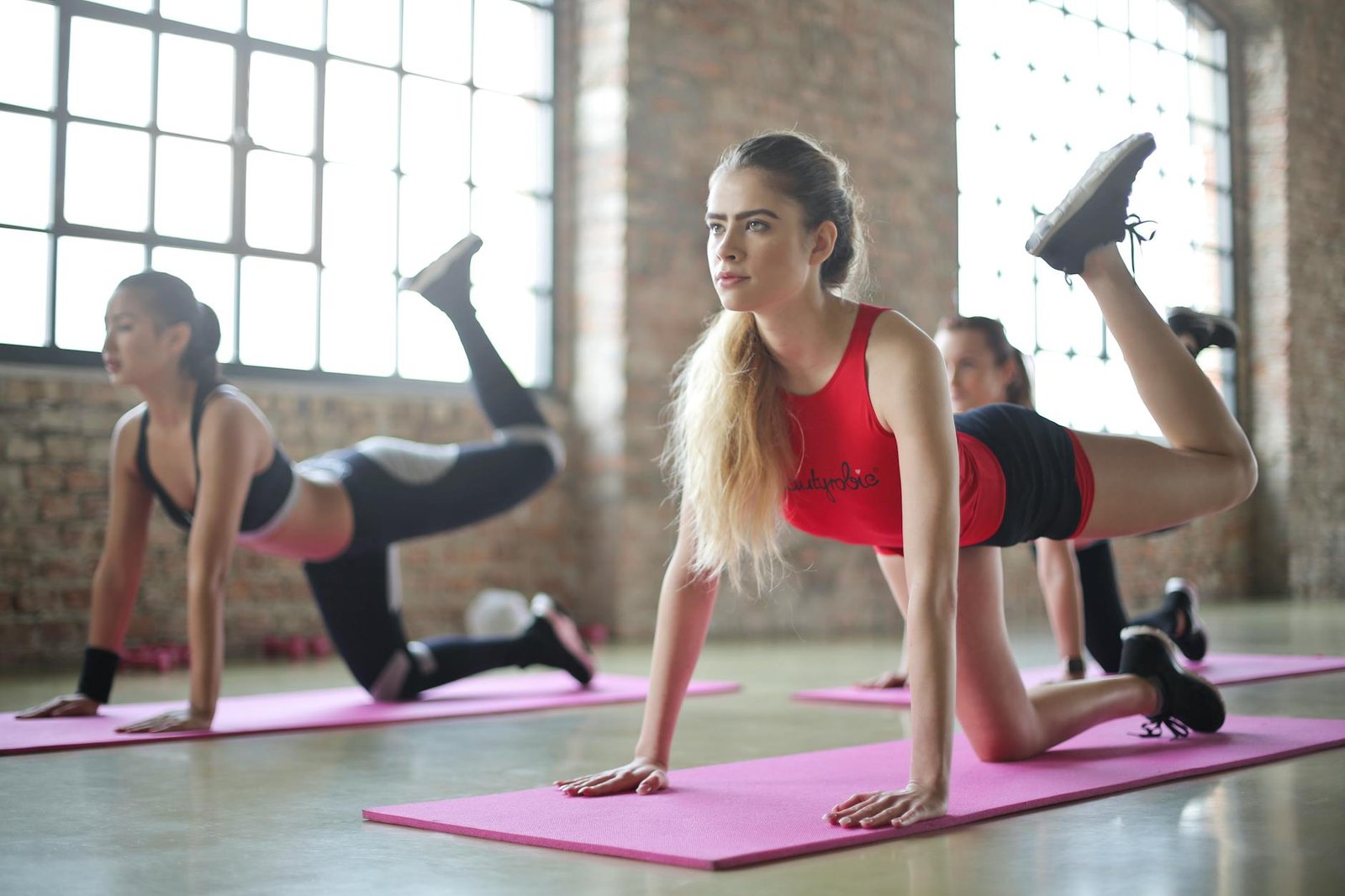
Both exercises are good for mental health, just in different ways. Weight training is known to decrease anxiety and depression, increase self-esteem, and enhance overall mood, partially due to the confidence boost of growing stronger. Pilates increases mental clarity and boy balancing through self-aware movement, breathing, and body consciousness. It’s excellent way for decreasing stress, increasing concentration, and uniting mind and body.
8. Why Not Both?
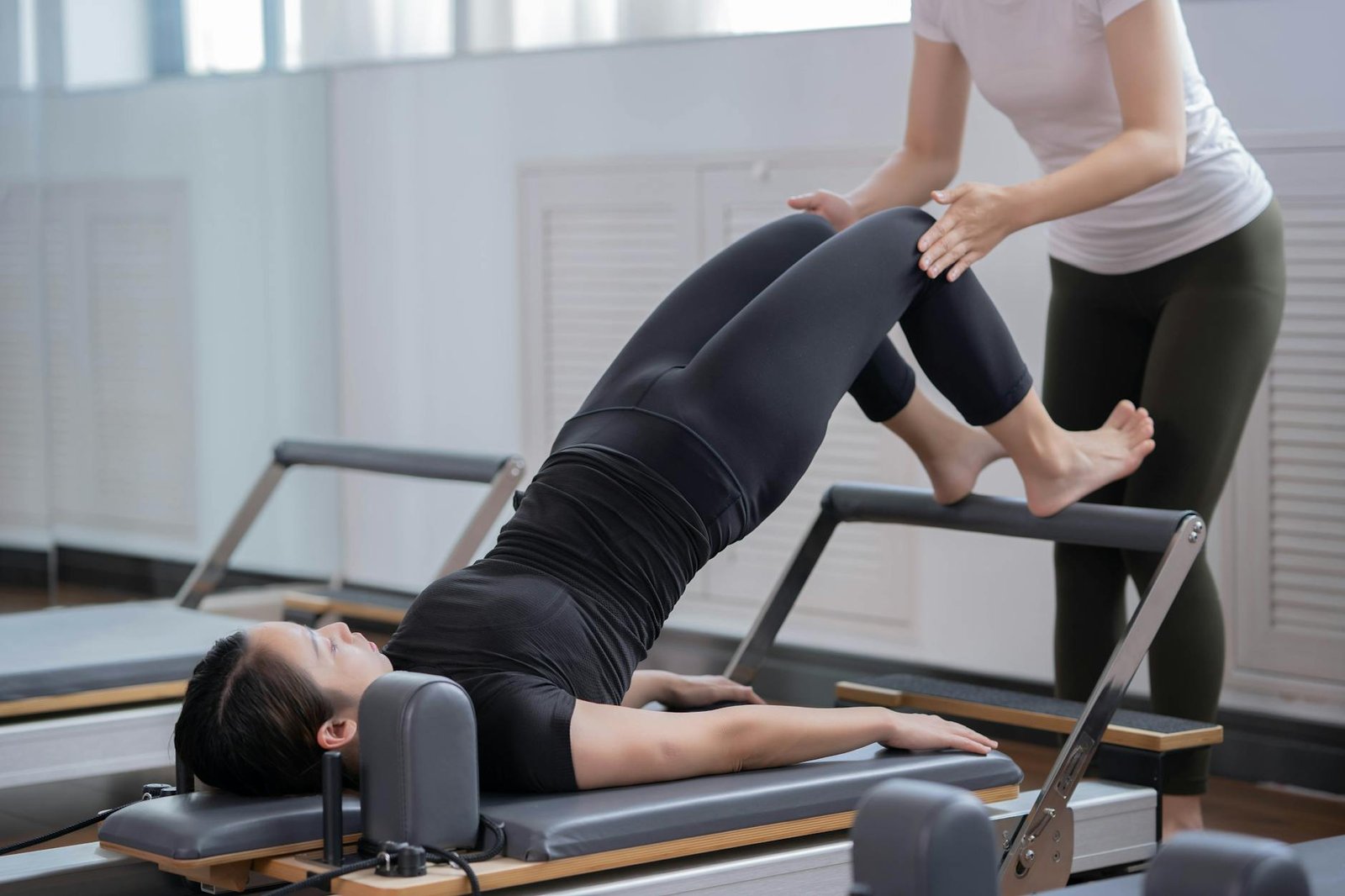
The good news is that, you don’t have to decide. Combining Pilates with weight training can provide the best effects. Pilates strengthens posture, flexibility, and core, enhancing the effectiveness of your weight training workouts and lowering your risk of injury. Weight training, can create muscle mass and bone density that Pilates alone cannot duplicate. Quite a number of fitness specialists suggest doing both for a balanced, long-term regimen.
9. Ease of Access and Skill Level
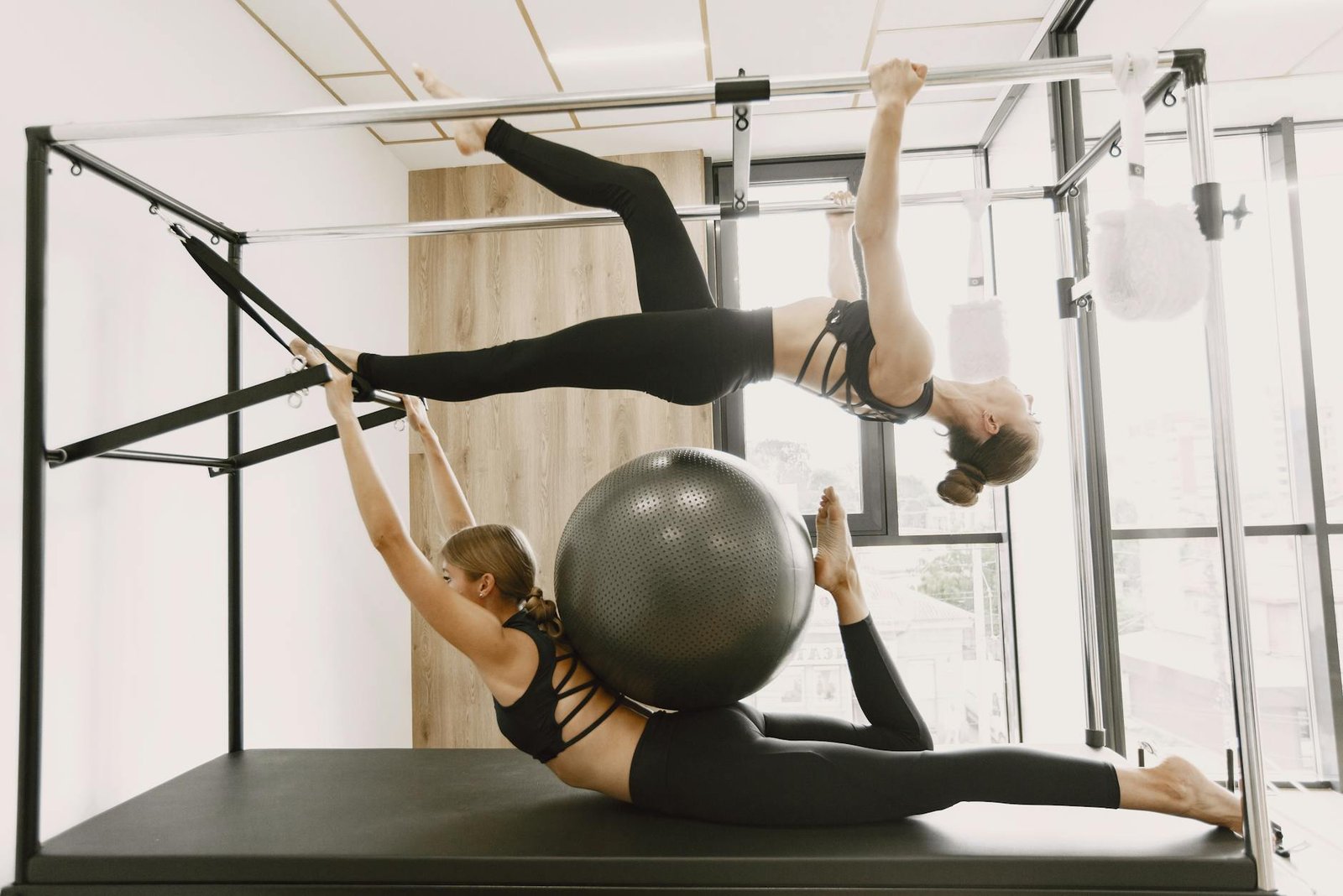
Pilates is highly accessible to newbies. Its low-impact nature allows it to be suitable for any age and level of fitness, injury recovery, or a beginner workout fitness. Weight training can also be adapted to all ability levels, but does take a bit more instruction, especially with heavier weights. Proper form avoids the risk of injury and ensures the success of achieving results.
10. Finding What Works for You
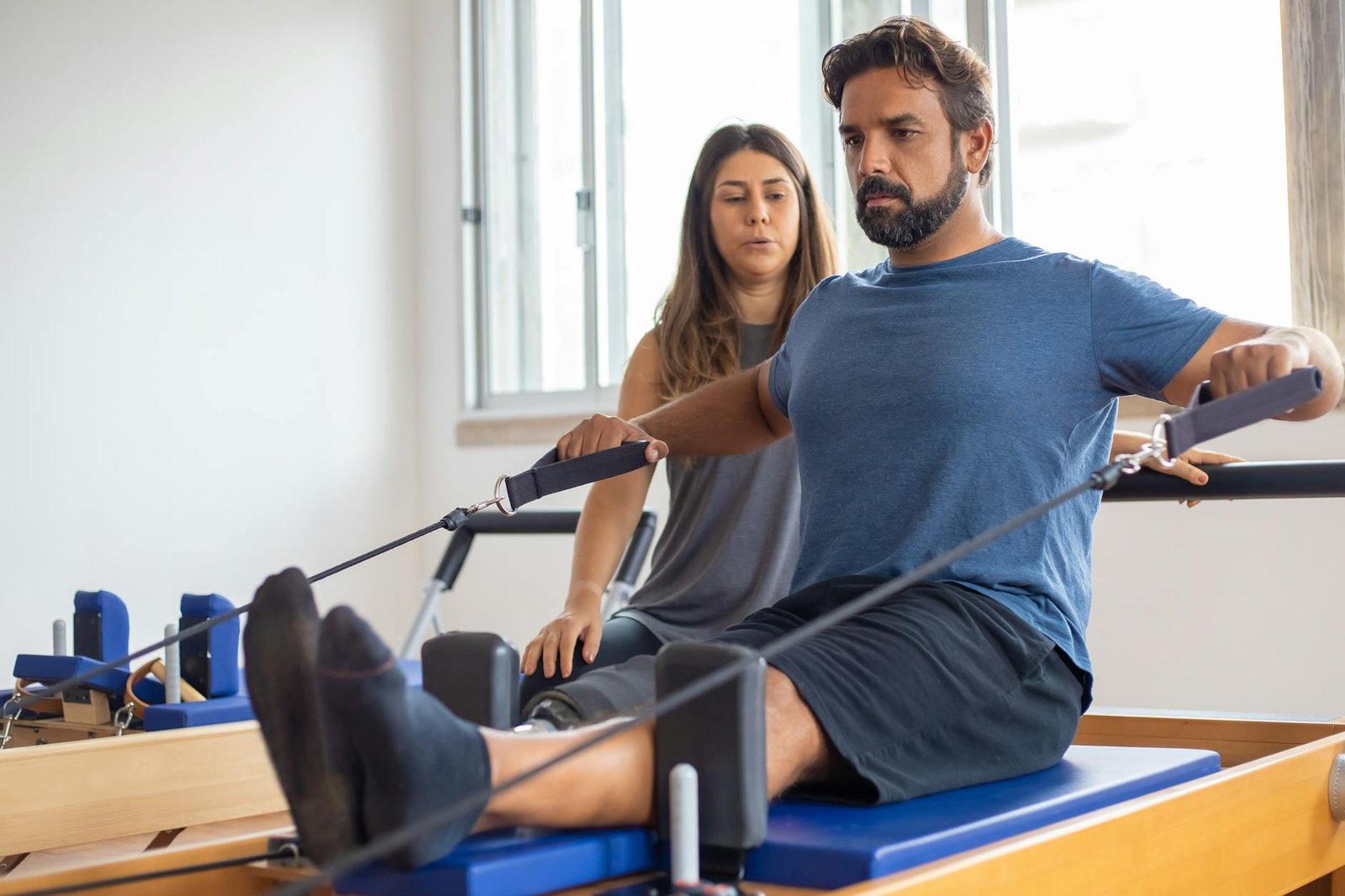
Ultimately, the best exercise is one that you like and can commit to in the long term.
- Need a leaner, more supple physique and a rock-solid core? Pilates could be your top choice.
- Want to add muscle, fortify bones, and rev up metabolism? Weight training is the way to go.
- Need a little of both? Mix it up! A balanced routine keeps your body guessing and your mind interested.
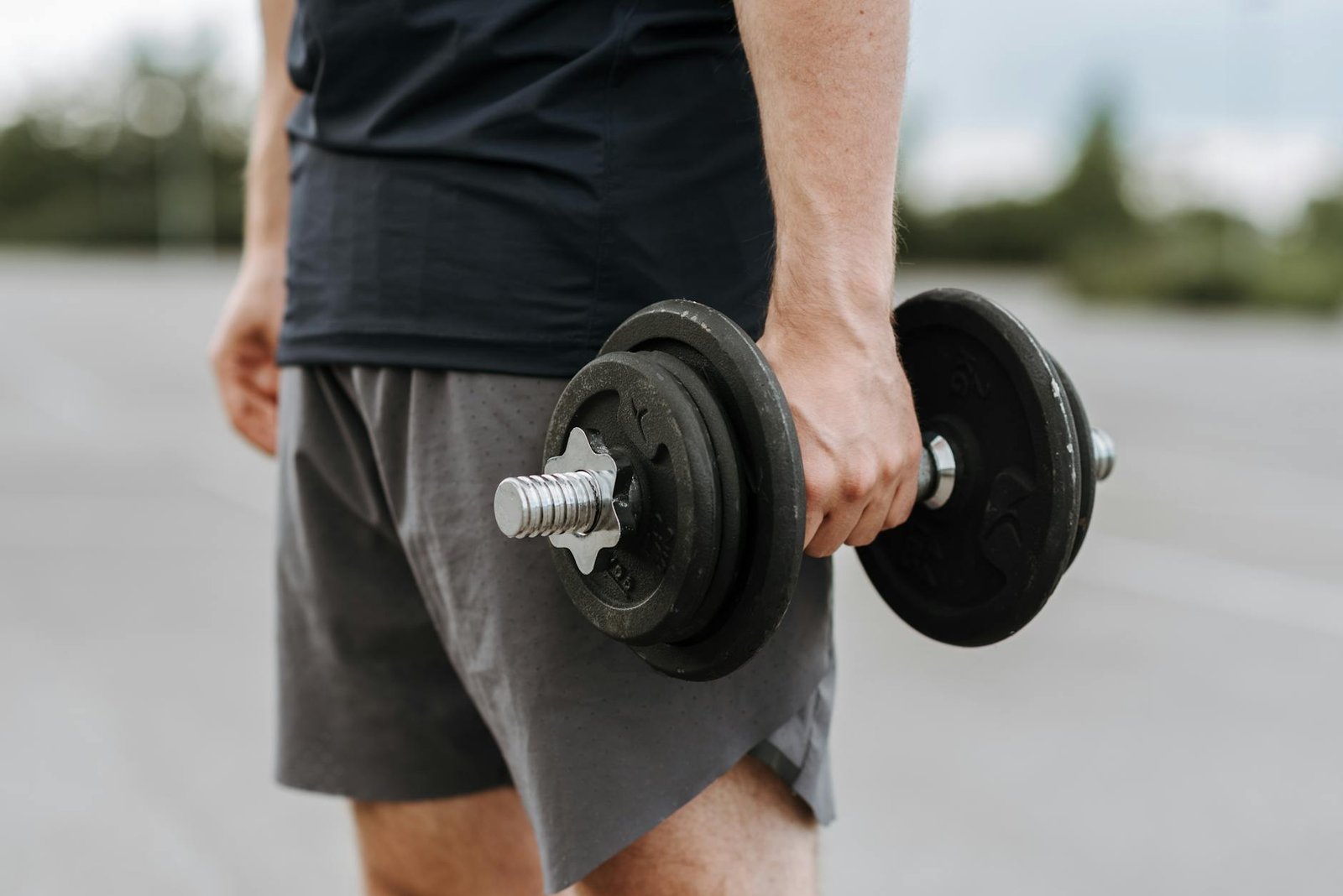
Whether you’re rolling out a mat or reaching for a dumbbell at gym, you’re making a strong best for your health, and that’s what matters most.

Senior Editor, Strength & Conditioning
B.Sc. in Kinesiology, Punjab University | Certified Strength and Conditioning Specialist (NSCA)
Karan Gupta has been a core part of Gymbag4u.com Team since its foundation in 2018. With a background in Fitness, bodybuilding exercise science and a decade of coaching experience, he specializes in functional fitness, injury prevention, and Fitness Routine Guide.