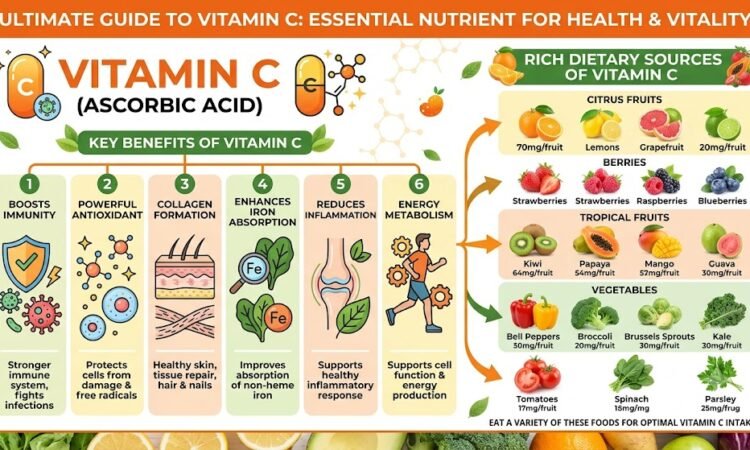
Vitamin C may be the most discussed vitamin among all the other nutrition’s and vitamins, and for a good cause. Also referred to as ascorbic acid, this water-soluble vitamin is essential for keeping your body endure at a peak performance. But how does it work, how much do you require, and is it possible to have too much? Let’s simplify it in simple and useful terms.
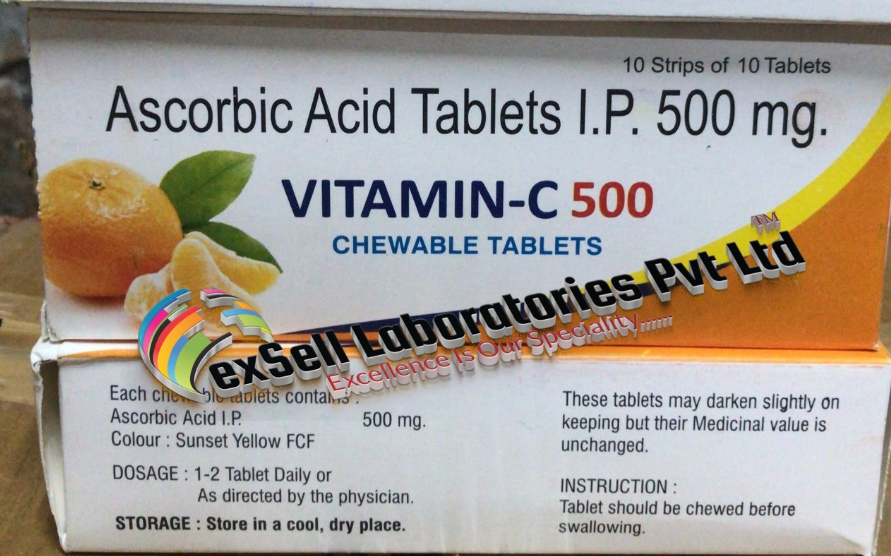
Why Your Body Loves Vitamin C
Vitamin C is very important for our body tissue repair and growth of your overall health. That helps to manufacture of collagen, the protein that provides structure to your skin, tendons, ligaments, and blood vessels. That’s why it’s such an important component in early wound healing and healthy skin.
It’s also a powerful antioxidant, and It helps to shield your body cells from damage due to free radicals, a cell damaging molecules your body creates during metabolism or due to exposure to smoke from cigarettes, pollution, or the harmful sun radiation. Free radical can damage over time and can accelerate aging and by leading to critical health issues such as cancer, cardiovascular disease, and arthritis.
Vitamin C also increases your body’s ability to absorb iron, particularly the form that occurs naturally in plant based foods such as spinach and lentils. So, if you are a vegetarian or vegan, then taking enough vitamin C will really boost your iron levels. And then, of course, there is the immune system boost. Vitamin C won’t keep you from getting a cold, but it could make seasonal diseases impact milder by improving your body immunity.
Where to Get It
For your daily healthy diet, fruits and vegetables are your way to go. Citrus fruits such as oranges and grapefruits are the necessary, but don’t forget to include others Vitamin C Rich food such as:
- Kiwifruit, strawberries, papaya, mango, pineapple, and cantaloupe
- Veggies such as bell peppers, broccoli, Brussels sprouts, spinach, cabbage, and tomatoes
Even potatoes and winter squash which also have essential vitamins. Most breakfast cereals and fruit juices are fortified with vitamin C, just read the label to confirm the the drink is totally natural and not flavoured and with artificial additives.
Daily Needs and Special Considerations
Since your body does not store vitamin C, you must receive it every day through the foods you eat. Cooking and storage of food for extended periods may lower vitamin C levels, so it’s best to eat fresh, raw, or lightly cooked vegetables and fruits. Interesting fact: natural fresh orange juice has more vitamin C than packaged orange juice because long time light exposure reduces the vitamin C from the packaged food’s.
This is how much Vitamin C you require categorywise:
- Men: 90 mg per day
- Women: 75 mg
- Pregnant women: 85 mg
- Breastfeeding women: 120 mg
Children require less Vitamin C, based on their age. If you are a smoker or a non-smoker who is exposed to second hand smoke daily, Then, you will require an additional 35 mg of Vitamin C per day since your body uses vitamin C faster than a regular non-smoker.
Who’s at Risk for Deficiency?
The majority of individuals in the United States and Canada obtain adequate vitamin C through food, but some kind of people are more vulnerable to deficiency, including:
- Smokers
- Individuals with extremely restricted diets
- Infants who are given evaporated or boiled milk from cows
- Those with medical conditions that impair absorption
Rapid deficiency of Vitamin C, is known as scurvy disease, it occurs rarely but, still today it is continues to be a risk to people. The symptoms can include tiredness, bleeding or swollen gums, aching joints, and impaired healing of wounds. Even mild deficiency of vitamin C will result in dry skin, easy bruising, nosebleeds, or frequent colds.
Can You Have Too Much?
It’s difficult to consume too much vitamin C through food, but taking high-dose of vitamin supplements can lead to side effects. Adults should not take more than 2,000 mg Vitamin C on daily basis. Taking more than that can result in diarrhoea, stomach cramps, and, in few extreme instances, kidney stones. Individuals who have conditions such as hemochromatosis, where the body absorbs excess iron, should take particular care because vitamin C enhances iron absorption.
What the Research Says
- Colds: Every day, vitamin C can lengthen the time a cold lasts by a day or so, but it will not keep you from getting one. Taking it after catching something does not appear to be helpful.
- Heart disease and cancer: Individuals who consume more fruits and veggies, both of which are high in vitamin C, have lower rates. But supplements have not been proven to be beneficial.
- Eye health: Vitamin C taken with other nutrients can help slow the advance of age-related macular degeneration, but not stop it.
Vitamin C is necessary to we all, but you don’t require higher doses of it. The best approach to covering your needs is with a healthy diet including eating plenty of fruits and vegetables on regular basis. Supplements may be beneficial to some individuals, but for most of us, eating healthy foods are the final solution. Eat a colourful mix of Fruits and Vegetables on daily basis, and make your body stronger, immune and healthier in all aspects.

Amit Mehta is a Editor, Nutrition & Lifestyle Habits @Gymbag4u.com
B.Sc. in Dietetics, SNDT University, Pune | Registered Dietitian (RD India)
Amit Mehta joined Gymbag4u.com in 2019, bringing with him a strong foundation in clinical nutrition and public dietary education. As a registered dietitian.